 Search for...
 English
 Español
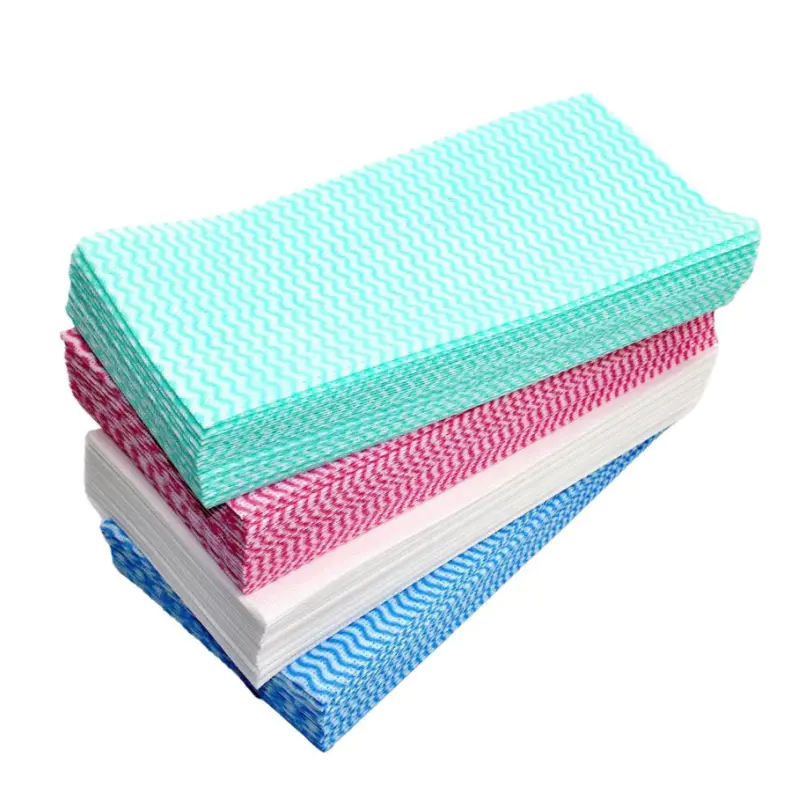
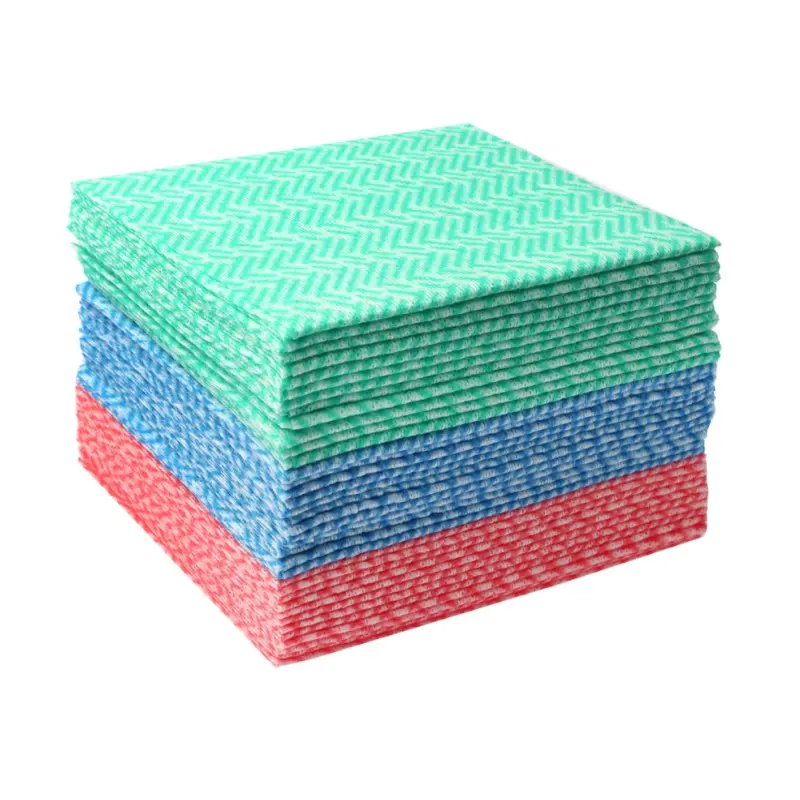
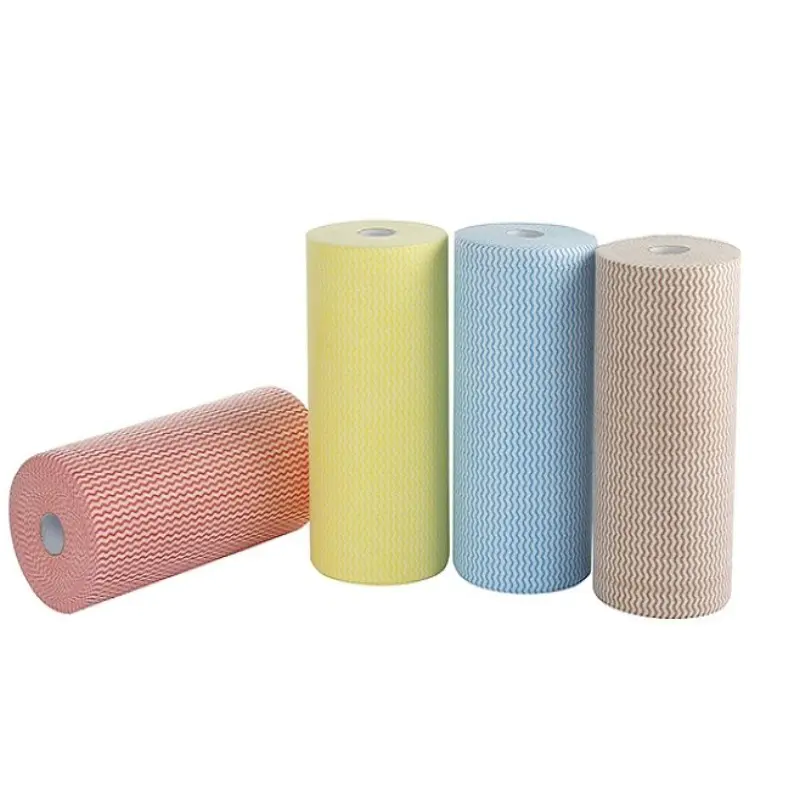
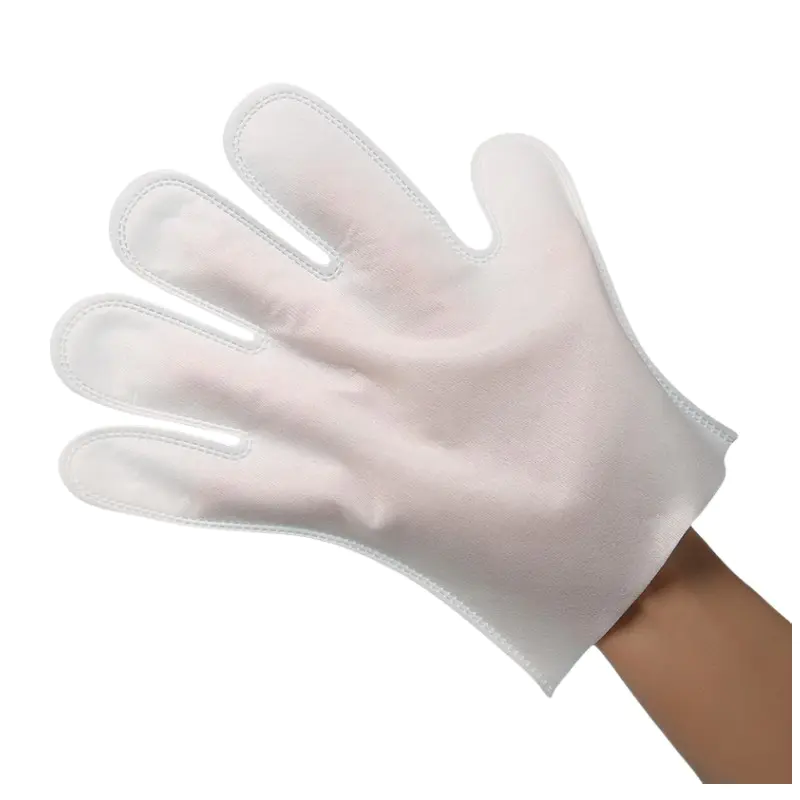
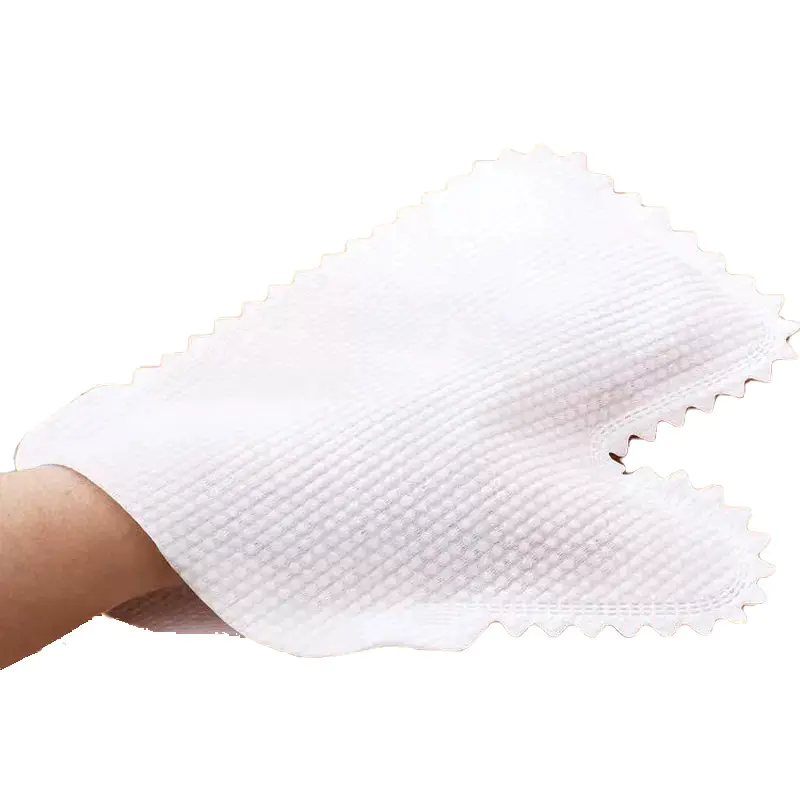
Soft Lint-Free Disposable Household Cleaning Wipe

Fiber dusters have fundamentally changed household cleaning by shifting the paradigm from displacing dust to capturing it. Unlike traditional feather or cotton dusters that merely scatter allergens into the air, modern fiber dusters utilize millions of microscopic split fibers to trap particulate matter through electrostatic attraction and mechanical entanglement. High-quality microfiber dusters can capture up to 99% of dust, pollen, and bacteria, making them a superior choice for maintaining indoor air quality and protecting sensitive electronics. For optimal results, users should select the right fiber density for the surface type and adhere to strict washing protocols to maintain electrostatic efficiency.
Content
The effectiveness of a fiber duster lies in its material engineering. Most high-performance dusters are made from a blend of polyester and polyamide. During manufacturing, these fibers are split to create a massive surface area relative to their weight.
A single strand of microfiber is less than one denier, significantly finer than human hair. When these fibers are split, they create wedge-shaped cross-sections that act like tiny scoops. As the duster moves across a surface, these wedges scrape up and lock in dirt, grease, and dust particles rather than pushing them around. This mechanical action is enhanced by the natural static charge generated when synthetic fibers rub against surfaces.
Dust particles often carry a slight positive charge, while synthetic microfiber tends to develop a negative charge during use. This opposite charge creates a magnetic-like pull, allowing the duster to attract dust from a short distance. This is particularly effective for intricate items like blinds, chandeliers, and keyboard keys, where direct contact is difficult. The electrostatic effect diminishes if the fibers are coated with fabric softeners or oils, which is why proper maintenance is critical.
Not all fiber dusters are designed for the same tasks. Understanding the differences between disposable, reusable, and specialized variants ensures efficient cleaning without damaging delicate surfaces.
| Type | Material Composition | Best Use Case | Reusability |
|---|---|---|---|
| Microfiber Wand | Polyester/Polyamide Blend | Ceiling fans, baseboards, general surfaces | Washable (100+ times) |
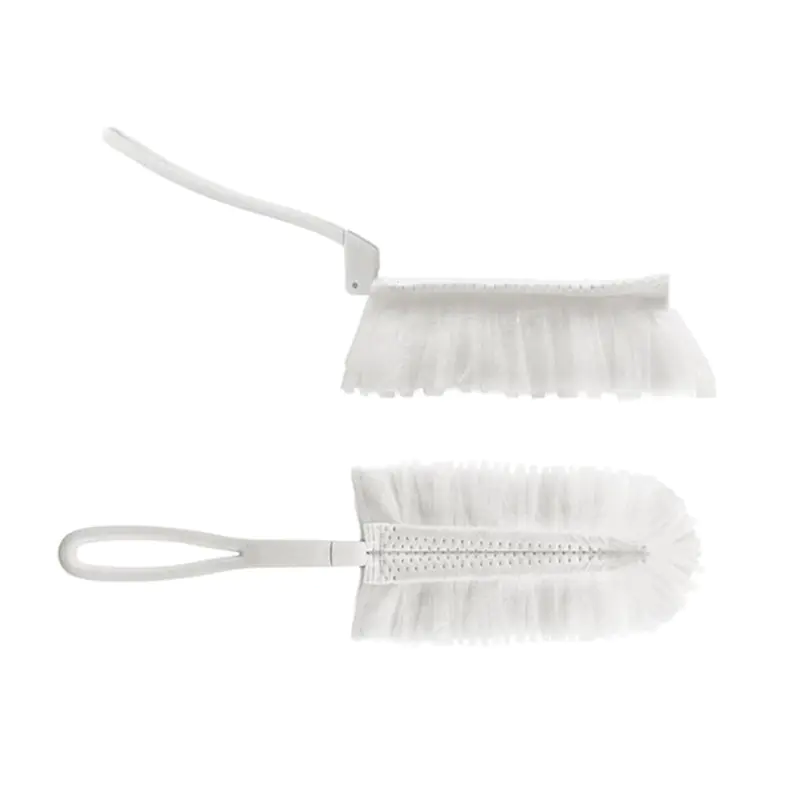
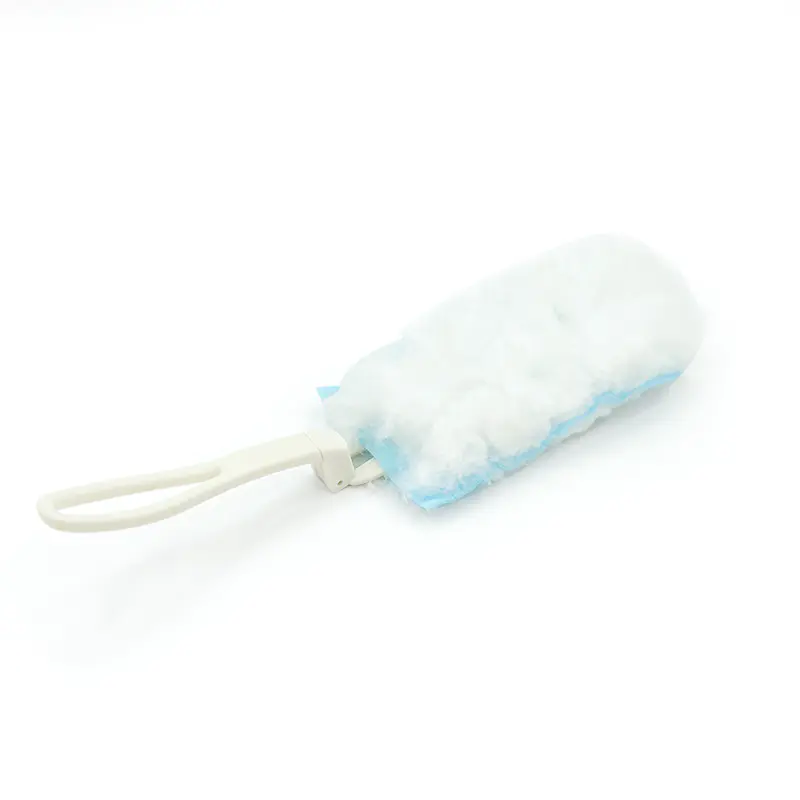
| Disposable Electrostatic | Synthetic Non-woven Fibers | Allergens, pet dander, hard-to-reach spots | Single-use |
| Chenille Microfiber | Deep-pile Microfiber Loops | Blinds, shutters, irregular shapes | Washable |
For eco-conscious consumers, reusable microfiber wands offer the best long-term value. While disposable options provide convenience, they contribute significantly to landfill waste. A single high-quality reusable duster can replace hundreds of disposable units over its lifespan, reducing both environmental impact and recurring costs.
The longevity and performance of a fiber duster depend entirely on how it is cleaned. Improper washing can clog the microscopic fibers with residue, rendering the duster ineffective.
Always wash microfiber dusters separately from lint-producing fabrics like cotton towels. Use warm water and a mild detergent. Avoid fabric softeners and bleach at all costs, as these substances coat the fibers with a waxy layer that neutralizes the electrostatic charge and reduces absorbency. Hand washing is preferred, but if using a machine, select a gentle cycle and air dry or tumble dry on low heat. High heat can melt the fine synthetic fibers, permanently damaging the duster.
Even with proper care, fiber dusters have a finite lifespan. Signs that it is time to replace your duster include fraying edges, a noticeable decrease in dust capture ability, or fibers that remain stiff after washing. Typically, a well-maintained reusable duster lasts between 6 months to 2 years, depending on frequency of use.
Using a fiber duster effectively requires more than just waving it around. A strategic approach ensures that dust is removed from the home rather than redistributed.

JIAXING HONGJIE COMMODITY CO., LTD is located near Shanghai and Hangzhou in Jiaxing City, Zhejiang Province, China. We are trading& manufactory company. our factory and office are in Jiaxing city.

Factory Add: 3rd floor, BLDG 3, No.379 Ziyu Road, Daqiao Industrial Zone, Jiaxing, Zhejiang, China.

+86-573-82313085

+86-573-82091210

Copyright © JIAXING HONGJIE COMMODITY CO., LTD
The information provided on this website is intended for use only in countries and jurisdictions outside of the People's Republic of China.
Wholesale Nonwoven Wet Wipes Manufacturers
