 Search for...
 English
 Español
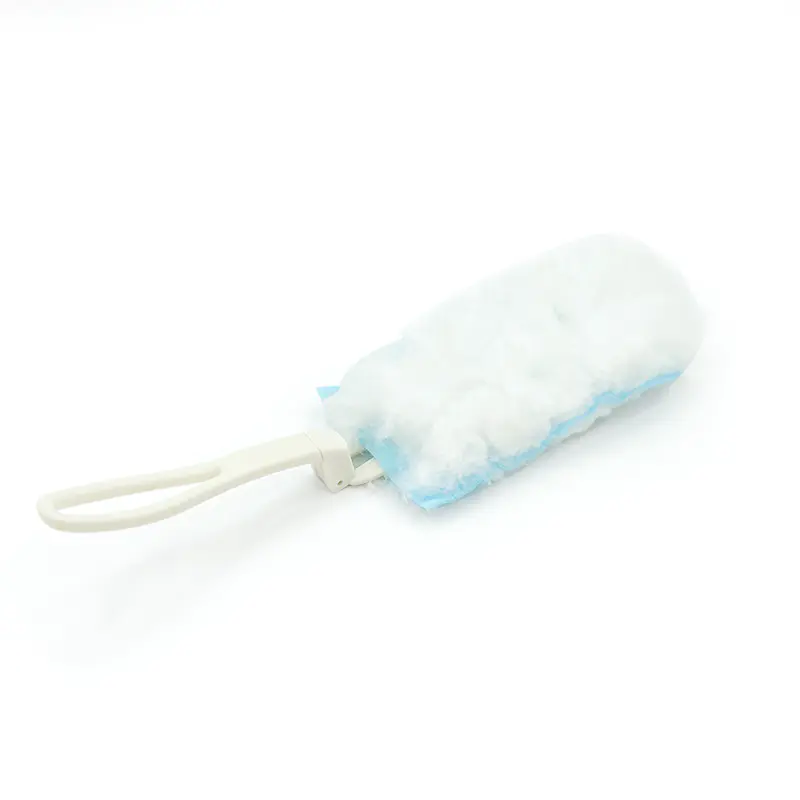
Soft Lint-Free Disposable Household Cleaning Wipe

Content
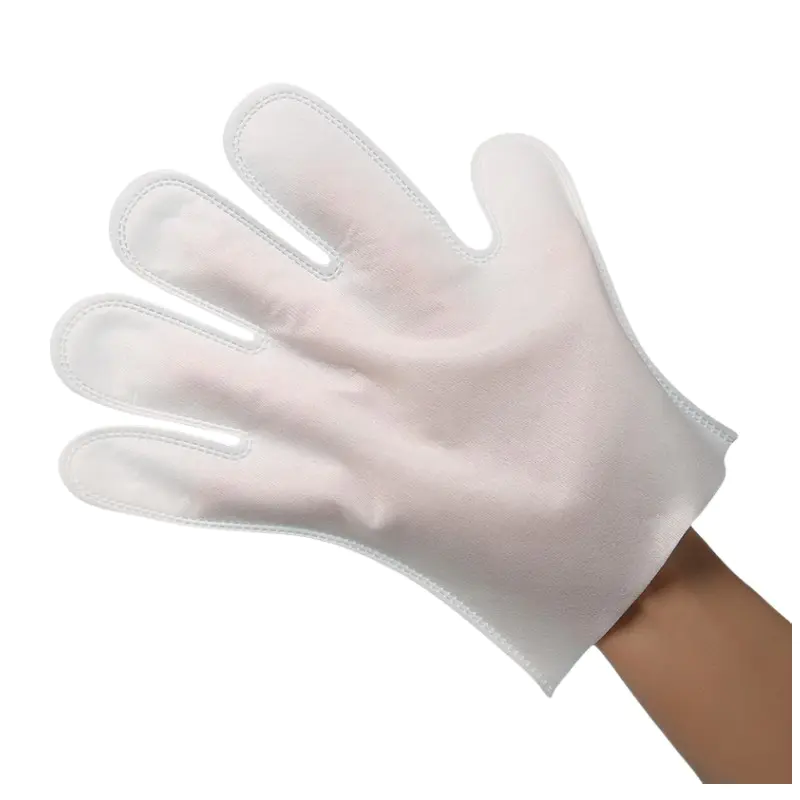
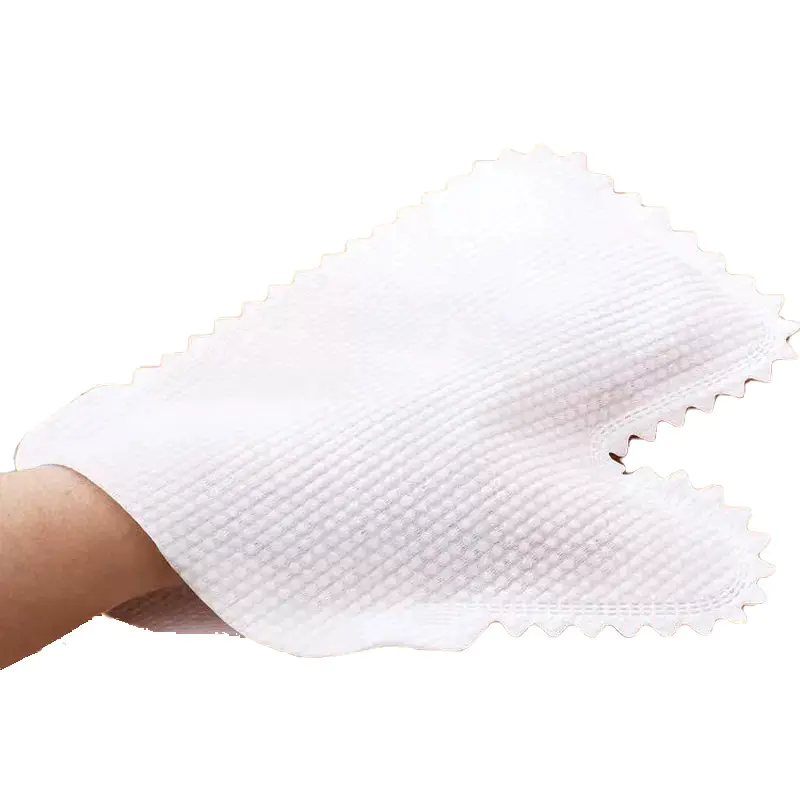
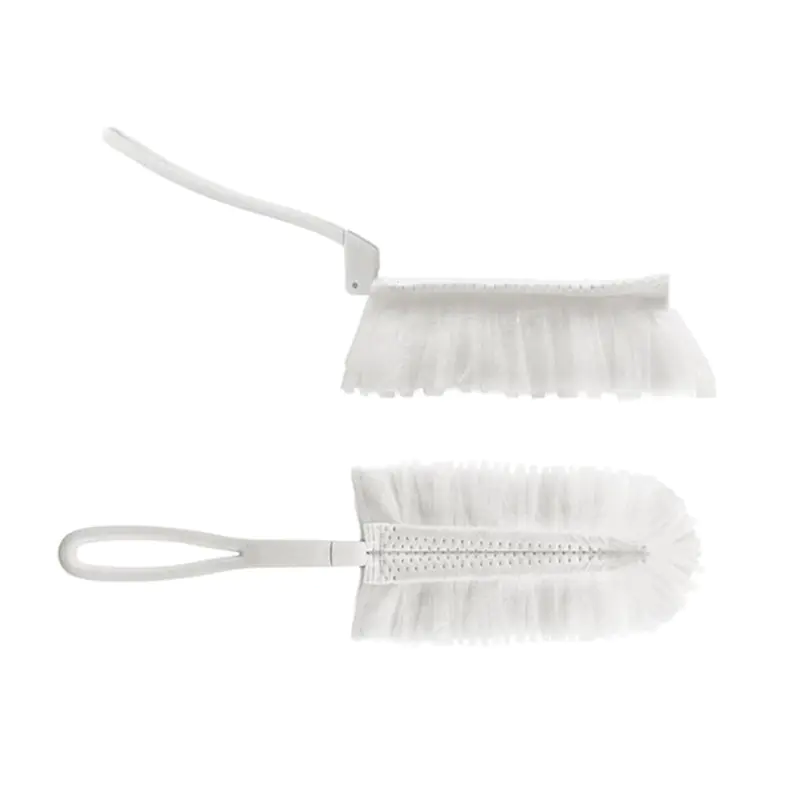
Fiber dusters have revolutionized household cleaning by shifting the paradigm from dust displacement to dust capture. Unlike traditional feather dusters or cotton rags that merely push particles into the air, high-quality fiber dusters utilize electrostatic attraction and microscopic surface area to trap allergens and debris. The core advantage is clear: fiber dusters can capture up to 90% more dust and pollen than conventional methods, significantly improving indoor air quality.
This article explores the mechanical properties of modern fiber dusters, compares synthetic and natural materials, and provides actionable advice on maximizing their lifespan. Understanding these elements ensures a more efficient cleaning routine and a healthier living environment.
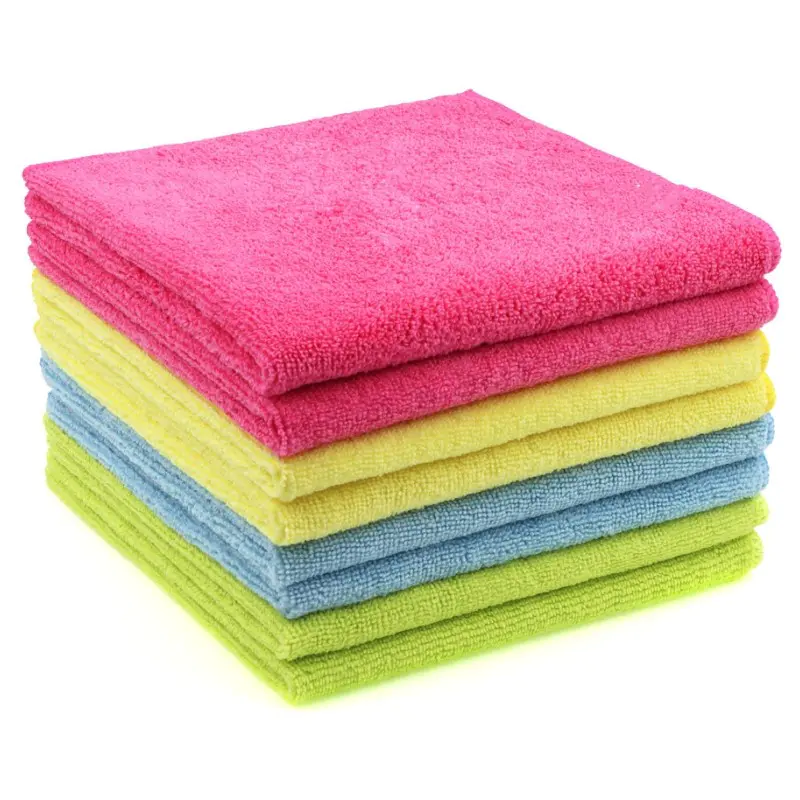
The efficacy of a fiber duster lies in its material science. Most high-performance dusters are made from microfiber, a synthetic blend of polyester and polyamide. These fibers are split during manufacturing to create strands as fine as 0.13 denier, which is 100 times finer than a human hair.
As microfiber strands rub against surfaces, they generate a static electric charge. This charge acts like a magnet, pulling positively charged dust particles, pet dander, and pollen into the negatively charged fibers. This mechanism allows fiber dusters to clean effectively without the need for chemical sprays, making them an eco-friendly choice for sensitive individuals.
The split-fiber structure creates a vast surface area capable of holding several times its weight in dust. Additionally, the polyamide component absorbs moisture and oils through capillary action, allowing the duster to pick up sticky residues that dry dusters would smear. This dual action of static attraction and absorption makes fiber dusters superior for both dry and damp dusting tasks.
| Material | Dust Capture Mechanism | Reusability | Best Use Case |
|---|---|---|---|
| Microfiber | Electrostatic & Absorption | High (Washable) | General surfaces, electronics |
| Feather | Mechanical Displacement | Medium | Delicate decor, lamps |
| Cotton | Friction & Absorption | High (Washable) | Heavy grime, wet cleaning |
To fully leverage the benefits of fiber dusters, proper technique is essential. Incorrect usage can reduce efficiency and potentially scratch sensitive surfaces. Adopting a systematic approach ensures thorough cleaning and prolongs the life of the duster.
Always start dusting from the highest point in the room, such as ceiling fans or top shelves, and work your way down to the floor. This gravity-assisted method ensures that any dislodged particles fall to lower surfaces, which are cleaned subsequently. Using an extendable handle fiber duster can reach heights up to 1.5 meters without the need for a ladder.
For everyday maintenance, use the fiber duster dry to maximize electrostatic attraction. For stubborn grime or kitchen grease, lightly mist the duster with water or a mild cleaning solution. Avoid soaking the duster, as excessive moisture can reduce static charge and leave streaks. A slightly damp duster can capture 30% more particulate matter than a dry one in high-grease environments.
A well-maintained fiber duster can last for hundreds of cleaning cycles. However, improper washing can clog the fibers with detergent residue or fabric softener, rendering the duster ineffective. Following specific care instructions preserves the electrostatic properties and absorbency of the material.
Wash fiber dusters separately from lint-producing fabrics like cotton towels. Use hot water (up to 60°C or 140°F) to kill bacteria and remove trapped oils. Crucially, avoid using fabric softeners or bleach, as these chemicals coat the fibers and neutralize the static charge that makes the duster effective. A small amount of mild liquid detergent is sufficient.
Air drying is the preferred method for fiber dusters, as high heat from dryers can melt or damage the delicate synthetic fibers. If machine drying is necessary, use a no-heat or low-heat setting. Store the duster in a clean, dry place, ideally hanging it to maintain its shape and prevent contamination from other cleaning tools.

JIAXING HONGJIE COMMODITY CO., LTD is located near Shanghai and Hangzhou in Jiaxing City, Zhejiang Province, China. We are trading& manufactory company. our factory and office are in Jiaxing city.

Factory Add: 3rd floor, BLDG 3, No.379 Ziyu Road, Daqiao Industrial Zone, Jiaxing, Zhejiang, China.

+86-573-82313085

+86-573-82091210

Copyright © JIAXING HONGJIE COMMODITY CO., LTD
The information provided on this website is intended for use only in countries and jurisdictions outside of the People's Republic of China.
Wholesale Nonwoven Wet Wipes Manufacturers
