 Search for...
 English
 Español
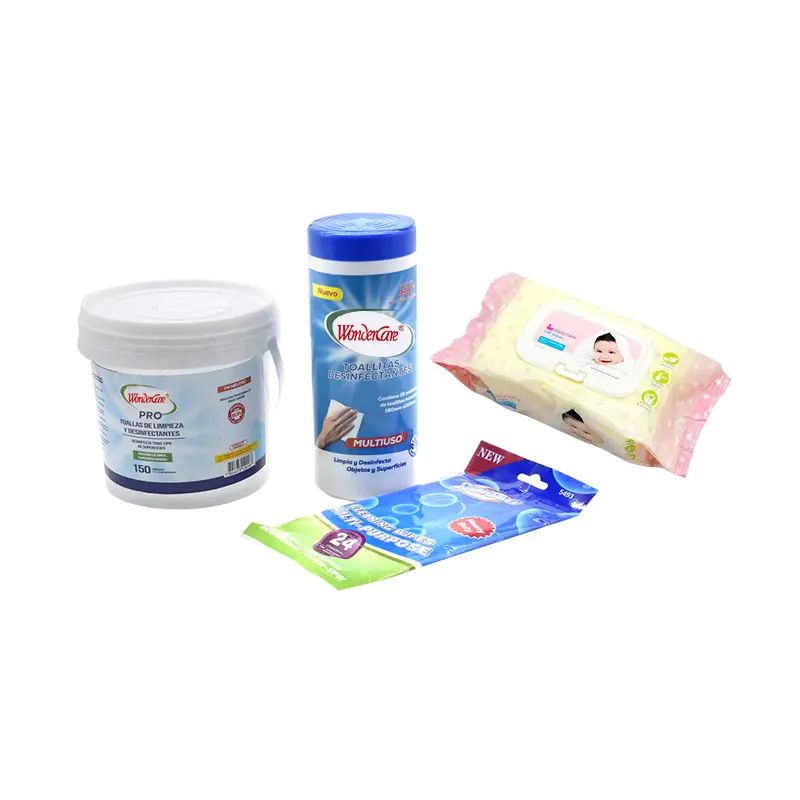
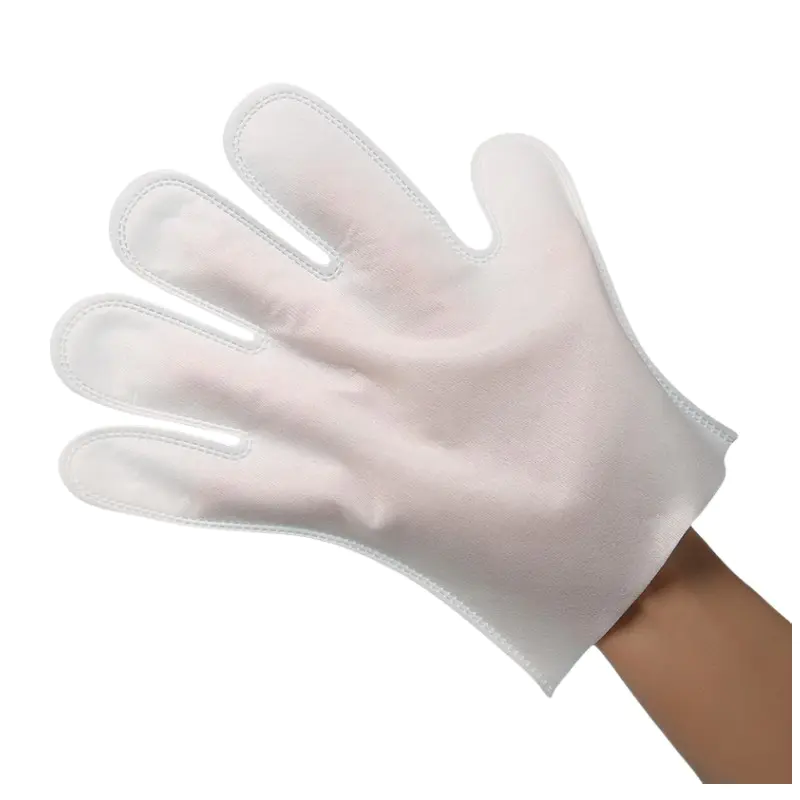
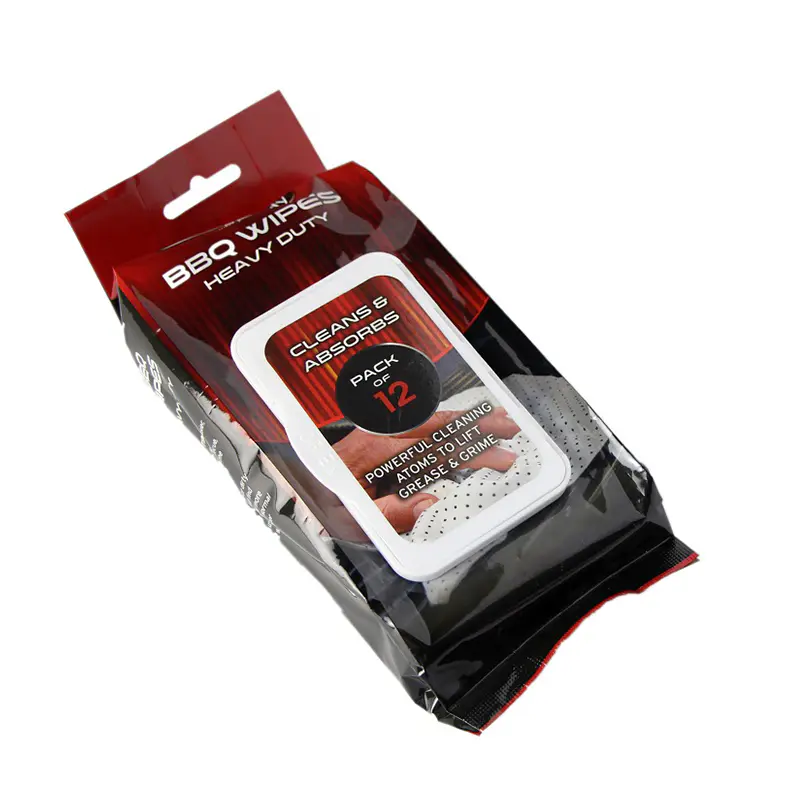
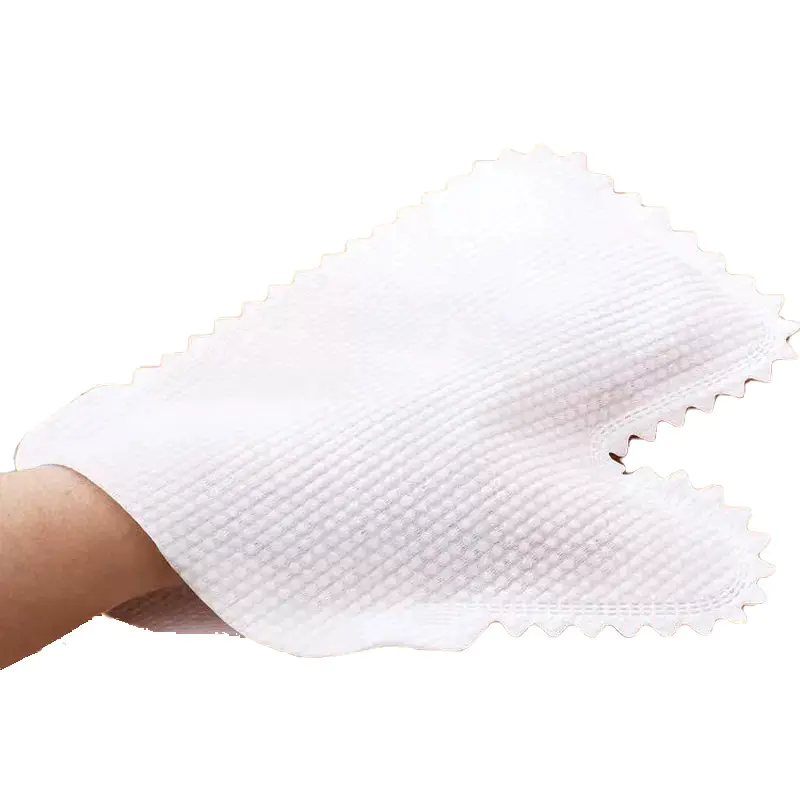
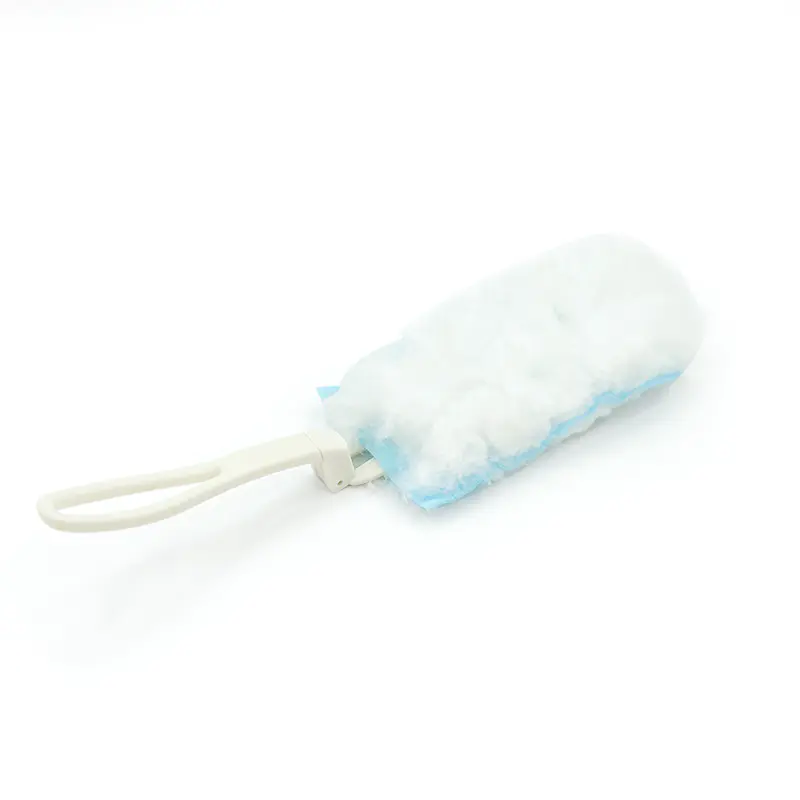
Soft Lint-Free Disposable Household Cleaning Wipe

Personal Wipes are a product widely used in daily cleaning, care and hygiene scenarios, and one of its core characteristics is "moisture retention". During transportation, storage and use, if the wet wipes dry or the liquid evaporates, it will seriously affect the user experience and product performance. Therefore, improving the anti-drying property by optimizing the sealing process is a key technical link in the design of wet wipes packaging.
The following are the key measures and implementation methods taken around this goal:
1. Select high barrier packaging materials
The material of wet wipes packaging directly affects its sealing and moisture resistance:
Multilayer composite film: Common structures such as PE/AL/PP, PET/AL/PE, etc., in which the aluminum foil layer can effectively block water vapor penetration;
Aluminum-coated film (VMPET): Compared with pure plastic film, it has higher water vapor barrier performance and relatively low cost;
Biodegradable materials: With the development of environmental protection trends, some brands use degradable materials such as PLA and PBAT, but they need to add barrier layers (such as EVOH) to improve anti-drying ability.
The selection of materials should comprehensively consider air permeability, flexibility, heat sealing performance and environmental protection requirements to ensure that the wipes remain moist during the shelf life.
2. Optimize heat sealing temperature and pressure parameters
The quality of the seal directly determines whether the package can maintain internal humidity for a long time:
Precisely control the heat sealing temperature:
If the temperature is too low, the seal will be loose and easy to break during transportation;
If the temperature is too high, the film may melt through, causing the seal to fail;
Different materials have different optimal heat sealing temperature ranges, which need to be adjusted according to the film material.
Adjust the heat sealing pressure and time:
Insufficient pressure will cause the seal to be loose and easy to leak;
If the time is too short, a strong bond cannot be formed;
The optimal combination is determined by experiment, which can significantly improve the sealing strength and sealing.
3. Improve the sealing structure design
Traditional straight-edge sealing may have the risk of edge leakage, so the following structural optimization scheme can be adopted:
Double-channel sealing line design:
Add an auxiliary sealing line above the main sealing line to increase the sealing redundancy;
Even if the main seal is slightly damaged, it can prevent the contents from losing water quickly.
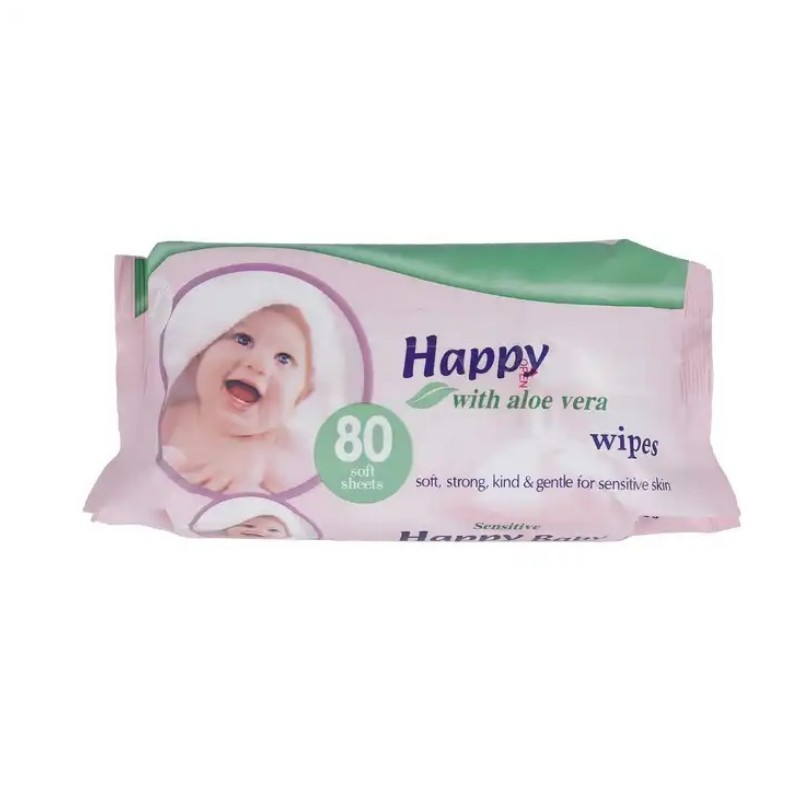
Wave-shaped or zigzag seal:
Increase the sealing area and enhance the sealing effect;
At the same time, it is also easy for users to tear it open, taking into account both functionality and experience.
Zipper sealing structure:
Suitable for wet wipes packaging that is opened and used multiple times;
The zipper design can effectively repeat closure to reduce water loss after each opening.
IV. Introducing a humidity control system
In addition to physical sealing, the wet cycle of wet wipes can also be extended by regulating the internal environment:
Built-in humidity regulation bag:
Add moisture-absorbing or water-retaining ingredients (such as silica gel bags, glycerin microcapsules) to form a microenvironment in the package;
It can buffer the impact of external temperature and humidity changes on wet wipes to a certain extent.
Control the initial liquid content and pH value:
Reasonably adjust the formula of the wet wipes solution to make it less volatile;
Adding an appropriate amount of moisturizer (such as glycerin, propylene glycol) can enhance the moisture-locking ability of the wet wipes themselves.
5. Strengthen packaging integrity testing
To ensure that the sealing quality of each batch of products meets the standards, companies should add strict testing procedures during the production process:
Vacuum test method: Place the finished product in a vacuum environment to observe whether there are bubbles and determine whether there are micropores or poor sealing;
Color water penetration test: Immerse the sealing part in a colored liquid to check for leakage;
Heat seal strength tester: Measure the peel strength of the seal and evaluate the fastness of the seal;
Accelerated aging test: Simulate high temperature and high humidity or low temperature drying environment to verify the anti-drying ability of the packaging under extreme conditions.
These testing methods help to discover potential defects and adjust process parameters in time.
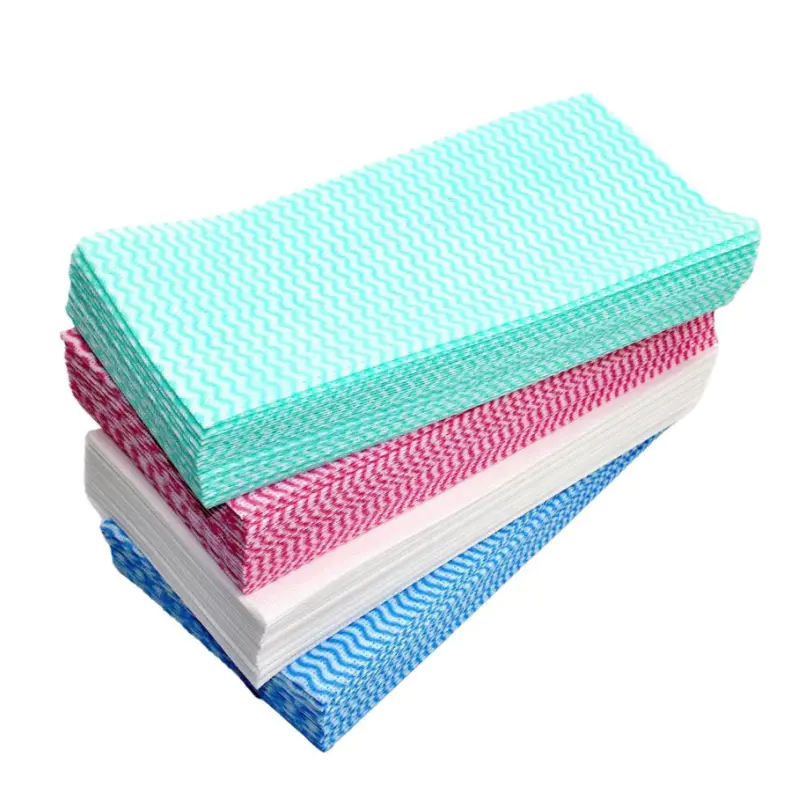
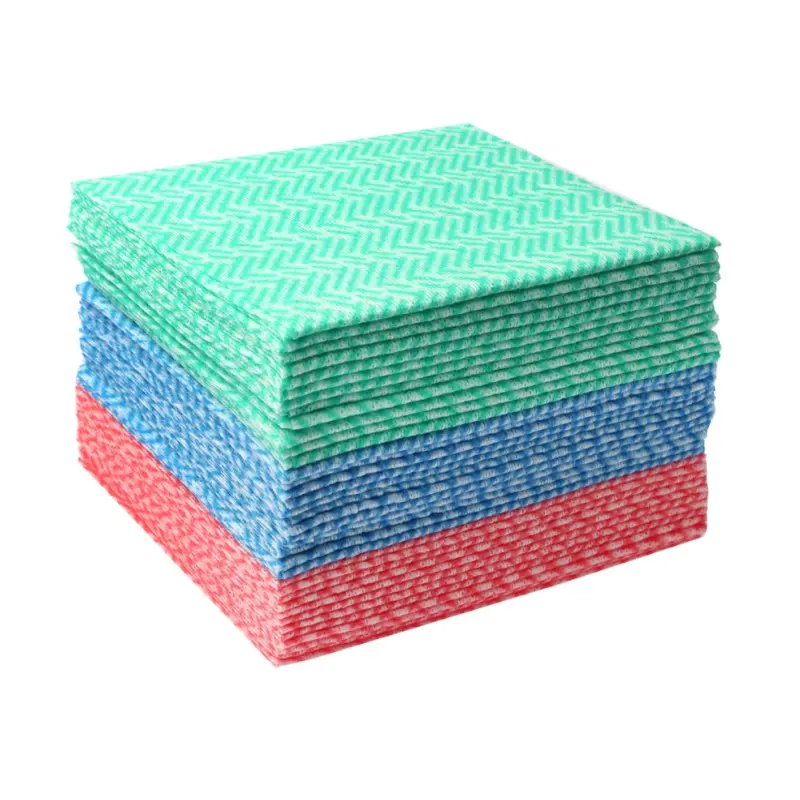
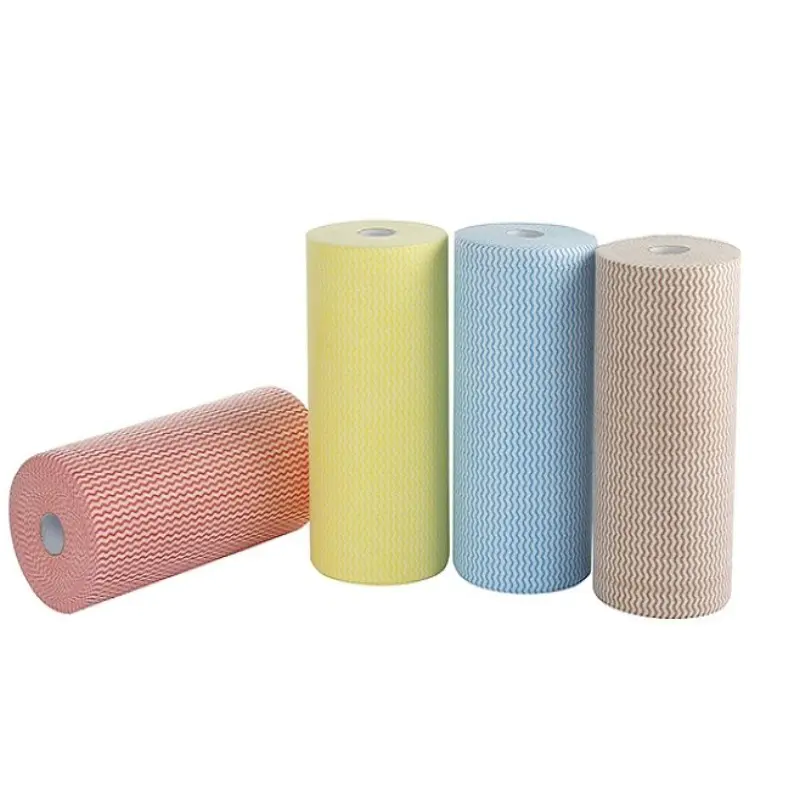

JIAXING HONGJIE COMMODITY CO., LTD is located near Shanghai and Hangzhou in Jiaxing City, Zhejiang Province, China. We are trading& manufactory company. our factory and office are in Jiaxing city.

Factory Add: 3rd floor, BLDG 3, No.379 Ziyu Road, Daqiao Industrial Zone, Jiaxing, Zhejiang, China.

+86-573-82313085

+86-573-82091210

Copyright © JIAXING HONGJIE COMMODITY CO., LTD
The information provided on this website is intended for use only in countries and jurisdictions outside of the People's Republic of China.
Wholesale Nonwoven Wet Wipes Manufacturers
