 Search for...
 English
 Español
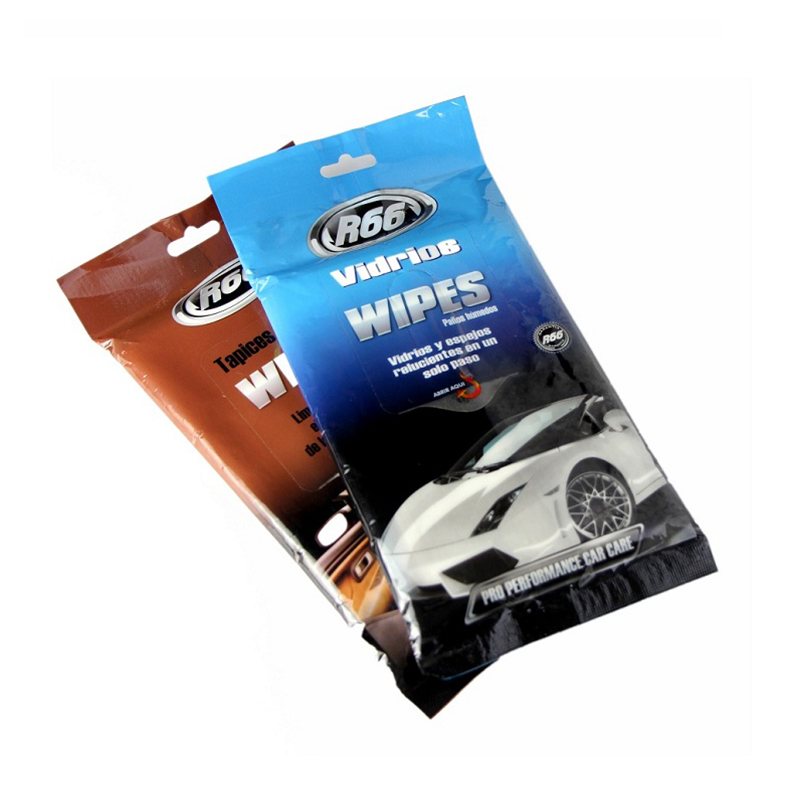
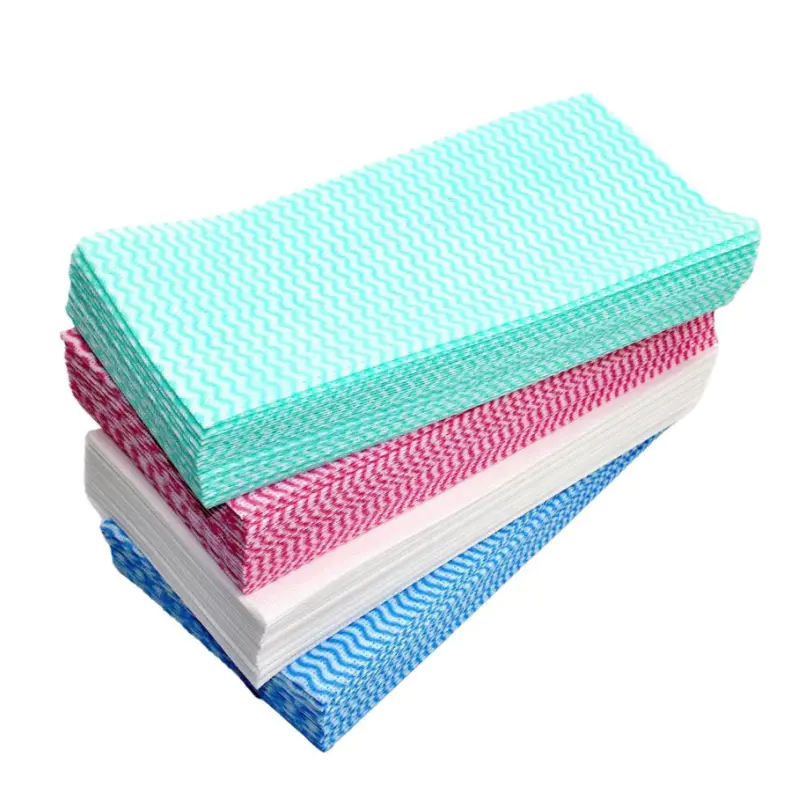
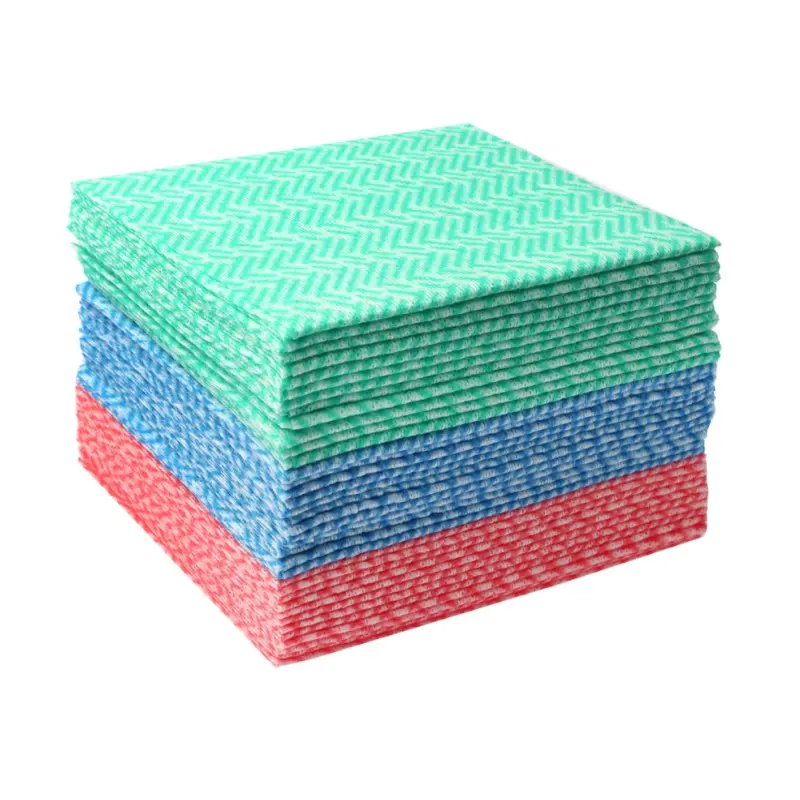
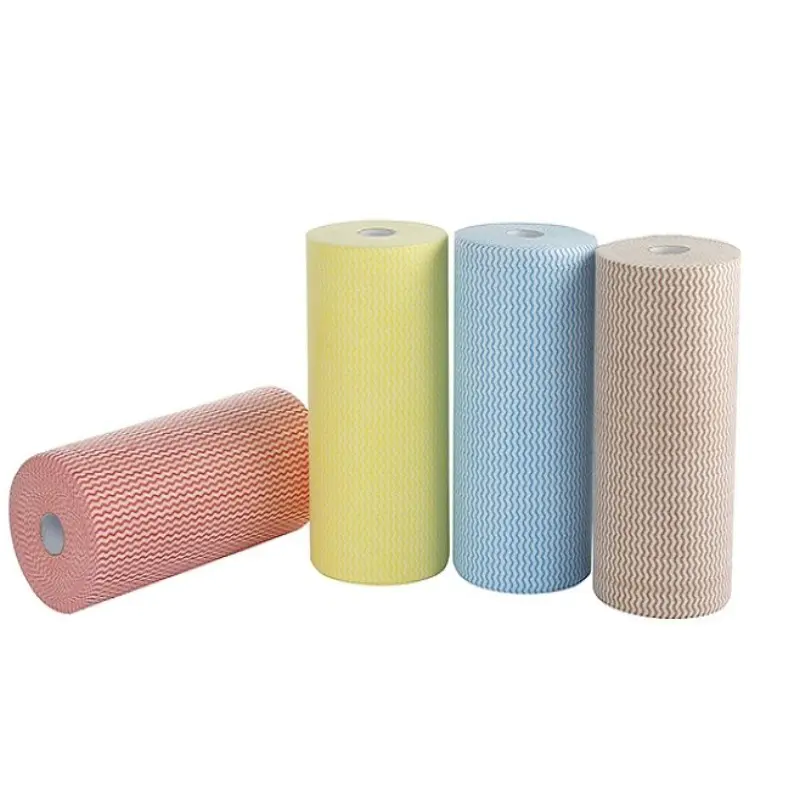
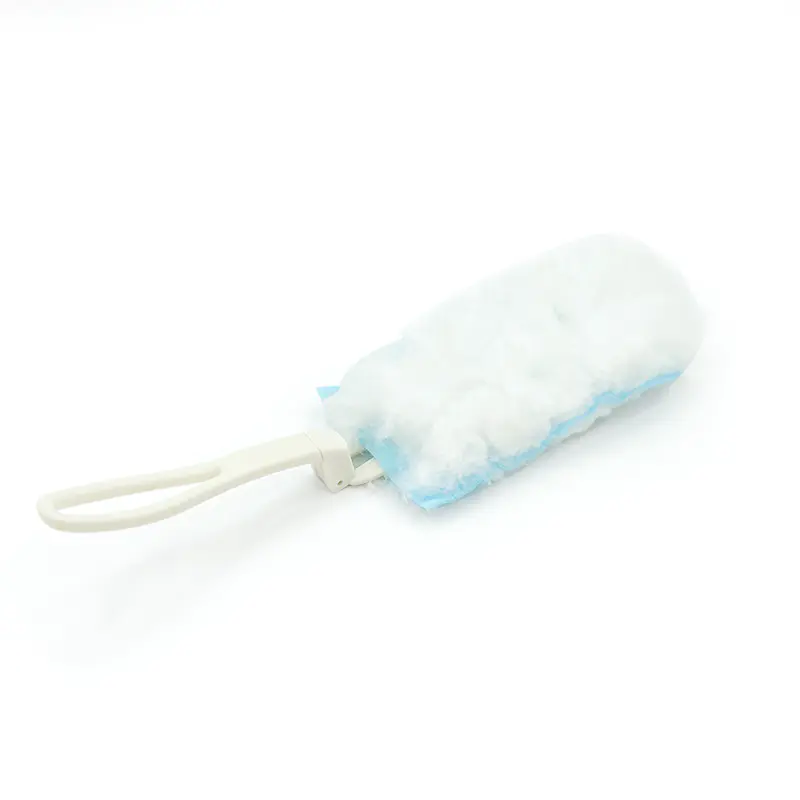
Soft Lint-Free Disposable Household Cleaning Wipe

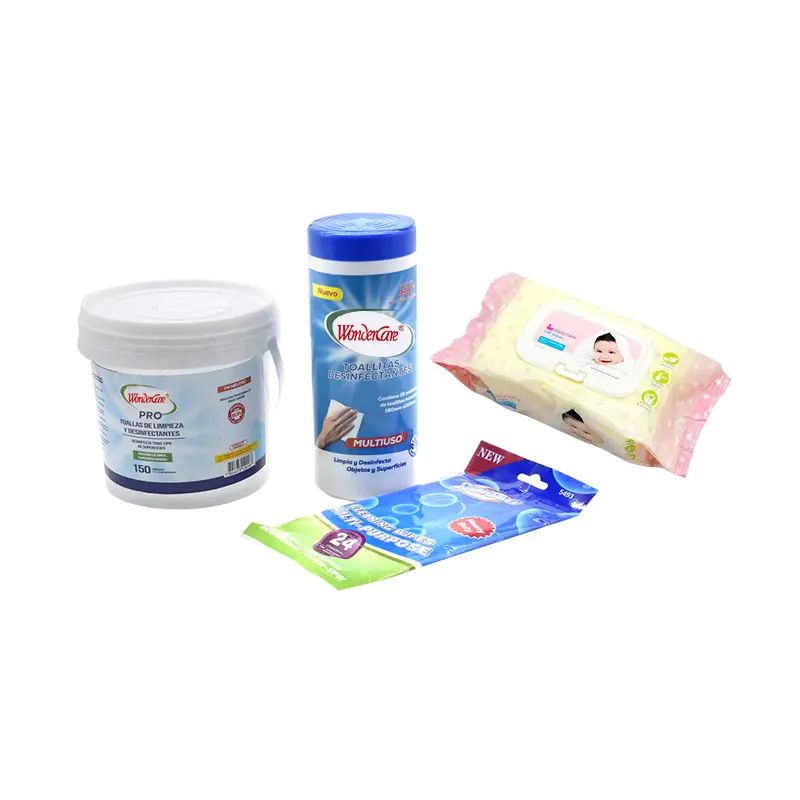
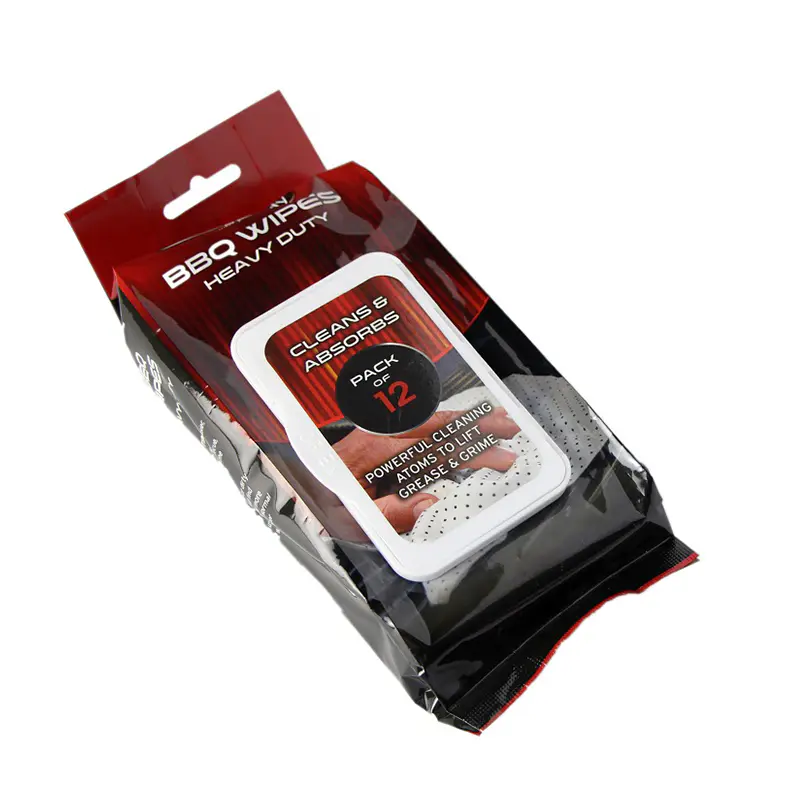
The most critical takeaway for consumers in 2026 is that no wet wipe should ever be flushed down the toilet, regardless of packaging claims. While convenient for hygiene and cleaning, traditional wet wipes contribute significantly to global "fatberg" formation in sewage systems and microplastic pollution in oceans. For personal use, switching to plastic-free, biodegradable options or reusable cloth alternatives reduces environmental impact by up to 90% per household annually.
Content
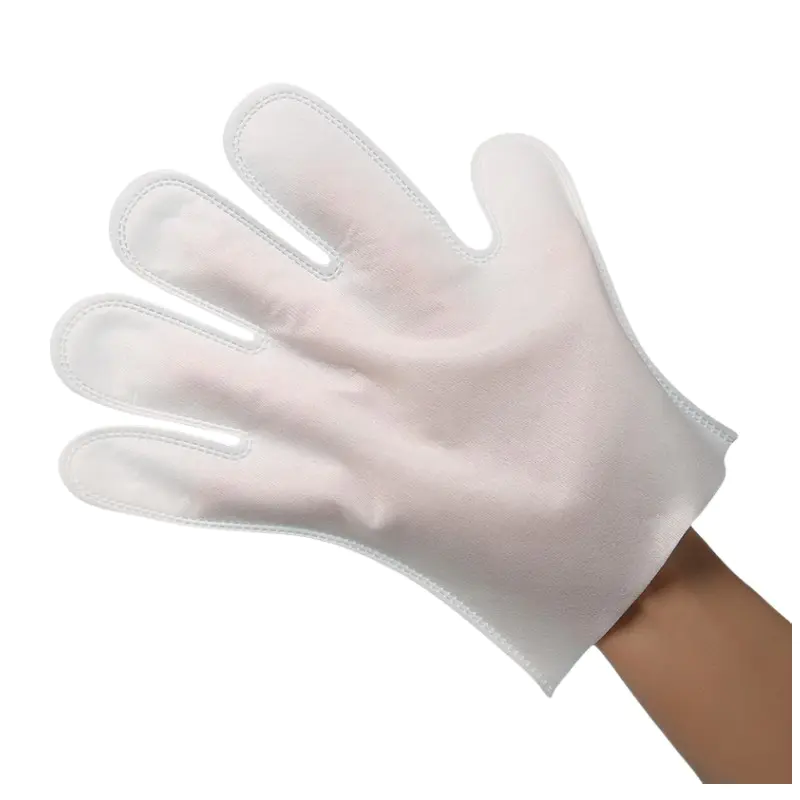
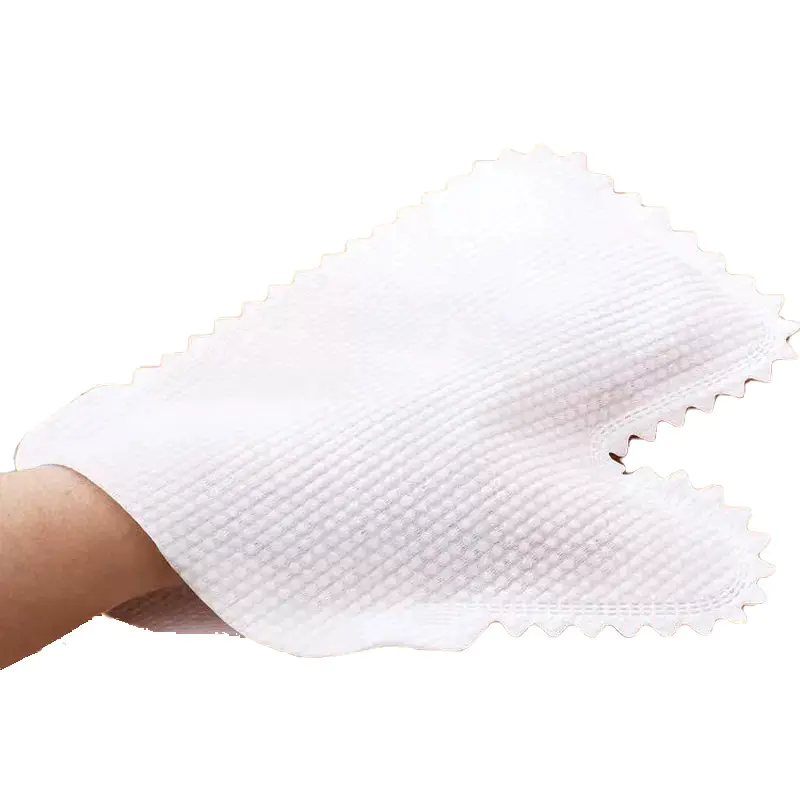
Despite prominent labeling such as "flushable" or "septic-safe," the majority of wet wipes do not disintegrate like toilet paper. Toilet paper is designed to break apart within seconds of agitation in water. In contrast, wet wipes are constructed from non-woven fabrics, often reinforced with synthetic fibers like polyester or polypropylene, which maintain their structural integrity for months or even years.
Water utility companies globally report that wet wipes constitute a major component of blockages in sewer networks. These blockages, known as fatbergs, form when wipes combine with congealed fats, oils, and greases. Removing these blockages costs municipalities billions of dollars annually, a cost ultimately passed down to taxpayers.
The term "flushable" typically refers only to the ability of the wipe to pass through the toilet bowl without immediate clogging. It does not guarantee that the wipe will break down in the slower-moving, cooler waters of the municipal sewer system or septic tanks. Recent regulatory updates in several regions have begun to ban the use of the word "flushable" on wipes containing plastic fibers, but consumer confusion remains high.
Beyond sewage issues, wet wipes are a significant source of single-use plastic waste. Even wipes marketed as "natural" often contain a blend of viscose and plastic fibers. When these wipes end up in landfills or the natural environment, they degrade slowly, releasing microplastics into the soil and waterways.
Marine life frequently mistakes floating wipes for food. Ingestion of these plastics can lead to starvation, internal injury, and death in seabirds, turtles, and fish. Furthermore, as the wipes break down physically, they shed microfibers that enter the food chain, potentially impacting human health through seafood consumption.
| Wipe Type | Plastic Content | Biodegradability | Primary Disposal Method |
|---|---|---|---|
| Traditional Synthetic | High (Polyester/PP) | Non-biodegradable | Landfill (Never Flush) |
| Plant-Based Blend | Low to Moderate | Partial (Industrial Compost) | Trash or Compost |
| 100% Cellulose/Cotton | None | High (Home Compost) | Compost or Trash |
For baby wipes and facial cleansers, ingredient transparency is paramount. Many conventional wet wipes contain preservatives necessary to prevent bacterial and fungal growth in the moist environment of the package. However, some of these chemicals have been linked to skin irritation and allergic contact dermatitis.
Consumers with sensitive skin, eczema, or rosacea should scrutinize labels for specific compounds. Methylisothiazolinone (MIT) and Methylchloroisothiazolinone (CMIT) are preservatives that have caused a surge in allergic reactions in the last decade. Additionally, fragrances, whether synthetic or natural essential oils, are among the top allergens in skincare products.
Dermatologists recommend using water-based wipes with minimal ingredients for infants. For adults, micellar water on reusable cotton pads is often a superior alternative for facial cleansing, offering better hydration and less friction.
Transitioning away from single-use wet wipes does not mean sacrificing convenience. Several effective alternatives exist that reduce waste and long-term costs. The best choice depends on the specific use case, whether for babies, household cleaning, or personal hygiene.
Reusable bamboo or cotton rounds are ideal for face cleaning and makeup removal. For baby care, washable cloth wipes made from soft flannel or terry cloth can be used with plain water or a mild DIY solution. These can be washed with regular laundry, eliminating daily waste entirely.
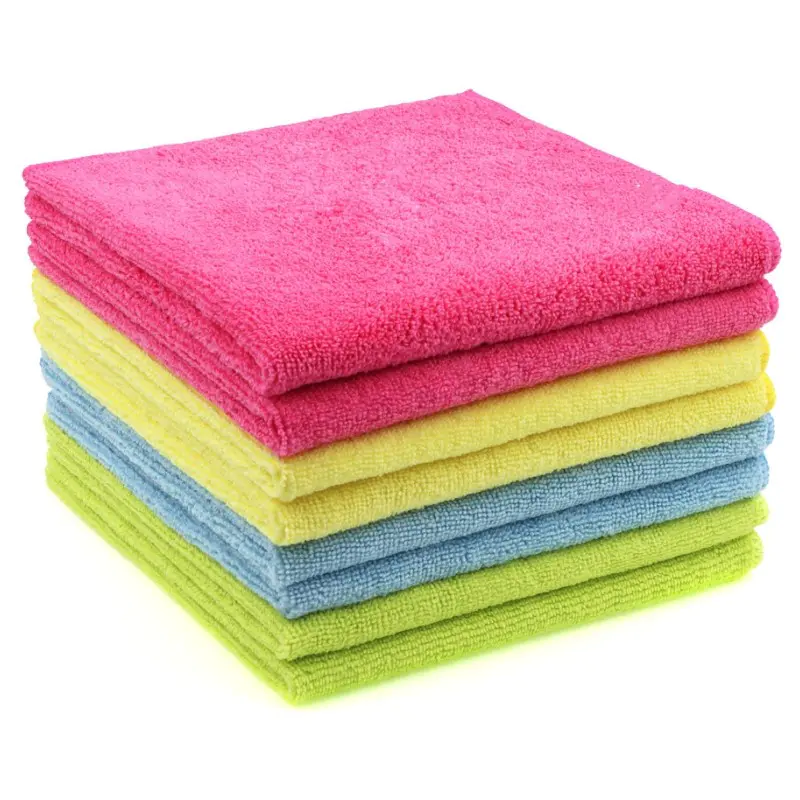
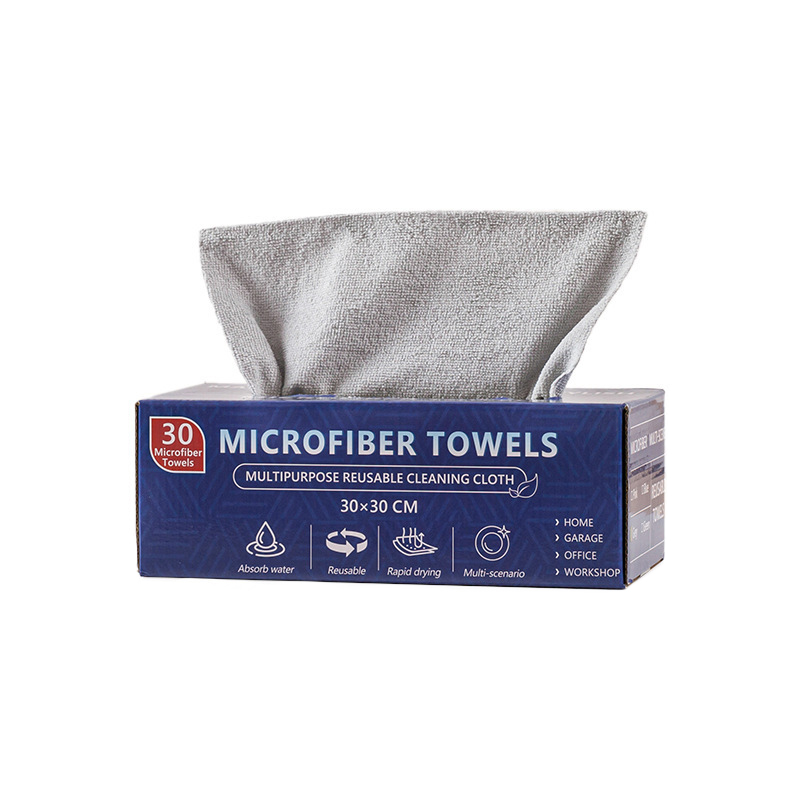
Instead of buying disposable disinfectant wipes, households can use microfiber cloths paired with a standard household cleaner. Microfiber traps dust and bacteria effectively without the need for heavy chemical saturation. For those who prefer pre-moistened convenience, reusable containers with roll-out paper towels or cloth squares soaked in a homemade vinegar-water solution offer a middle ground.

JIAXING HONGJIE COMMODITY CO., LTD is located near Shanghai and Hangzhou in Jiaxing City, Zhejiang Province, China. We are trading& manufactory company. our factory and office are in Jiaxing city.

Factory Add: 3rd floor, BLDG 3, No.379 Ziyu Road, Daqiao Industrial Zone, Jiaxing, Zhejiang, China.

+86-573-82313085

+86-573-82091210

Copyright © JIAXING HONGJIE COMMODITY CO., LTD
The information provided on this website is intended for use only in countries and jurisdictions outside of the People's Republic of China.
Wholesale Nonwoven Wet Wipes Manufacturers
