 Search for...
 English
 Español
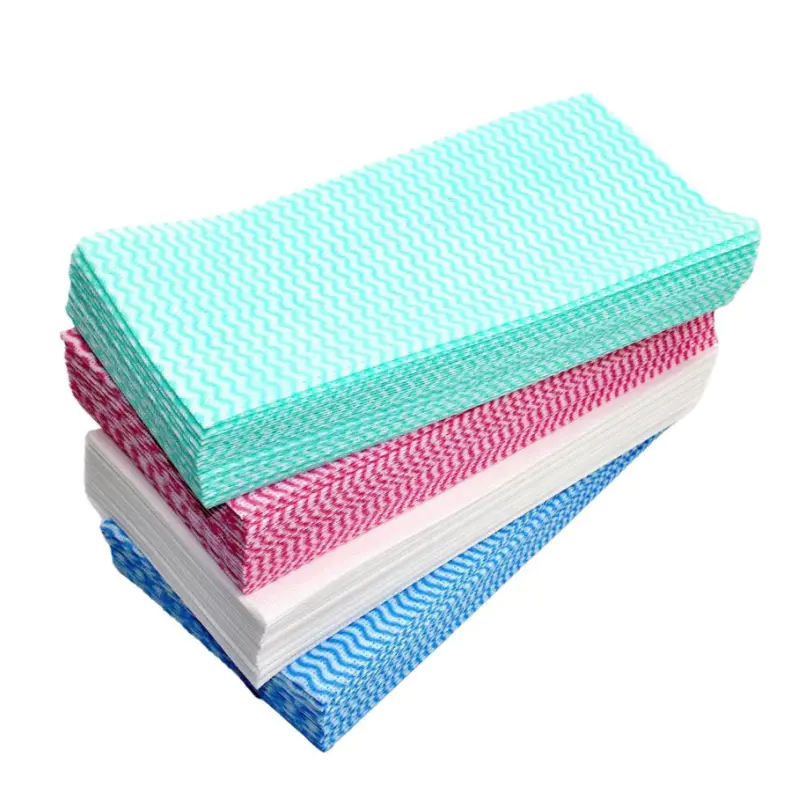
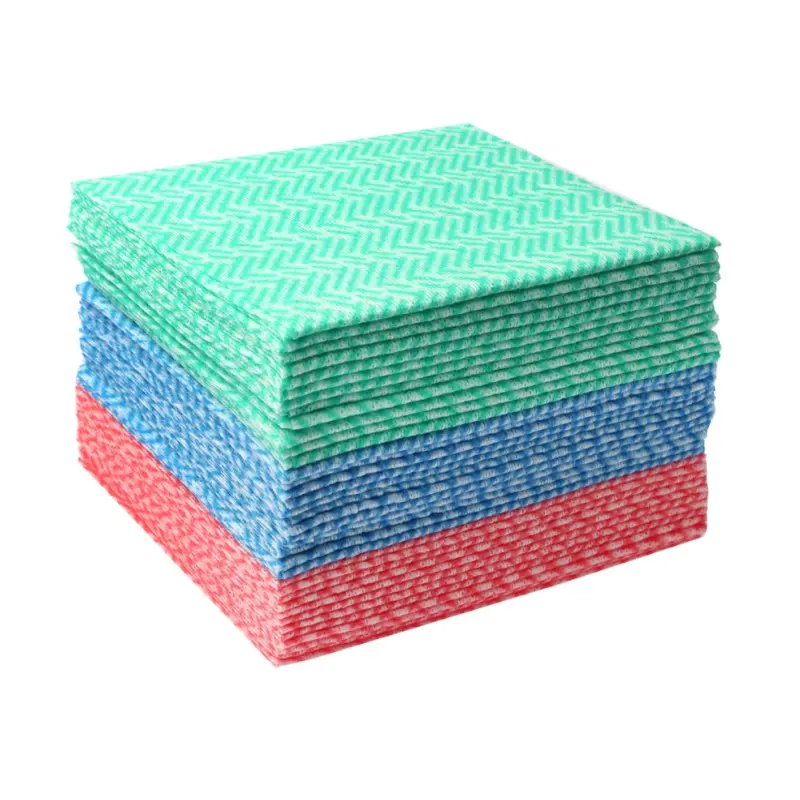
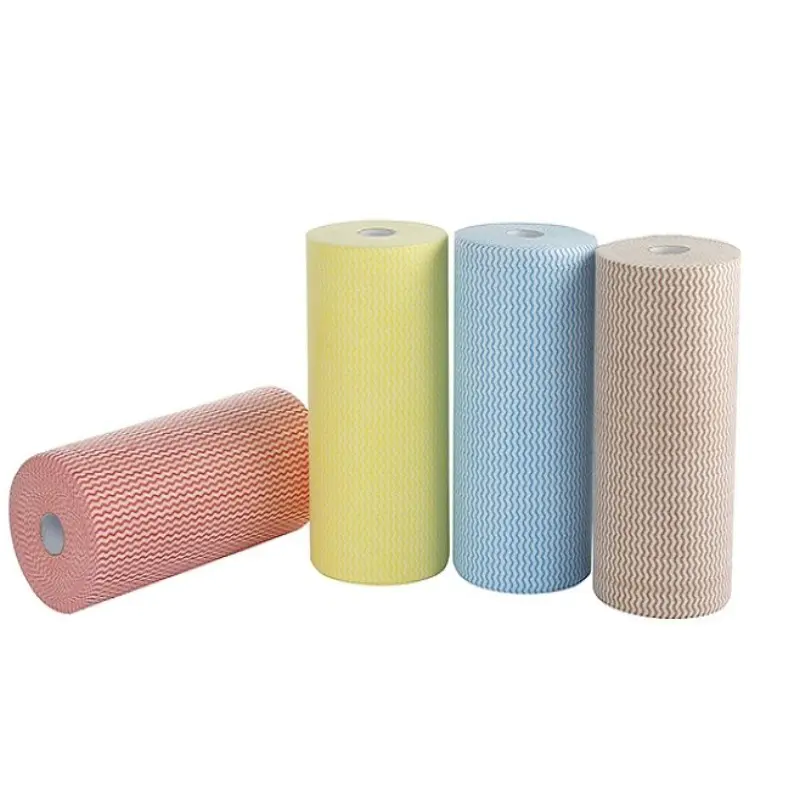
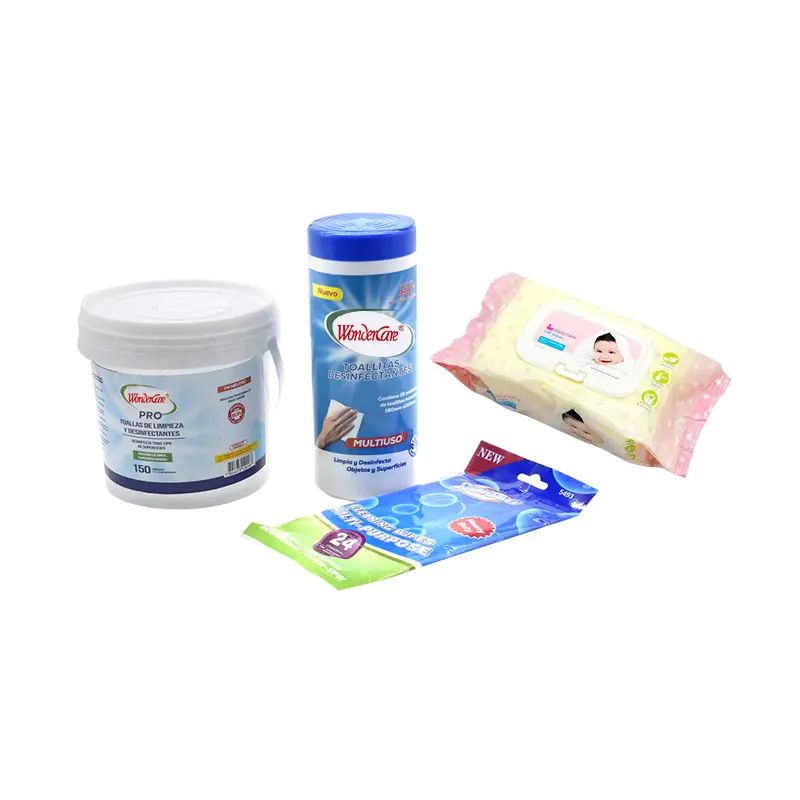
Soft Lint-Free Disposable Household Cleaning Wipe

Content
Wet wipes have evolved from a niche baby care product into a ubiquitous hygiene solution used in households, healthcare facilities, and industrial settings. Their convenience lies in the pre-moistened, ready-to-use format that combines cleaning agents with a disposable substrate. The global wet wipes market is projected to reach $25 billion by 2027, driven by increasing health awareness and demand for convenient sanitation methods.
While often perceived as simple, wet wipes are sophisticated products engineered for specific tasks. Whether removing makeup, disinfecting surfaces, or caring for sensitive skin, the effectiveness of a wet wipe depends on the synergy between its fabric material and chemical formulation. Understanding these components helps consumers choose the right product for their needs while minimizing environmental impact.
Designed for delicate skin, baby wipes are typically alcohol-free and pH-balanced. They often contain soothing ingredients like aloe vera and chamomile. Hypoallergenic formulations reduce the risk of irritation, making them suitable for daily use on infants and adults with sensitive skin. These wipes prioritize gentle cleansing over heavy-duty sanitization.
These wipes contain active antimicrobial agents such as quaternary ammonium compounds, alcohol, or hydrogen peroxide. They are essential for killing bacteria and viruses on hard surfaces. To be effective, disinfecting wipes must remain wet on the surface for a specific dwell time, typically 2-10 minutes, depending on the pathogen and product guidelines.
Facial wipes are formulated with micellar water, oils, or surfactants to dissolve cosmetics and impurities. They offer a quick cleansing option but should not replace traditional washing, as they may leave residue. Look for non-comedogenic labels to prevent pore clogging, especially for acne-prone skin.
| Type | Primary Use | Key Ingredients | Flushable? |
|---|---|---|---|
| Baby Wipes | Skin Cleaning | Water, Aloe, Glycerin | No |
| Disinfecting | Surface Sanitizing | Alcohol, Quats | No |
| Facial Wipes | Makeup Removal | Micellar Water, Oils | No |
| "Flushable" | Personal Hygiene | Cellulose Fibers | Yes (With Caution) |
The fabric of a wet wipe determines its strength and texture. Most conventional wipes use non-woven polypropylene or polyester, which are durable but non-biodegradable. Emerging eco-friendly alternatives use viscose, bamboo, or cotton blends that are biodegradable under industrial composting conditions. The choice of material impacts both performance and environmental footprint.
Beyond water, wet wipes contain preservatives to prevent microbial growth, surfactants for cleaning, and emollients for skin feel. Parabens and phenoxyethanol are common preservatives, though some brands now offer paraben-free options due to consumer preference. Fragrances are added for scent but can cause allergic reactions in sensitive individuals, making fragrance-free variants a safer choice for many users.
Despite marketing claims, most wet wipes do not break down quickly in water like toilet paper. Even those labeled "flushable" can contribute to sewer blockages and fatbergs when combined with grease and other debris. Water utilities report that wipes constitute up to 90% of material found in sewer blockages. The safest disposal method for all wet wipes is in the trash, not the toilet.
Biodegradable wipes require specific conditions to decompose, often needing industrial composting facilities rather than home compost bins. Consumers should look for certifications like TÜV OK Biobased or Seedling Logo to verify claims. However, even biodegradable wipes should not be flushed, as they may not disintegrate fast enough in sewage systems.
Before using a new brand of wet wipes, especially on children or sensitive areas, perform a patch test. Apply a small amount of the wipe’s liquid to the inner arm and wait 24 hours to check for redness or irritation. This simple step can prevent widespread allergic reactions.
To prevent wet wipes from drying out, always reseal the package tightly after use. Store them in a cool, dry place away from direct sunlight, which can degrade active ingredients and plastics. If a pack dries out, it can sometimes be rehydrated with distilled water, though this may dilute cleaning efficacy.

JIAXING HONGJIE COMMODITY CO., LTD is located near Shanghai and Hangzhou in Jiaxing City, Zhejiang Province, China. We are trading& manufactory company. our factory and office are in Jiaxing city.

Factory Add: 3rd floor, BLDG 3, No.379 Ziyu Road, Daqiao Industrial Zone, Jiaxing, Zhejiang, China.

+86-573-82313085

+86-573-82091210

Copyright © JIAXING HONGJIE COMMODITY CO., LTD
The information provided on this website is intended for use only in countries and jurisdictions outside of the People's Republic of China.
Wholesale Nonwoven Wet Wipes Manufacturers
