 Search for...
 English
 Español
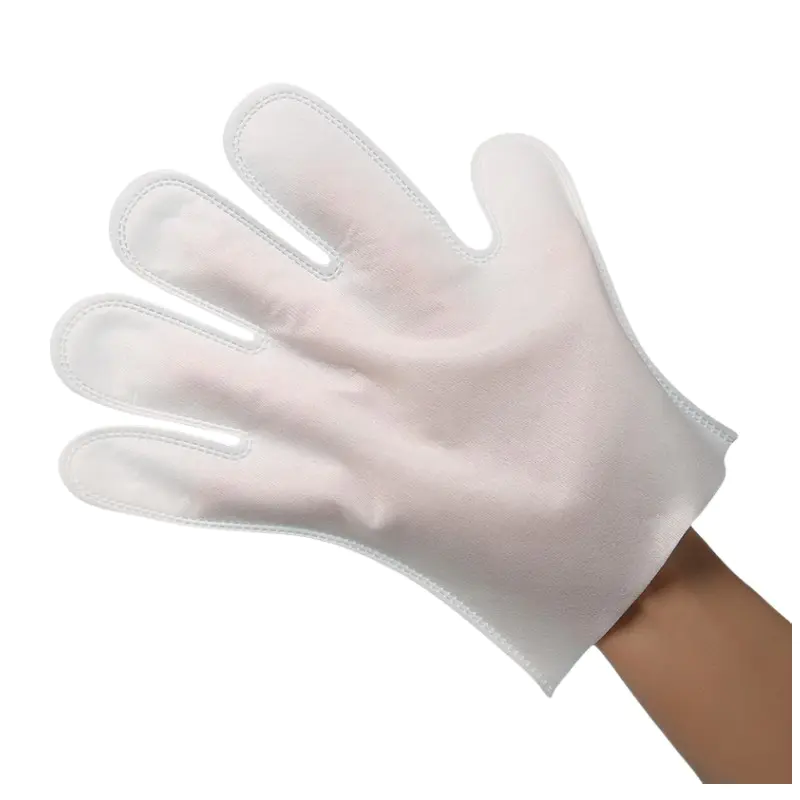
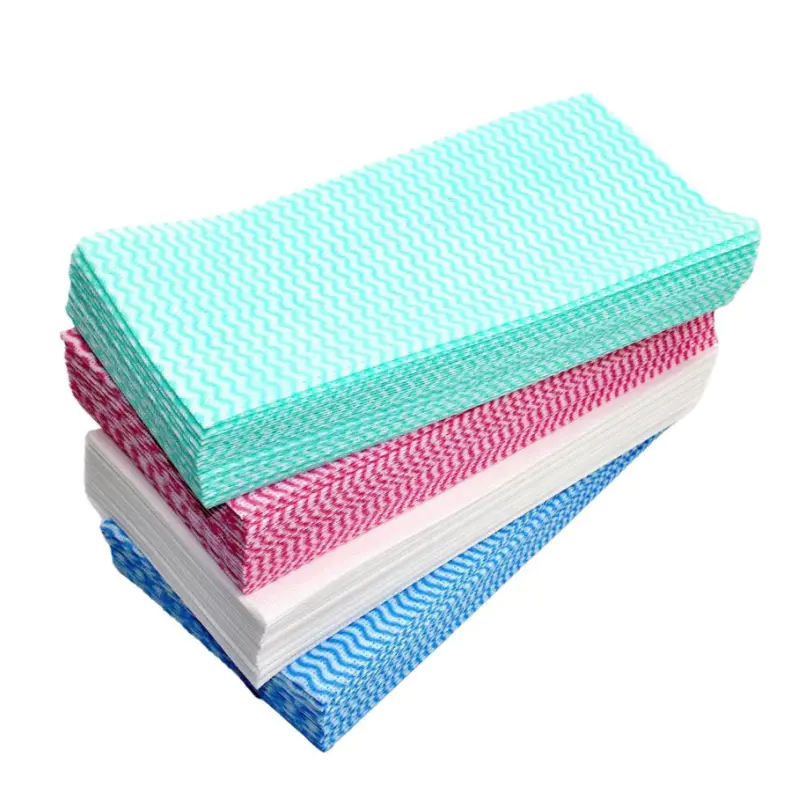
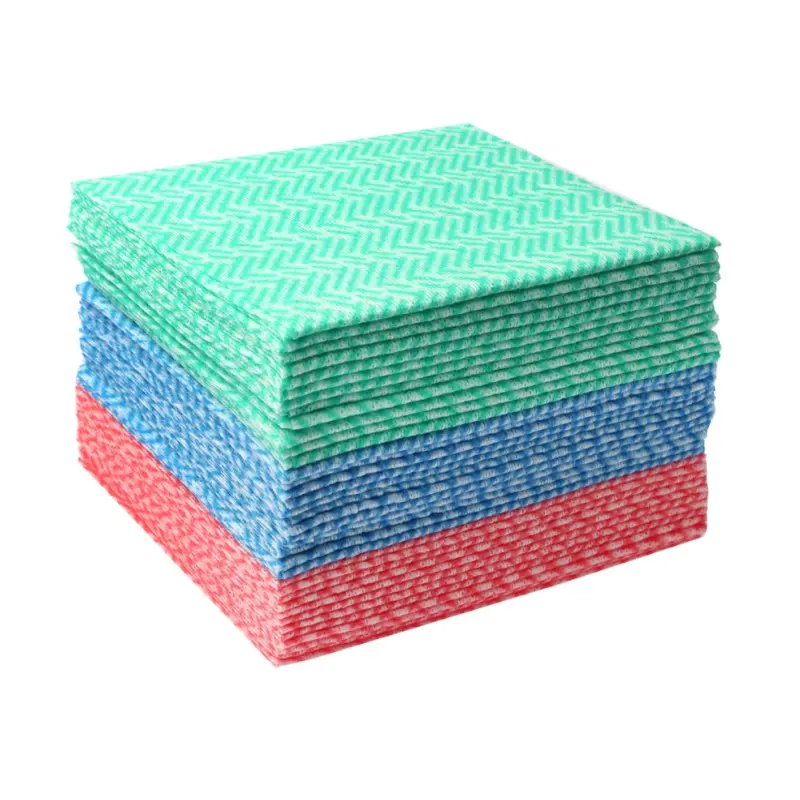
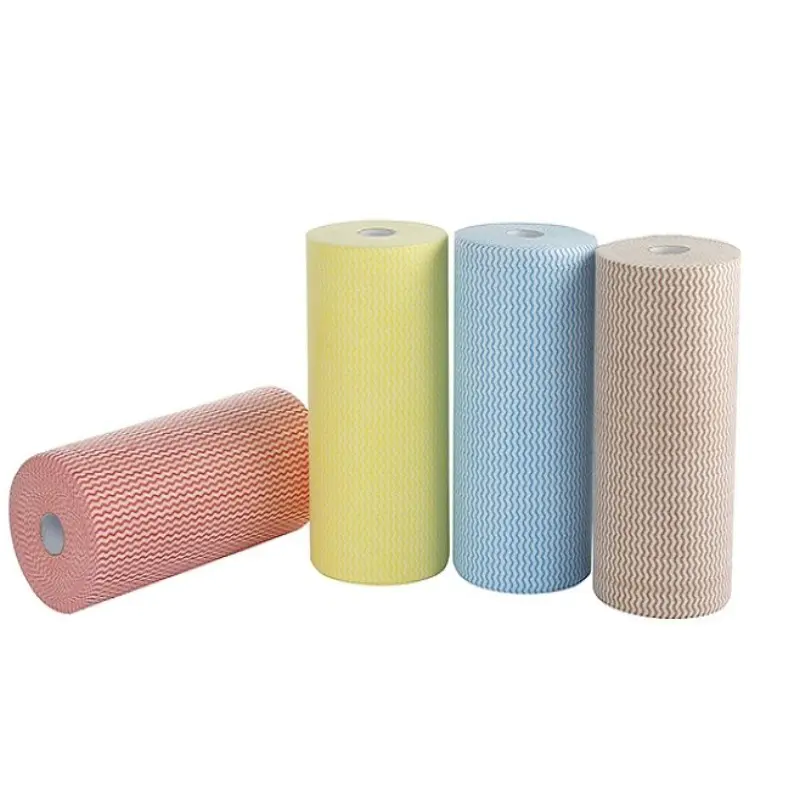
Soft Lint-Free Disposable Household Cleaning Wipe

Content
The most effective disposable gloves for food handling are powder-free nitrile gloves that meet FDA Title 21 CFR regulations for indirect food contact. Nitrile offers superior puncture resistance compared to vinyl or latex, reducing the risk of cross-contamination by up to 30% in high-volume commercial kitchens. For establishments prioritizing allergen safety, nitrile is also the optimal choice as it eliminates the risk of latex protein allergies among staff and customers.
Selecting the correct glove involves more than just material preference; it requires matching the glove's thickness and texture to specific culinary tasks. A glove that is too thin may tear during bone-in meat preparation, while one that is too thick can reduce tactile sensitivity needed for delicate plating. Understanding these nuances ensures both regulatory compliance and operational efficiency.
Different materials offer distinct advantages depending on the type of food being handled and the duration of wear. The following breakdown highlights the performance characteristics of the three primary materials used in food service.
| Material | Puncture Resistance | Allergen Risk | Best Use Case |
|---|---|---|---|
| Nitrile | High | None | Meat prep, Hot foods, Oils |
| Vinyl | Low | None | Short-term, Cold prep, Bakery |
| Latex | Medium-High | High | General purpose (if no allergies) |
While vinyl gloves are cost-effective for quick tasks like assembling sandwiches, they lack the chemical resistance needed for handling acidic ingredients or hot oils. Nitrile, although slightly more expensive, provides a 3-5 times longer wear time before failure, making it more economical for intensive prep work.
Ensuring that disposable gloves for food are safe for direct or indirect contact requires adherence to strict regulatory standards. In the United States, the FDA regulates food-contact substances under Title 21 of the Code of Federal Regulations (CFR).
Implementing a color-coded glove system can significantly reduce cross-contamination risks. For example, using blue nitrile gloves for raw meat and clear vinyl for ready-to-eat vegetables helps staff visually distinguish between tasks. Blue is particularly effective because it is a non-natural food color, making any torn fragments easily visible in the product.
Even the highest quality gloves fail to protect food safety if used incorrectly. Proper donning, doffing, and disposal techniques are essential to prevent the transfer of pathogens from hands to food surfaces.
By integrating these protocols with high-quality disposable gloves for food, commercial kitchens can maintain rigorous safety standards. Regular training and audits ensure that staff remain vigilant, protecting both the business reputation and public health.

JIAXING HONGJIE COMMODITY CO., LTD is located near Shanghai and Hangzhou in Jiaxing City, Zhejiang Province, China. We are trading& manufactory company. our factory and office are in Jiaxing city.

Factory Add: 3rd floor, BLDG 3, No.379 Ziyu Road, Daqiao Industrial Zone, Jiaxing, Zhejiang, China.

+86-573-82313085

+86-573-82091210

Copyright © JIAXING HONGJIE COMMODITY CO., LTD
The information provided on this website is intended for use only in countries and jurisdictions outside of the People's Republic of China.
Wholesale Nonwoven Wet Wipes Manufacturers
