 Search for...
 English
 Español
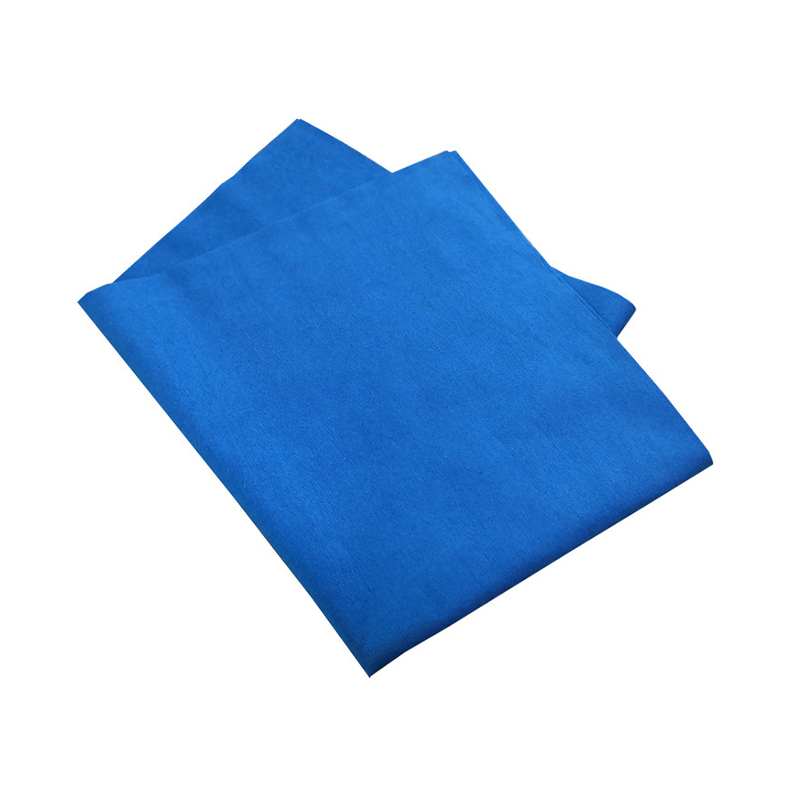
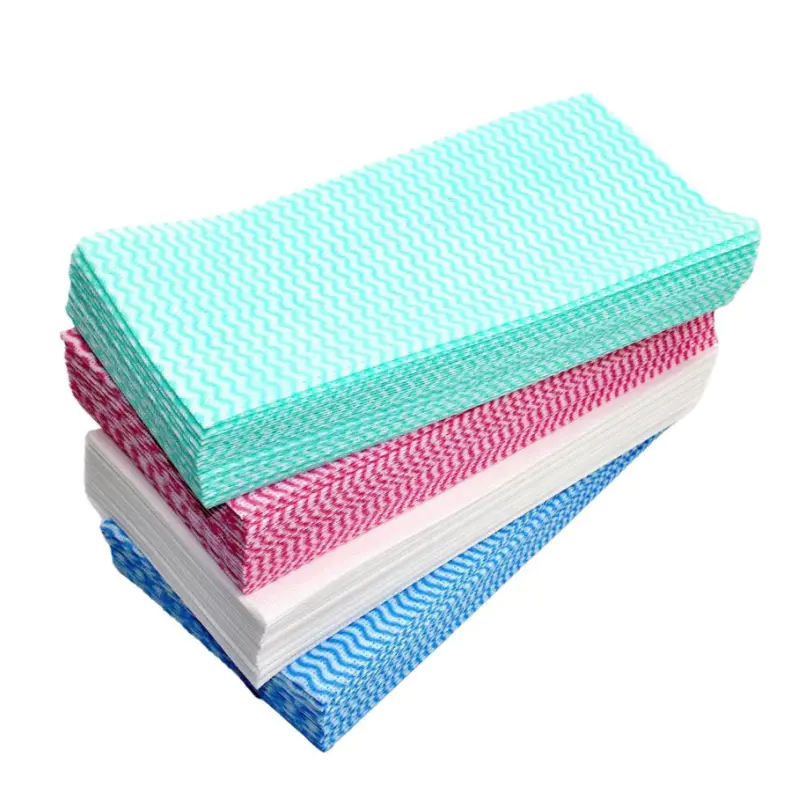
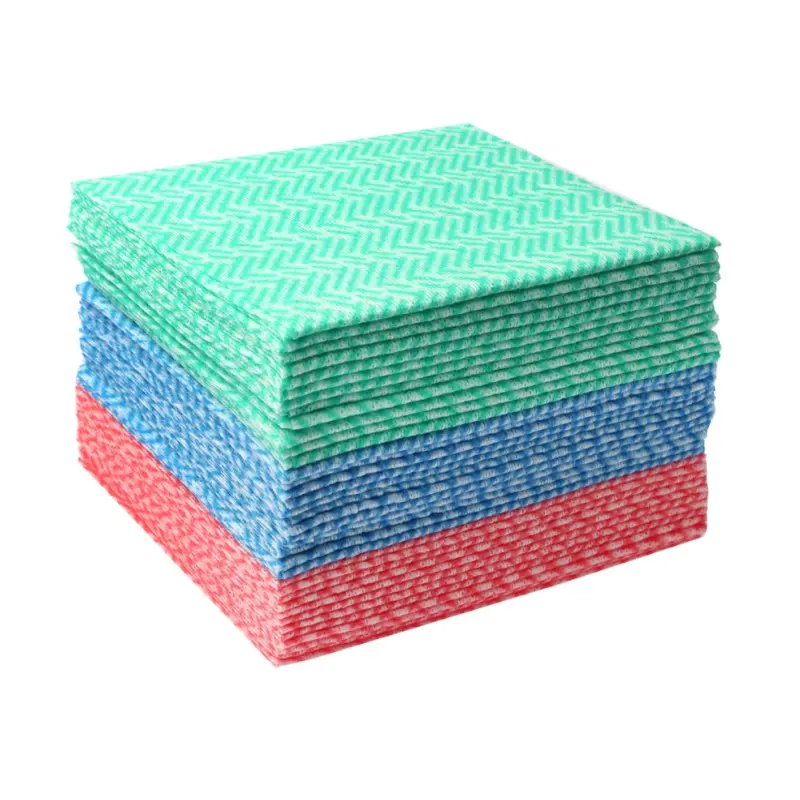
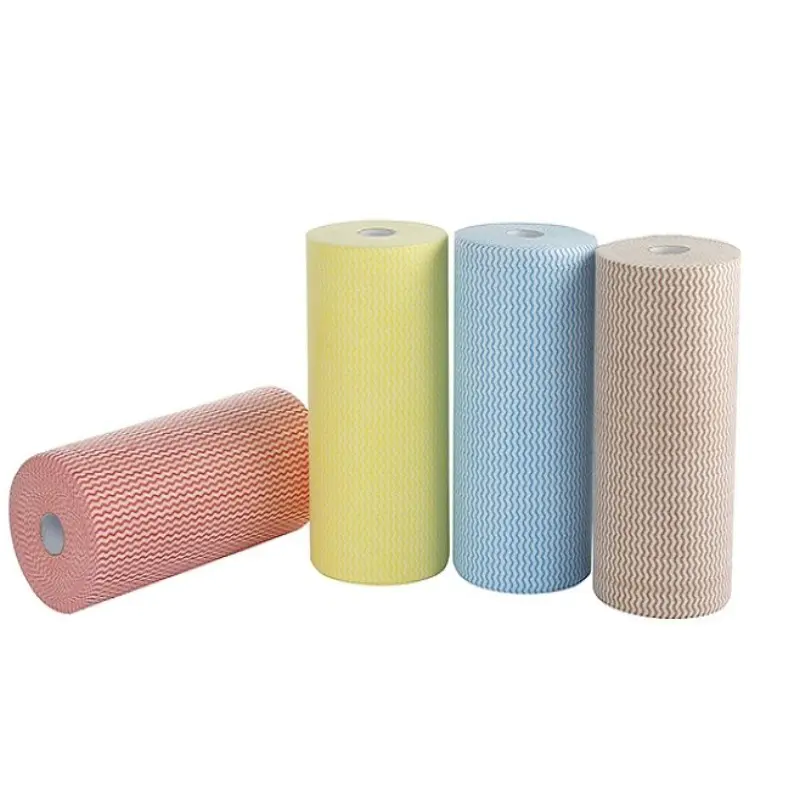
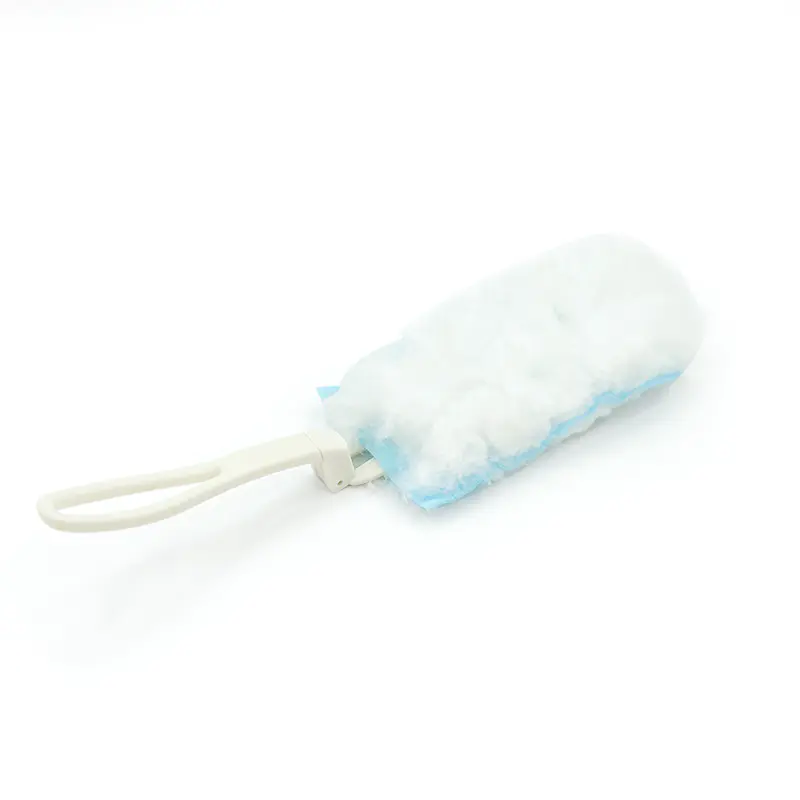
Soft Lint-Free Disposable Household Cleaning Wipe

Car drying towels are an essential tool for car enthusiasts and professional detailers alike. They promise quick water absorption and streak-free drying after washing, but how effectively do they actually work? This article examines the materials, design, and practical usage of car drying towels, focusing on their ability to absorb water efficiently while protecting the car’s paintwork.
Content
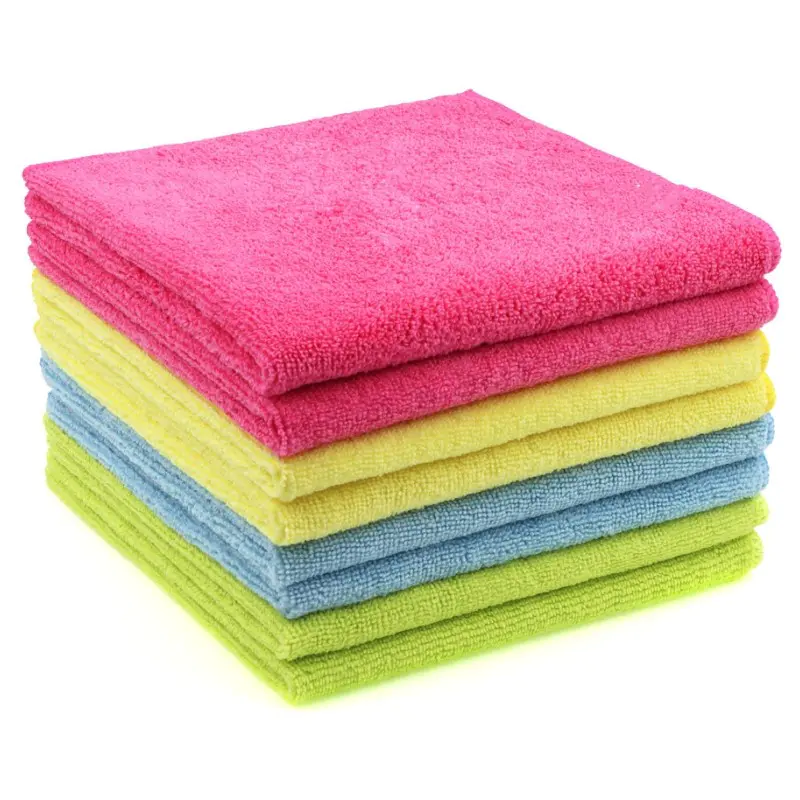
The most common car drying towels are made from microfiber, a material engineered for high absorbency and soft touch. Microfiber consists of extremely fine synthetic fibers, typically polyester and polyamide blends, that create a dense network of capillaries. These capillaries trap water and allow the towel to hold many times its weight in liquid compared to traditional cotton towels. Higher fiber density and split fibers increase the absorption surface area, resulting in faster and more efficient drying.
Cotton towels absorb water but generally lack the fine capillary structure of microfiber, making them slower and less efficient. Some high-end drying towels incorporate waffle-weave or chenille microfiber designs to maximize contact surface and speed up drying. While natural fibers may feel soft, synthetic microfiber towels excel at lifting water off smooth car surfaces without leaving streaks or lint.
The speed of water absorption depends on several factors including towel size, fiber density, towel thickness, and proper folding technique. Larger towels cover more surface area per swipe, reducing the number of strokes required. Towels with higher GSM (grams per square meter) are thicker and more absorbent, while thinner towels may need to be wrung out and reused frequently. Proper folding ensures maximum contact with the car surface, allowing water to be wicked efficiently into inner layers.
To maximize absorption, fold the towel into quarters or sixths, creating multiple absorbent layers. Use a blotting or gentle squeegee motion rather than harsh rubbing, which prevents scratches and evenly distributes water into the towel fibers. Replace layers or sides of the towel when saturated to maintain fast drying speed. Alternating between horizontal and vertical strokes can help reach corners and edges more efficiently.
High-quality car drying towels can absorb several liters of water quickly, often requiring fewer strokes and less effort than traditional towels. Their dense microfiber structure lifts water and prevents pooling on the paint surface, reducing the risk of water spots. Towels with advanced weaves, such as waffle or honeycomb patterns, provide channels for rapid water transfer, making them ideal for large vehicles or high-volume washes.
| Towel Type | Absorption Efficiency | Surface Protection | Drying Speed |
| Microfiber Waffle-Weave | High | Excellent | Fast |
| Microfiber Chenille | Medium-High | Excellent | Medium-Fast |
| Cotton Towel | Medium | Good | Medium |
| Standard Bath Towel | Low | Fair | Slow |
To maintain absorbency, car drying towels should be washed regularly without fabric softeners, which can clog fibers and reduce water-wicking ability. Machine wash on gentle cycles with mild detergent is recommended. Air drying or low-heat tumble drying preserves fiber structure. Avoid contact with grease or wax residue without proper cleaning to prevent streaks during subsequent drying sessions.
For best results, select towels with sufficient size to cover larger panels in a single swipe. Fold the towel to create multiple absorbent layers, and change sides or layers frequently when saturated. Pair with proper drying techniques such as blotting instead of aggressive rubbing to avoid swirl marks. Combining high-quality towels with a structured drying routine ensures the car dries quickly, streak-free, and without water spots.
Car drying towels, particularly high-quality microfiber variants, are highly effective at absorbing water quickly due to their dense fiber structure and capillary action. Using the right towel type, proper folding, and maintenance techniques ensures efficient drying while protecting the car’s finish. When selected and used correctly, car drying towels outperform standard cotton or bath towels, making them an indispensable tool for both amateur and professional car care.

JIAXING HONGJIE COMMODITY CO., LTD is located near Shanghai and Hangzhou in Jiaxing City, Zhejiang Province, China. We are trading& manufactory company. our factory and office are in Jiaxing city.

Factory Add: 3rd floor, BLDG 3, No.379 Ziyu Road, Daqiao Industrial Zone, Jiaxing, Zhejiang, China.

+86-573-82313085

+86-573-82091210

Copyright © JIAXING HONGJIE COMMODITY CO., LTD
The information provided on this website is intended for use only in countries and jurisdictions outside of the People's Republic of China.
Wholesale Nonwoven Wet Wipes Manufacturers
