 Search for...
 English
 Español
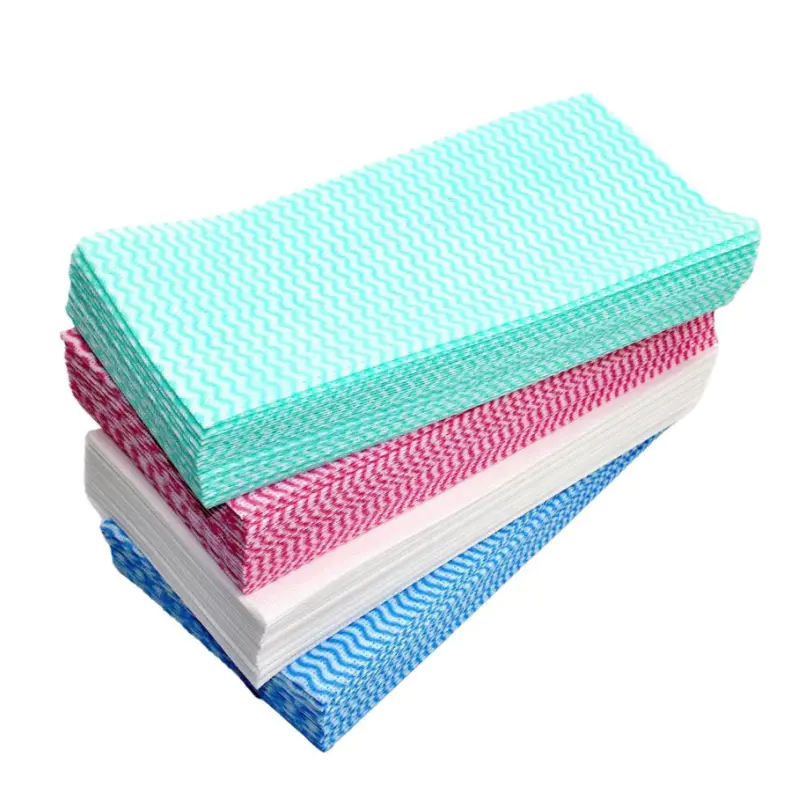
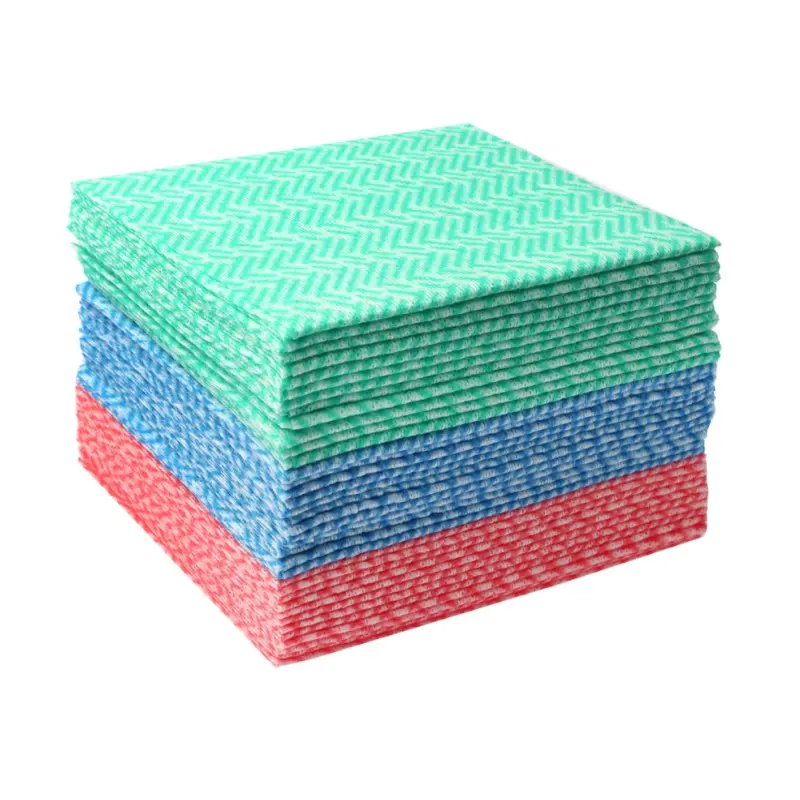
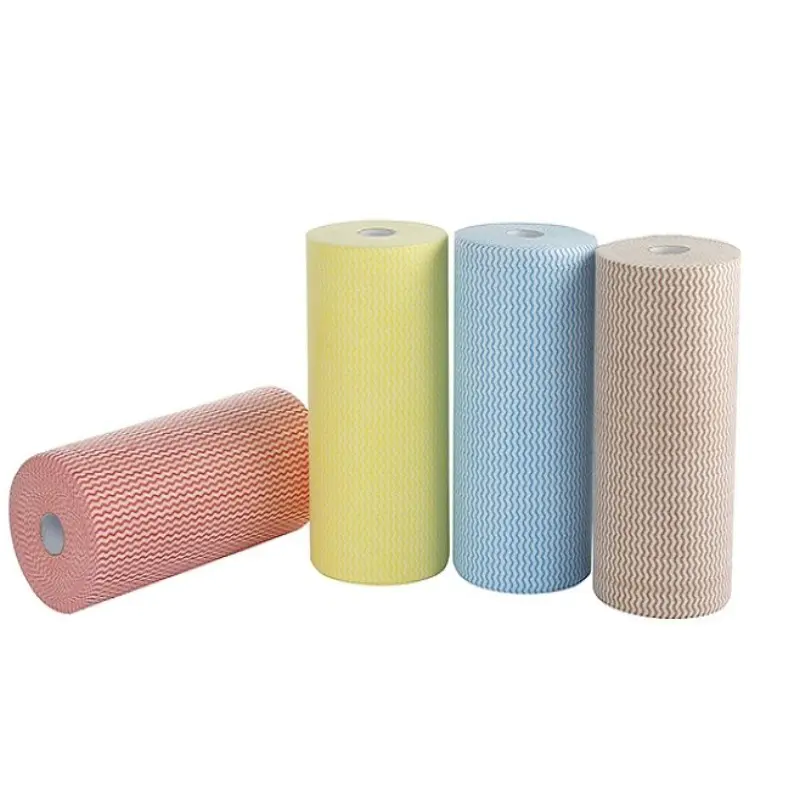
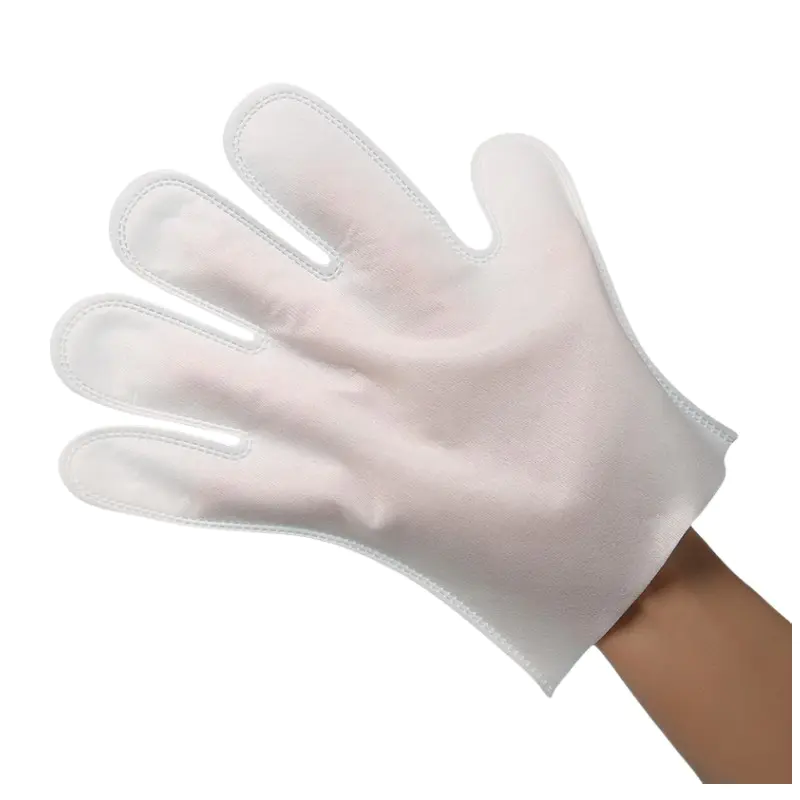
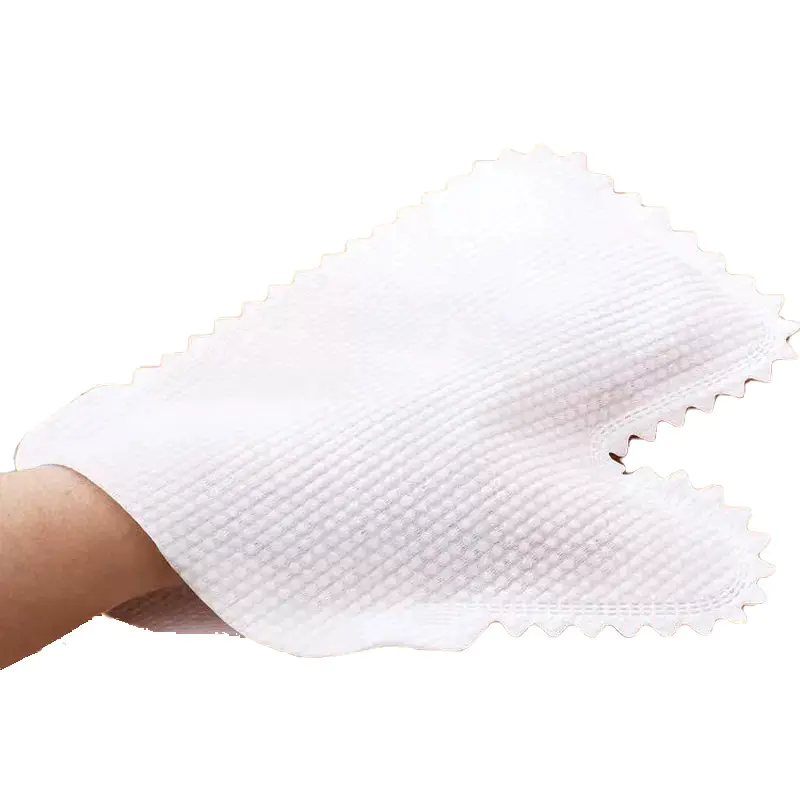
Soft Lint-Free Disposable Household Cleaning Wipe

Content
Mop refills are essential components of a cleaning routine, designed to pick up dirt, dust, and liquids efficiently. Over time, accumulated debris, grime, and bacteria can reduce their effectiveness and cause unpleasant odors. Regular cleaning is crucial not only for maintaining hygiene but also for extending the lifespan of the mop refill. By properly cleaning and caring for your mop refill, you ensure better cleaning performance, reduce wear, and save money on frequent replacements.
After each cleaning session, it is important to rinse the mop refill thoroughly to remove loose dirt and debris. Start by shaking off excess water and particles, then rinse the fibers under warm running water. This simple step prevents dirt from embedding in the fibers and keeps the mop effective for subsequent cleaning.
For mop refills that are heavily soiled, using a mild detergent can help remove stubborn stains and grease. Mix warm water with a gentle detergent, soak the mop refill for a few minutes, then rinse thoroughly to avoid residue buildup. Avoid harsh chemicals that may degrade the fibers or reduce absorbency over time.
Some mop refills are designed to be machine washable. Washing them weekly helps maintain hygiene and fiber quality. Place the mop refill in a laundry bag, use a gentle cycle with cold or warm water, and avoid using bleach or fabric softeners, which can damage the material. Air dry completely before the next use.
For mop refills not suitable for machine washing, hand washing is recommended. Soak the mop refill in warm water mixed with mild detergent for 10-15 minutes. Gently agitate and rub the fibers to remove dirt, then rinse thoroughly under running water. Squeeze out excess water without wringing aggressively to prevent fiber damage.
To eliminate bacteria and odors, mop refills can be sanitized using natural or chemical solutions. A mixture of one part white vinegar to four parts water can effectively disinfect mop fibers. Alternatively, a mild household disinfectant diluted according to instructions can be used. After sanitizing, rinse thoroughly and allow the mop to dry completely.
| Solution | Dilution Ratio | Soaking Time |
| White Vinegar | 1:4 with water | 10-15 minutes |
| Mild Disinfectant | As per manufacturer | 5-10 minutes |
Proper drying is essential to prevent mold, mildew, and unpleasant odors. Mop refills should always be air-dried in a well-ventilated area. Hang them upside down to allow water to drain fully, and avoid exposing them to direct sunlight for prolonged periods, which can degrade the fibers.
Do not use high-heat dryers or heaters to dry mop refills, as excessive heat can shrink or warp synthetic fibers. Maintaining a natural, gentle drying process ensures the mop retains its absorbency and structure over time.
Even after cleaning, improper storage can shorten the lifespan of mop refills. Always store mop refills in a dry, ventilated location, away from direct sunlight and moisture. If possible, keep them separate from dirty cleaning tools to avoid cross-contamination.
Regular cleaning, sanitizing, proper drying, and smart storage are key to prolonging the lifespan of mop refills. Following these steps ensures that the mop remains effective, hygienic, and ready for frequent use. By investing time in consistent care, you save money, maintain better hygiene, and improve overall cleaning efficiency in your home or workspace.

JIAXING HONGJIE COMMODITY CO., LTD is located near Shanghai and Hangzhou in Jiaxing City, Zhejiang Province, China. We are trading& manufactory company. our factory and office are in Jiaxing city.

Factory Add: 3rd floor, BLDG 3, No.379 Ziyu Road, Daqiao Industrial Zone, Jiaxing, Zhejiang, China.

+86-573-82313085

+86-573-82091210

Copyright © JIAXING HONGJIE COMMODITY CO., LTD
The information provided on this website is intended for use only in countries and jurisdictions outside of the People's Republic of China.
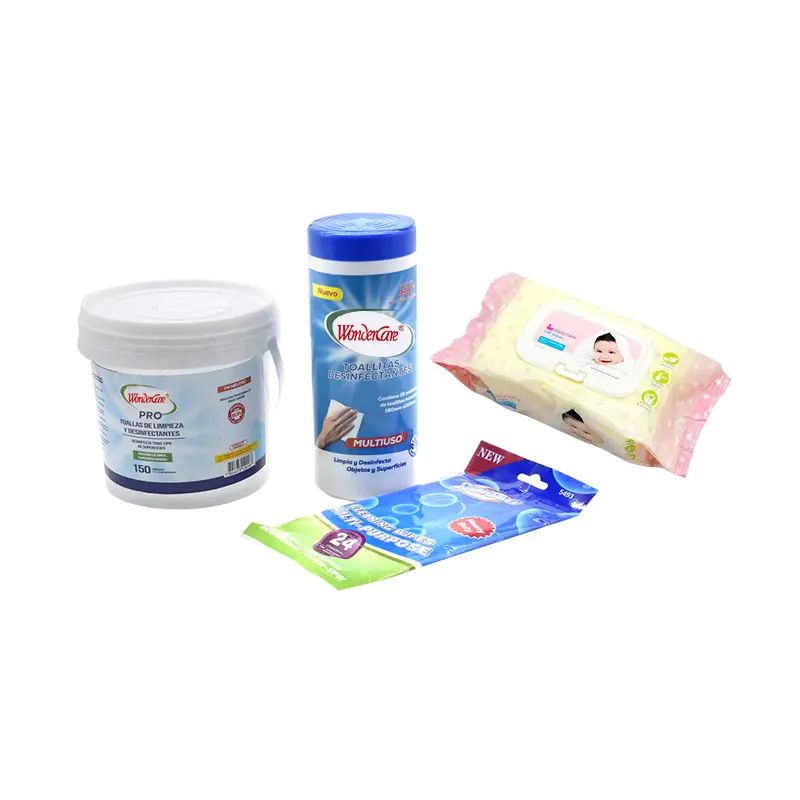
Wholesale Nonwoven Wet Wipes Manufacturers
