 Search for...
 English
 Español
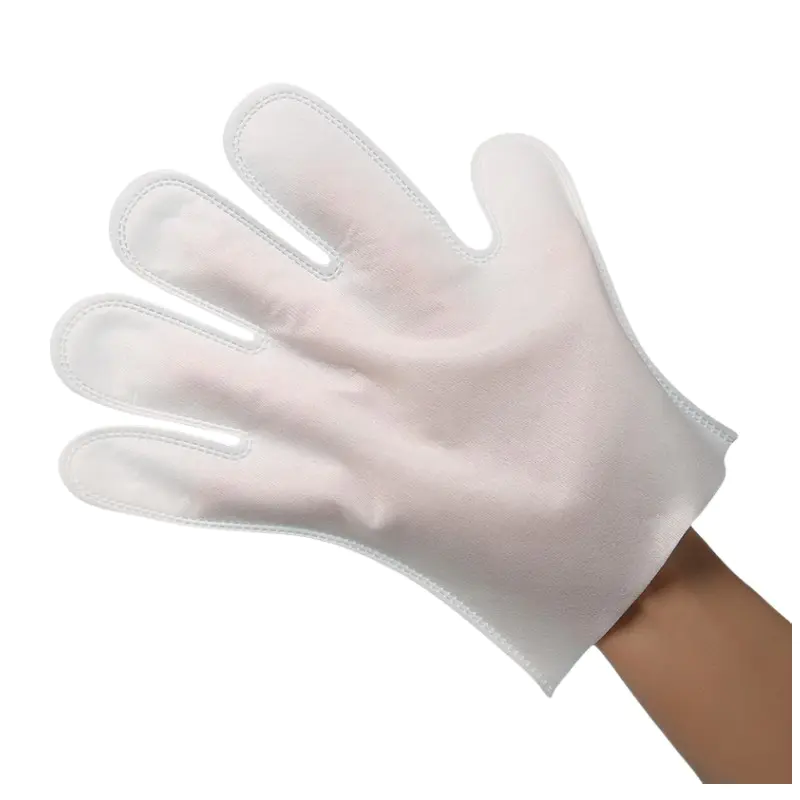
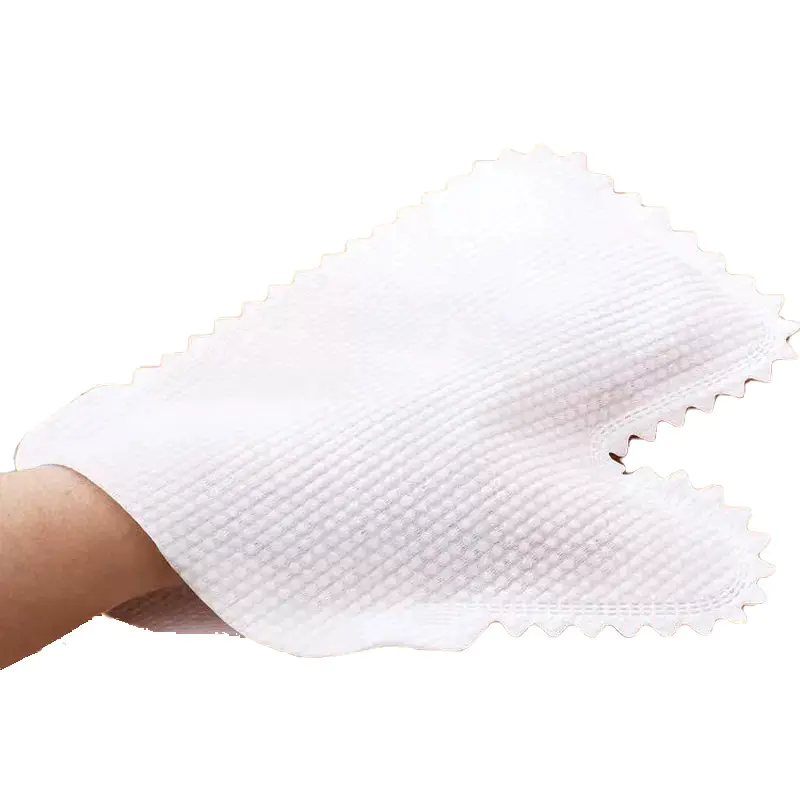
Soft Lint-Free Disposable Household Cleaning Wipe

Content
Cooking oil filter papers are the most effective tool for extending the usable life of frying oil, reducing waste, and maintaining consistent food quality. By physically removing suspended food particles, carbonized debris, and polar compounds, these specialized papers prevent the rapid degradation of oil during high-heat cooking. For both commercial kitchens and home enthusiasts, regular filtration is not just a maintenance task but a critical quality control measure that directly impacts flavor and safety.
When food is fried, small particles break off and remain in the oil. If left unchecked, these particles burn during subsequent heating cycles, accelerating oxidation and polymerization. This process leads to dark, viscous oil with an off-flavor. Using high-quality filter paper can extend oil life by up to 50%, offering significant cost savings and ensuring that every batch of food tastes fresh. The key lies in the paper's ability to trap micron-sized particles while allowing the oil to flow through efficiently.
Not all filter papers are created equal. Effective cooking oil filter papers are typically made from heavy-duty, wet-strength cellulose or a blend of cellulose and synthetic fibers. This composition ensures that the paper does not disintegrate when exposed to hot oil, which can range from 350°F to 375°F (175°C to 190°C). The density of the paper, often measured in microns, determines what size particles are captured.
High-efficiency filter papers usually have a micron rating between 10 and 30 microns. This allows them to capture fine sediment that standard cheesecloth or metal mesh strainers miss. These microscopic particles are the primary catalysts for oil breakdown. By removing them, the paper slows down the formation of free fatty acids and polar materials, which are indicators of oil spoilage. Some advanced filter papers also include an layer of diatomaceous earth or activated carbon to absorb dissolved impurities and odors, further refining the oil.
| Method | Particle Size Removed | Oil Clarity | Cost Efficiency |
|---|---|---|---|
| Metal Mesh Strainer | Large (>100 microns) | Low | High (Reusable) |
| Cheesecloth | Medium (~50 microns) | Moderate | Moderate |
| Filter Paper | Fine (10-30 microns) | High | High (Extends Oil Life) |
To maximize the benefits of cooking oil filter papers, proper technique is essential. Filtering should be done regularly, ideally after each day of heavy use or every 8-10 hours of frying time. The oil must be cooled to a safe handling temperature, typically around 100°F to 120°F (38°C to 50°C), before filtering. Filtering oil that is too hot can degrade the paper and pose a safety hazard, while filtering cold oil may result in slow flow rates due to increased viscosity.
By integrating cooking oil filter papers into your routine, you ensure cleaner oil, better-tasting food, and a more economical kitchen operation. The small investment in quality filter paper yields substantial returns in oil conservation and culinary consistency.

JIAXING HONGJIE COMMODITY CO., LTD is located near Shanghai and Hangzhou in Jiaxing City, Zhejiang Province, China. We are trading& manufactory company. our factory and office are in Jiaxing city.

Factory Add: 3rd floor, BLDG 3, No.379 Ziyu Road, Daqiao Industrial Zone, Jiaxing, Zhejiang, China.

+86-573-82313085

+86-573-82091210

Copyright © JIAXING HONGJIE COMMODITY CO., LTD
The information provided on this website is intended for use only in countries and jurisdictions outside of the People's Republic of China.
Wholesale Nonwoven Wet Wipes Manufacturers
