 Search for...
 English
 Español
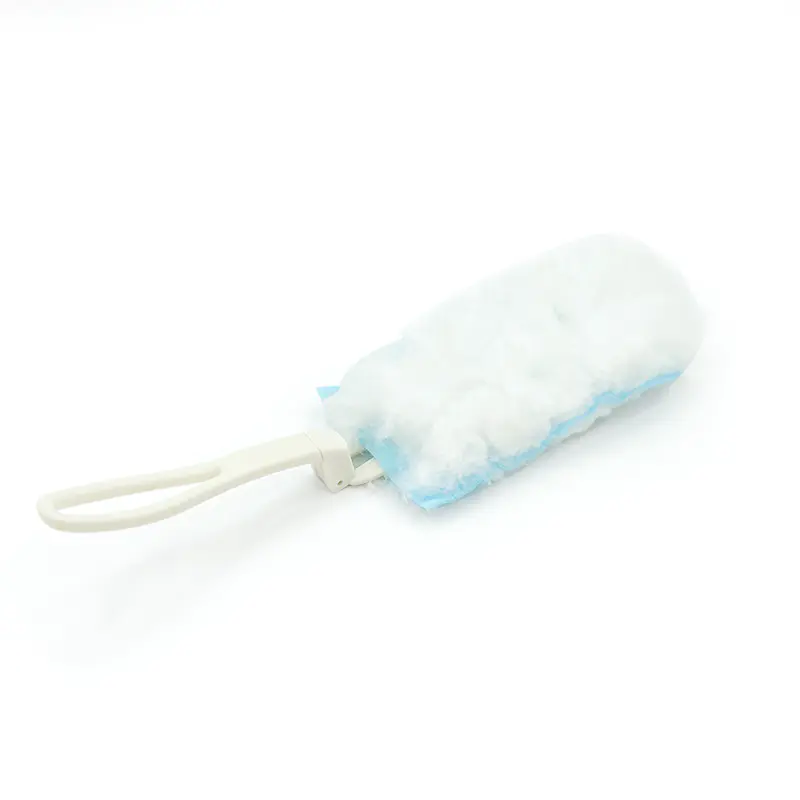
Soft Lint-Free Disposable Household Cleaning Wipe

Content
Disposable mop pads are a highly efficient, hygienic, and time-saving cleaning solution, especially for environments that require frequent sanitation. They eliminate the need for washing reusable pads, reduce cross-contamination, and can improve cleaning productivity by up to 30–50% in high-traffic areas such as hospitals, offices, and commercial spaces.
For households, they offer convenience and consistent performance, while for businesses, they provide standardized cleaning results and reduced labor costs.
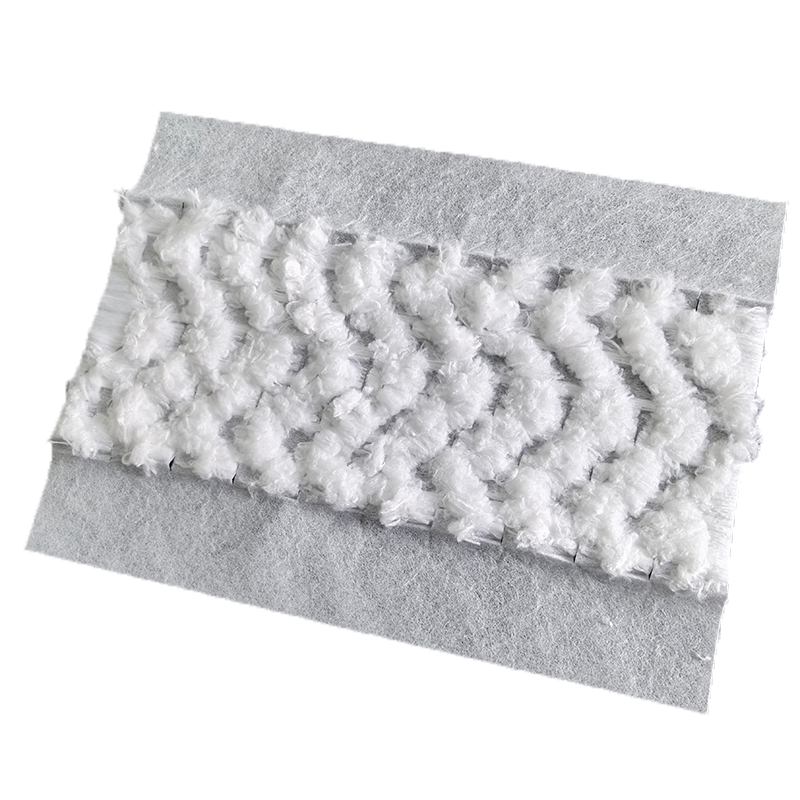
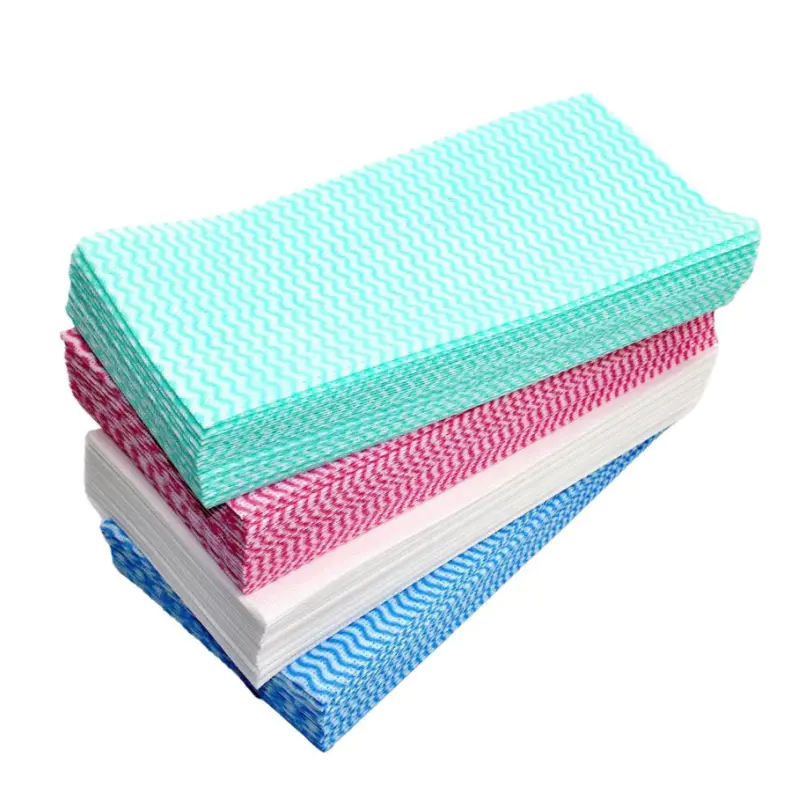
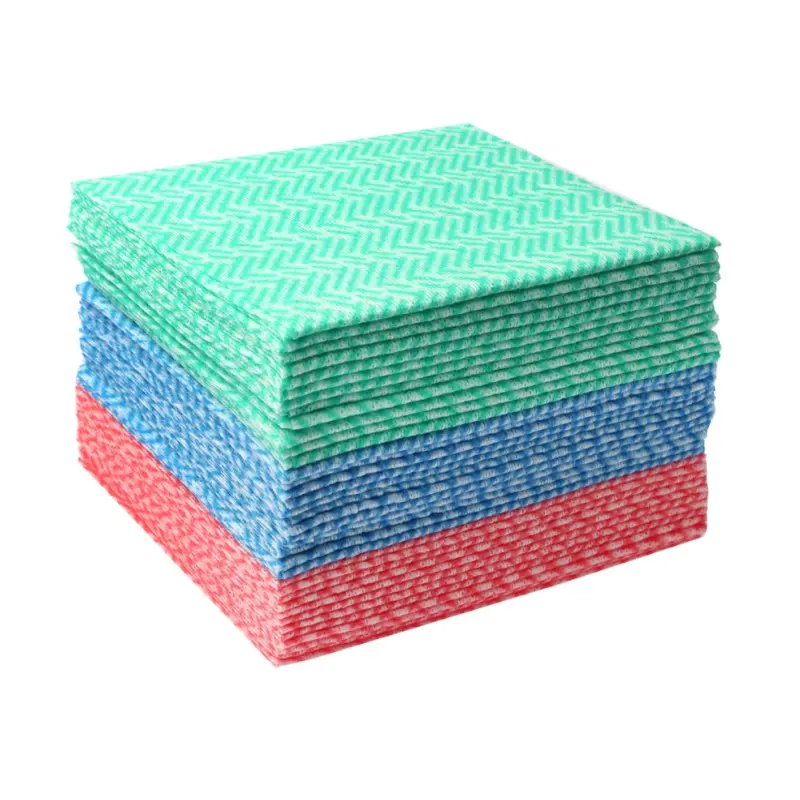
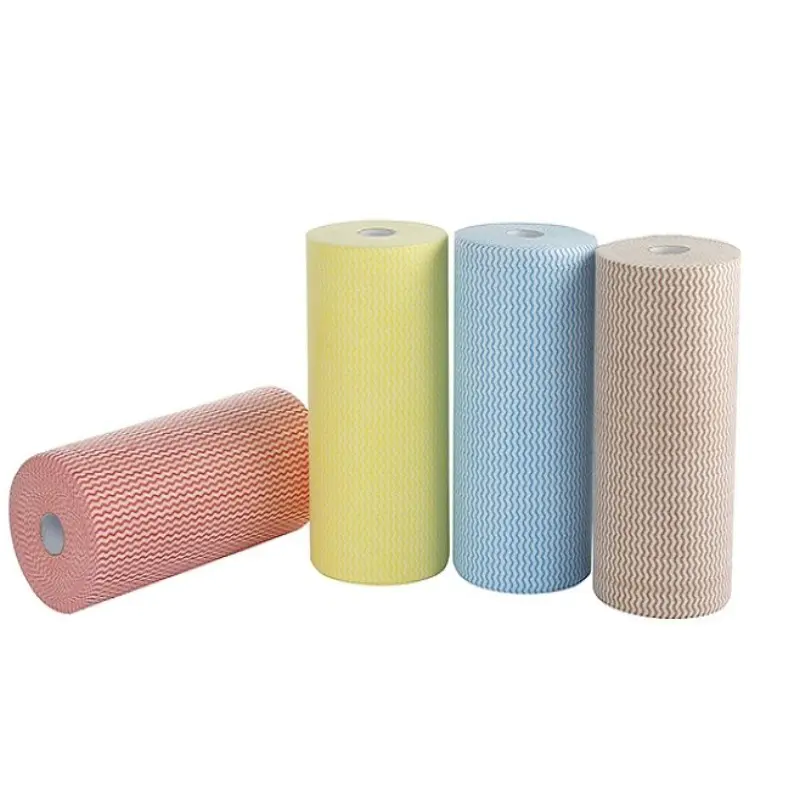
Disposable mop pads are single-use cleaning pads designed to attach to flat mops or spray mop systems. After use, the pad is discarded instead of being washed and reused. These pads are typically made from nonwoven materials that combine absorbency, durability, and effective dirt capture.
They are widely used in both residential and commercial cleaning due to their ability to maintain hygiene standards without additional maintenance effort.
In healthcare environments, studies have shown that single-use cleaning systems can reduce bacterial spread by up to 99% when compared to improperly maintained reusable mops.
These pads are designed to attract and trap dust, hair, and fine particles using electrostatic properties. They are ideal for daily maintenance cleaning.
Pre-moistened or designed to be used with cleaning solutions, these pads effectively remove stains, grease, and sticky residues from hard floors.
Often used in medical or food-processing settings, these pads contain antimicrobial agents that help eliminate bacteria and viruses on surfaces.
Built with reinforced fibers, these pads are suitable for removing stubborn dirt or dried spills in industrial or commercial environments.
Most disposable mop pads are made from nonwoven fabrics such as polypropylene, polyester, or blended fibers. These materials are engineered to balance absorbency, strength, and cost efficiency.
| Material | Key Property | Typical Use |
|---|---|---|
| Polypropylene | Lightweight, cost-effective | Dry dusting |
| Polyester Blend | Durable, absorbent | Wet cleaning |
| Viscose Mix | High liquid absorption | Spill cleaning |
Selecting the appropriate mop pad depends on your cleaning needs, floor type, and frequency of use. Consider the following factors:
For commercial facilities, choosing high-capacity absorbent pads can reduce usage frequency by up to 25%, lowering overall operational costs.
Following these practices ensures optimal cleaning efficiency and maintains hygiene standards across different environments.
Disposable mop pads offer a practical balance of hygiene, convenience, and performance, making them an ideal choice for both residential and commercial cleaning. Their single-use design eliminates maintenance, ensures consistent results, and supports better contamination control, particularly in high-demand environments.
By understanding the different types, materials, and usage strategies, users can maximize both cleaning effectiveness and cost efficiency.

JIAXING HONGJIE COMMODITY CO., LTD is located near Shanghai and Hangzhou in Jiaxing City, Zhejiang Province, China. We are trading& manufactory company. our factory and office are in Jiaxing city.

Factory Add: 3rd floor, BLDG 3, No.379 Ziyu Road, Daqiao Industrial Zone, Jiaxing, Zhejiang, China.

+86-573-82313085

+86-573-82091210

Copyright © JIAXING HONGJIE COMMODITY CO., LTD
The information provided on this website is intended for use only in countries and jurisdictions outside of the People's Republic of China.
Wholesale Nonwoven Wet Wipes Manufacturers
