 Search for...
 English
 Español
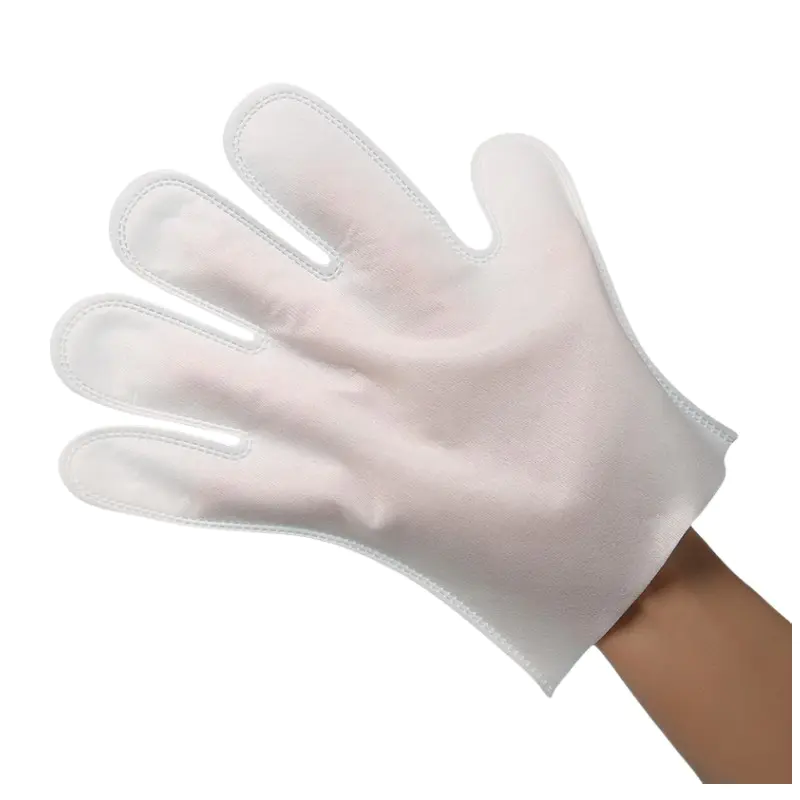
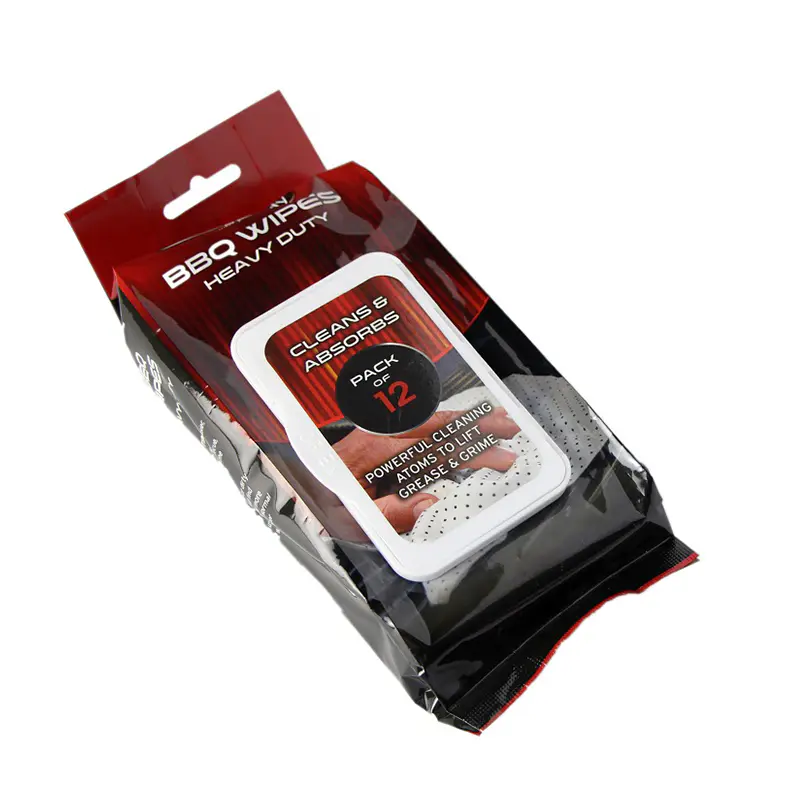
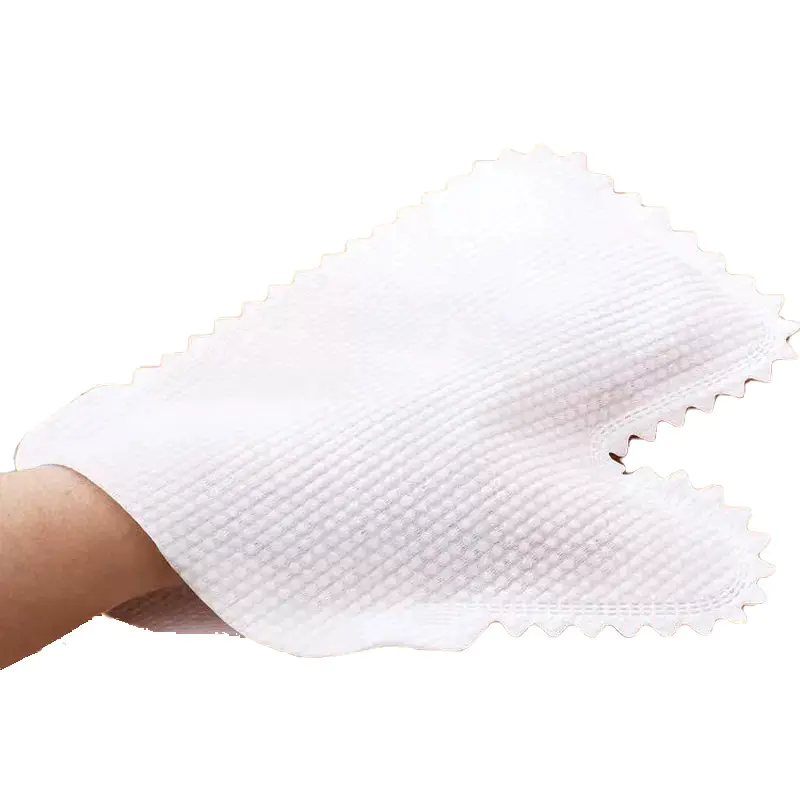
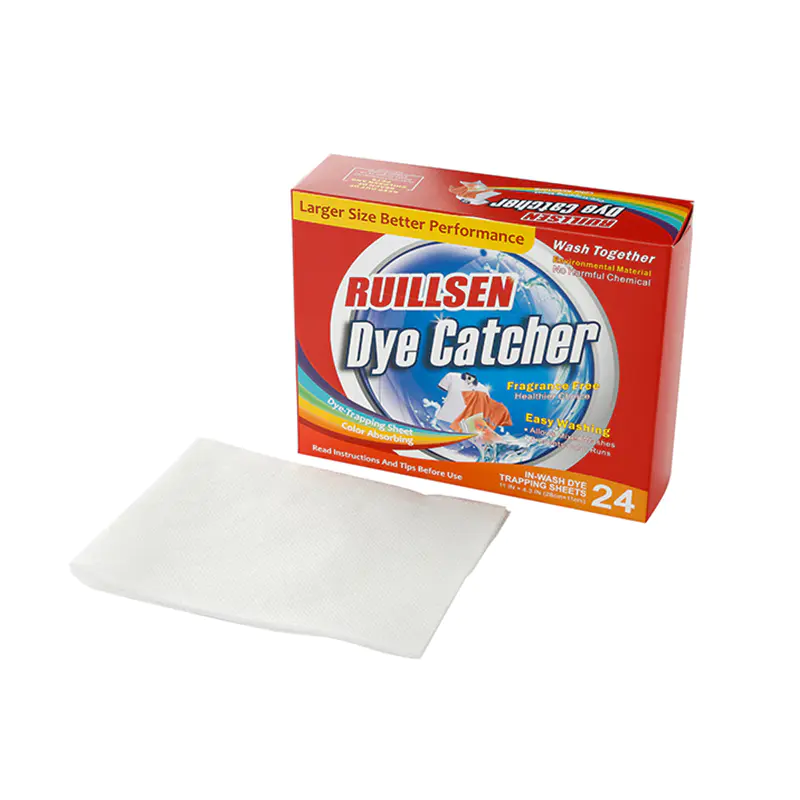
Soft Lint-Free Disposable Household Cleaning Wipe

Content
The global wet wipes market reached USD 5.63 billion in 2026, up from USD 5.35 billion in 2025, and is forecast to grow at a CAGR of approximately 5.6% through 2032, when market value is expected to surpass USD 7.83 billion. The expansion is underpinned by rising consumer hygiene awareness, surging healthcare sector adoption, and accelerating innovation in biodegradable and skin-friendly formulations. Far from being a pandemic-era blip, wet wipes have cemented their place as a daily essential across households, hospitals, and industrial environments worldwide.
Baby wipes currently lead all product categories, accounting for roughly 34% of total market share in 2026. Hospital and healthcare applications follow closely, capturing around 28.6% of demand — a figure that reflects the sector's reliance on antimicrobial wipes for infection control, patient care, and medical equipment sanitization. Meanwhile, household cleaning and disinfectant wipes continue to see steady volume growth across both developed and emerging economies.
Regulatory pressure is fundamentally altering how wet wipes are made. The UK's nationwide ban on plastic-containing wipes — backed by broad public support — has set a precedent that regulators in Scotland, the United States (notably Michigan), and the European Union are moving to replicate. For multinational manufacturers, navigating an increasingly fragmented compliance landscape is a significant operational challenge, requiring simultaneous product reformulations across multiple SKUs and regions.
In response, the industry has accelerated its shift toward plant-based, biodegradable substrates. Bamboo fiber, organic cotton, and novel airlaid nonwoven materials are replacing traditional plastic-derived fabrics. Companies such as Unicharm, which launched FSC-certified organic cotton compound baby wipes in Greater China, and several intimate care brands introducing 100% biodegradable wipes, signal a broader industry commitment to lifecycle stewardship. The American Cleaning Institute has reinforced this with industry-wide campaigns promoting circular packaging and sustainable sourcing.
Beyond substrates, formulators are under pressure to eliminate synthetic preservatives such as phenoxyethanol. Functional aromatic alternatives — including Conarom B, Conarom P2, and Optiphem DP — are gaining traction as ingredient chemists seek preservation systems that satisfy both regulatory requirements and consumer demand for clean-label products.
Geographically, North America held over 36% of global revenue in the most recently measured period, sustained by high per-capita hygiene product consumption and a well-established retail infrastructure. Europe contributes approximately 27% of global market value, with Germany and the UK serving as the region's largest individual markets — projected at USD 0.35 billion and USD 0.25 billion respectively in 2026. The hospitality sector's strong presence across the EU continues to drive demand for industrial and surface-cleaning wipes.
Asia Pacific, however, is expanding at the fastest regional CAGR, driven by rapid urbanization in China, India, and South Korea, rising disposable income, and growing consumer familiarity with convenience-oriented hygiene products. The region accounted for roughly 32% of the global wipes market in 2025, and its share is expected to increase through the forecast period. Large-scale manufacturing concentration in China also gives the region a structural cost advantage that is attracting both domestic brands and international OEM buyers.
| Region | 2025 Market Share | Growth Outlook |
|---|---|---|
| North America | ~36% | Stable, premium-driven |
| Europe | ~27% | Regulatory-led innovation |
| Asia Pacific | ~32% | Fastest-growing CAGR |
| Rest of World | ~5% | Emerging opportunity |
Innovation within the wet wipes category is moving on two parallel tracks: performance enhancement and sensory differentiation. On the performance side, manufacturers are investing in substrate engineering to improve moisture retention, wet strength, and antimicrobial efficacy. Hospital-grade wipes validated for pathogen elimination — including multidrug-resistant organisms — are commanding premium pricing and strong institutional loyalty.
For consumer-facing products, the frontier is sensory. Fragrance delivery systems are being redesigned to address diverse cultural preferences and introduce aromatherapy-inspired benefits — stress-relief and mood-enhancing properties are increasingly cited in product marketing. Skin-barrier-preserving formulations for baby wipes represent another growth niche: recent breakthroughs in hypoallergenic ingredient integration have expanded the addressable market for premium infant hygiene products, particularly among parents seeking dermatologically validated options.
The packaging side of the business is also evolving rapidly. At the 2025 World of Wipes International Conference, Shemesh Automation unveiled the BuckIt-TKS25, a fully automated turnkey packaging line for wet wipes in buckets, capable of producing up to 25 packed wipes units per minute. Such advances are lowering per-unit production costs for large-format and industrial wipe formats, supporting broader commercial adoption.
Digital retail is reshaping how wet wipes reach consumers. Online channels now capture a significant and growing share of sales, prompting brands to invest in direct-to-consumer platforms and third-party marketplace optimization. Data analytics and hyper-targeted promotions are enabling smaller challenger brands to compete effectively against established names like Procter & Gamble, Kimberly-Clark, and Unilever — all of which continue to hold major market positions but face intensifying competition from private label entrants.
The private label segment is particularly active in China, where OEM and ODM manufacturers are providing international buyers with comprehensive customization services — covering substrate selection, formulation, fragrance, packaging, and labeling. This has lowered barriers to entry for new brands and amplified product diversity across all end-use categories, from personal care and baby hygiene to pet grooming and industrial cleaning.
For buyers and brand owners evaluating their sourcing strategy, the current environment rewards suppliers who can demonstrate both regulatory compliance across multiple jurisdictions and formulation agility — the ability to pivot substrates and preservative systems quickly as market requirements evolve. Those capabilities, more than price alone, are increasingly the competitive differentiator in a market that is growing, but also rapidly becoming more complex.

JIAXING HONGJIE COMMODITY CO., LTD is located near Shanghai and Hangzhou in Jiaxing City, Zhejiang Province, China. We are trading& manufactory company. our factory and office are in Jiaxing city.

Factory Add: 3rd floor, BLDG 3, No.379 Ziyu Road, Daqiao Industrial Zone, Jiaxing, Zhejiang, China.

+86-573-82313085

+86-573-82091210

Copyright © JIAXING HONGJIE COMMODITY CO., LTD
The information provided on this website is intended for use only in countries and jurisdictions outside of the People's Republic of China.
Wholesale Nonwoven Wet Wipes Manufacturers
