 Search for...
 English
 Español
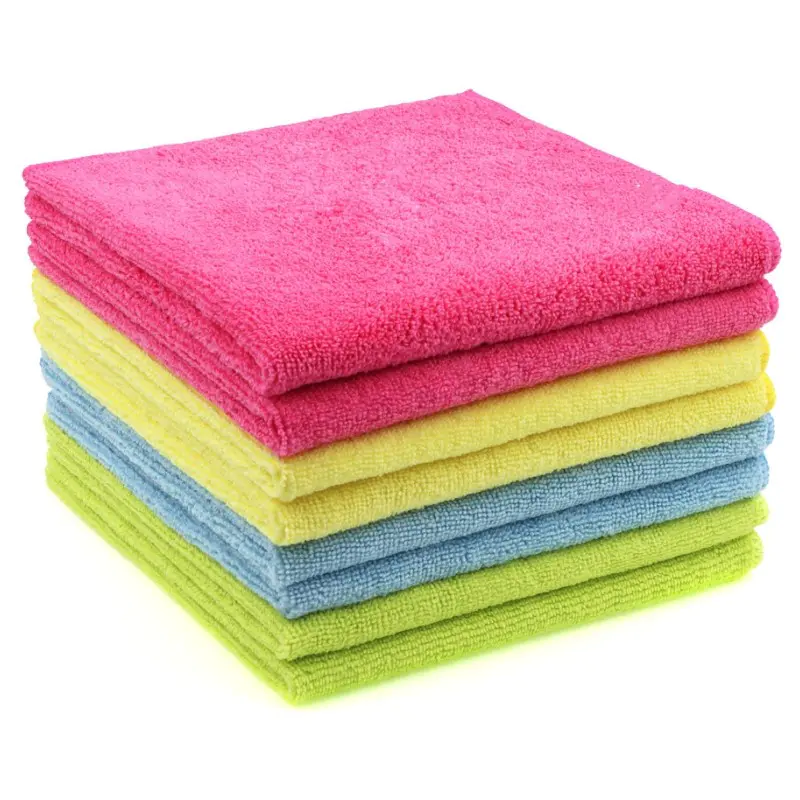
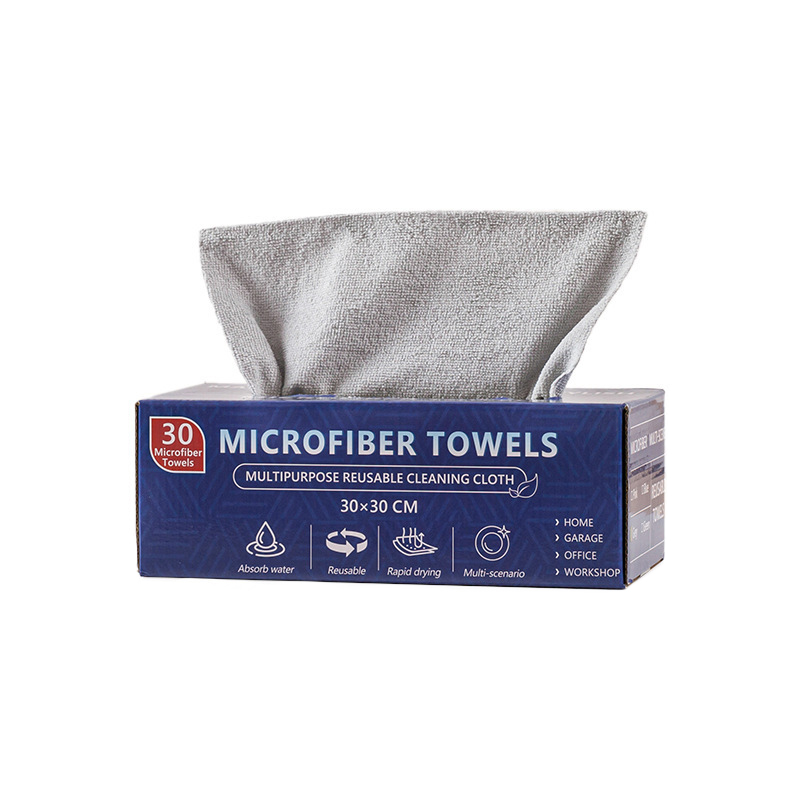
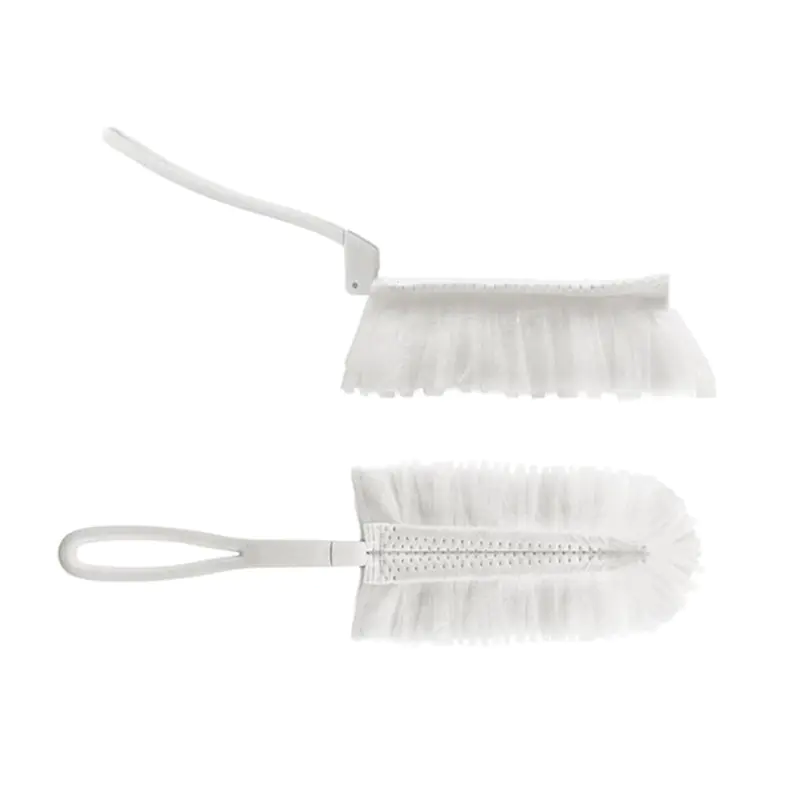
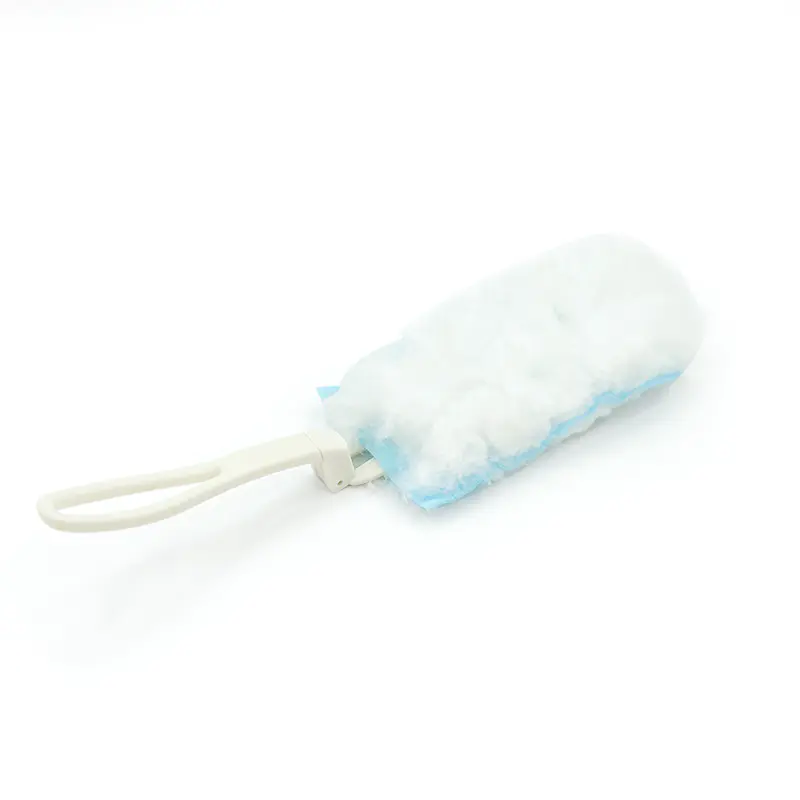
Soft Lint-Free Disposable Household Cleaning Wipe

Selecting the correct disposable gloves is critical for ensuring personal safety, preventing cross-contamination, and maintaining regulatory compliance across healthcare, food service, and industrial sectors. The optimal choice depends on balancing chemical resistance, tactile sensitivity, durability, and allergy considerations, with nitrile gloves generally offering the best all-around performance for most modern applications due to their superior puncture resistance and lack of latex proteins.
Content
The three primary materials used in manufacturing disposable gloves—nitrile, latex, and vinyl—each possess distinct chemical structures that dictate their protective capabilities and suitable use cases.
Nitrile gloves are synthetic copolymers made from acrylonitrile and butadiene. They provide exceptional resistance to oils, greases, and many hazardous chemicals. Nitrile offers 3-5 times greater puncture resistance than latex, making it the preferred choice for medical examinations involving sharp instruments and automotive repair. Additionally, nitrile is free from natural latex proteins, eliminating the risk of Type I allergic reactions.
Derived from the sap of the Hevea brasiliensis tree, latex gloves offer superior elasticity, fit, and tactile sensitivity. They conform closely to the hand, reducing fatigue during prolonged use. However, the presence of natural proteins can trigger severe allergic reactions in sensitized individuals. Latex also degrades rapidly when exposed to ozone, UV light, and petroleum-based products.
Vinyl gloves are made from polyvinyl chloride and plasticizers. They are loose-fitting and less durable than nitrile or latex, providing a basic barrier against non-hazardous materials. Vinyl is cost-effective and suitable for short-duration tasks with low risk of exposure, such as food preparation or hair coloring. They offer minimal protection against chemicals and have high permeability rates for viruses and bacteria compared to other materials.
| Feature | Nitrile | Latex | Vinyl |
|---|---|---|---|
| Puncture Resistance | High | Medium | Low |
| Chemical Resistance | Excellent | Poor | Fair |
| Allergy Risk | None | High | None |
| Tactile Sensitivity | Good | Excellent | Fair |
| Cost | Moderate-High | Moderate | Low |
Glove thickness is measured in mils (one-thousandth of an inch) and directly correlates with durability and protection levels. Choosing the appropriate thickness is essential for balancing dexterity with safety.
Thin gloves provide maximum tactile sensitivity and are ideal for tasks requiring fine motor skills, such as laboratory work, electronics assembly, or patient examinations where sharp objects are not present. However, they tear easily and offer limited protection against chemicals.
This range represents the standard for general-purpose use in healthcare, food service, and light industrial cleaning. 6-mil nitrile gloves are widely considered the industry standard for emergency medical services due to their balance of protection and comfort.
Thick gloves are designed for harsh environments involving heavy machinery, automotive repair, or handling hazardous chemicals. They provide superior puncture and abrasion resistance but reduce finger dexterity and may cause hand fatigue during extended wear.
Compliance with international standards ensures that disposable gloves meet minimum performance criteria for specific applications. Buyers should verify certifications relevant to their industry.
In the United States, medical examination gloves must comply with FDA regulations under 21 CFR Part 800. They undergo rigorous testing for pinhole defects using the Acceptable Quality Level (AQL) standard. Medical grade gloves typically require an AQL of 1.5 or lower, meaning no more than 1.5% of gloves in a batch can have defects. Industrial or food service gloves may have higher AQL ratings (e.g., 2.5 or 4.0).
ASTM D6319 (nitrile), D3578 (latex), and D5250 (vinyl) specify physical properties like tensile strength and elongation. In Europe, EN 455 sets standards for medical gloves, while EN 374 covers protection against chemicals and microorganisms. Look for the CE mark alongside EN 374 certification for gloves intended for chemical handling.
Gloves used in food handling must comply with FDA Title 21 CFR Part 177 for indirect food additives. This ensures that materials do not leach harmful substances into food. Powder-free gloves are increasingly mandated in food service to prevent contamination from cornstarch or other powder agents.
Even the highest quality disposable gloves fail if used incorrectly. Adhering to proper donning, doffing, and disposal procedures maximizes protection and minimizes environmental impact.
Always inspect gloves for tears or discoloration before use. When removing contaminated gloves, use the "glove-in-glove" technique to avoid skin contact with the outer surface:
Disposable gloves are designed for single-use only. Reusing them compromises integrity and increases cross-contamination risk. Do not wash or sanitize disposable gloves for reuse. Change gloves immediately if torn, heavily contaminated, or after completing a specific task. Never touch clean surfaces (like door handles or phones) with contaminated gloves.
Most disposable gloves are not biodegradable and contribute to landfill waste. Nitrile and latex take decades to decompose. Some manufacturers now offer recyclable nitrile programs or bio-based nitrile alternatives derived from plant materials. Proper disposal in designated waste streams prevents environmental leakage and protects sanitation workers.
Choosing the right disposable gloves requires a clear understanding of material properties, thickness requirements, and regulatory standards. By prioritizing nitrile for general protection, respecting latex allergies, and adhering to strict usage protocols, organizations can ensure safety, compliance, and operational efficiency. Regular training and quality verification remain essential components of an effective personal protective equipment strategy.

JIAXING HONGJIE COMMODITY CO., LTD is located near Shanghai and Hangzhou in Jiaxing City, Zhejiang Province, China. We are trading& manufactory company. our factory and office are in Jiaxing city.

Factory Add: 3rd floor, BLDG 3, No.379 Ziyu Road, Daqiao Industrial Zone, Jiaxing, Zhejiang, China.

+86-573-82313085

+86-573-82091210

Copyright © JIAXING HONGJIE COMMODITY CO., LTD
The information provided on this website is intended for use only in countries and jurisdictions outside of the People's Republic of China.
Wholesale Nonwoven Wet Wipes Manufacturers
