 Search for...
 English
 Español
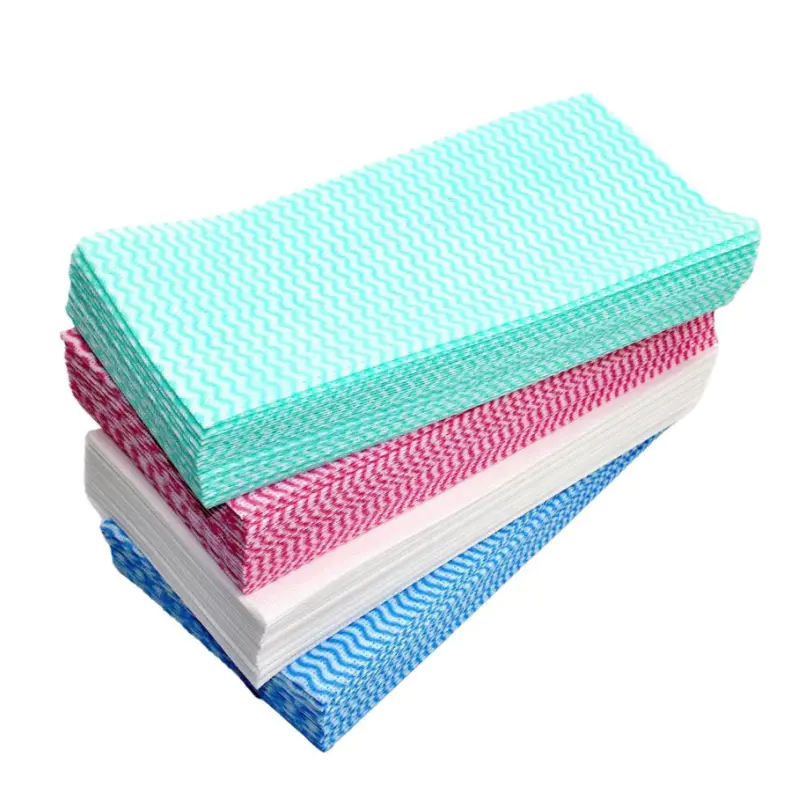
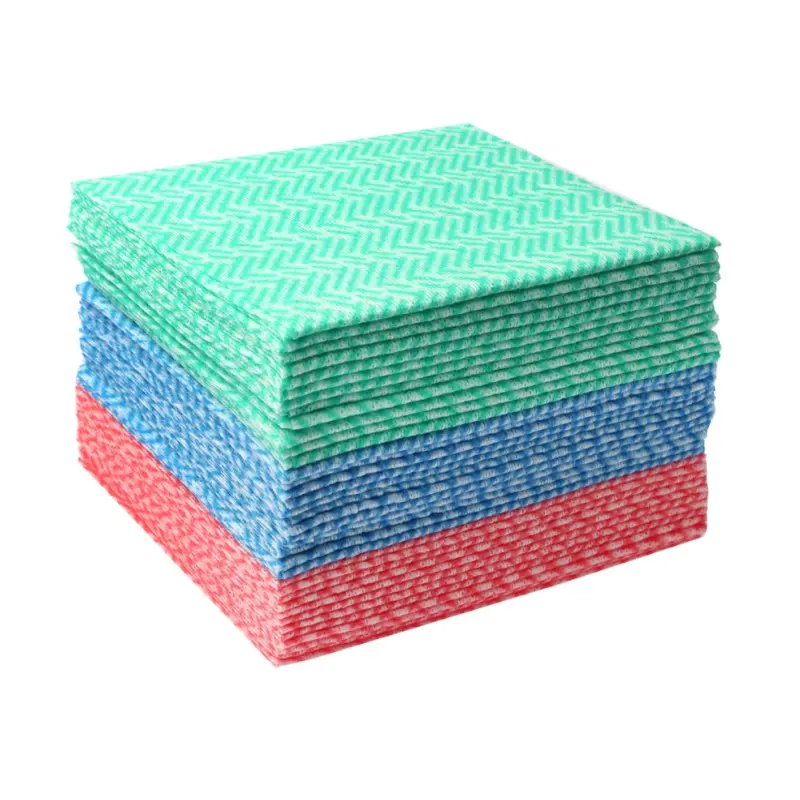
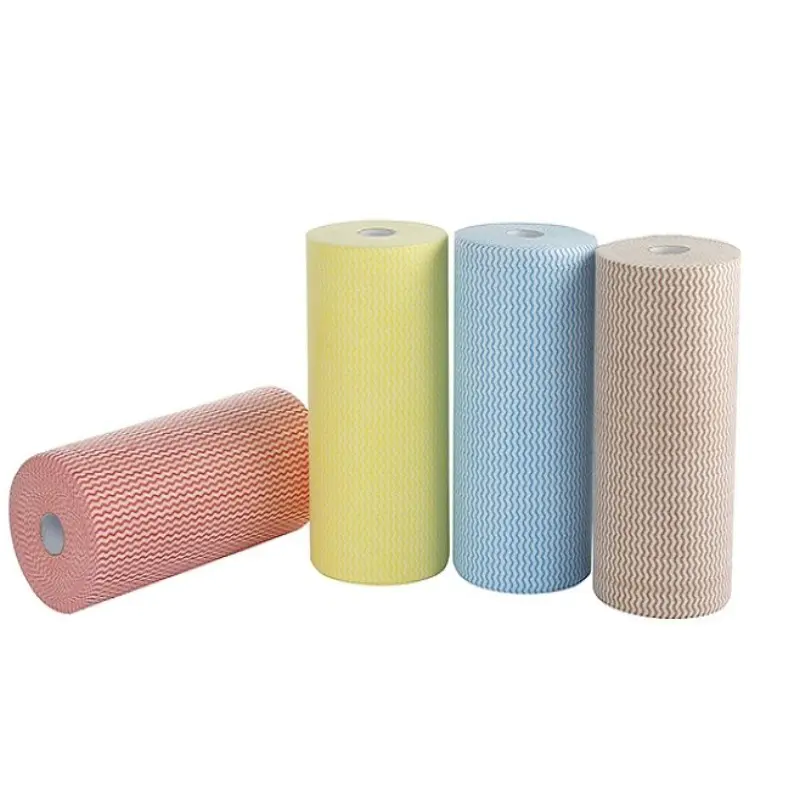
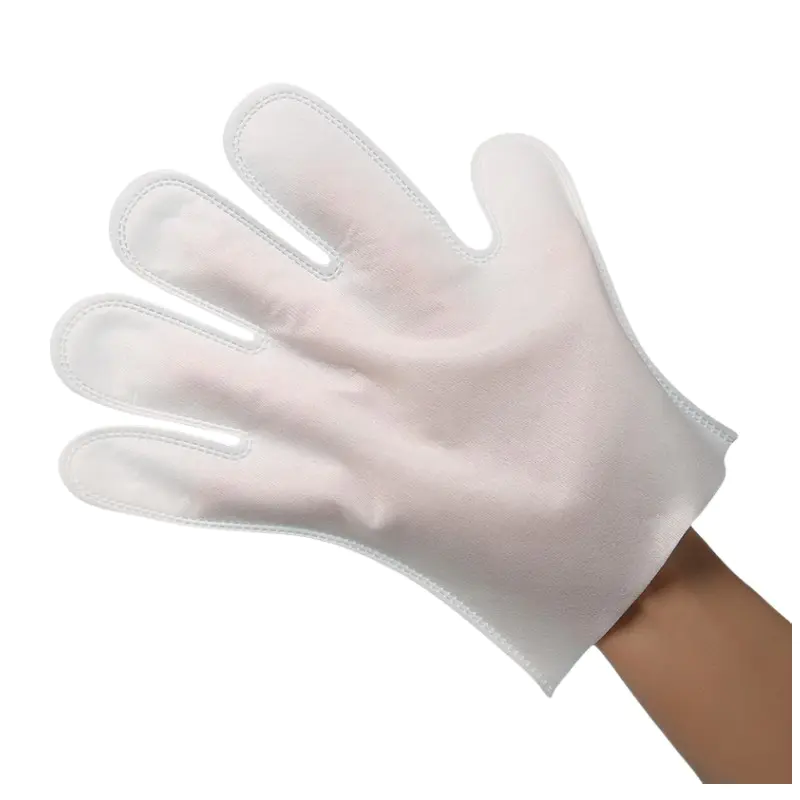
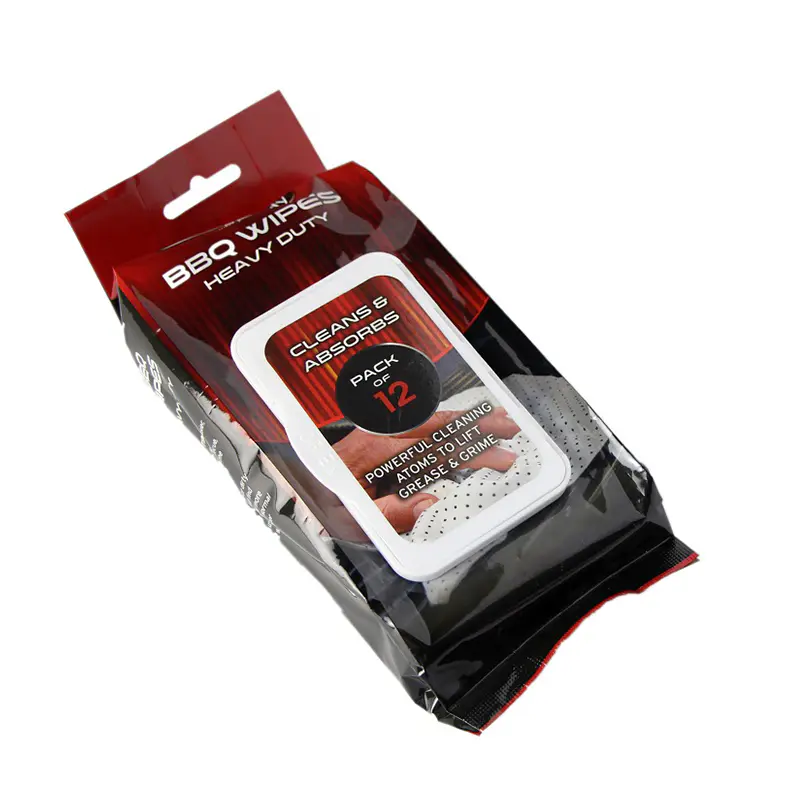
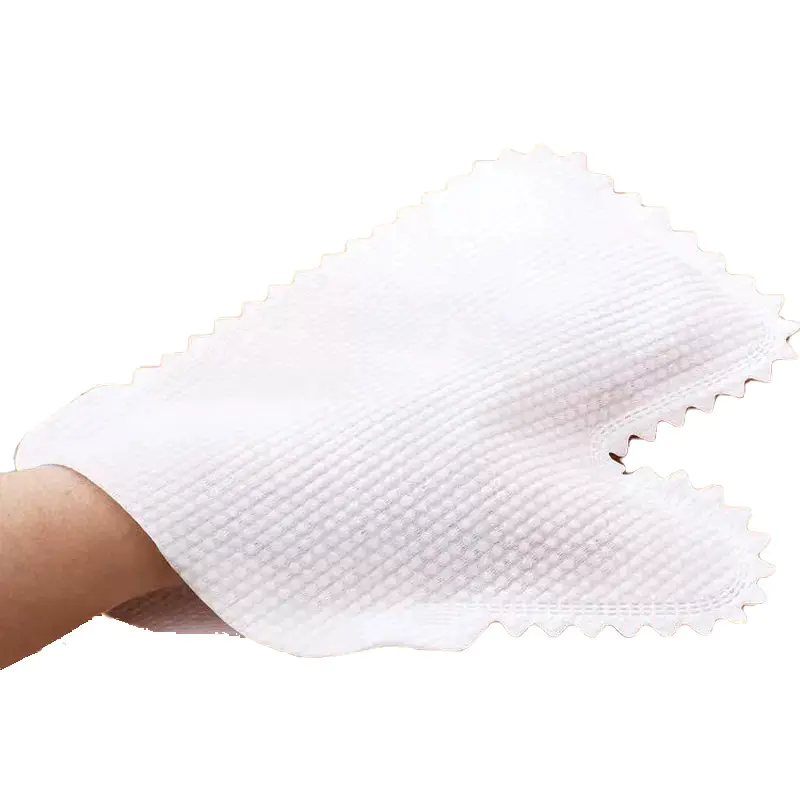
Soft Lint-Free Disposable Household Cleaning Wipe

Content
Nonwoven cleaning wipes have revolutionized hygiene and maintenance protocols by offering a lint-free, highly absorbent, and disposable alternative to traditional woven textiles. Unlike paper towels that tear easily or cotton rags that harbor bacteria, nonwoven fabrics are engineered from bonded fibers to provide consistent strength and cleaning efficiency across various industrial, medical, and household applications.
These wipes are manufactured through processes that bond fibers together mechanically, thermally, or chemically, rather than weaving or knitting them. This structure allows for high porosity and fluid retention while maintaining structural integrity when wet. For professionals in healthcare, automotive, and electronics, switching to nonwoven wipes reduces cross-contamination risks and improves operational efficiency by eliminating the need for laundering reusable rags.
The market has seen a significant shift toward these materials due to their versatility. Whether used for delicate lens cleaning or heavy-duty grease removal, nonwoven wipes can be tailored with specific additives, textures, and strengths to meet precise cleaning requirements, making them an indispensable tool in modern sanitation strategies.
Not all nonwoven wipes are created equal. The manufacturing process determines the texture, strength, and suitability of the wipe for specific tasks.
Spunlace technology uses high-pressure water jets to entangle fibers, creating a soft, cloth-like feel without chemical binders. This method is ideal for personal care, facial cleansing, and premium household wipes. Spunlace wipes are known for their low linting properties and gentle touch, making them safe for sensitive surfaces and skin. They are typically made from viscose, polyester, or cotton blends.
SMS nonwovens combine the strength of spunbond layers with the filtration and barrier properties of meltblown layers. These wipes are commonly used in medical and protective applications where fluid resistance and bacterial barrier protection are critical. While less soft than spunlace, SMS materials offer superior durability and protection against hazardous liquids.
Airlaid processes use air to distribute fibers, resulting in a bulky, highly absorbent material often used for heavy-duty industrial cleaning. Wetlaid technology, similar to papermaking, suspends fibers in water before bonding, creating uniform sheets with excellent wet strength. These types are frequently found in automotive workshops and kitchen environments where high liquid capacity is required.
| Process Type | Key Characteristics | Primary Applications | Cost Level |
|---|---|---|---|
| Spunlace | Soft, low lint, flexible | Personal care, electronics | Medium-High |
| SMS | Barrier protection, strong | Medical, hazmat cleanup | Medium |
| Airlaid | High absorbency, bulky | Industrial degreasing | Low-Medium |
| Spunbond | Durable, rougher texture | Heavy-duty scrubbing | Low |
Transitioning from woven cotton rags or paper towels to nonwoven cleaning wipes offers several tangible benefits for businesses and households.
Reusable cloths can harbor millions of bacteria if not laundered at high temperatures with proper disinfectants. Nonwoven wipes are single-use, ensuring that each cleaning action starts with a sterile surface. This is critical in healthcare settings, food preparation areas, and cleanrooms where cross-contamination can lead to serious health risks or product spoilage.
Traditional cotton rags shed fibers that can contaminate sensitive equipment. Nonwoven wipes, especially spunlace varieties, are engineered to be low-linting or lint-free. This makes them the preferred choice for cleaning optical lenses, computer screens, automotive paint jobs, and precision machinery where even microscopic particles can cause defects or malfunction.
While the per-unit cost of nonwoven wipes may appear higher than reusable rags, the total cost of ownership is often lower. Eliminating laundry services saves on water, energy, detergents, and labor hours associated with sorting, washing, and folding. Studies suggest that facilities can reduce cleaning-related labor costs by up to 20% by switching to disposable nonwoven systems.
The versatility of nonwoven cleaning wipes allows them to serve diverse sectors with specialized requirements.
In hospitals and clinics, nonwoven wipes are used for patient hygiene, surface disinfection, and instrument cleaning. They are often impregnated with alcohol, quaternary ammonium compounds, or bleach to kill pathogens like MRSA and C. diff. The softness of spunlace wipes ensures patient comfort during bed baths, while the strength of SMS materials protects staff during hazardous spill cleanup.
Mechanics and detailers rely on heavy-duty nonwoven wipes for removing grease, oil, and grime from engines and parts. These wipes are designed to resist tearing when scrubbing rough metal surfaces. In aerospace, lint-free wipes are essential for cleaning avionics and composite materials, where fiber contamination could compromise safety systems.
Cleanroom environments require ISO-certified nonwoven wipes that generate minimal particles. These wipes are used to clean semiconductor wafers, hard disk drives, and optical components. They are typically manufactured in controlled environments and packaged to prevent contamination before use.
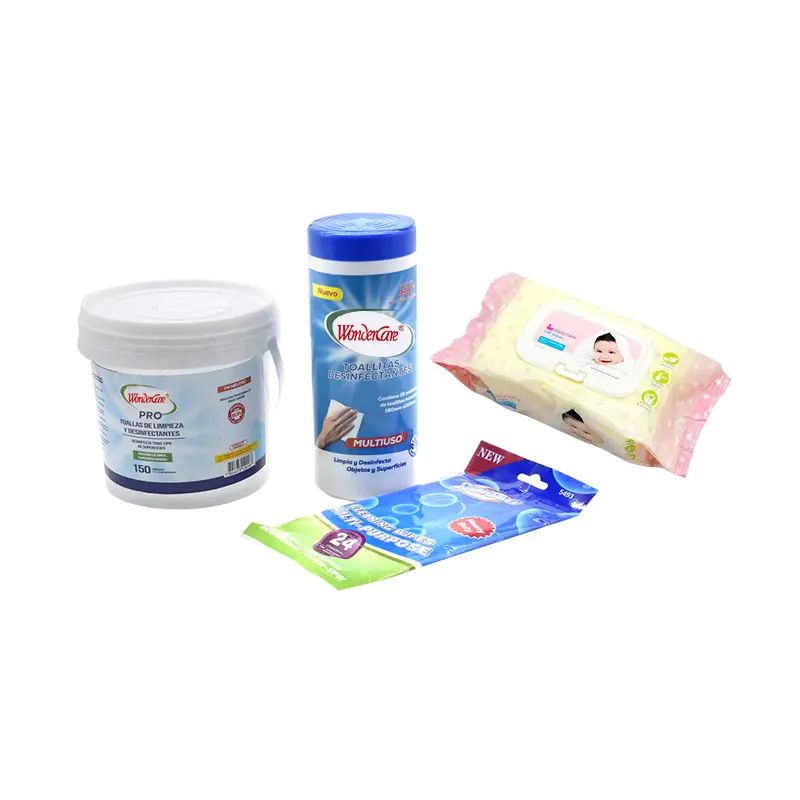
From baby wipes to kitchen surface cleaners, nonwoven technology has become ubiquitous in homes. The ability to infuse these wipes with lotions, fragrances, and cleaning agents provides convenience and effectiveness for daily chores. Flushable wipes, though controversial regarding sewage infrastructure, utilize special disintegrating nonwoven materials designed to break down faster than traditional plastics.
As the use of nonwoven cleaning wipes grows, so does the focus on their environmental impact. Manufacturers are responding with innovative solutions to address waste concerns.
Traditional nonwovens often contain polyester, a plastic that persists in landfills. Newer eco-friendly wipes use 100% natural fibers such as bamboo, wood pulp, and cotton. These materials are compostable under industrial conditions and biodegrade significantly faster than synthetic alternatives. Look for certifications like OK Compost or Seedling logos to verify claims.
Most used nonwoven wipes cannot be recycled due to contamination with chemicals, oils, or biological matter. Even clean industrial wipes are difficult to recycle because the bonding processes make fiber separation complex. Therefore, the focus remains on reducing material usage through thinner, stronger fabrics and developing effective waste-to-energy programs.
Consumers and businesses must dispose of nonwoven wipes properly. Unless explicitly labeled as "flushable" and certified by relevant water authorities, wipes should never be flushed down toilets, as they can cause blockages in sewage systems. Industrial wipes contaminated with hazardous substances must be disposed of according to local environmental regulations.
Nonwoven cleaning wipes represent a critical advancement in hygiene and maintenance technology. By offering superior cleanliness, efficiency, and specialization, they outperform traditional methods in many professional settings. As sustainability initiatives drive innovation, the future of nonwovens lies in balancing performance with environmental responsibility, ensuring these essential tools remain effective without compromising the planet.

JIAXING HONGJIE COMMODITY CO., LTD is located near Shanghai and Hangzhou in Jiaxing City, Zhejiang Province, China. We are trading& manufactory company. our factory and office are in Jiaxing city.

Factory Add: 3rd floor, BLDG 3, No.379 Ziyu Road, Daqiao Industrial Zone, Jiaxing, Zhejiang, China.

+86-573-82313085

+86-573-82091210

Copyright © JIAXING HONGJIE COMMODITY CO., LTD
The information provided on this website is intended for use only in countries and jurisdictions outside of the People's Republic of China.
Wholesale Nonwoven Wet Wipes Manufacturers
