 Search for...
 English
 Español
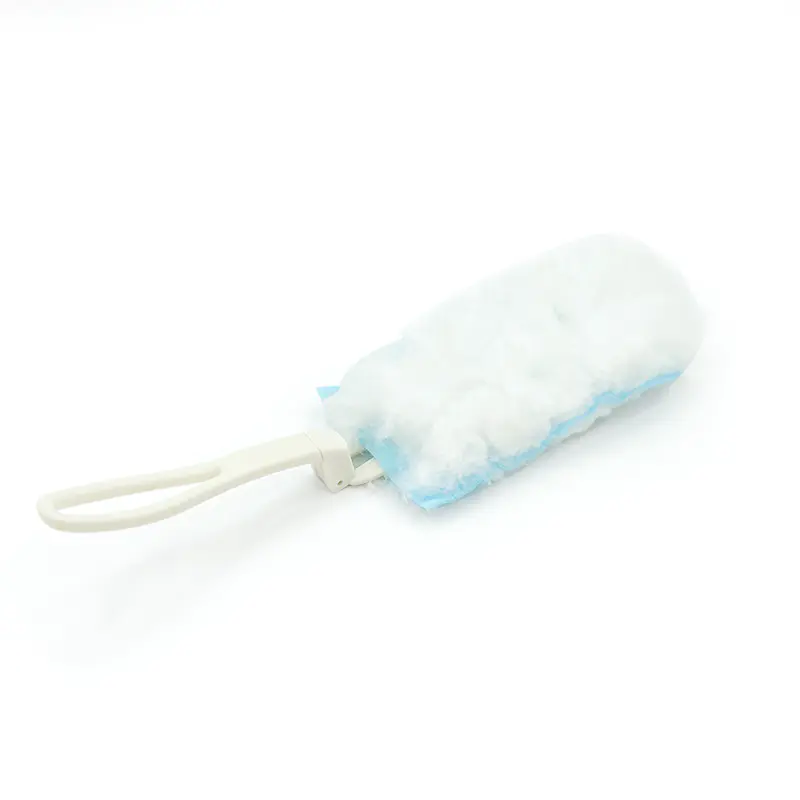
Soft Lint-Free Disposable Household Cleaning Wipe

Content
Choosing the correct disposable gloves is a critical decision that directly impacts workplace safety, hygiene standards, and operational efficiency. The primary conclusion for any procurement or safety officer is that material compatibility and task-specific durability must take precedence over cost alone. While vinyl gloves may suffice for low-risk food handling, healthcare and industrial environments require the superior chemical resistance and puncture protection offered by nitrile or latex variants.
A mismatch between glove material and the hazard can lead to catastrophic failure, such as chemical permeation or viral exposure. For instance, standard vinyl gloves can degrade in under 5 minutes when exposed to certain organic solvents, whereas high-quality nitrile gloves can provide protection for over 4 hours. Understanding these performance differences is essential for maintaining compliance with safety regulations like OSHA and EN standards.
The three most common materials for disposable gloves each offer distinct advantages and limitations. Selecting the right one depends on the specific risks present in the work environment.
Nitrile gloves are made from synthetic rubber, making them ideal for users with latex allergies. They offer exceptional puncture resistance, being up to 3-5 times more resistant than latex or vinyl. This makes them the preferred choice for medical examinations, automotive work, and handling hazardous chemicals. Their tight fit also enhances tactile sensitivity, allowing for precise manipulation of small instruments.
Natural latex gloves provide the best fit and comfort due to their high elasticity. They conform to the hand quickly, reducing fatigue during long shifts. However, the risk of Type I allergic reactions limits their use in many healthcare settings. Despite this, they remain popular in dental and surgical applications where maximum dexterity is required and allergy protocols are strictly managed.
Vinyl gloves are made from PVC and are generally the most affordable option. They are suitable for short-duration, low-risk tasks such as food preparation or hair coloring. However, they lack the elastic recovery of latex and nitrile, leading to a looser fit and higher risk of tearing. They should never be used for handling bodily fluids or hazardous chemicals.
| Feature | Nitrile | Latex | Vinyl |
|---|---|---|---|
| Puncture Resistance | High | Medium | Low |
| Chemical Resistance | Excellent | Good | Poor |
| Allergy Risk | None | High | Low |
| Cost | High | Medium | Low |
Glove thickness is a key determinant of durability and protection level, measured in mils (1 mil = 0.001 inch). Selecting the appropriate thickness ensures that the gloves do not tear during use while maintaining necessary tactile sensitivity.
Standard examination gloves typically range from 3 to 5 mils in thickness. These are suitable for medical exams and light cleaning. For industrial applications or handling sharp objects, heavy-duty gloves with a thickness of 6 to 8 mils or more are recommended. Studies show that increasing thickness from 4 mil to 6 mil can improve puncture resistance by up to 50%, significantly reducing the risk of exposure.
Ensuring that disposable gloves meet international safety standards is non-negotiable for regulatory compliance. Different regions have specific certifications that indicate the level of protection provided.
In the United States, the FDA regulates medical gloves, requiring them to meet strict criteria for pinhole defects (AQL). The Acceptable Quality Limit (AQL) for medical gloves is typically 1.5 or lower, meaning fewer than 1.5% of gloves can have defects. In Europe, the EN 455 standard sets similar requirements for medical devices, while EN 374 covers protection against chemicals and microorganisms.
Even the highest quality disposable gloves fail if used incorrectly. Proper donning and doffing techniques are essential to prevent contamination. Users should always inspect gloves for tears before use and avoid touching clean surfaces with contaminated gloves.
Disposal methods vary by material and contamination level. Latex and nitrile gloves are generally not biodegradable, contributing to environmental waste. However, newer bio-based nitrile options are emerging, offering faster decomposition rates in landfill conditions. Regardless of material, contaminated gloves must be disposed of as biomedical waste if exposed to pathogens, following local regulatory guidelines to prevent environmental and public health risks.

JIAXING HONGJIE COMMODITY CO., LTD is located near Shanghai and Hangzhou in Jiaxing City, Zhejiang Province, China. We are trading& manufactory company. our factory and office are in Jiaxing city.

Factory Add: 3rd floor, BLDG 3, No.379 Ziyu Road, Daqiao Industrial Zone, Jiaxing, Zhejiang, China.

+86-573-82313085

+86-573-82091210

Copyright © JIAXING HONGJIE COMMODITY CO., LTD
The information provided on this website is intended for use only in countries and jurisdictions outside of the People's Republic of China.
Wholesale Nonwoven Wet Wipes Manufacturers
