 Search for...
 English
 Español
Soft Lint-Free Disposable Household Cleaning Wipe

Content
Wet wipes have evolved from a convenient luxury into a fundamental component of daily hygiene and household cleaning. Their ability to provide immediate sanitation without the need for water or soap makes them indispensable in healthcare, childcare, and personal care routines. However, not all wipes are created equal. The efficacy and safety of a wet wipe depend heavily on its substrate material, the chemical composition of the lotion, and its intended use case.
Understanding these differences is crucial for consumers aiming to balance convenience with health and environmental responsibility. While traditional plastic-based wipes offer durability, they contribute significantly to global pollution. In contrast, newer biodegradable alternatives provide a sustainable path forward, though they often require specific disposal methods to decompose effectively. Making an informed choice means evaluating both the immediate utility and the long-term impact of the product.
The substrate, or the fabric of the wipe, is the primary determinant of its environmental footprint. Historically, most wet wipes were made from non-woven plastics like polypropylene or polyester. These materials are durable and resistant to tearing but can take hundreds of years to degrade, contributing to microplastic pollution in oceans and landfills.
Modern innovations have introduced plant-based alternatives such as viscose, bamboo, and cotton. These materials are biodegradable under industrial composting conditions. However, consumers must be cautious of "flushable" claims. Even biodegradable wipes do not break down quickly enough in sewage systems and can cause significant blockages, known as "fatbergs," in municipal infrastructure.
| Material Type | Biodegradability | Durability | Environmental Risk |
|---|---|---|---|
| Polyester/Polypropylene | Non-Biodegradable | High | High (Microplastics) |
| Viscose/Rayon | Biodegradable (Industrial) | Medium | Medium (Deforestation) |
| Bamboo/Cotton | Biodegradable (Home/Industrial) | Medium-High | Low (Sustainable Sourcing) |
The lotion infused into wet wipes is just as important as the fabric. It typically consists of water, preservatives, moisturizers, and cleaning agents. For individuals with sensitive skin, infants, or those with conditions like eczema, the chemical profile of these ingredients can trigger irritation or allergic reactions.
Because wet wipes are moist environments, they are prone to bacterial and fungal growth. Preservatives like methylisothiazolinone (MIT) and parabens are commonly used to prevent this. However, MIT has been linked to contact dermatitis in a significant number of users. Many modern brands are now shifting towards paraben-free and MIT-free formulations, using alternative preservation systems like phenoxyethanol or natural extracts like grapefruit seed extract.
Fragrances, whether synthetic or natural essential oils, are a leading cause of skin irritation. Alcohol, while effective for disinfection, can strip the skin of its natural oils, leading to dryness and cracking. For daily personal care, alcohol-free and fragrance-free options are recommended to maintain the skin's natural barrier function.
Despite marketing claims, the vast majority of wet wipes should never be flushed down the toilet. Even those labeled "flushable" do not disintegrate rapidly enough to pass through sewage pumps and screening systems, leading to costly infrastructure damage and environmental contamination.
The only safe disposal method for most wet wipes is in the general waste bin. For biodegradable wipes made from natural fibers, home composting is an option only if the wipes are free of synthetic additives and plastics. Industrial composting facilities can handle a wider range of biodegradable materials, but access to such facilities varies by region.
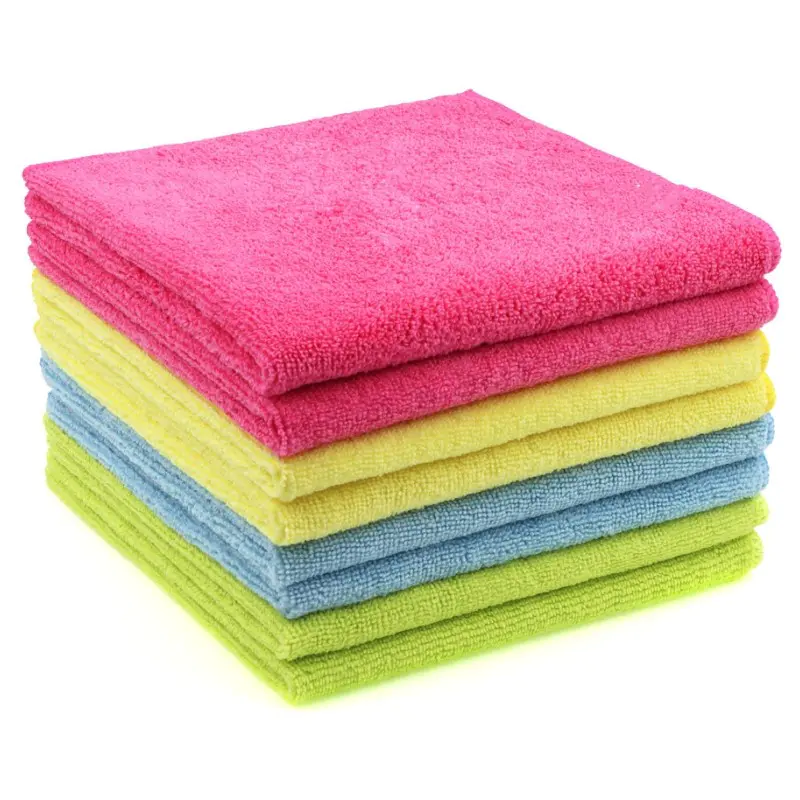
To minimize waste, consider using reusable cloth wipes for household cleaning tasks. These can be washed and reused hundreds of times, significantly reducing the volume of single-use waste generated. For personal hygiene, carrying a small pack of high-quality, biodegradable wipes ensures you are prepared for emergencies without compromising your environmental values.
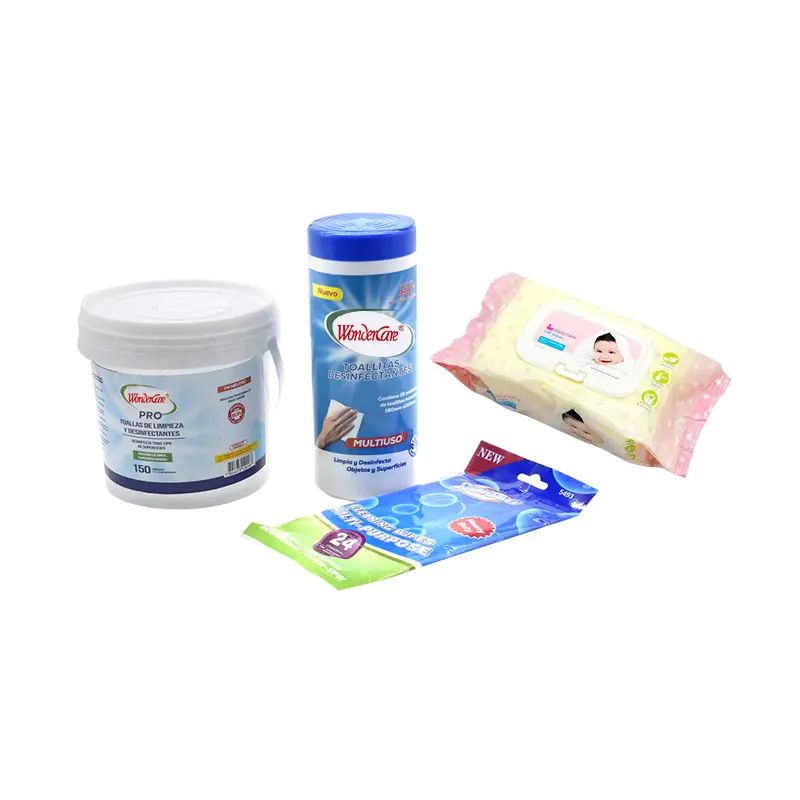
With a myriad of options available, selecting the right wet wipe depends on the specific application. Baby wipes prioritize gentleness and moisture, while disinfecting wipes focus on efficacy against pathogens. Understanding these distinctions helps consumers make safer and more effective choices.
For healthcare settings, wipes containing 70% isopropyl alcohol or quaternary ammonium compounds are standard for surface disinfection. These should never be used on skin. Conversely, personal hygiene wipes should be dermatologically tested and free from harsh chemicals. Always read the label carefully to ensure the product matches your intended use, and prioritize brands that transparently list their ingredients and sourcing practices.

JIAXING HONGJIE COMMODITY CO., LTD is located near Shanghai and Hangzhou in Jiaxing City, Zhejiang Province, China. We are trading& manufactory company. our factory and office are in Jiaxing city.

Factory Add: 3rd floor, BLDG 3, No.379 Ziyu Road, Daqiao Industrial Zone, Jiaxing, Zhejiang, China.

+86-573-82313085

+86-573-82091210

Copyright © JIAXING HONGJIE COMMODITY CO., LTD
The information provided on this website is intended for use only in countries and jurisdictions outside of the People's Republic of China.
Wholesale Nonwoven Wet Wipes Manufacturers
