 Search for...
 English
 Español
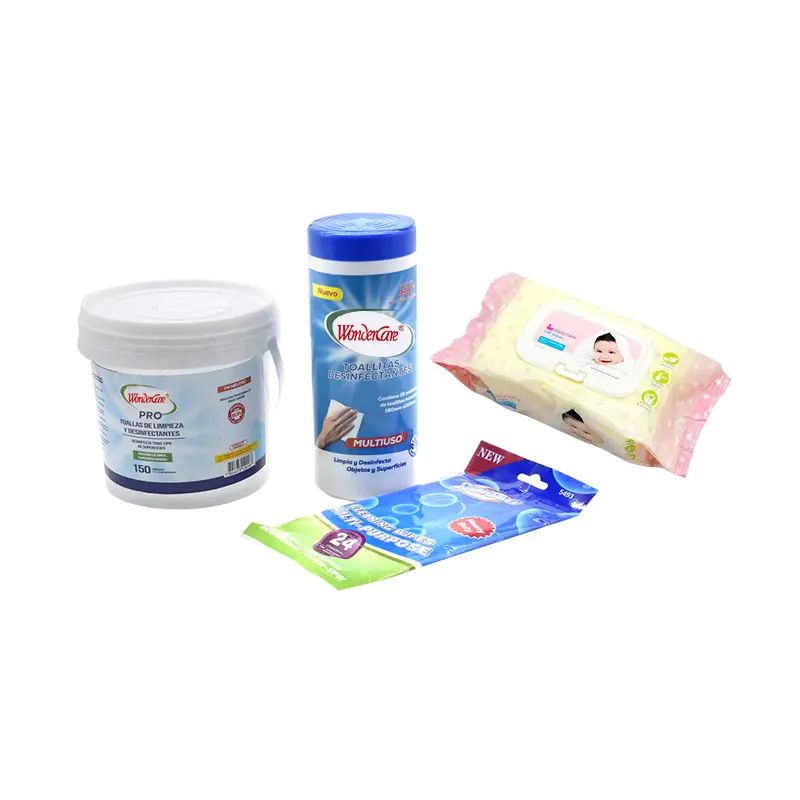
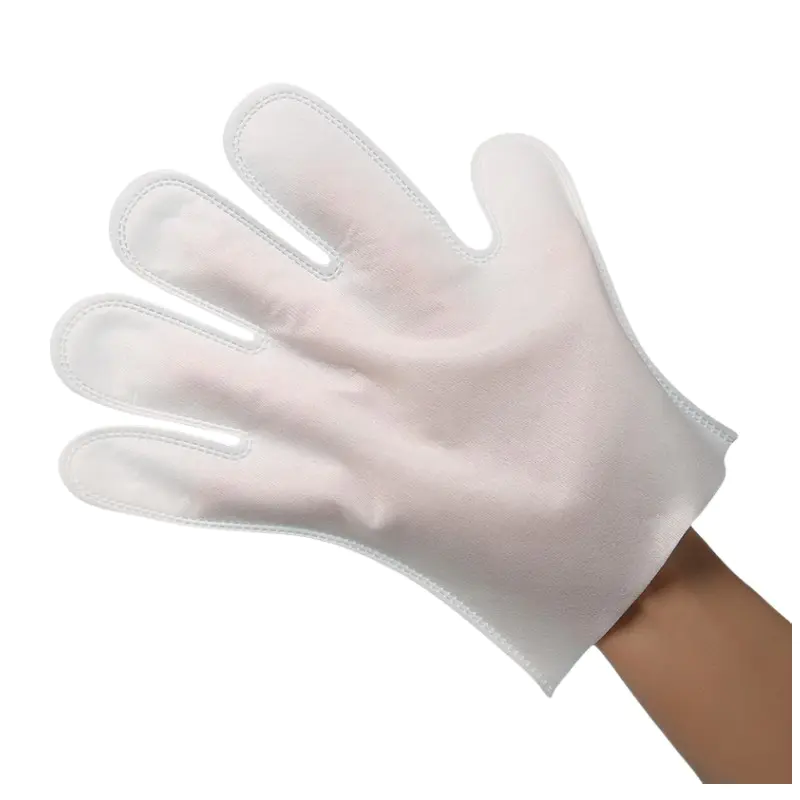
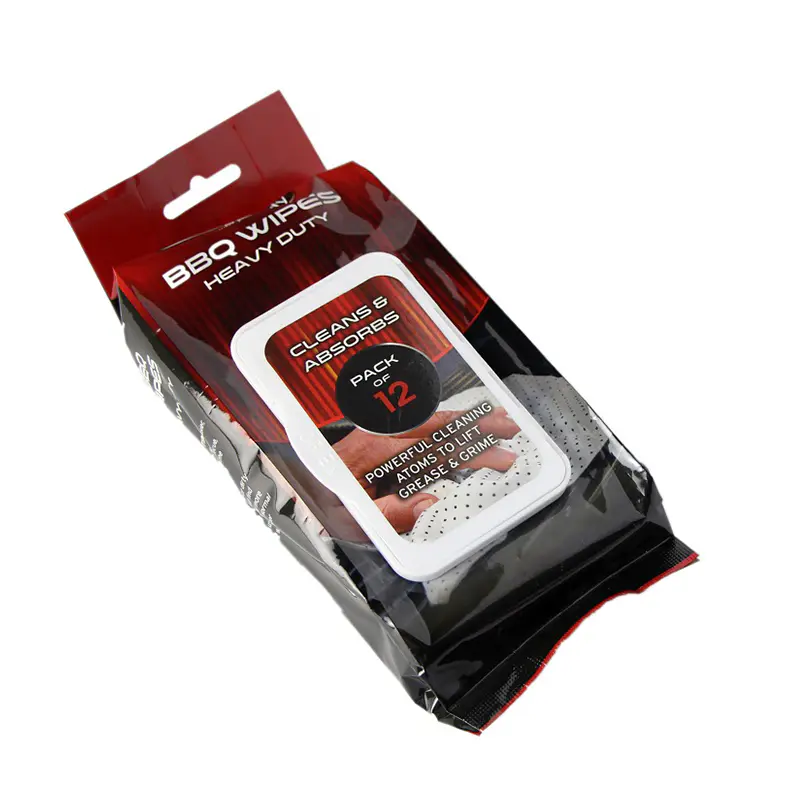
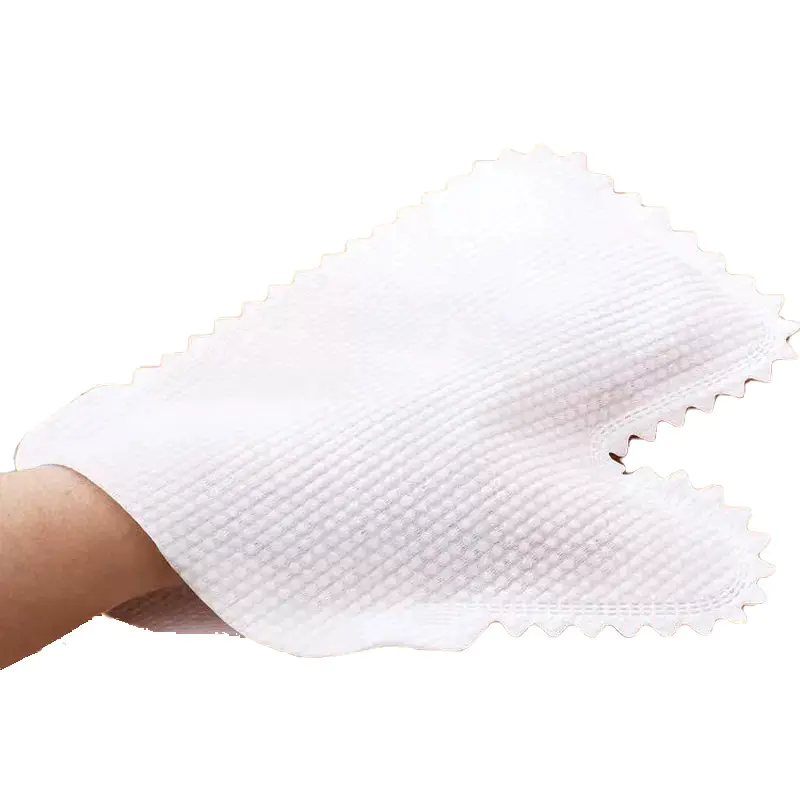
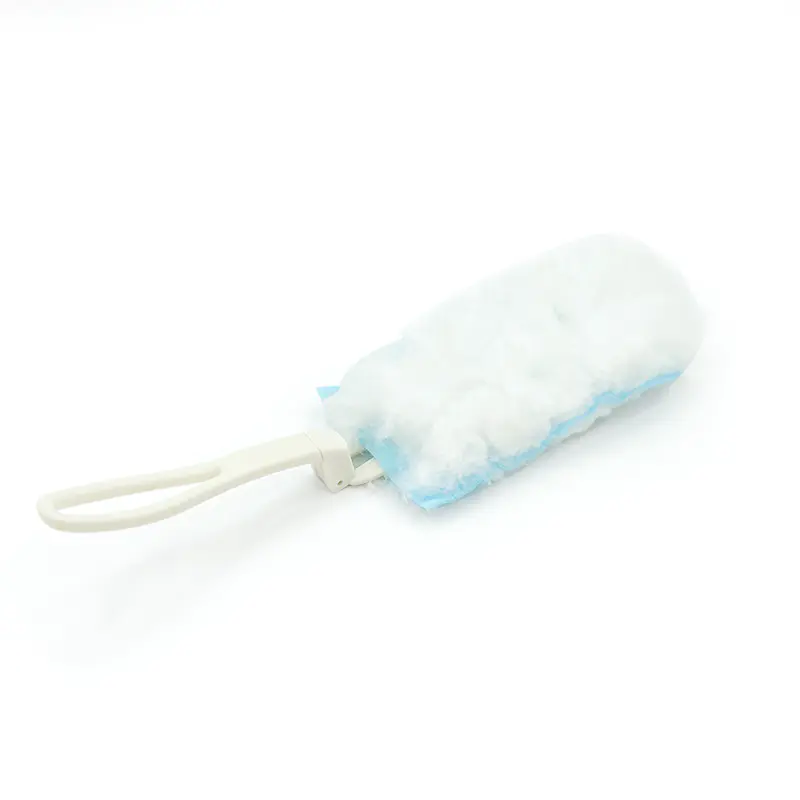
Soft Lint-Free Disposable Household Cleaning Wipe

Disposable mop pads have revolutionized floor maintenance by offering a hygienic, convenient, and highly effective alternative to traditional string mops. These single-use or limited-use attachments are designed to trap dust, hair, and grime without the need for buckets, wringing, or laundering. For modern households and commercial facilities, they represent a shift towards efficiency and cross-contamination prevention.
The primary advantage of using disposable mop pads is the assurance of cleanliness. Each pad provides a fresh cleaning surface, eliminating the risk of spreading bacteria from one room to another. While the recurring cost of purchasing pads is higher than buying a single cotton mop head, the savings in time, water, and cleaning chemicals often justify the expense for busy environments.
Content
Not all disposable mop pads are created equal. They are engineered with specific materials and textures to address different cleaning challenges, primarily categorized into dry dusting and wet cleaning variants.
Dry pads are typically made from electrostatic microfiber or non-woven synthetic materials. Their primary function is to attract and lock in dust, pet hair, and allergens through static electricity and mechanical trapping. These pads are ideal for daily maintenance on hardwood, laminate, and tile floors. A high-quality dry pad can hold up to 50% more dust than a traditional feather duster, reducing airborne particulates significantly.
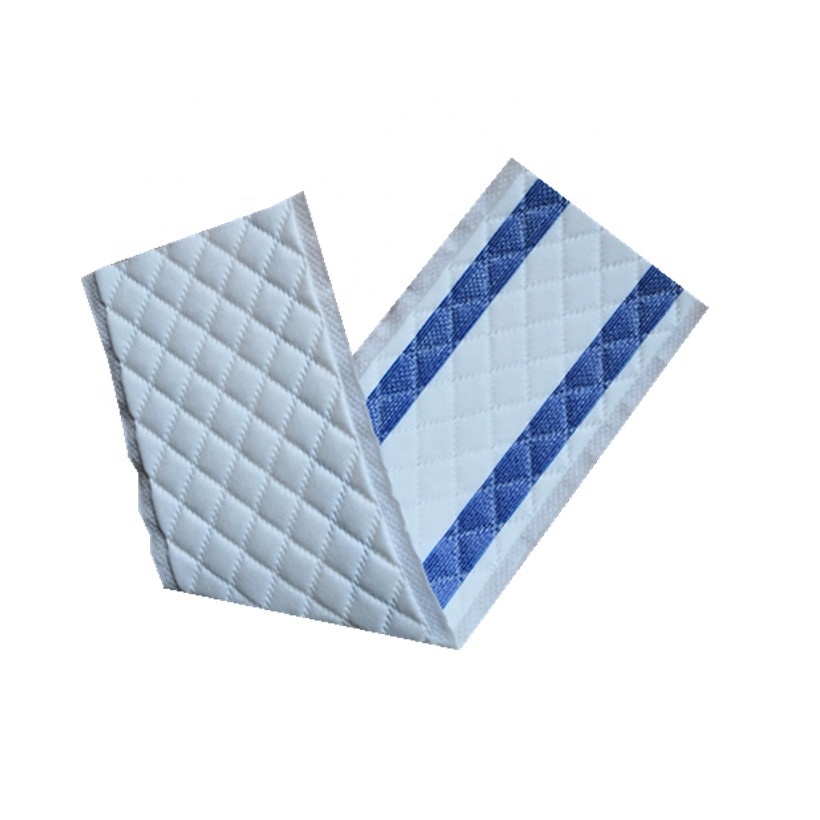
Wet pads are infused with cleaning solutions or designed to be used with user-applied sprays. They feature textured surfaces, such as scrubbing stripes or ridges, to break down stuck-on messes like dried food or footprints. Many wet pads contain mild detergents that dissolve grease while being safe for sealed hard floors. For heavy-duty tasks, some pads include abrasive elements capable of removing scuff marks without damaging the floor finish.
One of the most critical yet overlooked aspects of floor cleaning is cross-contamination. Traditional mops, when reused, become reservoirs for bacteria. Studies have shown that conventional mop heads can spread E. coli and Salmonella across multiple rooms if not properly sanitized between uses. Disposable mop pads eliminate this risk entirely.
By using a fresh pad for each room or zone, users ensure that dirt from the kitchen is not transferred to the bathroom or bedroom. This is particularly vital in homes with pets, young children, or individuals with allergies. In commercial settings, such as healthcare facilities or restaurants, this level of hygiene compliance is often mandatory.
| Factor | Disposable Mop Pads | Traditional Cotton Mop |
|---|---|---|
| Bacteria Spread | Minimal (Single Use) | High (If not sanitized) |
| Allergen Trapping | High (Electrostatic) | Low (Pushes dust) |
| Maintenance | None (Discard after use) | High (Wash/Dry) |
Critics of disposable mop pads often cite environmental concerns and recurring costs. However, a deeper analysis reveals a nuanced picture regarding resource consumption and long-term value.
While a pack of disposable pads may cost $10-$20 per month for an average household, this figure must be weighed against the costs of traditional cleaning. Traditional mopping requires water, electricity for washing machines, detergents, and the replacement of mop heads every few months. When factoring in labor time—disposable mops can reduce cleaning time by 30-40% due to setup and teardown convenience—the economic gap narrows significantly.
Most disposable mop pads are made from polypropylene or polyester, which are not biodegradable. However, many manufacturers are introducing recyclable programs or using recycled materials in their production. Additionally, the reduction in water usage is substantial. A traditional mop bucket uses several gallons of water per cleaning session, whereas disposable mops require none. For eco-conscious consumers, looking for brands with biodegradable options or bulk packaging to reduce plastic waste is a recommended strategy.
To get the most out of your disposable mop pads, proper technique is essential. Incorrect usage can lead to streaking, wasted pads, or incomplete cleaning.
In conclusion, disposable mop pads offer a superior balance of hygiene, convenience, and cleaning performance for modern living. By understanding the different types and employing best practices, users can maintain pristine floors with minimal effort and maximum sanitary protection.

JIAXING HONGJIE COMMODITY CO., LTD is located near Shanghai and Hangzhou in Jiaxing City, Zhejiang Province, China. We are trading& manufactory company. our factory and office are in Jiaxing city.

Factory Add: 3rd floor, BLDG 3, No.379 Ziyu Road, Daqiao Industrial Zone, Jiaxing, Zhejiang, China.

+86-573-82313085

+86-573-82091210

Copyright © JIAXING HONGJIE COMMODITY CO., LTD
The information provided on this website is intended for use only in countries and jurisdictions outside of the People's Republic of China.
Wholesale Nonwoven Wet Wipes Manufacturers
