 Search for...
 English
 Español
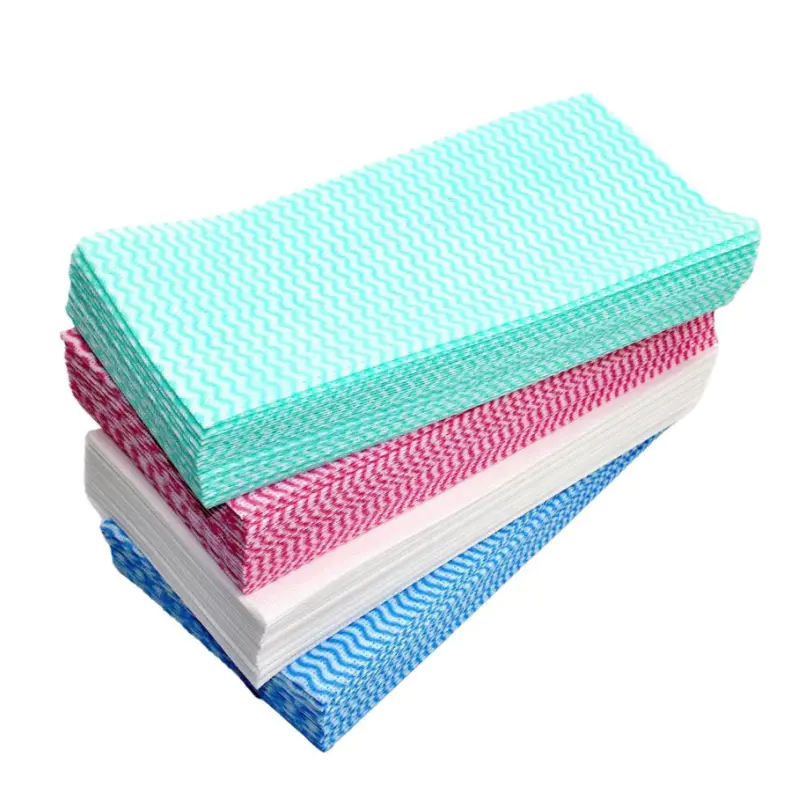
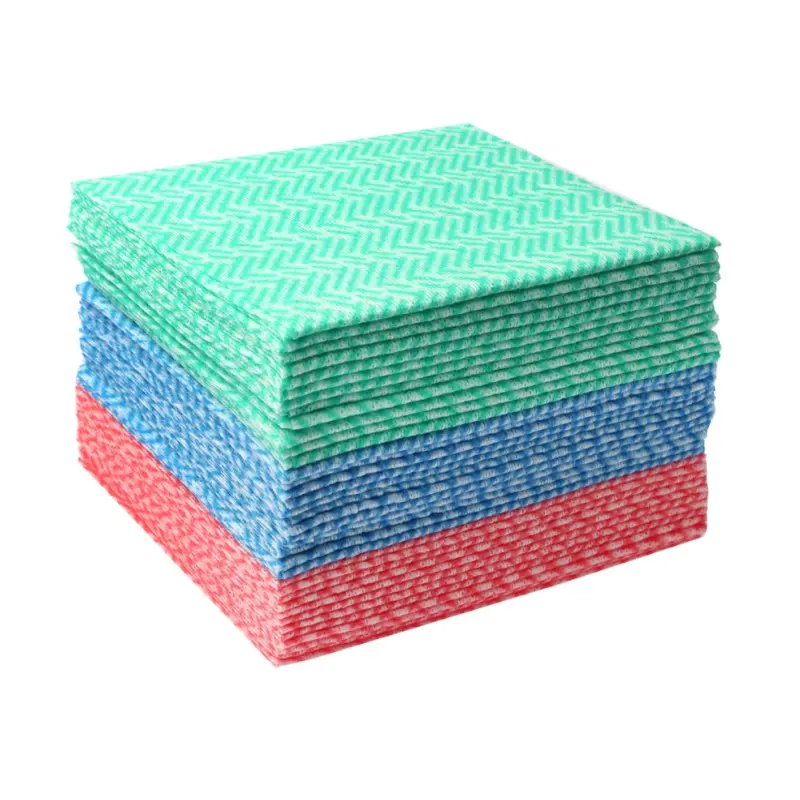
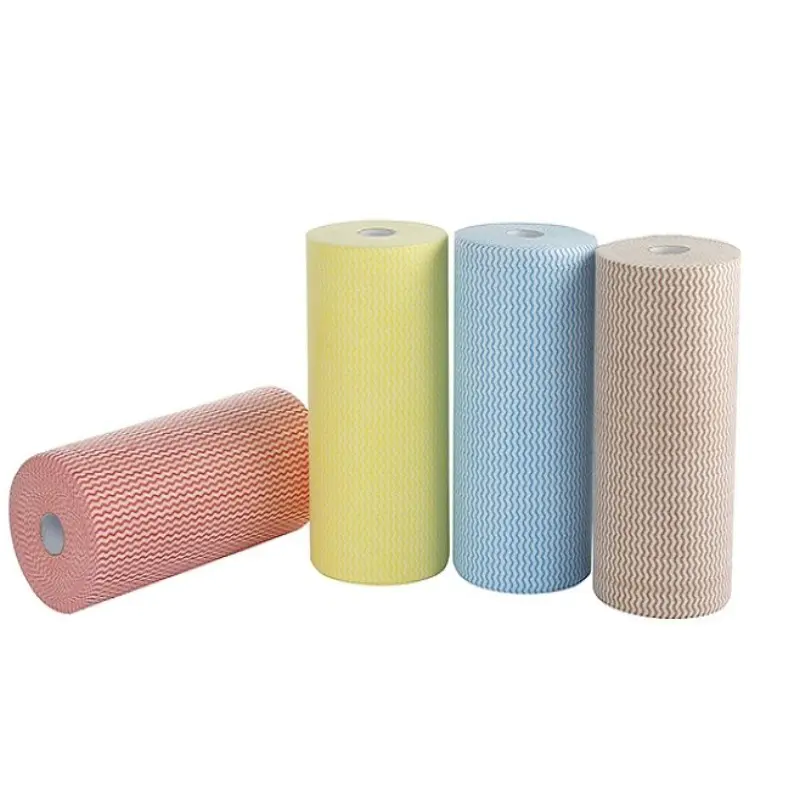
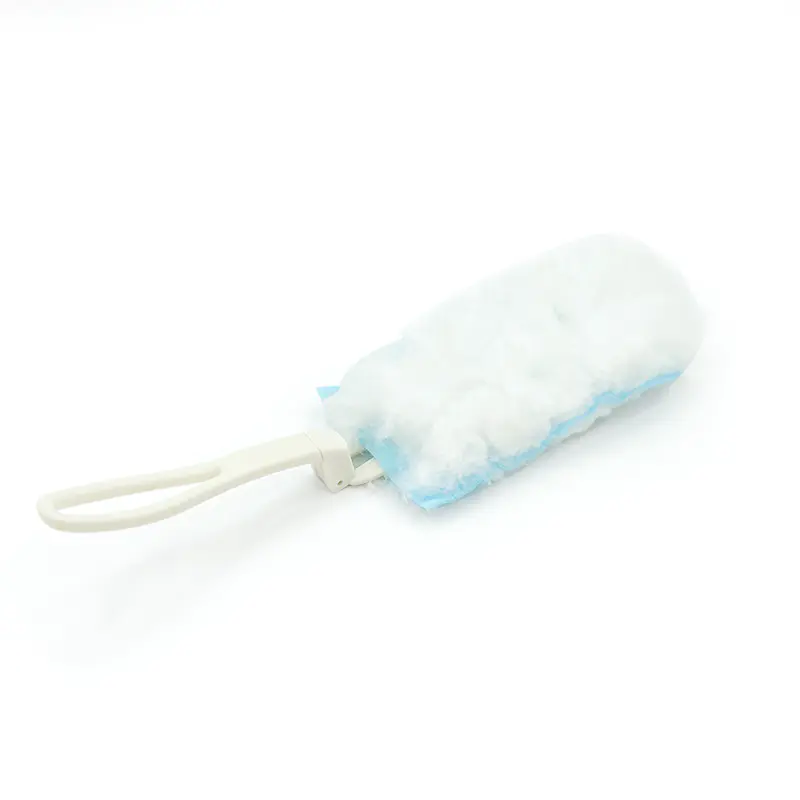
Soft Lint-Free Disposable Household Cleaning Wipe

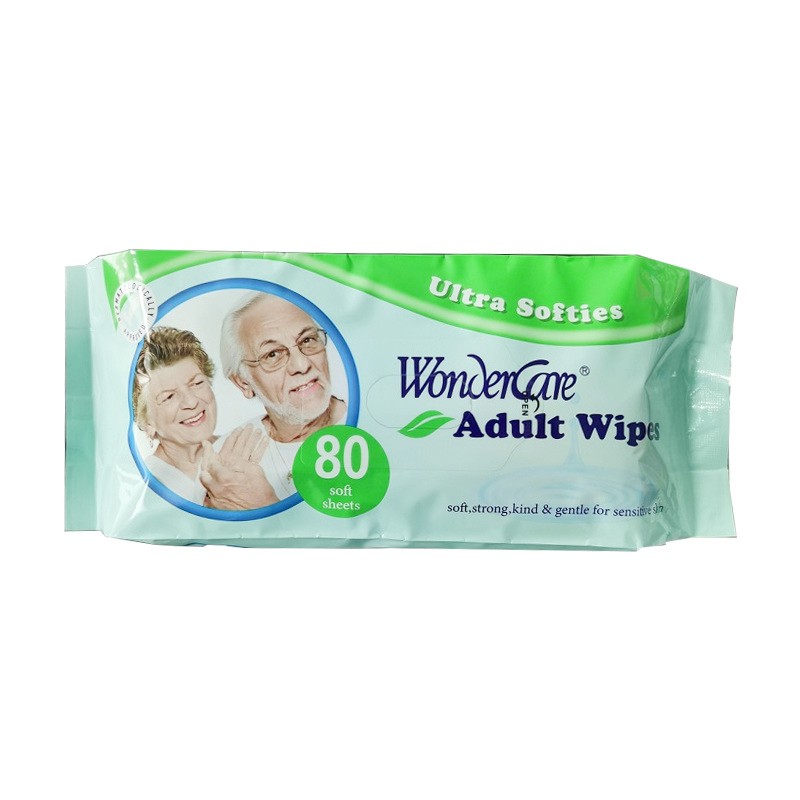
Wet wipes have become an indispensable part of modern hygiene, offering convenience for everything from baby care to household cleaning. However, their widespread use has sparked significant debate regarding environmental impact, skin health, and proper disposal. The core issue lies in the composition of the wipe itself and the chemical solutions it carries. While they provide immediate cleanliness, not all wet wipes are created equal, and understanding the differences is crucial for making safe and sustainable choices.
For consumers, the key takeaway is that most wet wipes are not flushable, regardless of packaging claims. Flushing them contributes to "fatbergs" in sewer systems and causes significant plumbing issues. Furthermore, individuals with sensitive skin should scrutinize ingredient lists for preservatives like methylisothiazolinone (MIT) and fragrances, which are common allergens. Opting for biodegradable, plastic-free options made from natural fibers like bamboo or cotton can mitigate environmental harm while maintaining hygiene standards.
Content
The substrate of a wet wipe determines its durability, texture, and environmental footprint. Traditionally, most wipes were made from non-woven fabrics containing polyester or polypropylene—essentially plastics. These materials are strong and resistant to tearing when wet, but they do not biodegrade.
Synthetic wet wipes are cost-effective and highly durable, making them popular for industrial and heavy-duty cleaning tasks. However, when disposed of in landfills, they can persist for hundreds of years, breaking down into microplastics that contaminate soil and water systems. Even "flushable" synthetic wipes often fail to disintegrate quickly enough to pass through municipal sewage screens, leading to blockages.
Modern eco-friendly wet wipes utilize plant-based materials such as viscose from bamboo, wood pulp, or cotton. These fibers are biodegradable and compostable under industrial conditions. Bamboo, in particular, is a rapidly renewable resource that requires less water and no pesticides. Wipes made from 100% plant-based fibers break down significantly faster than synthetic counterparts, reducing their long-term environmental impact. Consumers should look for certifications like OK Compost or FSC (Forest Stewardship Council) to verify these claims.
The liquid solution in wet wipes typically consists of water, cleansers, moisturizers, and preservatives. While convenient, some ingredients can cause skin irritation, allergic reactions, or disrupt the skin's natural barrier, especially in infants and individuals with eczema.
| Ingredient | Function | Potential Concerns |
|---|---|---|
| Methylisothiazolinone (MIT) | Preservative | High allergen risk; banned in leave-on products in EU |
| Fragrance/Parfum | Scent | Common irritant; may contain phthalates |
| Alcohol (Ethanol/Isopropanol) | Disinfectant/Drying agent | Dries out skin; causes stinging on broken skin |
| Aloe Vera/Chamomile | Soothing agent | Generally safe; beneficial for sensitive skin |
For baby wipes and facial cleansers, it is advisable to choose products labeled "fragrance-free" and "alcohol-free." Water-based wipes with minimal ingredients are the safest option for newborns. Preservative-free wipes are also available but must be used quickly after opening to prevent bacterial growth, as they lack the chemicals that extend shelf life.
One of the most persistent misconceptions about wet wipes is that they are safe to flush. Many packages bear the label "flushable," suggesting they disintegrate like toilet paper. In reality, even wipes marketed as flushable take significantly longer to break down and often remain intact throughout the sewage treatment process.
Wet wipes do not disperse in water. Instead, they accumulate with fats, oils, and grease to form massive blockages known as fatbergs. These obstructions can cause sewage overflows, damage pumping equipment, and result in costly repairs for municipalities. In the UK alone, utilities spend over £100 million annually clearing blockages caused by inappropriate items, with wipes being a primary culprit.
The only safe way to dispose of wet wipes is in the trash bin, regardless of their material composition. Even biodegradable wipes require specific industrial composting conditions to break down effectively and should not be flushed. For home composting, check if the wipe is certified for home compostability, as many "biodegradable" labels only apply to industrial facilities. Always seal used wipes in a bag before disposing to prevent odor and bacterial spread.
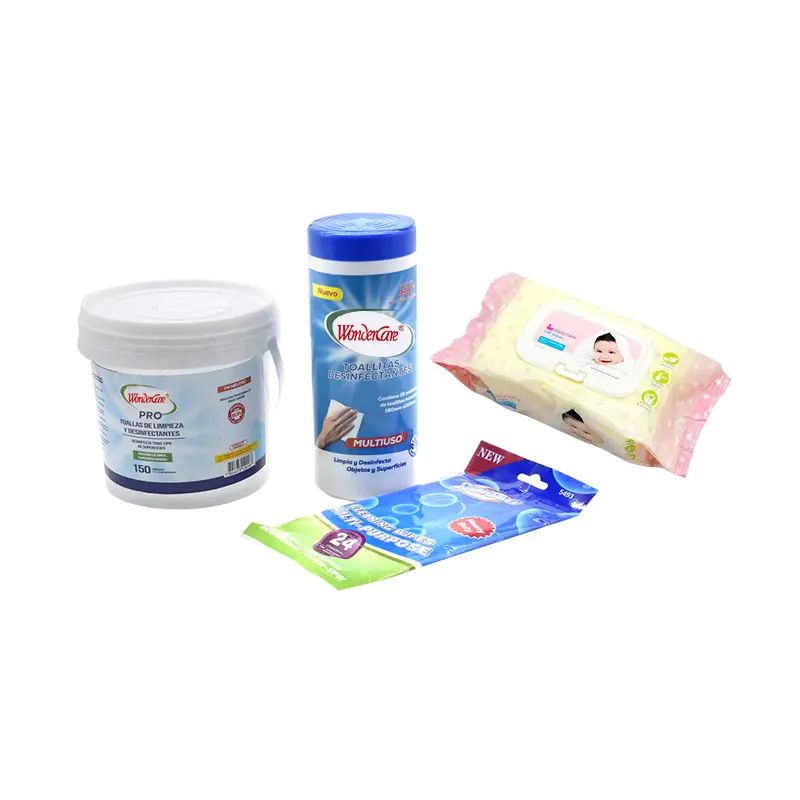
With a myriad of options available, selecting the right wet wipe depends on the intended use. Understanding the specific requirements for baby care, personal hygiene, and household cleaning can help consumers make informed decisions.
By selecting the appropriate product and disposing of it correctly, consumers can enjoy the convenience of wet wipes while minimizing health risks and environmental damage.

JIAXING HONGJIE COMMODITY CO., LTD is located near Shanghai and Hangzhou in Jiaxing City, Zhejiang Province, China. We are trading& manufactory company. our factory and office are in Jiaxing city.

Factory Add: 3rd floor, BLDG 3, No.379 Ziyu Road, Daqiao Industrial Zone, Jiaxing, Zhejiang, China.

+86-573-82313085

+86-573-82091210

Copyright © JIAXING HONGJIE COMMODITY CO., LTD
The information provided on this website is intended for use only in countries and jurisdictions outside of the People's Republic of China.
Wholesale Nonwoven Wet Wipes Manufacturers
