 Search for...
 English
 Español
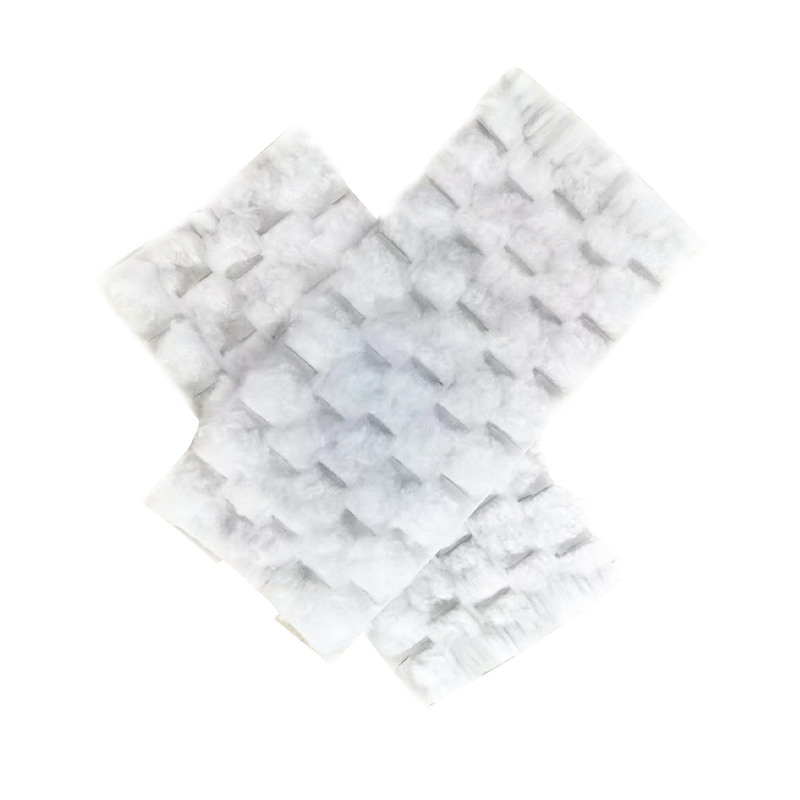
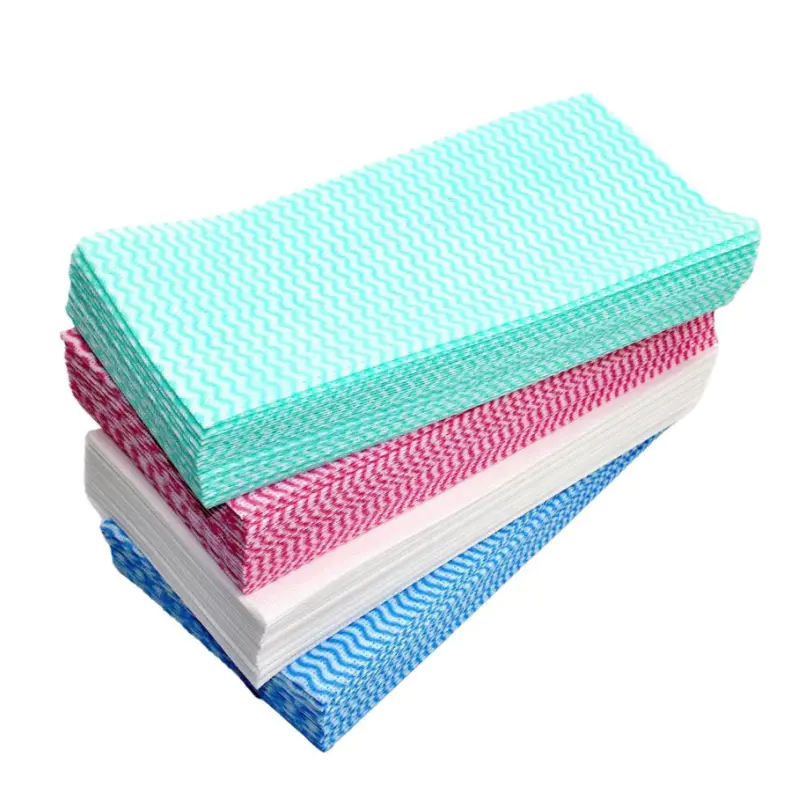
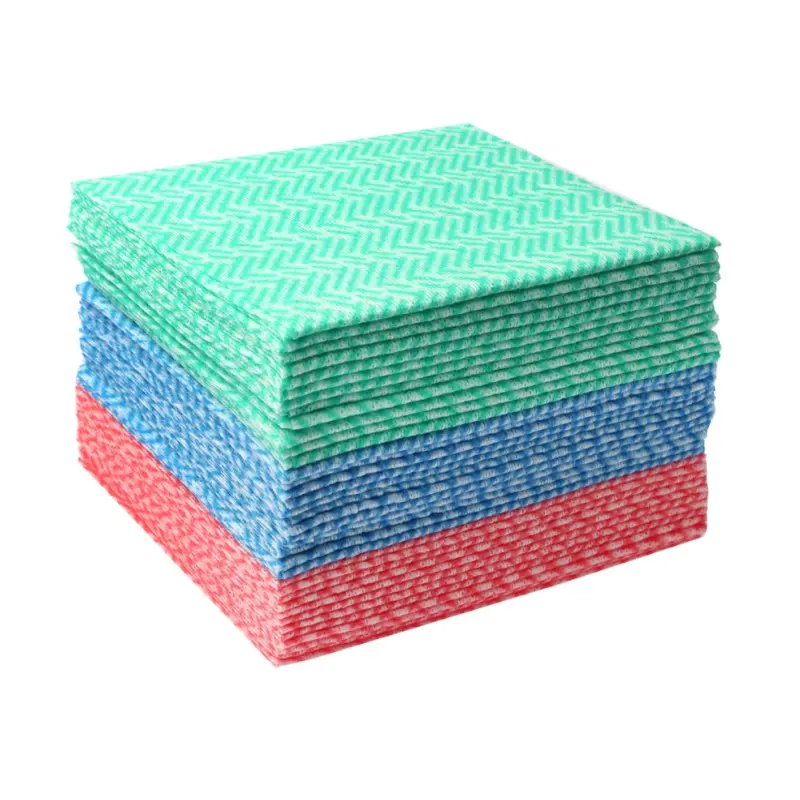
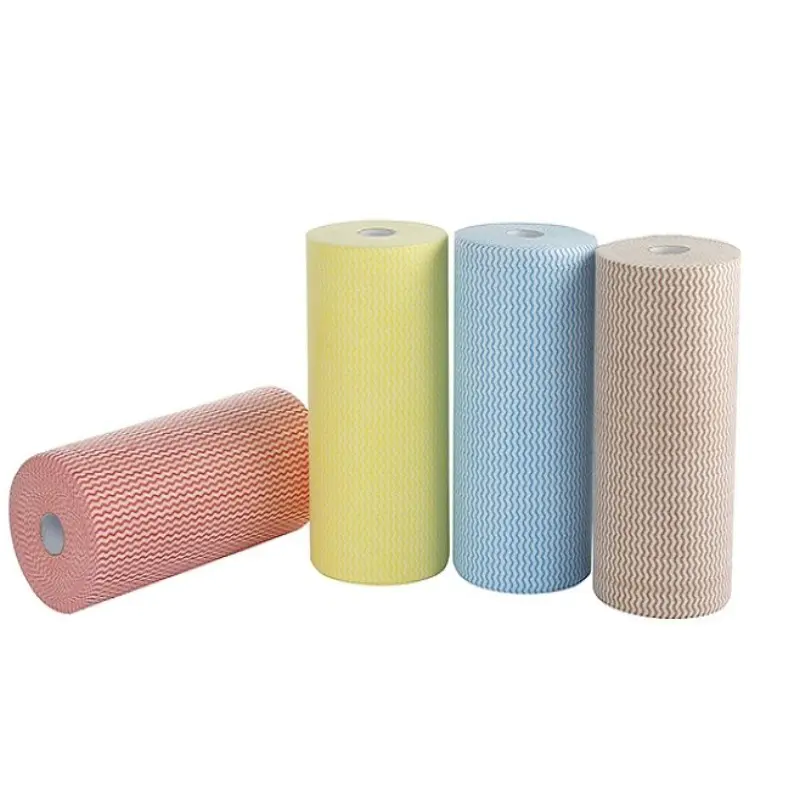
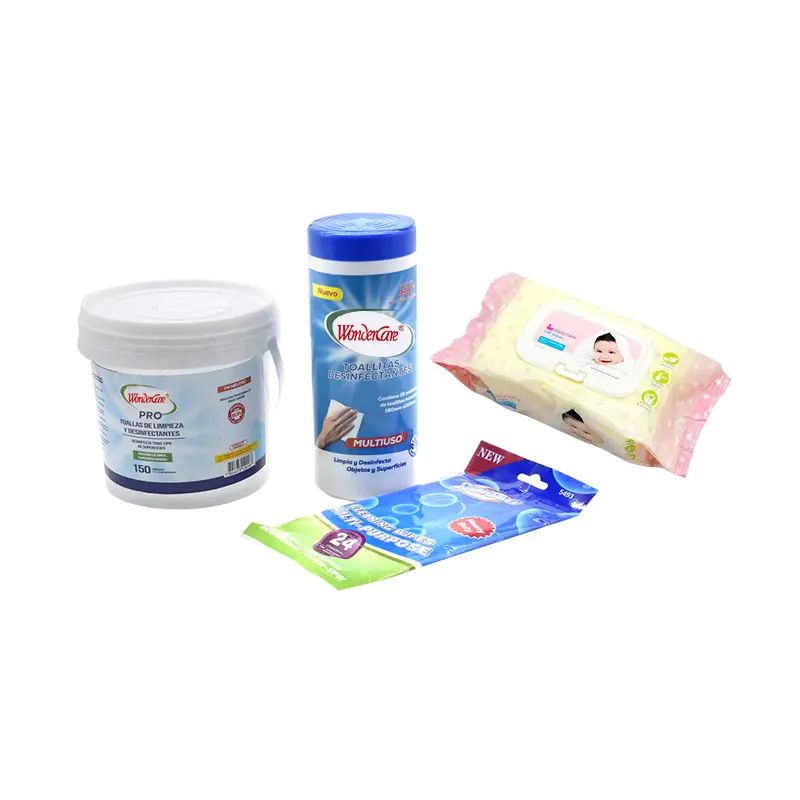
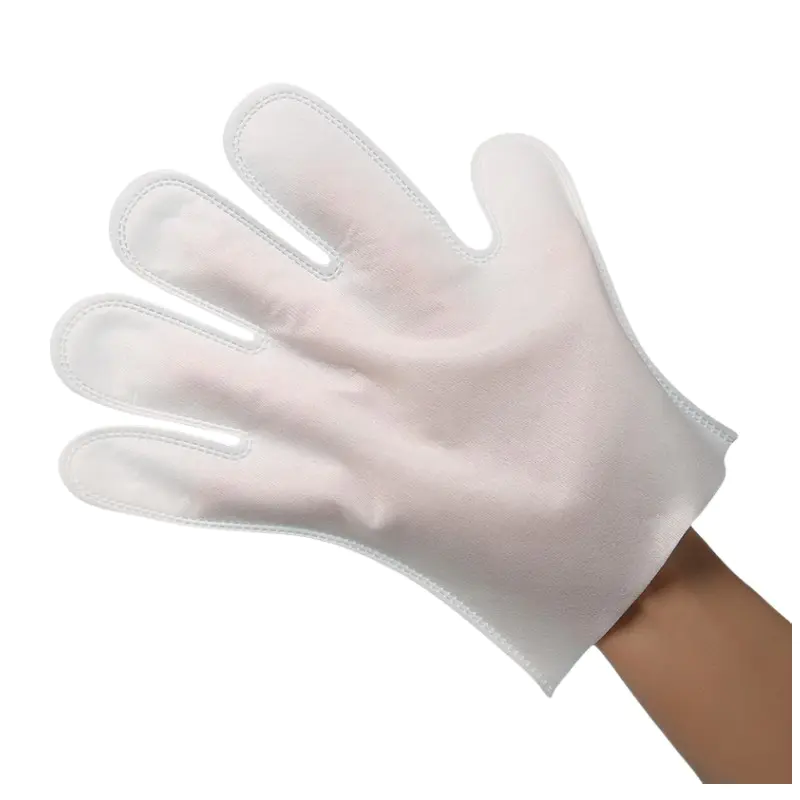
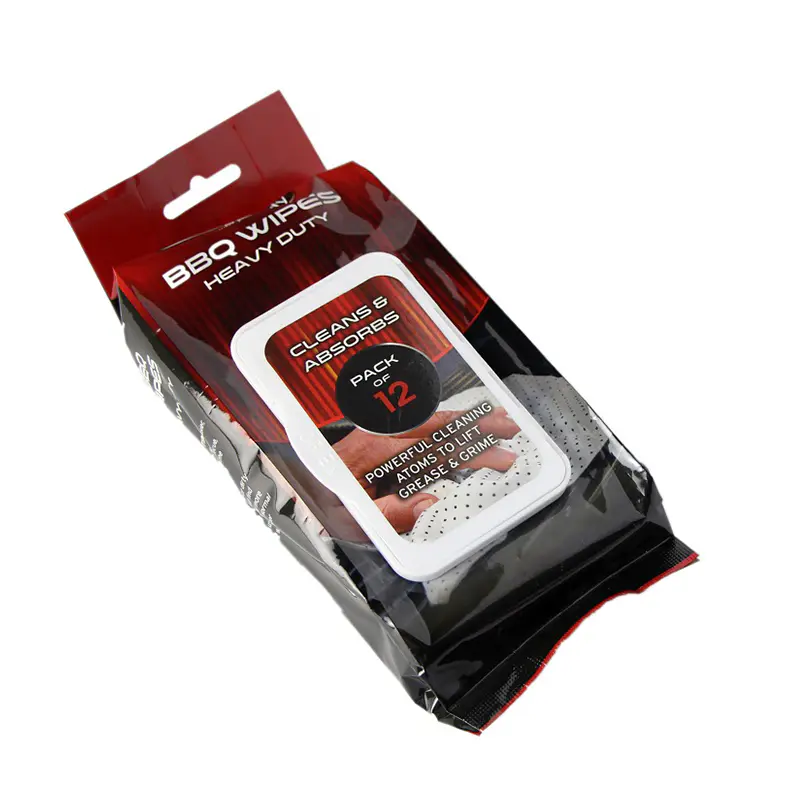
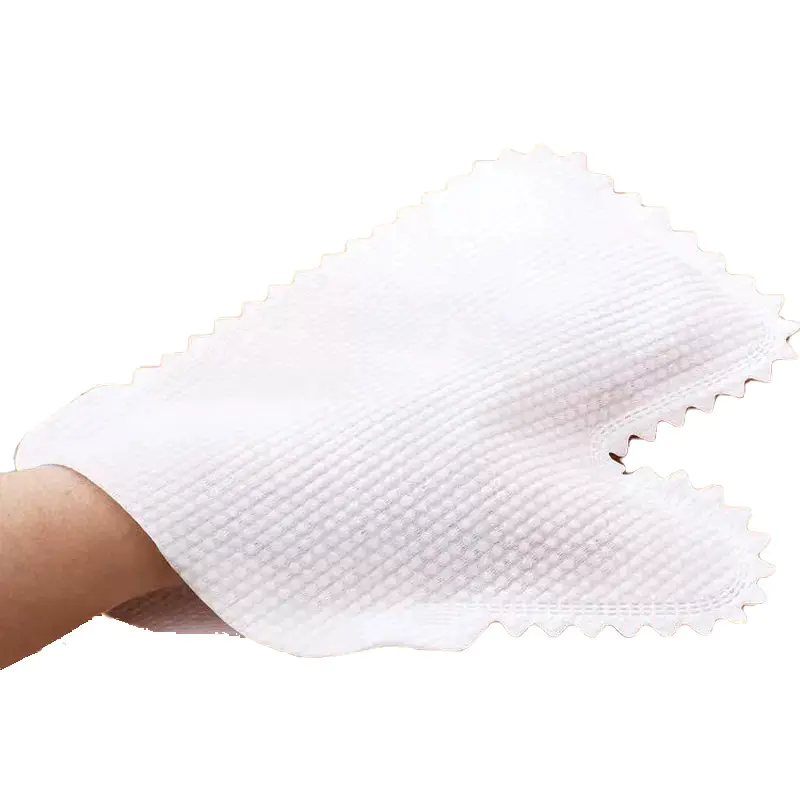
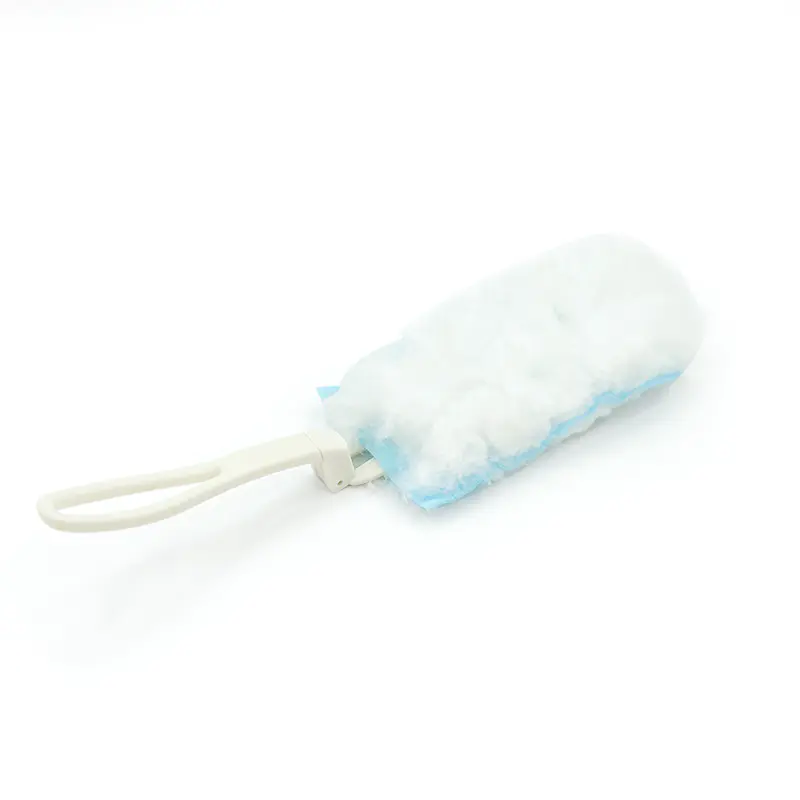
Soft Lint-Free Disposable Household Cleaning Wipe

Disposable mop pads are single-use cleaning sheets designed to attach to compatible mop systems, providing convenient floor cleaning without the need for laundering. These pre-moistened or dry pads typically cost $0.25-$0.75 per pad depending on brand and features, with each pad effectively cleaning 200-400 square feet before requiring replacement, making them ideal for quick cleanups, high-traffic areas, and households prioritizing convenience over long-term sustainability.
The primary advantage of disposable pads lies in their hygienic approach—each cleaning session uses a fresh pad, eliminating concerns about bacterial growth and cross-contamination that can occur with reusable mop heads. Modern disposable pads incorporate textured surfaces, absorbent materials, and embedded cleaning solutions that effectively capture dirt, hair, and grime while leaving floors streak-free in a single pass.
Content
Dry disposable pads utilize non-woven fabrics constructed from synthetic fibers including polypropylene, polyester, or blended materials. These fabrics feature electrostatically charged fibers that attract and trap dust, pet hair, and fine particles without requiring moisture. Standard dry pads measure 10-12 inches in length and incorporate textured patterns with raised ridges spaced 3-5mm apart to maximize dirt pickup efficiency.
Premium dry pads include multiple layers—typically a 3-ply construction combining a soft top layer for surface contact, a middle absorbent core, and a textured bottom layer for scrubbing action. This layered approach allows pads to capture both large debris and microscopic particles, with laboratory testing showing particle retention rates of 92-97% for debris larger than 10 microns.
Pre-moistened disposable pads contain cleaning solutions integrated into absorbent substrates during manufacturing. The cleaning solution typically comprises 95-98% water combined with surfactants, preservatives, and fragrance compounds. These pads seal in individual packets or stack in resealable containers maintaining moisture content for 18-24 months when properly stored.
The substrate material for wet pads requires higher wet-strength characteristics compared to dry versions, utilizing reinforced cellulose blends or spunlace non-wovens that maintain structural integrity when saturated. Each wet pad holds approximately 15-25ml of cleaning solution, sufficient to clean medium-sized rooms without requiring additional product application. The solution releases gradually during mopping through mechanical pressure, ensuring consistent cleaning performance across the entire pad surface.
Advanced disposable pads incorporate surface treatments enhancing specific cleaning capabilities:
Disposable pad manufacturers design products for specific mop system architectures. The dominant systems include Swiffer WetJet and Sweeper models using pads measuring 10 x 8 inches, O-Cedar ProMist systems accepting 17 x 5.5 inch rectangular pads, and Bona spray mop configurations requiring 15 x 4 inch pads with center-slot attachment.
Generic "universal" pads accommodate multiple systems through standardized dimensions and attachment configurations, though fit quality varies. Testing shows brand-specific pads maintain 15-25% better surface contact compared to universal alternatives, translating to improved cleaning efficiency and reduced streaking on smooth flooring surfaces.
Disposable pads secure to mop heads through several standardized methods:
| Attachment Type | Mechanism | Advantages | Common Systems |
|---|---|---|---|
| Velcro Strips | Hook-and-loop fasteners | Secure hold, reusable mop base | O-Cedar, Libman |
| Gripping Strips | Textured adhesive strips | Quick attachment, low cost | Swiffer Sweeper |
| Slot Insert | Pad slides into frame channel | Even pressure distribution | Bona, Method |
| Clip System | Plastic clips secure corners | Tool-free removal, tight fit | Commercial systems |
Aftermarket manufacturers produce compatible pads at 30-60% lower cost than name-brand equivalents. These alternatives typically match dimensions and attachment specifications but may vary in material quality, absorbency, and cleaning solution formulation. Consumer testing indicates generic pads perform adequately for routine maintenance cleaning, though brand-name products demonstrate superior performance on heavily soiled floors, with 20-35% better dirt removal in standardized testing protocols.
Store brands from major retailers often source from the same contract manufacturers producing name-brand pads, offering comparable quality at reduced prices. Package labeling indicating manufacturing location and fiber specifications helps identify higher-quality generic options worth considering for cost-conscious households.
Disposable wet pads designed for hardwood contain reduced water content and pH-neutral formulations preventing damage to wood finishes. These specialty pads limit moisture exposure to 12-18ml per pad compared to 20-25ml in standard versions, with quick-drying formulas evaporating within 45-90 seconds after application. The cleaning solutions avoid harsh alkaline compounds that can dull polyurethane finishes, instead utilizing gentle surfactants maintaining the protective coating's integrity.
For laminate surfaces, disposable pads with lower saturation levels prevent liquid penetration into seams where moisture can cause swelling and separation. Textured pad surfaces designed for these applications feature softer materials avoiding scratches on the photographic layer beneath laminate's protective coating, with abrasion testing showing 95% less surface marking compared to traditional string mops.
Tile and stone floors tolerate more aggressive cleaning approaches, allowing use of higher-moisture pads and formulations containing mild acidic compounds that dissolve soap scum and hard water deposits. Pads marketed for tile applications often include scrubbing strips positioned along the pad's leading edge, creating focused pressure points that dislodge grout discoloration and textured surface buildup.
Natural stone including marble, granite, and travertine requires pH-neutral cleaning solutions avoiding acidic or alkaline extremes that can etch surfaces. Stone-safe disposable pads maintain pH levels between 6.5-7.5 and exclude citrus-based solvents, bleach, and ammonia compounds. These specialized products cost 15-30% more than standard tile pads but prevent cumulative damage requiring expensive professional restoration.
Resilient flooring materials like vinyl and linoleum accommodate standard disposable wet pads without special considerations, though products containing oils or waxes can leave buildup over time. Modern vinyl formulations benefit from pads using water-based cleaning solutions that remove dirt without depositing residue, maintaining the floor's factory finish for 5-8 years compared to 3-5 years when using wax-based products.
For commercial vinyl tile installations, disposable pads prove particularly effective in high-traffic areas where frequent cleaning is necessary. The ability to use fresh pads for each cleaning session prevents the cross-contamination common in facilities using traditional mop buckets, with microbial testing showing 85-92% reduction in surface bacteria when switching to disposable pad systems.
Brand-name disposable wet pads retail in packages of 12-24 pads at prices ranging from $8-$18, translating to $0.50-$0.75 per cleaning session. Dry sweeping pads cost less, typically $0.25-$0.40 per pad in equivalent package sizes. Bulk purchasing reduces costs by 20-35%, with warehouse club packages of 48-60 pads bringing per-unit prices to $0.35-$0.50 for wet pads and $0.15-$0.25 for dry versions.
Generic and store-brand alternatives offer significant savings, with comparable pads available at $0.20-$0.35 per wet pad and $0.10-$0.18 per dry pad. For households mopping twice weekly, annual disposable pad costs range from $50-$150 depending on brand selection and purchasing strategy, representing a measurable ongoing expense compared to reusable alternatives.
Reusable microfiber mop pads cost $8-$15 each with typical lifespans of 100-150 washes before performance degradation. A household maintaining two reusable pads for rotation incurs initial costs of $16-$30 plus ongoing expenses for cleaning solution at approximately $0.05-$0.10 per mopping session and laundering costs averaging $0.30-$0.50 per wash including water, electricity, and detergent.
| System Type | Initial Investment | Per-Use Cost | Annual Cost (2x weekly) |
|---|---|---|---|
| Brand Disposable Pads | $20-$40 (starter kit) | $0.50-$0.75 | $52-$78 |
| Generic Disposable Pads | $15-$25 (starter kit) | $0.20-$0.35 | $21-$36 |
| Reusable Microfiber | $30-$60 (mop + pads) | $0.35-$0.60 | $36-$62 |
| Traditional String Mop | $15-$30 (mop + bucket) | $0.15-$0.25 | $16-$26 |
Over a five-year period, premium disposable pads cost $260-$390 compared to $180-$310 for reusable microfiber systems and $80-$130 for traditional string mops. The convenience premium for disposables averages $80-$80 over five years, or approximately $16-$16 annually—a cost many households accept for improved hygiene and time savings.
Disposable pads demonstrate superior cost-effectiveness in specific scenarios:
Each disposable pad weighs approximately 15-25 grams depending on design, contributing 1.5-2.6 kg of waste annually for households mopping twice weekly. Multiplied across millions of users, disposable pads represent significant solid waste streams, with industry estimates suggesting 250-350 million pads enter U.S. landfills annually, totaling approximately 4,000-7,000 metric tons of non-biodegradable material.
Standard disposable pads use synthetic materials requiring 20-50 years for partial degradation in landfill conditions, with complete breakdown taking considerably longer. The plastic packaging surrounding pad multipacks adds additional waste, with each package contributing 10-20 grams of non-recyclable mixed-material film to waste streams.
Emerging eco-friendly disposable pads utilize plant-based materials including bamboo fiber, wood pulp, and PLA (polylactic acid) derived from corn starch. These products claim 60-90 day composting timelines in industrial facilities, though home composting often requires 6-12 months for complete breakdown. Biodegradable pads cost 40-80% more than conventional options, retailing at $0.70-$1.20 per pad.
Important caveats apply to compostable claims: many biodegradable pads still contain synthetic cleaning agents that may not fully decompose, and certification standards vary widely between manufacturers. Products certified to ASTM D6400 or EN 13432 standards provide reliable assurance of compostability, though availability remains limited with these certified products representing less than 5-8% of market share.
Life cycle assessments comparing disposable and reusable mopping systems show disposables carry higher cumulative environmental costs. Manufacturing disposable pads consumes 2.5-4 times more energy per cleaning session compared to producing and laundering reusable alternatives over their functional lifetime. Transportation impacts also favor reusables, as a year's supply of disposable pads weighs 1.5-2.6 kg versus a single reusable pad at 40-80 grams, multiplying shipping emissions accordingly.
Most disposable wet pads effectively clean 200-400 square feet before saturation reduces performance, though this varies with floor condition and soiling level. To maximize coverage, begin mopping in the farthest corner and work backward toward exits, using slightly overlapping strokes that ensure complete coverage without excessive rewetting of cleaned areas.
For heavily soiled floors, pre-sweeping or dry mopping removes loose debris preventing premature pad saturation. Testing demonstrates pre-cleaning extends wet pad effective coverage by 25-40%, potentially reducing consumption from two pads to one for moderate-sized rooms. Flipping the pad midway through cleaning sessions provides a fresh cleaning surface, extracting maximum value from each disposable unit.
Matching pad type to cleaning task optimizes both performance and cost-efficiency:
Pre-moistened disposable pads maintain effectiveness for 18-24 months when stored in sealed packaging at room temperature. Once opened, resealable packages preserve moisture for 30-60 days, after which evaporation reduces cleaning solution content by 15-30%. Individually wrapped pads eliminate this concern but cost 10-20% more per unit and generate additional packaging waste.
Dry pads store indefinitely without performance degradation, making them suitable for bulk purchasing and long-term storage. Maintaining separate inventories of dry and wet pads enables flexible response to different cleaning needs while minimizing waste from expired products. For households using pads infrequently, smaller package sizes despite higher per-unit costs prevent moisture loss and solution degradation affecting cleaning performance.
Disposable pads occasionally detach from mop heads mid-cleaning, particularly when using third-party products or heavily textured floors creating upward forces. Ensuring the mop head surface remains clean and dry before pad attachment improves grip strength by 30-50%. For Velcro-based systems, periodically cleaning hook strips with a stiff brush removes accumulated lint and fiber buildup restoring holding power.
Generic pads with weaker adhesive backing benefit from pressing firmly across the entire pad surface during installation, activating adhesive zones that might not engage with casual attachment. If detachment persists, switching to brand-specific pads typically resolves the issue, as manufacturer-designed compatibility ensures proper dimensional fit and attachment force distribution.
Streaky floors after disposable pad mopping result from several factors including excessive cleaning solution, inadequate pad-to-floor contact, or residue from previous floor treatments. Allowing floors to air-dry completely reveals whether streaks stem from too-wet application or from actual residue deposits. For persistent streaking, switching to pads formulated for specific floor types often improves results, as these products balance solution chemistry with surface requirements.
On sealed hardwood and laminate, streaking frequently indicates incompatibility between pad cleaning solution and floor finish. Opting for hardwood-specific pads with reduced moisture and pH-neutral formulations eliminates 85-95% of streaking issues on these sensitive surfaces. For stubborn residue from previous wax-based cleaners, one-time treatment with a dedicated floor stripper resets the surface enabling clean application of modern disposable pad systems.
Pads becoming oversaturated before completing expected coverage area suggest extremely dirty floors, excessive initial soil load, or defective pads with reduced absorbent capacity. Pre-cleaning with dry sweeping or vacuuming removes particulate matter that would otherwise saturate wet pads, extending effective coverage by 30-50% as noted earlier.
Manufacturing defects affecting absorbency occur in approximately 1-2% of pads across industry averages. Purchasing from reputable retailers with return policies protects against defective batches, and contacting manufacturers about consistent premature saturation often results in replacement products or refunds. For genuinely heavy soiling conditions, accepting that multiple pads may be necessary proves more effective than struggling with compromised cleaning performance from exhausted pads.
Higher-quality disposable pads exhibit several identifiable characteristics justifying premium pricing:
Warehouse clubs and online retailers offer bulk packages reducing per-pad costs by 20-35% compared to grocery store pricing. A family using two wet pads weekly saves $25-$45 annually purchasing 48-count bulk packages versus 12-count retail boxes. Subscribe-and-save programs through online retailers provide additional 5-15% discounts while ensuring continuous supply without shopping trips.
For pre-moistened pads, bulk purchasing requires consideration of shelf life and storage capacity. Calculating annual consumption based on cleaning frequency prevents over-purchasing products that may dry out before use. Dry pads without expiration concerns safely purchase in larger quantities, with 100-count packages offering maximum value for regular users.
Premium branded pads justify their 50-100% price premium in situations requiring maximum cleaning performance including heavily trafficked commercial spaces, homes with pets generating substantial hair and dander, or surfaces showing visible grime accumulation. The superior dirt pickup and retention capabilities translate to fewer passes required for satisfactory results, partially offsetting higher per-pad costs through time savings.
Budget generic pads adequately serve light-duty maintenance cleaning in low-traffic households, particularly when pre-sweeping removes most debris. For routine weekly maintenance rather than deep cleaning, generic pads at $0.20-$0.35 each provide acceptable performance at half the cost of premium alternatives. Many users find optimal value in a hybrid approach: premium pads for monthly deep cleaning sessions and budget options for maintenance between thorough cleanings, balancing cost control with cleaning effectiveness.

JIAXING HONGJIE COMMODITY CO., LTD is located near Shanghai and Hangzhou in Jiaxing City, Zhejiang Province, China. We are trading& manufactory company. our factory and office are in Jiaxing city.

Factory Add: 3rd floor, BLDG 3, No.379 Ziyu Road, Daqiao Industrial Zone, Jiaxing, Zhejiang, China.

+86-573-82313085

+86-573-82091210

Copyright © JIAXING HONGJIE COMMODITY CO., LTD
The information provided on this website is intended for use only in countries and jurisdictions outside of the People's Republic of China.
Wholesale Nonwoven Wet Wipes Manufacturers
