 Search for...
 English
 Español
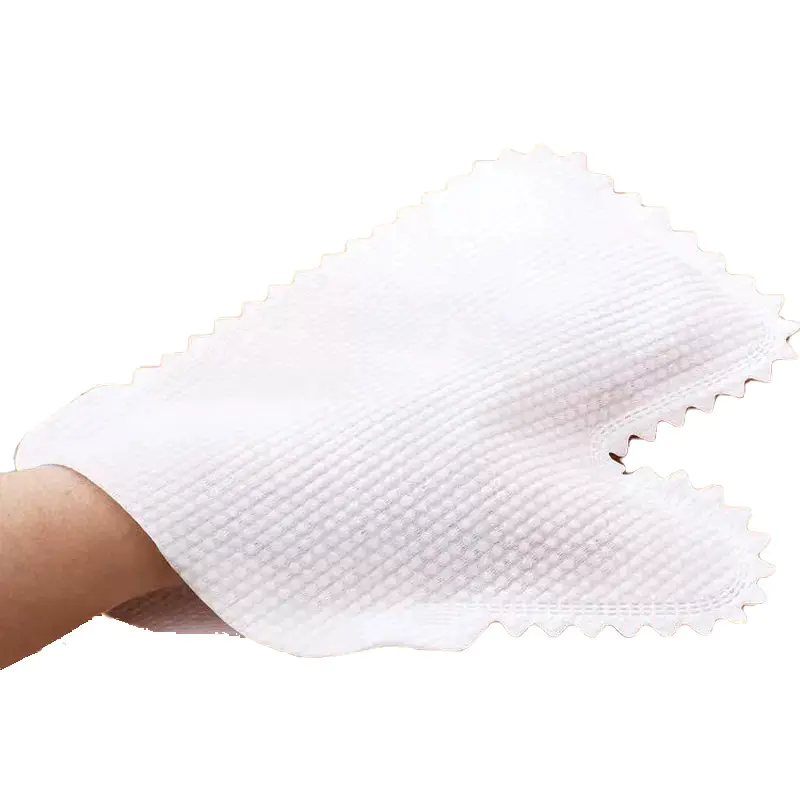
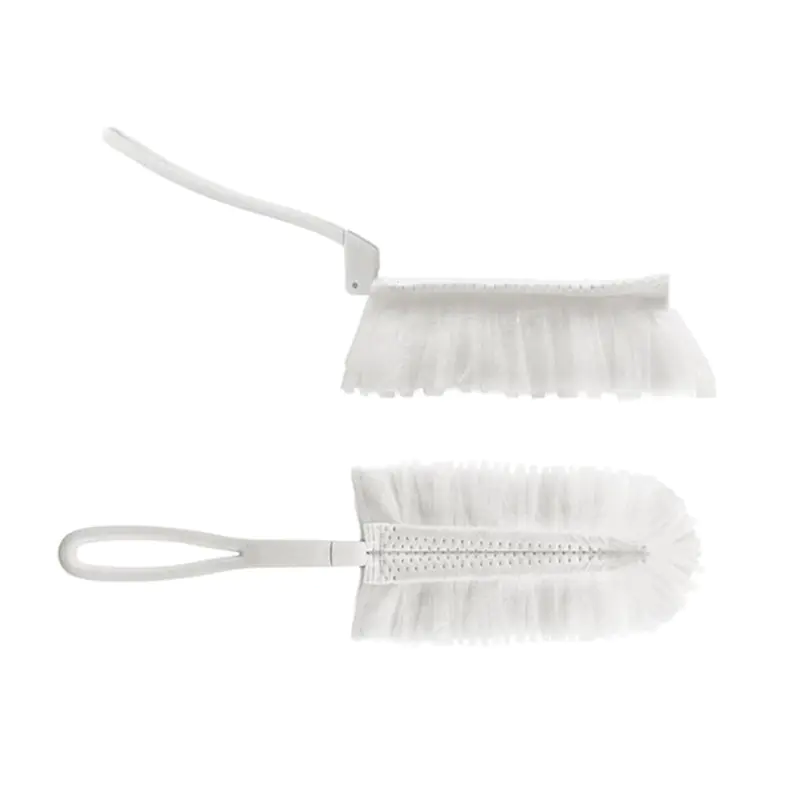
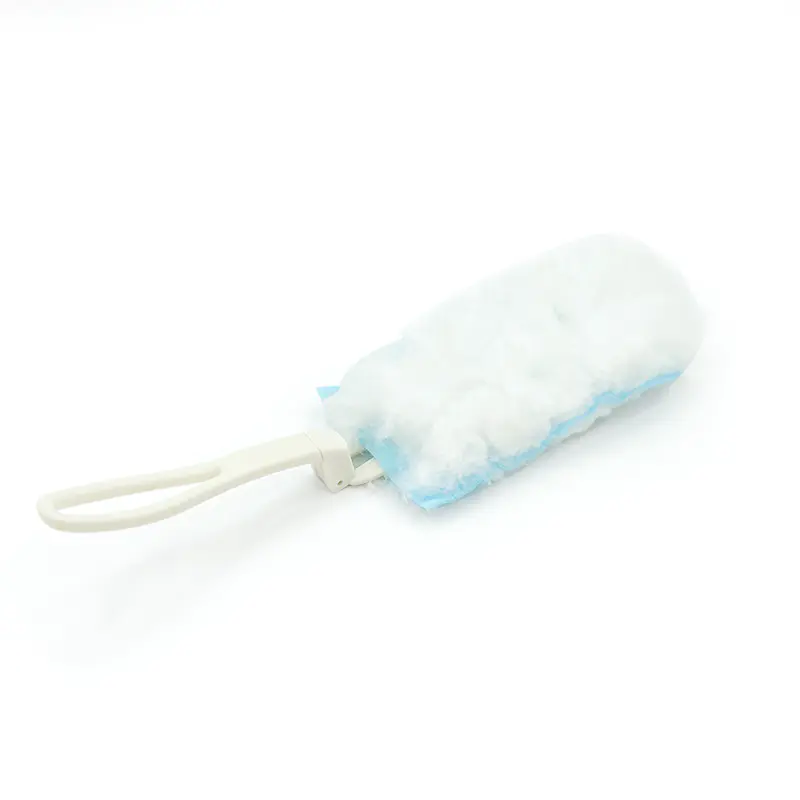
Soft Lint-Free Disposable Household Cleaning Wipe

Content
Disposable mop pads offer a convenient, hygienic cleaning solution that eliminates the need for washing and storing reusable pads. These single-use cleaning cloths attach to compatible mop heads and are designed to be discarded after cleaning, making them ideal for quick cleanups, sanitizing environments, and households seeking simplified floor maintenance routines.
The primary advantage lies in convenience and hygiene: each cleaning session uses a fresh, clean pad without cross-contamination concerns. Disposable pads work particularly well for households with pets, allergy sufferers, or high-traffic areas requiring frequent cleaning. They're available in dry and wet varieties, compatible with popular mop systems from brands like Swiffer, Bona, O-Cedar, and generic alternatives.
Most disposable mop pads cost $0.15-$0.50 per pad depending on brand, quantity purchased, and material quality. While more expensive per use than reusable pads over time, they save water, detergent, and the time required for laundering, making them cost-effective for specific situations and lifestyles.
Disposable mop pads come in several varieties designed for different cleaning needs, floor types, and mopping systems. Understanding these distinctions helps optimize cleaning effectiveness and value.
Dry disposable pads feature textured surfaces designed to trap dust, hair, dirt, and debris through electrostatic attraction or physical fiber structure. These pads work best for daily maintenance sweeping on hardwood, tile, laminate, and vinyl floors. The textured design allows fibers to reach into grout lines and surface irregularities, capturing particles that traditional brooms might miss.
Premium dry pads incorporate 3D fiber technology or deep-pile construction that increases surface area contact and particle retention. Standard dry pads cost $0.15-$0.25 each in bulk packages, while enhanced versions range from $0.30-$0.45 per pad.
Wet disposable pads come pre-moistened with cleaning solution or are designed to be dampened before use. Pre-moistened versions contain proprietary cleaning formulas tailored to specific floor types (hardwood, tile, laminate), eliminating the need for separate cleaning solutions. The moisture content is calibrated to clean effectively without oversaturating floors, which can damage certain materials.
Wet pads typically cost $0.25-$0.50 each, with the higher price reflecting the included cleaning solution. Some manufacturers offer "dry" wet pads that users dampen with their preferred cleaning product, providing formula flexibility at $0.20-$0.35 per pad.
Specialized scrubbing pads incorporate abrasive textures or enhanced fiber density for tackling stuck-on messes, scuff marks, and heavily soiled areas. These pads feature scrubbing strips or power dots that provide additional cleaning power without scratching most floor surfaces. They're particularly effective on textured tile, sealed concrete, and high-traffic commercial flooring.
Heavy-duty options cost $0.35-$0.60 per pad and are recommended for periodic deep cleaning rather than daily maintenance. Using scrubbing pads on delicate floors like unsealed hardwood or luxury vinyl can cause surface damage.
Multi-surface pads are designed to safely clean various floor types with a single product. These versatile options use gentle yet effective fiber blends and pH-neutral cleaning solutions (in pre-moistened versions) that won't damage hardwood, tile, laminate, or vinyl. While convenient for homes with mixed flooring, specialized pads often deliver superior results on specific floor types.
The materials used in disposable mop pads directly impact cleaning performance, durability during use, and environmental footprint. Understanding these materials helps identify quality products and make informed purchasing decisions.
Common fiber materials include:
Premium pads often use layered construction combining different fiber types: absorbent core materials for liquid retention, textured outer layers for particle capture, and reinforced backing to prevent tearing during use. Multi-layer construction typically adds $0.05-$0.15 per pad but significantly improves performance.
Pad thickness affects both cleaning effectiveness and durability. Thicker pads (3-5mm) provide better cushioning for absorbing pressure during scrubbing and resist tearing when encountering rough surfaces or debris. Ultra-thin economy pads (1-2mm) save material costs but may tear during normal use, requiring multiple pads per cleaning session.
Quality pads maintain structural integrity when wet, allowing users to apply pressure for scrubbing without the pad disintegrating. Budget pads may fall apart when saturated, reducing effective cleaning area and requiring frequent replacement mid-task.
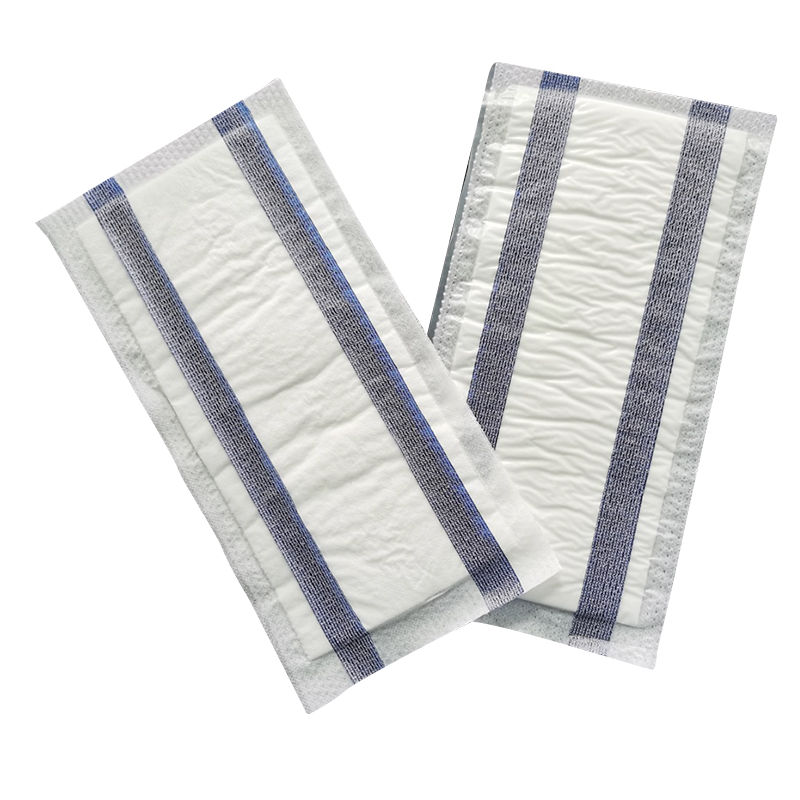
Disposable mop pads use various attachment mechanisms designed for specific mop systems. Ensuring compatibility prevents frustration and ensures secure pad attachment during cleaning.
| Mop Brand | Attachment Type | Pad Size | Generic Compatibility |
|---|---|---|---|
| Swiffer WetJet | Velcro strips | 11.3" x 5.4" | Widely available |
| Swiffer Sweeper | Textured grips | 10" x 8" | Widely available |
| Bona Premium | Velcro attachment | 15" x 4" | Limited generic options |
| O-Cedar ProMist | Velcro strips | 17" x 5" | Moderate availability |
| Libman Freedom | Friction clips | 16" x 5" | Limited compatibility |
Third-party manufacturers produce generic disposable pads compatible with popular mop systems, typically offering 30-50% cost savings compared to name-brand refills. These alternatives work with Swiffer, Bona, and other major systems, using the same attachment mechanisms and similar dimensions.
Quality varies among generic brands. Premium generic options match name-brand performance at reduced cost, while budget versions may use thinner materials or less effective fiber construction. Reading reviews and testing small quantities before bulk purchasing helps identify quality generic alternatives.
Velcro attachments provide the most secure pad retention and work well for vigorous mopping or scrubbing. The hook-and-loop connection holds firmly during use and releases easily for disposal. However, Velcro strips can accumulate lint and debris over time, reducing effectiveness after 200-300 pad changes.
Friction-grip systems use textured surfaces and clips to secure pads without adhesives. These mechanisms have no wear components but may allow pad slippage during aggressive cleaning. Some users prefer friction systems for quick pad changes and simplified disposal.
Understanding the true cost of disposable mop pads requires examining both direct purchase prices and indirect factors like cleaning efficiency, time savings, and utility costs associated with laundering reusable alternatives.
Disposable mop pad costs vary significantly based on brand, quantity purchased, and pad type:
| Product Type | Name Brand Cost | Generic Brand Cost | Annual Cost (2x/week) |
|---|---|---|---|
| Dry Sweeping Pads | $0.30-$0.45/pad | $0.15-$0.25/pad | $15-$47 |
| Wet Mopping Pads | $0.40-$0.60/pad | $0.25-$0.35/pad | $26-$62 |
| Heavy-Duty Scrubbing | $0.50-$0.70/pad | $0.30-$0.45/pad | $31-$73 |
Reusable microfiber mop pads cost $8-$15 each and last approximately 100-200 washes with proper care. A set of 4-6 reusable pads ($40-$70) provides sufficient rotation for regular cleaning while allowing time for laundering. However, the total cost includes:
Over one year with twice-weekly mopping, reusable pads cost approximately $100-$140 including initial purchase, replacement, and laundering expenses. Disposable pads range from $26-$73 annually depending on type and brand, making them more economical for light to moderate use despite higher per-use costs.
Buying disposable pads in larger quantities significantly reduces per-pad costs. A 4-pack refill costs $0.40-$0.50 per pad, while bulk packages of 24-48 pads drop costs to $0.15-$0.30 per pad. Warehouse club memberships and subscribe-and-save programs offer additional 10-20% discounts, bringing premium pads to generic pricing levels.
The environmental impact of disposable mop pads centers on resource consumption during manufacturing, waste generation after use, and comparison to reusable alternatives. Understanding these factors helps environmentally conscious consumers make informed decisions.
Standard disposable mop pads use synthetic materials (polypropylene, polyester) that take 20-30 years to decompose in landfills. A household using disposable pads twice weekly generates approximately 104 pads annually, contributing roughly 2-3 pounds of non-biodegradable waste. For 50 million U.S. households, this translates to 100-150 million pounds of mop pad waste annually.
Several manufacturers now offer plant-based or biodegradable disposable pads made from materials like:
Eco-friendly disposable pads typically cost 20-40% more than standard synthetic versions but offer significantly reduced environmental impact. Some biodegradable options are certified compostable in municipal facilities, though home composting may not achieve adequate decomposition due to synthetic binding agents.
While disposable pads create solid waste, reusable pads consume water and energy resources through repeated laundering. Studies indicate that washing reusable pads 104 times annually uses approximately 520-1,040 gallons of water and 25-50 kWh of energy. The environmental trade-off depends on local water scarcity, energy sources (renewable vs. fossil fuels), and waste management infrastructure.
In regions with water scarcity or where energy comes primarily from renewables, disposable pads may present a smaller environmental footprint. Conversely, areas with abundant water, efficient wastewater treatment, and renewable energy favor reusable pads from a sustainability perspective.
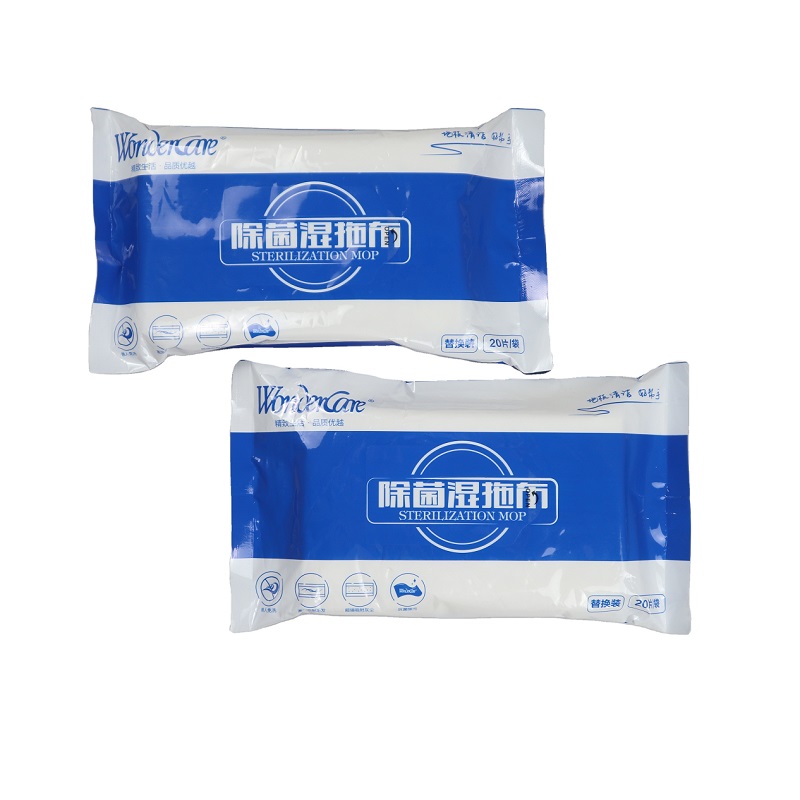
Maximizing the effectiveness of disposable mop pads requires proper technique, appropriate pad selection for the task, and understanding their limitations compared to other cleaning methods.
For dry sweeping pads, use overlapping S-pattern strokes to ensure complete floor coverage. The textured fibers capture debris most effectively when the pad moves in the direction of the grain on hardwood floors. Apply light to moderate pressure—excessive force compresses fibers and reduces particle capture efficiency.
Wet mopping pads work best when the floor is first dry-swept to remove loose debris. Pre-moistened pads should be used immediately after opening to prevent solution evaporation. For user-dampened pads, apply cleaning solution evenly across the pad surface, avoiding oversaturation that leaves streaks or puddles. A typical 800-1200 square foot area can be effectively cleaned with a single wet pad when proper technique is employed.
Replace disposable pads during cleaning sessions when:
Very dirty floors or large homes (2000+ square feet) may require 2-3 pads per cleaning session to maintain effectiveness. Starting with fresh pads for different rooms or floor levels prevents spreading dirt and bacteria between spaces.
Store disposable pads in their original packaging or sealed containers to prevent dust accumulation and maintain freshness. Pre-moistened pads have expiration dates typically 2-3 years from manufacture, after which the cleaning solution may degrade or evaporate. Keep pads in cool, dry locations away from direct sunlight, which can degrade synthetic fibers and reduce effectiveness.
Different flooring materials require specific disposable pad types and cleaning approaches to avoid damage while achieving optimal cleanliness.
Hardwood requires gentle cleaning to avoid scratching or moisture damage. Use dry sweeping pads for daily maintenance and specifically formulated hardwood wet pads for periodic deep cleaning. Avoid excessive moisture—wet pads designed for hardwood contain minimal solution to prevent water penetration into wood grain. Never use abrasive scrubbing pads on hardwood, as they can scratch protective finishes.
Premium hardwood-specific pads often include oil-based cleaning solutions that enhance wood luster while cleaning. These specialty pads cost $0.40-$0.65 each but provide superior results on wood surfaces compared to multi-surface alternatives.
Tile floors tolerate more aggressive cleaning than hardwood. Textured dry pads effectively capture debris from grout lines, while wet scrubbing pads tackle stuck-on dirt and grout staining. For heavily soiled tile, pre-spray cleaning solution, allow it to dwell for 2-3 minutes, then mop with a scrubbing pad for best results.
Grout-specific wet pads containing mild bleach or hydrogen peroxide brighten discolored grout while cleaning tile surfaces. These specialty pads should only be used on sealed grout to prevent damage to unsealed cement-based grout.
Laminate and luxury vinyl require moisture control to prevent warping or seam separation. Dry pads work excellently for routine maintenance. When wet mopping, use pads designed for laminate with low-moisture formulas and avoid allowing water to pool at seams or edges. Both floor types can use multi-surface pads safely, though laminate-specific products provide optimized moisture levels.
Natural stone (marble, granite, travertine) and sealed concrete tolerate wet mopping but require pH-neutral cleaning solutions to prevent etching or dulling. Avoid acidic or alkaline cleaners—look for stone-safe wet pads with neutral pH formulas. These surfaces can handle scrubbing pads for removing scuffs, but avoid abrasive pads on polished stone that can scratch the finish.
One of the primary advantages of disposable mop pads is their contribution to household hygiene by eliminating cross-contamination risks associated with reusable pads.
Reusable mop pads, even when thoroughly laundered, can harbor bacteria, mold spores, and allergens in fiber crevices. Studies show that inadequately sanitized mop heads can actually spread bacteria across surfaces rather than removing them. Disposable pads eliminate this concern—each cleaning session uses a fresh, uncontaminated pad that's discarded after use.
This single-use approach is particularly valuable in homes with immunocompromised individuals, young children, or pets. Kitchen and bathroom floors, which encounter the highest bacterial loads, benefit most from the guaranteed cleanliness of disposable pads.
Some disposable wet pads include antimicrobial or disinfecting agents that kill bacteria, viruses, and fungi during mopping. These specialized pads typically contain:
EPA-registered disinfecting pads can eliminate 99.9% of common household bacteria including E. coli, Salmonella, and Staphylococcus when used according to label directions. These premium pads cost $0.50-$0.75 each but provide hospital-grade sanitation for high-risk areas.
Choosing appropriate disposable mop pads involves matching pad characteristics to your specific cleaning needs, floor types, budget, and frequency of use.
Consider these factors when selecting disposable pads:
When transitioning to disposable pads or trying new brands, purchase small quantities first to evaluate performance before committing to bulk orders. Test pads on your specific floor types and compare cleaning effectiveness, ease of use, and durability. Many users find that a hybrid approach—disposable pads for routine maintenance and reusable pads for deep cleaning—optimizes both convenience and cost-effectiveness.
Users occasionally encounter issues with disposable mop pads that can be resolved through proper selection, technique adjustment, or product switching.
If pads frequently slip or detach during use, verify correct pad orientation and complete attachment to all connection points. Velcro strips degrade over time—inspect mop head Velcro for lint buildup and clean with a stiff brush. Replace mop heads when Velcro no longer holds pads securely (typically after 200-400 uses). For friction-grip systems, ensure pads are properly centered and clips fully engaged.
Streaking typically results from oversaturated pads, incompatible cleaning solutions, or dirty floors requiring multiple passes. For pre-moistened pads, ensure they're not expired or excessively wet from storage. When dampening pads manually, use less solution—floors should dry within 2-3 minutes. Switch to floor-specific pads if using multi-surface products on particular flooring types. Dry sweep before wet mopping to remove loose debris that can cause streaking.
If pads fail to clean effectively, upgrade to thicker, more textured options or scrubbing pads for tougher jobs. Generic budget pads may use inferior materials—switching to mid-range or premium brands often resolves performance issues. For heavily soiled areas, pre-treat with spray cleaner before mopping, or use dedicated scrubbing pads rather than standard wet pads.
Ultra-thin economy pads may tear on rough surfaces or when wet. Upgrade to thicker, reinforced pads or multi-layer construction products. Avoid excessive pressure when mopping—allow pad texture and cleaning solution to do the work rather than aggressive scrubbing. Inspect floors for sharp edges, exposed nail heads, or rough patches that may catch and tear pads.
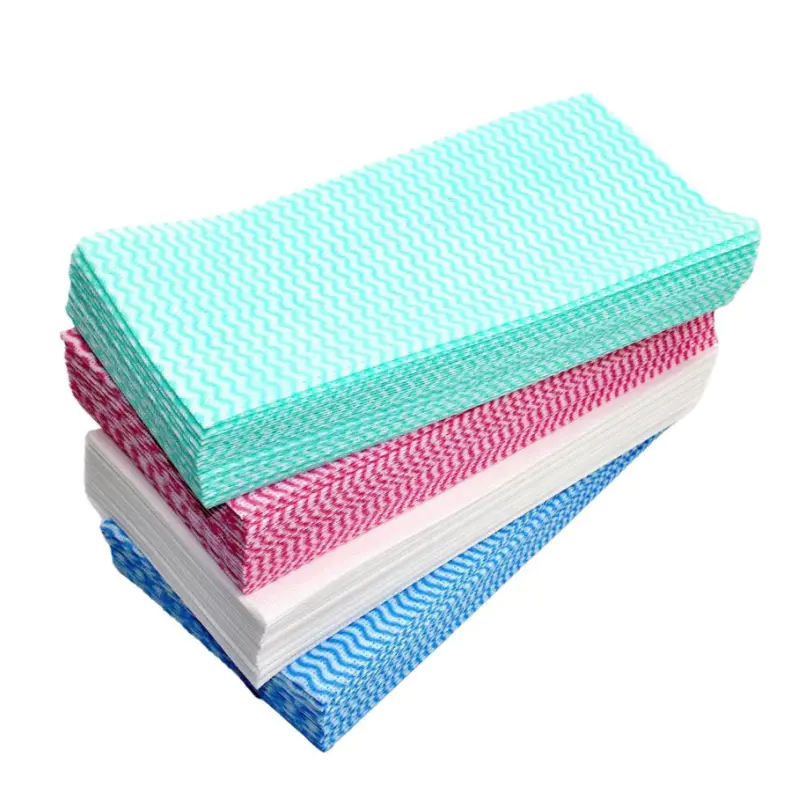
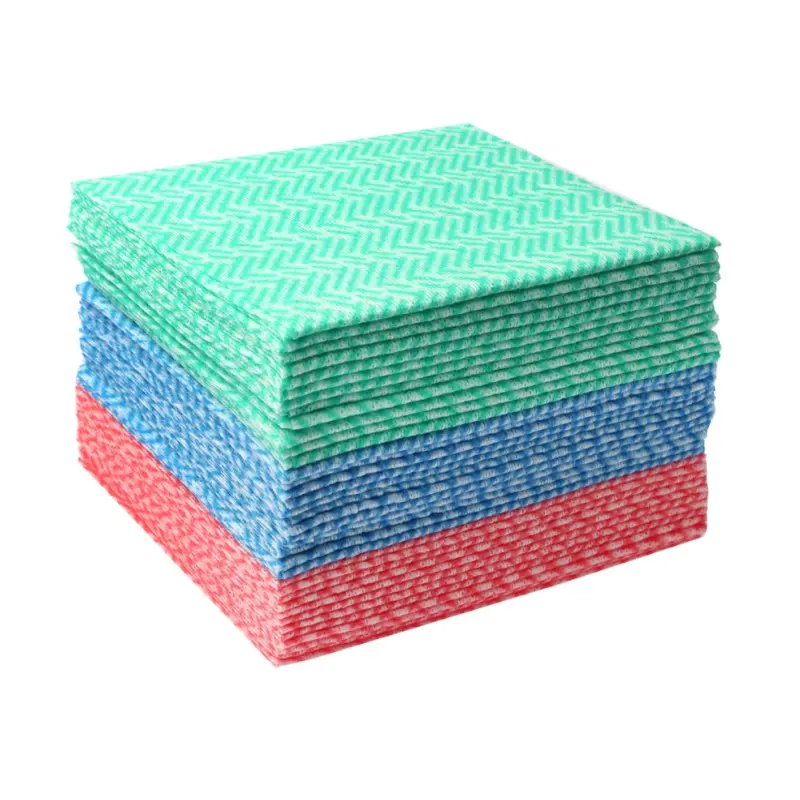

JIAXING HONGJIE COMMODITY CO., LTD is located near Shanghai and Hangzhou in Jiaxing City, Zhejiang Province, China. We are trading& manufactory company. our factory and office are in Jiaxing city.

Factory Add: 3rd floor, BLDG 3, No.379 Ziyu Road, Daqiao Industrial Zone, Jiaxing, Zhejiang, China.

+86-573-82313085

+86-573-82091210

Copyright © JIAXING HONGJIE COMMODITY CO., LTD
The information provided on this website is intended for use only in countries and jurisdictions outside of the People's Republic of China.
Wholesale Nonwoven Wet Wipes Manufacturers
