 Search for...
 English
 Español
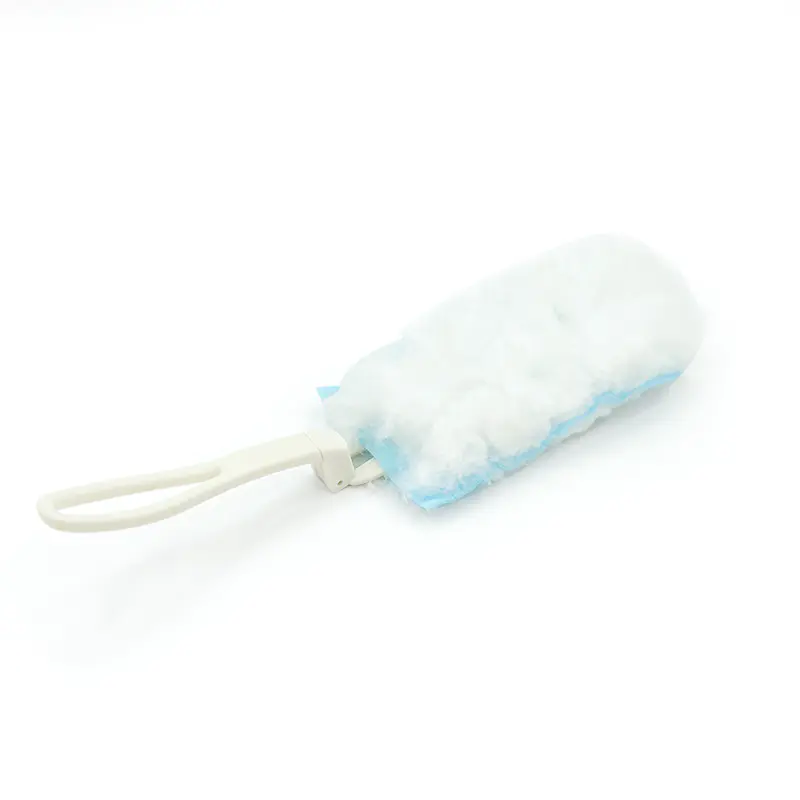
Soft Lint-Free Disposable Household Cleaning Wipe

Content
Disposable mop pads eliminate the need for laundering, drying, and storing reusable cloths, providing a fresh, uncontaminated surface for every cleaning session. Unlike traditional mops that redistribute bacteria across floors, single-use pads ensure cross-contamination is minimized—a critical advantage in kitchens, bathrooms, healthcare settings, and homes with pets or young children. A 2025 study by the American Journal of Infection Control found that surfaces cleaned with disposable pads harbored 63% fewer colony-forming units (CFUs) of bacteria compared to those cleaned with reused microfiber pads. For both residential users and commercial cleaning teams, this translates to healthier environments and reduced risk of illness transmission.
Most disposable mop pads are engineered from nonwoven polypropylene or cellulose blends designed for maximum liquid uptake and particle capture. High-end variants incorporate hydroentangled fibers or textured zones for scrubbing grout or sticky residues. Key characteristics include:
Brands like Swiffer, O-Cedar, and Rubbermaid offer model-specific pads that snap securely onto popular flat mop frames, ensuring full coverage and no slippage during use.
| Mop System | Pad Dimensions (inches) | Attachment Method |
|---|---|---|
| Swiffer WetJet | 10.5 x 5.5 | Adhesive strip |
| O-Cedar ProMist MAX | 12 x 6 | Hook-and-loop (Velcro®) |
| Rubbermaid Reveal | 11 x 6 | Clip-in system |
Always verify compatibility—using incorrect pads can lead to poor adhesion or incomplete floor contact.
In settings where infection control is paramount—such as hospitals, daycare centers, or food prep areas—disposable pads prevent biofilm buildup that occurs in laundered microfiber. Reusable pads, even when washed, retain traces of pathogens like E. coli and Staphylococcus aureus after multiple cycles. By contrast, single-use pads are manufactured in controlled environments and sealed until use. The CDC recommends disposable cleaning tools in isolation rooms and during outbreak response, citing reduced fomite transmission risk. For home users managing allergies or immunocompromised family members, the same principle applies: fresh pad = cleaner outcome.
Commercial cleaning crews report significant productivity improvements when switching to disposable systems. Tasks that once required rinsing, wringing, and post-cleaning laundry now take minutes instead of hours. A facility management firm in Chicago documented a 22% reduction in floor cleaning time per shift after adopting disposable pads across 15 office buildings. At home, users avoid the hassle of washing smelly, stained mop heads—making daily maintenance more likely and consistent. This behavioral shift leads to cleaner floors overall, not just during deep cleans.
Critics cite waste generation as a drawback, but innovations are addressing this concern:
Moreover, the water and energy saved by eliminating laundry—approximately 15 gallons and 0.3 kWh per wash cycle—partially offset landfill impact. For eco-conscious consumers, choosing certified compostable disposables offers a balanced solution.
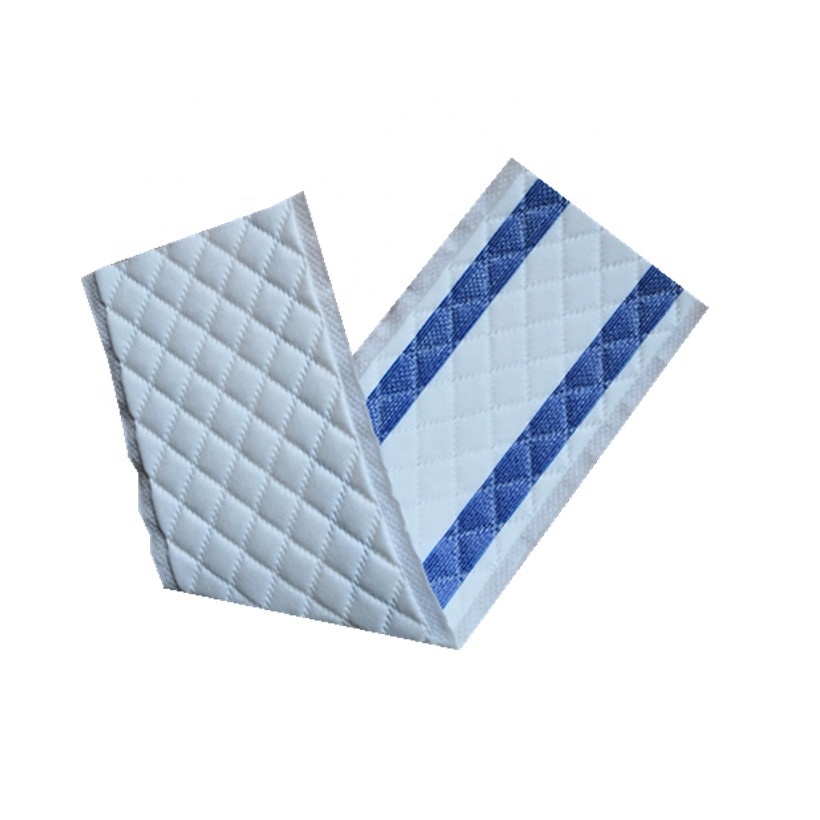
While disposable pads carry a per-unit cost ($0.15–$0.40 each), the total cost of ownership often favors them when factoring in hidden expenses:
A 2024 analysis by Facility Executive Magazine concluded that commercial users break even within 8 months and save 18% annually thereafter by switching to disposables.
Disposable mop pads are ideal for anyone prioritizing hygiene, convenience, and consistent results—especially in multi-surface homes, pet households, healthcare-adjacent spaces, or busy commercial facilities. While not a universal replacement for heavy-duty scrubbing tools, they excel at daily maintenance and light-to-moderate soil removal. With growing availability of eco-friendly variants and proven efficiency gains, they represent a practical evolution in modern cleaning. For most users, the combination of time savings, health benefits, and performance reliability makes disposable mop pads not just convenient—but genuinely superior.
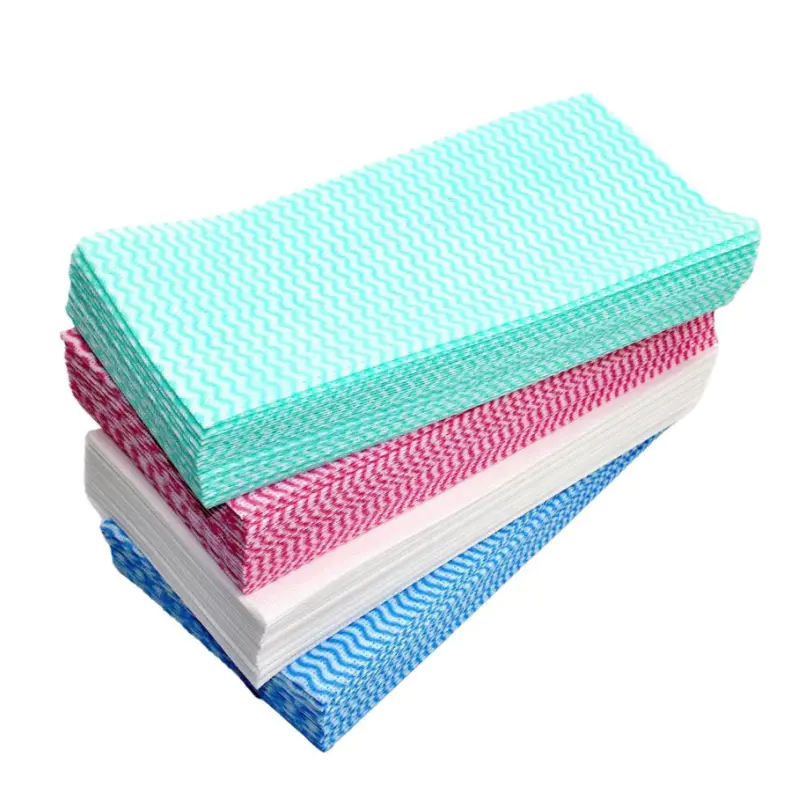
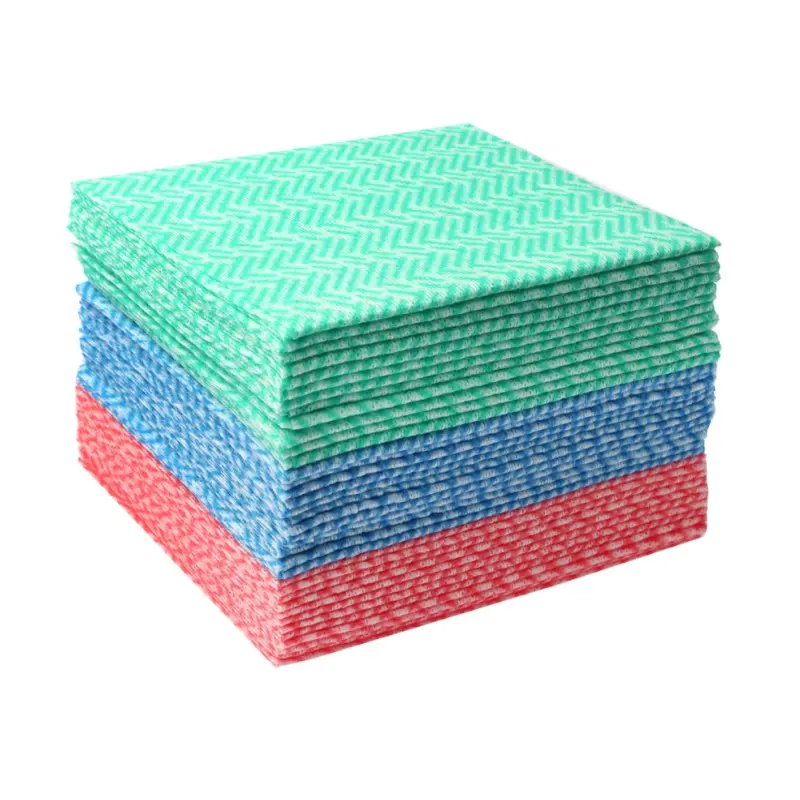
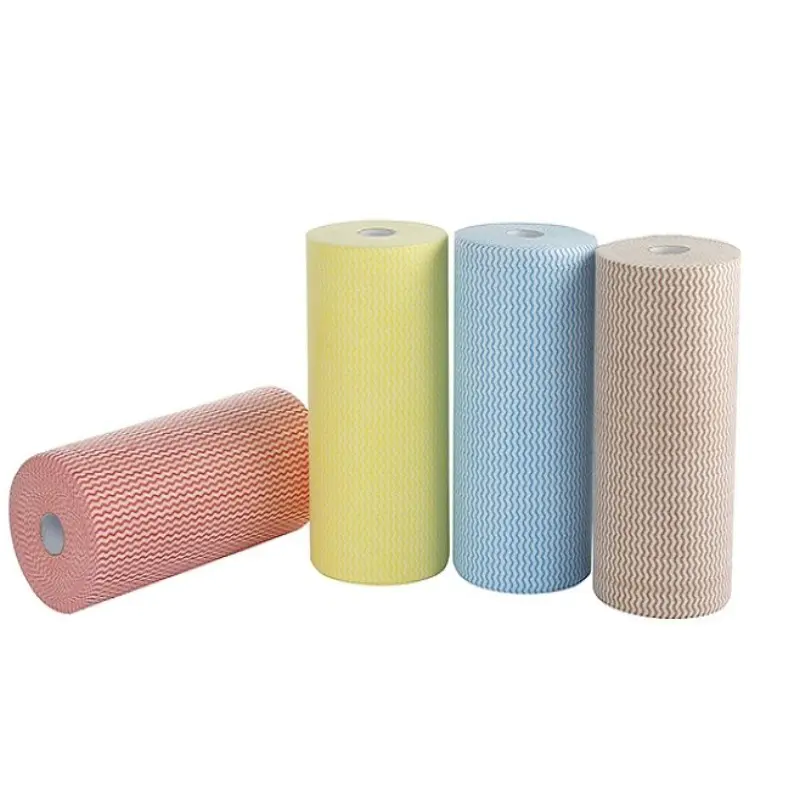

JIAXING HONGJIE COMMODITY CO., LTD is located near Shanghai and Hangzhou in Jiaxing City, Zhejiang Province, China. We are trading& manufactory company. our factory and office are in Jiaxing city.

Factory Add: 3rd floor, BLDG 3, No.379 Ziyu Road, Daqiao Industrial Zone, Jiaxing, Zhejiang, China.

+86-573-82313085

+86-573-82091210

Copyright © JIAXING HONGJIE COMMODITY CO., LTD
The information provided on this website is intended for use only in countries and jurisdictions outside of the People's Republic of China.
Wholesale Nonwoven Wet Wipes Manufacturers
