 Search for...
 English
 Español
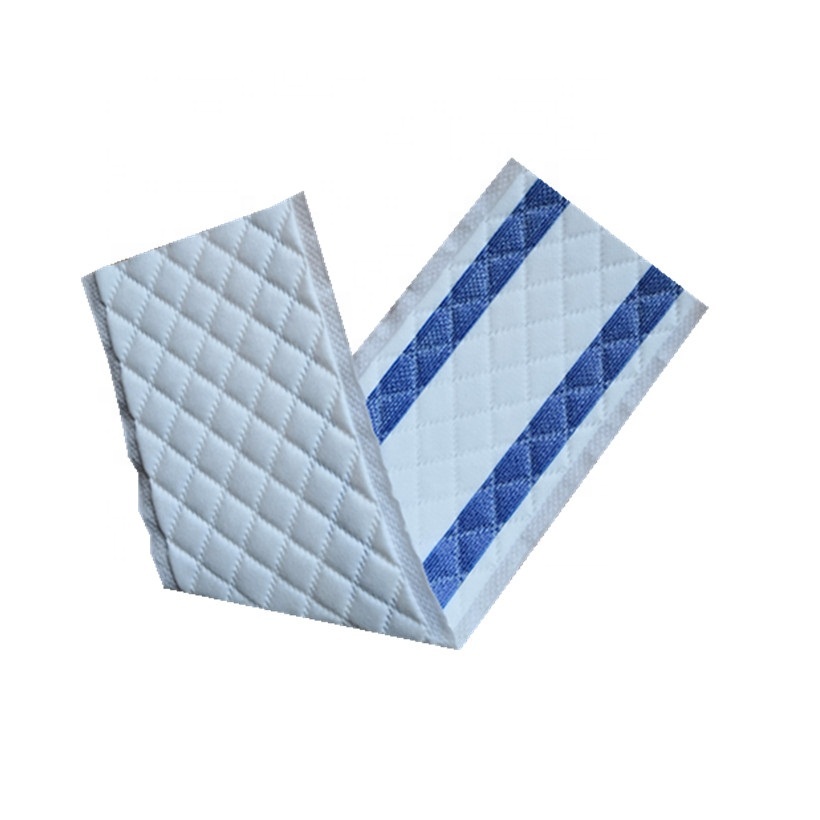
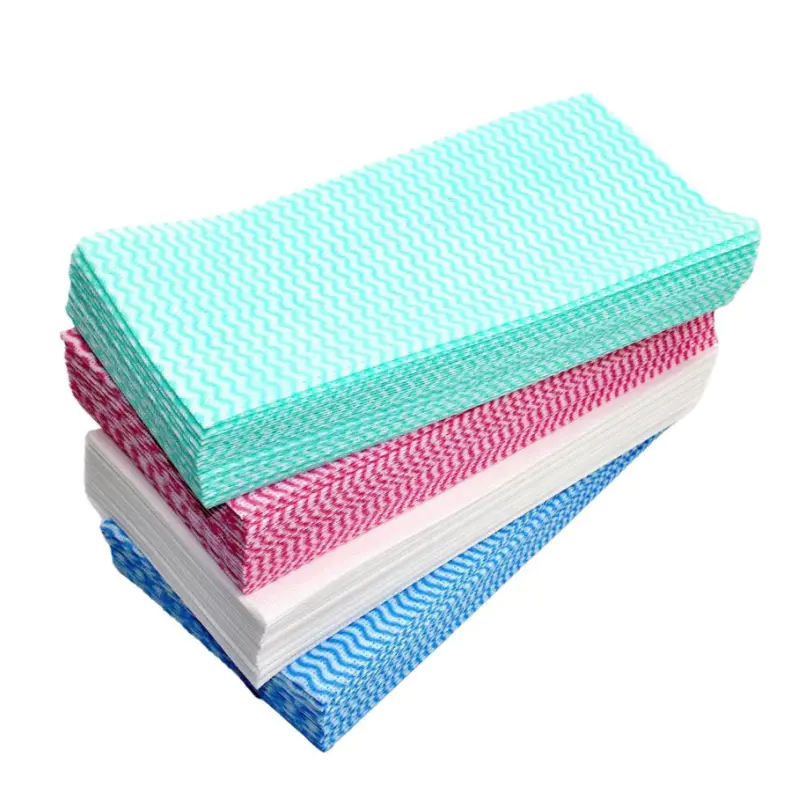
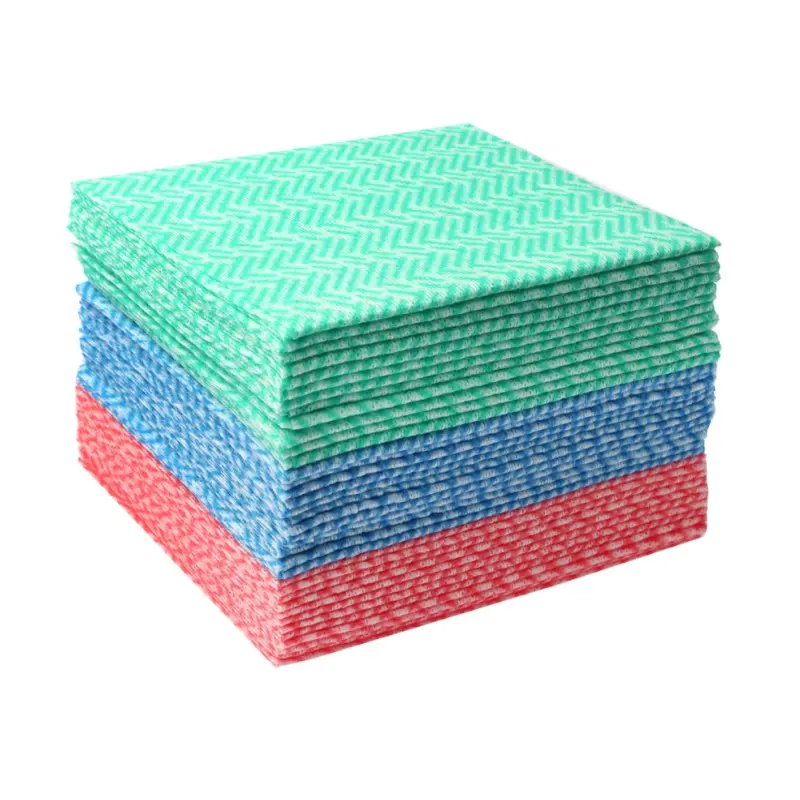
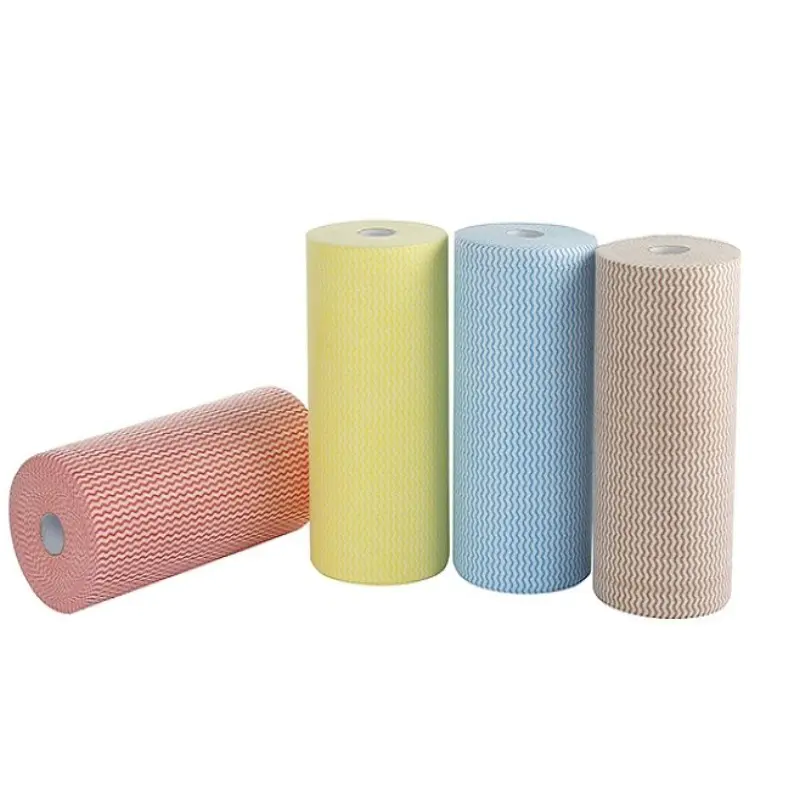
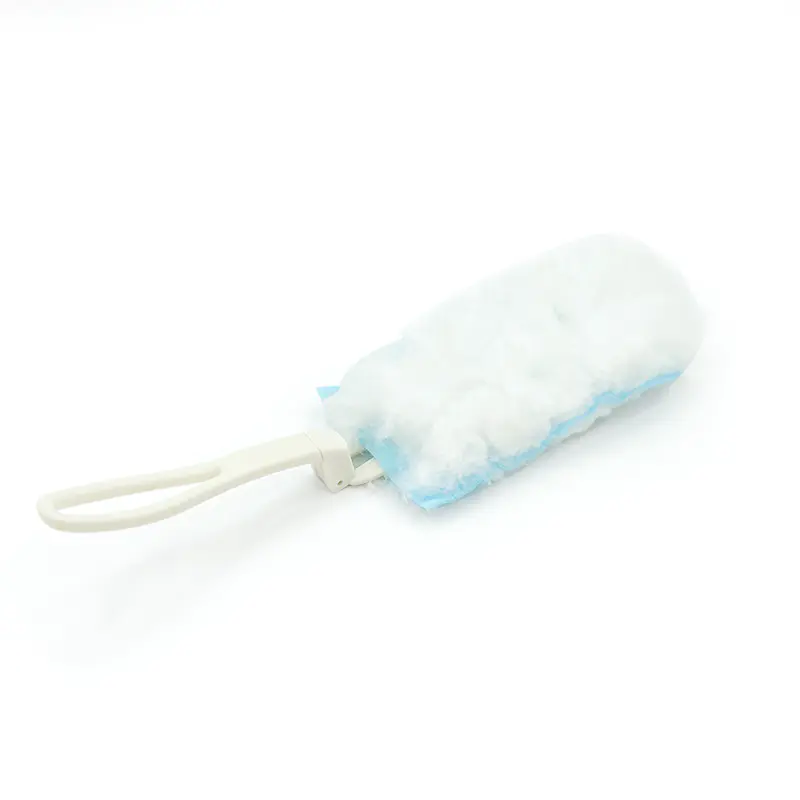
Soft Lint-Free Disposable Household Cleaning Wipe

Content
Not all fiber dusters are created equal. The market offers a variety of shapes, sizes, and handle types designed for specific cleaning challenges. Choosing the right tool can reduce cleaning time by up to 40% and ensure that hard-to-reach areas are not neglected. The key is matching the duster's physical design to the surface geometry and accessibility requirements.
This guide breaks down the different types of fiber dusters available, evaluates their ergonomic features, and provides a decision framework for consumers and professional cleaners alike. By understanding these distinctions, you can build a versatile cleaning kit that handles every dusting task with ease.
Fiber dusters come in various configurations, each optimized for specific environments. From flexible heads for irregular shapes to flat pads for large surfaces, selecting the correct type enhances cleaning efficiency.
These dusters feature long, loose microfiber strands that excel at wrapping around complex objects like chandeliers, plant leaves, and figurines. Their three-dimensional structure allows them to penetrate deep into crevices. They are ideal for delicate items where pressure must be minimized. A high-quality fluffy duster can hold 5-10 grams of dust before needing to be shaken out or washed.
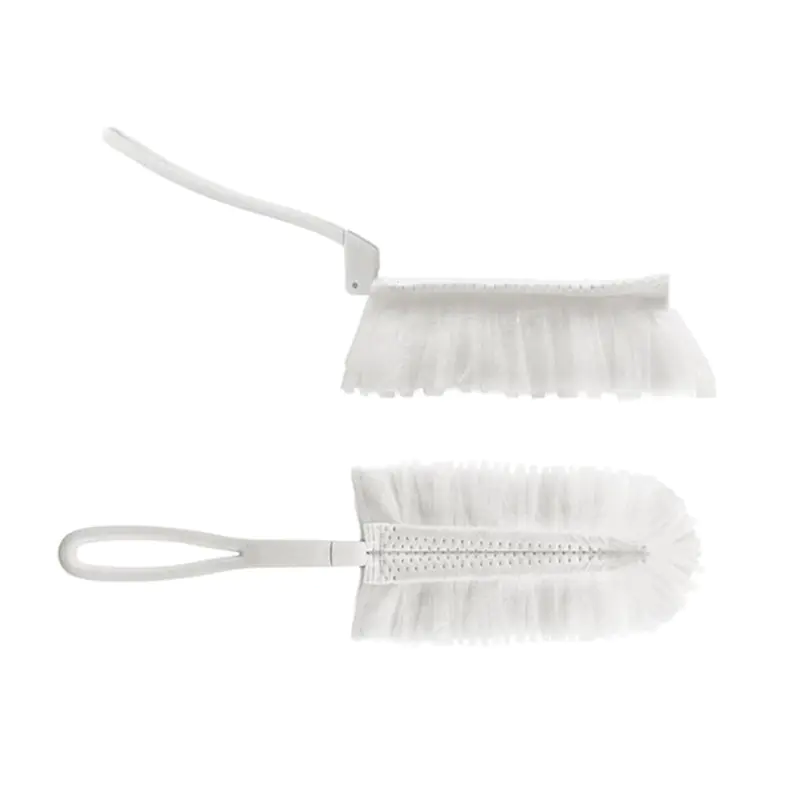
Flat dusters, often attached to a swivel head, are designed for large, flat surfaces such as ceilings, walls, and cabinet tops. They provide consistent contact pressure and cover a wider area per swipe. Many models are compatible with standard mop handles, allowing for extended reach. They are particularly effective for removing cobwebs from corners and high ceilings.
| Duster Shape | Primary Application | Reach Capability | Surface Type |
|---|---|---|---|
| Fluffy/Pom-Pom | Decor, Blinds, Plants | Low to Medium | Irregular, Delicate |
| Flat/Swivel | Ceilings, Walls, Floors | High (with extension) | Flat, Broad |
| Wand/Handheld | Shelves, Electronics | Low | Small, Precision |
The handle of a fiber duster plays a crucial role in user comfort and cleaning effectiveness. Ergonomic designs reduce hand fatigue and allow for better control, especially during extended cleaning sessions.
Telescopic handles allow users to adjust the length of the duster, typically ranging from 0.5 to 1.5 meters. This feature is indispensable for reaching high ceilings, top-of-fridge areas, and exterior windows without the safety risk of using a ladder. Look for handles with secure locking mechanisms to prevent collapsing during use.
Dusters with flexible necks can be bent at various angles, enabling access to tight spaces behind radiators, under furniture, or around pipe work. This adaptability ensures that dust traps are not missed. A robust flexible neck should retain its shape after repeated bending and not snap back unexpectedly.
Investing in high-quality reusable fiber dusters is both economically and environmentally sound. Unlike disposable dusters that contribute to landfill waste, reusable fiber dusters can be washed and reused hundreds of times, reducing long-term cleaning costs.
Because fiber dusters rely on physical and electrostatic mechanisms rather than chemical agents, they eliminate the need for dusting sprays. This reduction in chemical usage lowers household expenses and minimizes exposure to volatile organic compounds (VOCs), contributing to a healthier indoor environment. Over a year, a household can save approximately $50-$100 on cleaning products by switching to microfiber systems.
A premium fiber duster can last for 2-3 years with proper care, whereas disposable alternatives require weekly replacement. When the fibers eventually wear out or lose their static charge, the duster head can often be replaced while retaining the handle, further reducing waste. This modular approach supports a sustainable cleaning lifestyle.

JIAXING HONGJIE COMMODITY CO., LTD is located near Shanghai and Hangzhou in Jiaxing City, Zhejiang Province, China. We are trading& manufactory company. our factory and office are in Jiaxing city.

Factory Add: 3rd floor, BLDG 3, No.379 Ziyu Road, Daqiao Industrial Zone, Jiaxing, Zhejiang, China.

+86-573-82313085

+86-573-82091210

Copyright © JIAXING HONGJIE COMMODITY CO., LTD
The information provided on this website is intended for use only in countries and jurisdictions outside of the People's Republic of China.
Wholesale Nonwoven Wet Wipes Manufacturers
