 Search for...
 English
 Español
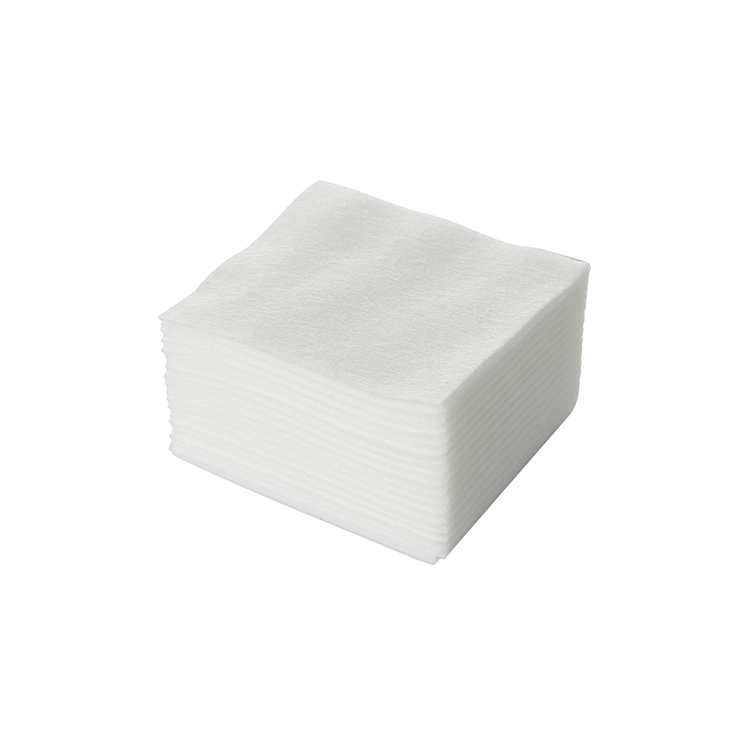
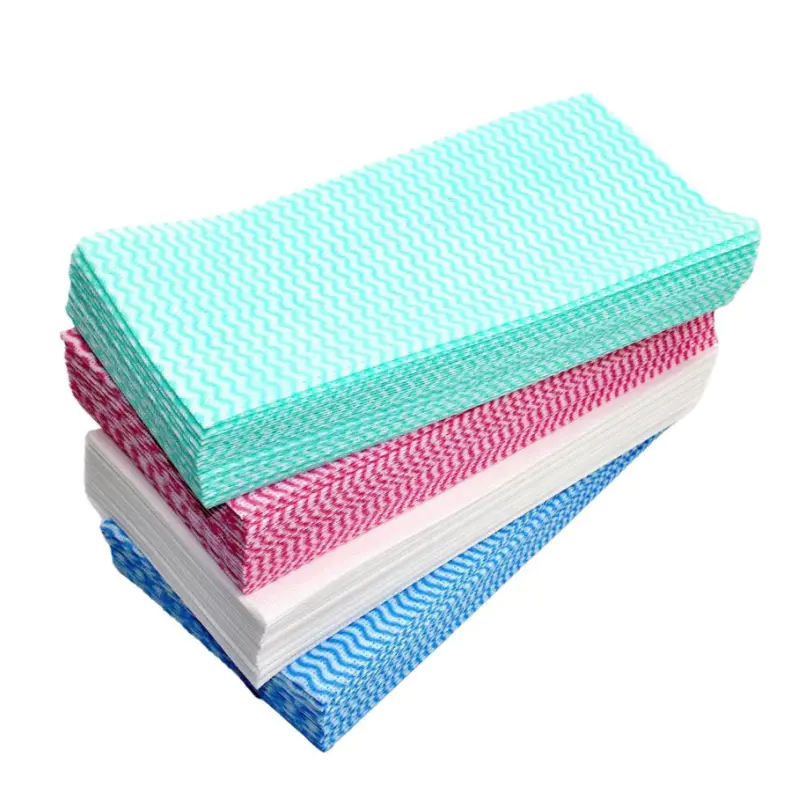
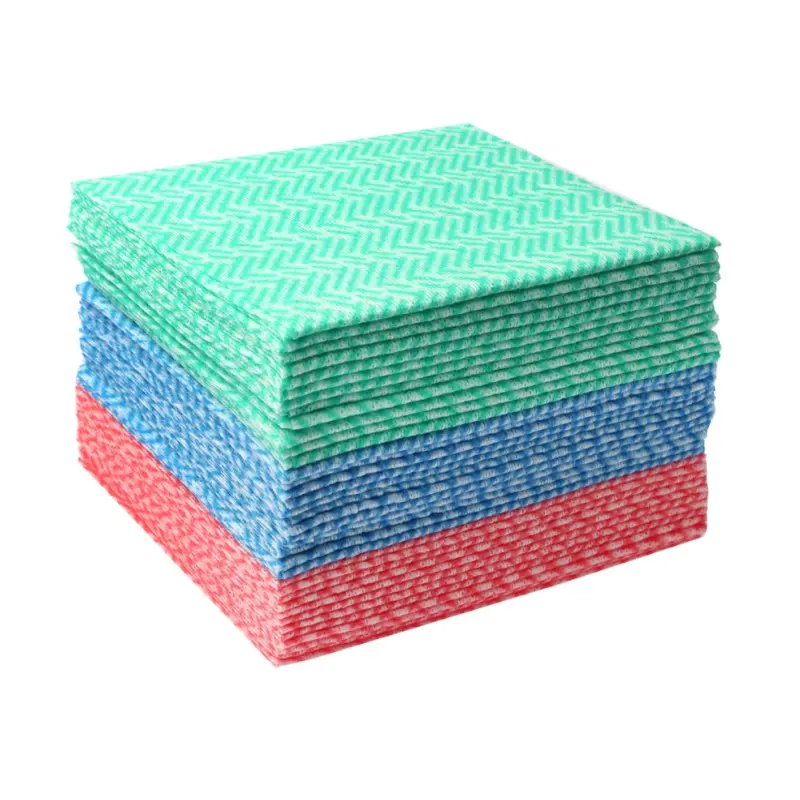
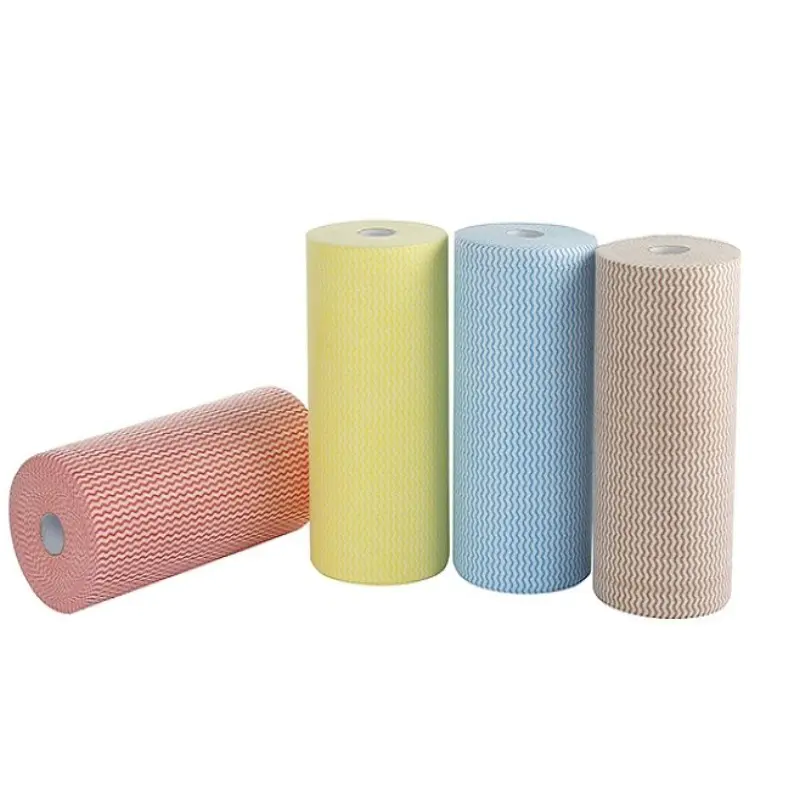
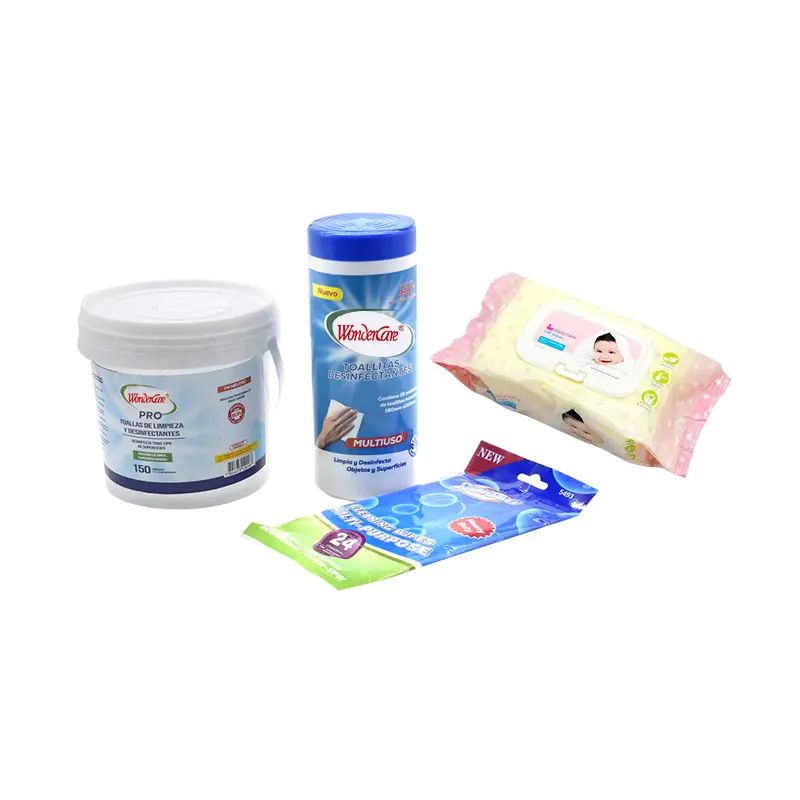
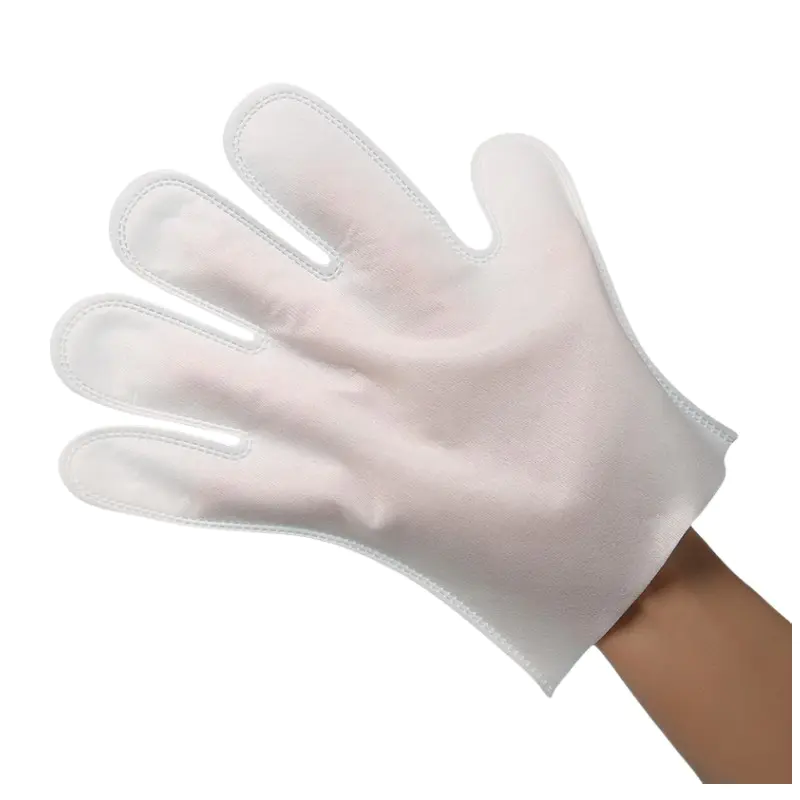
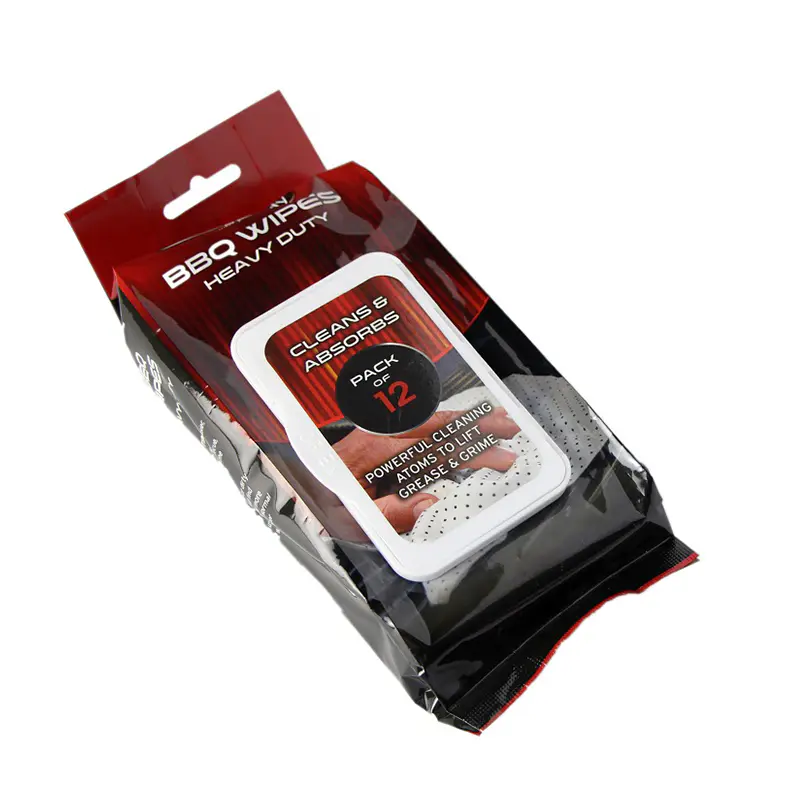
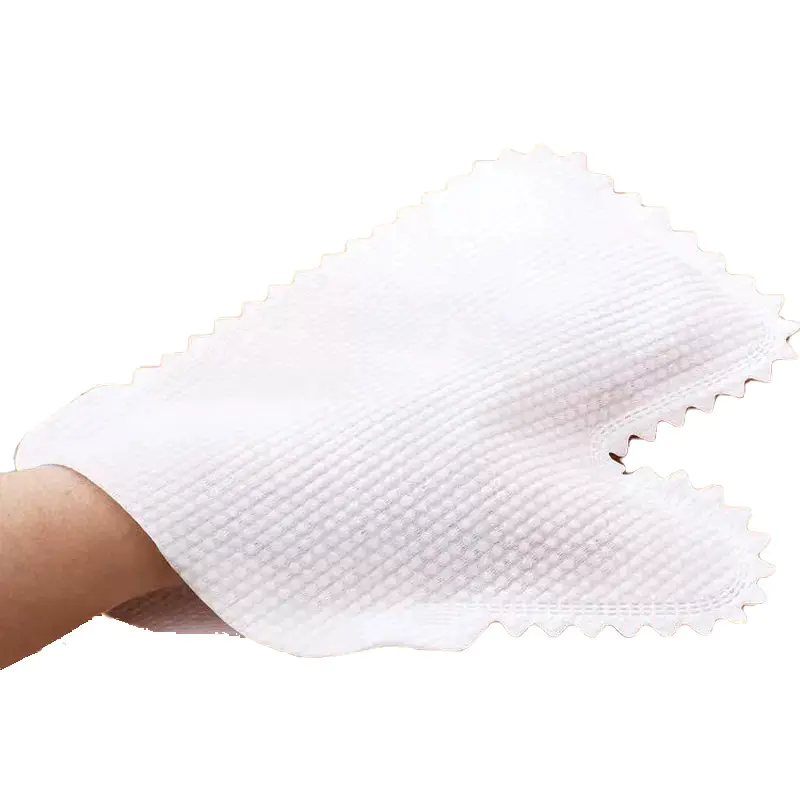
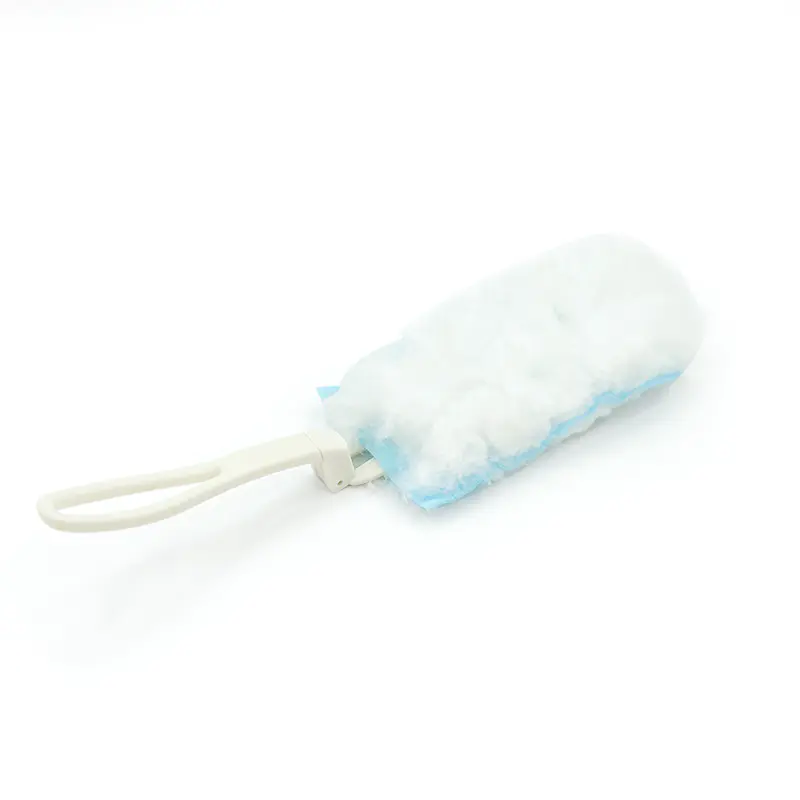
Soft Lint-Free Disposable Household Cleaning Wipe

Content
Personal care is more than just hygiene; it directly affects both mental and physical health. Daily routines, from skincare and oral hygiene to grooming and self-maintenance, can influence confidence, stress levels, and overall wellbeing. Establishing consistent personal care habits fosters a sense of control and self-worth while also preventing health issues such as infections, skin disorders, or dental problems. In this article, we explore the practical ways personal care habits impact mental and physical health and provide insights into developing effective routines.
Maintaining personal hygiene and grooming is crucial for preventing illnesses and promoting physical health. Proper practices reduce the risk of infections, minimize exposure to harmful bacteria, and contribute to overall bodily function.
Regular cleansing and moisturizing protect the skin from environmental damage, bacteria, and allergens. Proper hair care prevents scalp infections and strengthens hair health. Using appropriate products for your skin and hair type ensures maximum protection and helps prevent conditions such as acne, dryness, or fungal infections.
Brushing, flossing, and regular dental check-ups prevent tooth decay, gum disease, and bad breath. Oral health is closely linked to systemic health; poor oral hygiene can increase the risk of cardiovascular disease, diabetes, and infections. Maintaining oral care habits is a cornerstone of overall physical health.
Frequent handwashing, bathing, and proper sanitation reduce exposure to pathogens. Good body hygiene prevents skin irritation, fungal infections, and unpleasant odors, supporting a healthier and more active lifestyle. These habits are particularly important in communal or high-contact environments.
Personal care habits are strongly linked to mental health. Engaging in self-care routines enhances self-esteem, reduces stress, and promotes positive emotional states. Feeling clean, groomed, and well-maintained can improve confidence and social interactions, contributing to overall psychological wellbeing.
Consistent grooming and appearance management foster self-confidence. When individuals feel good about their appearance, they are more likely to engage socially, pursue professional opportunities, and maintain a proactive mindset. Personal care routines create a tangible sense of achievement, reinforcing positive self-image and motivation.
Many personal care activities, such as bathing, moisturizing, or hair treatments, serve as relaxation techniques. These practices reduce cortisol levels, alleviate tension, and provide moments of mindfulness. Incorporating rituals like aromatherapy, facial massages, or spa-like routines enhances mental clarity and reduces daily stress.
Establishing structured routines ensures consistency and maximizes benefits. Effective personal care habits include hygiene, skincare, oral care, grooming, and lifestyle practices tailored to individual needs and environments.
Personal care extends beyond hygiene to encompass nutrition, sleep, physical activity, and mental wellness practices. Holistic integration of personal care routines promotes comprehensive health benefits. For example, a skincare routine combined with hydration, exercise, and sleep supports both physical appearance and overall energy levels.
Adequate hydration and a balanced diet support skin, hair, and nail health. Nutrient-rich foods provide antioxidants and vitamins that strengthen the body and improve resilience against stressors, enhancing the overall effects of personal care routines.
Regular exercise improves circulation, boosts mood, and enhances the skin’s natural glow. Coupled with personal hygiene and grooming habits, physical activity reinforces mental clarity and physical vitality.
The table below summarizes key personal care habits and their direct effects on mental and physical health:
| Personal Care Habit | Physical Health Benefit | Mental Health Benefit |
| Daily Bathing | Reduces infections and skin issues | Promotes freshness and alertness |
| Skincare Routine | Maintains skin health and prevents damage | Enhances self-esteem and confidence |
| Oral Hygiene | Prevents decay and systemic infections | Reduces anxiety over breath and appearance |
| Exercise & Nutrition | Supports cardiovascular and muscular health | Improves mood and cognitive function |
| Relaxation & Self-Care Rituals | Reduces physical tension | Decreases stress and enhances emotional balance |
Consistent personal care habits play a fundamental role in supporting both mental and physical health. By integrating hygiene, grooming, skincare, nutrition, exercise, and relaxation routines into daily life, individuals can enhance their wellbeing, boost confidence, and prevent common health issues. Establishing mindful and sustainable personal care practices contributes to a balanced lifestyle, ensuring long-term benefits for body and mind.

JIAXING HONGJIE COMMODITY CO., LTD is located near Shanghai and Hangzhou in Jiaxing City, Zhejiang Province, China. We are trading& manufactory company. our factory and office are in Jiaxing city.

Factory Add: 3rd floor, BLDG 3, No.379 Ziyu Road, Daqiao Industrial Zone, Jiaxing, Zhejiang, China.

+86-573-82313085

+86-573-82091210

Copyright © JIAXING HONGJIE COMMODITY CO., LTD
The information provided on this website is intended for use only in countries and jurisdictions outside of the People's Republic of China.
Wholesale Nonwoven Wet Wipes Manufacturers
