 Search for...
 English
 Español
Soft Lint-Free Disposable Household Cleaning Wipe

Content
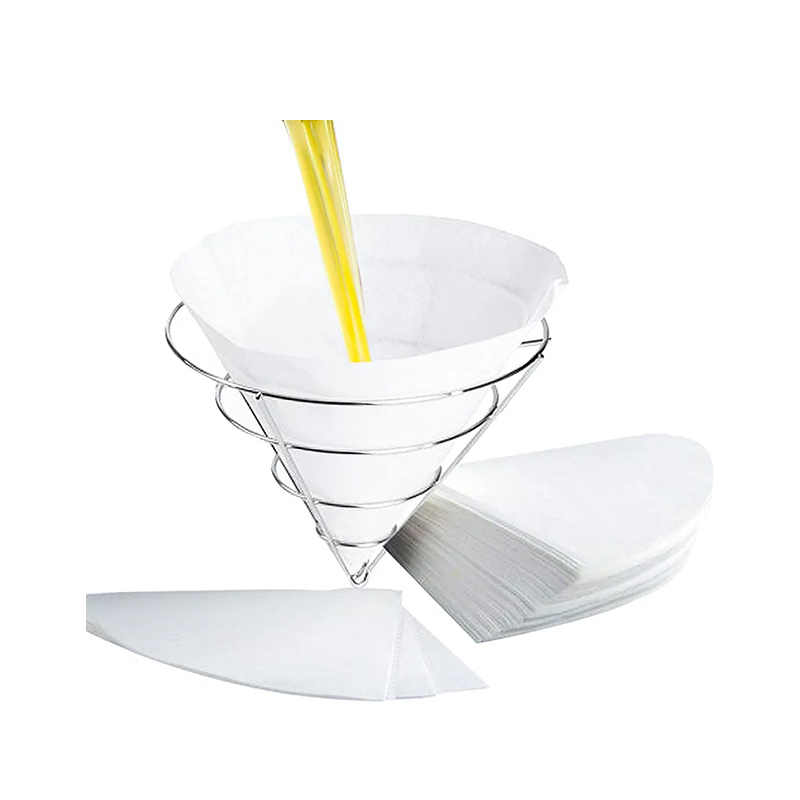
Cooking oil filter papers are essential tools in commercial kitchens, used to maintain oil quality and ensure consistent food preparation. By removing impurities, food residues, and burnt particles, filter papers help extend the life of cooking oil while improving the taste and safety of fried foods.
Regular use of these papers also benefits operational efficiency, reducing costs associated with frequent oil replacement and minimizing potential health risks from degraded oil.
Cooking oil filter papers function by trapping solid residues and impurities present in used oil. Their porous structure allows oil to pass through while capturing particles that can affect flavor, odor, and oil stability.
The paper’s fine mesh structure ensures that even tiny burnt particles and food debris are retained. This prevents the accumulation of impurities in the fryer, which can degrade oil quality and negatively impact the appearance and taste of fried foods.
Filter papers come in various sizes and grades suitable for different oil capacities and fryer types. High-quality papers are designed to withstand repeated oil filtration while providing efficient particle retention, making them ideal for high-volume restaurant operations.
Using cooking oil filter papers regularly offers multiple advantages for restaurants, from improved food quality to cost savings and operational efficiency.
By removing burnt particles and residual food matter, filter papers ensure that the oil remains clean, producing fried foods with consistent color, texture, and flavor. This directly contributes to customer satisfaction and repeat business.
Regular filtration slows down oil degradation, preventing rancidity and oxidation. Restaurants can reduce the frequency of oil replacement, resulting in significant cost savings over time.
Filter papers remove impurities that can form harmful compounds during deep frying. Maintaining cleaner oil reduces the risk of harmful byproducts entering food, supporting compliance with health and safety standards.
Using filter papers minimizes fryer downtime and simplifies cleaning processes. Clean oil heats more evenly, improves fryer performance, and reduces energy consumption, enhancing overall kitchen efficiency.
Though filter papers represent a small ongoing expense, the extended life of cooking oil and reduced maintenance costs make them a cost-effective solution for restaurants, particularly in high-volume operations.
To maximize the benefits of filter papers, restaurants should follow recommended practices for filtration and maintenance.
Cooking oil filter papers are essential for restaurants seeking to maintain food quality, safety, and operational efficiency. Their use extends oil life, enhances flavor and appearance, and reduces costs associated with frequent oil replacement.
By implementing regular filtration routines and adhering to best practices, restaurants can optimize kitchen performance, improve customer satisfaction, and achieve sustainable cost savings in the long term.
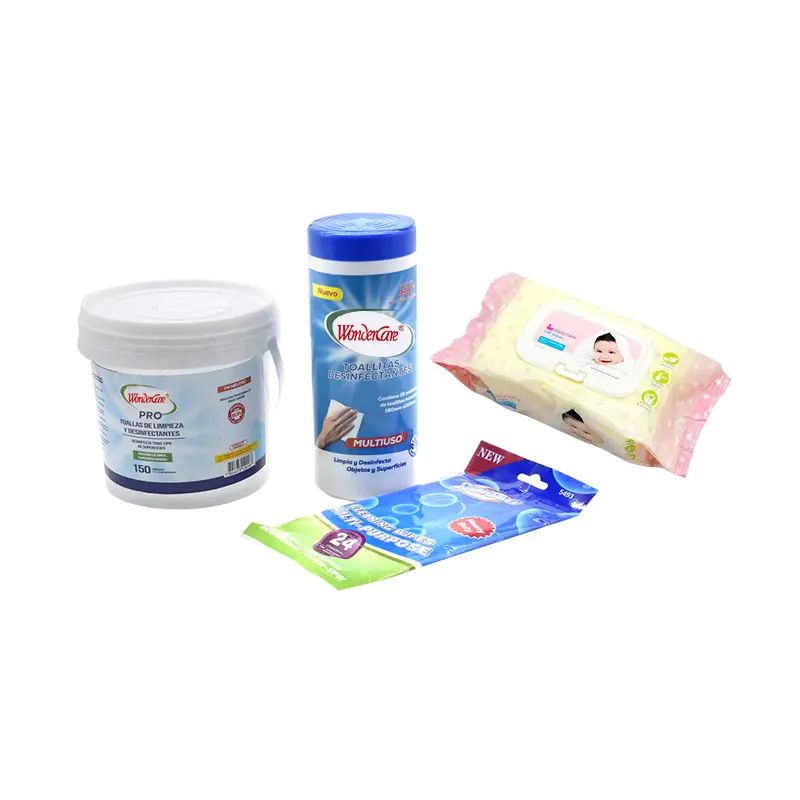
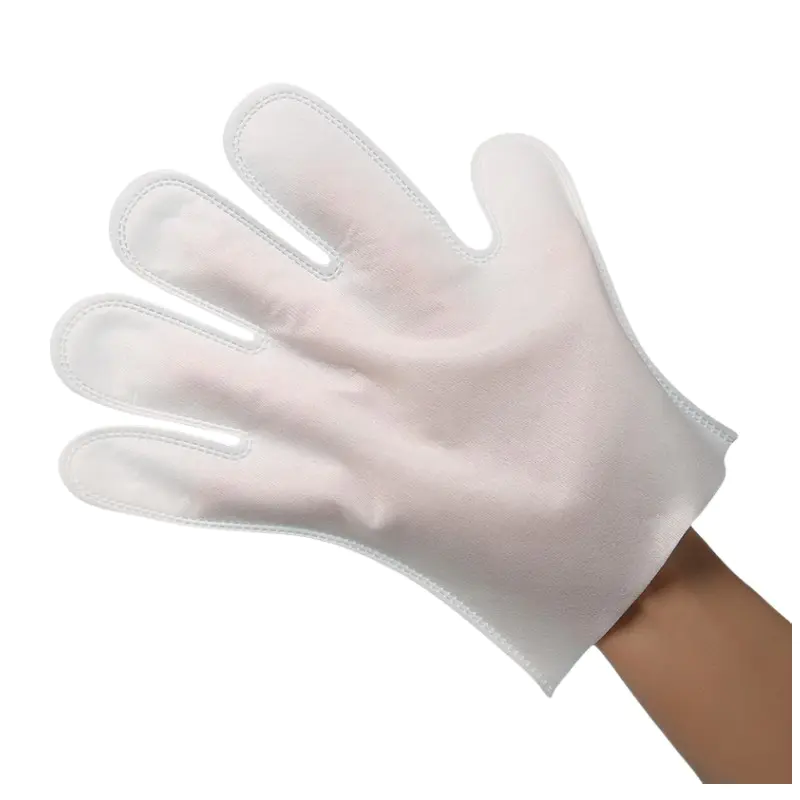
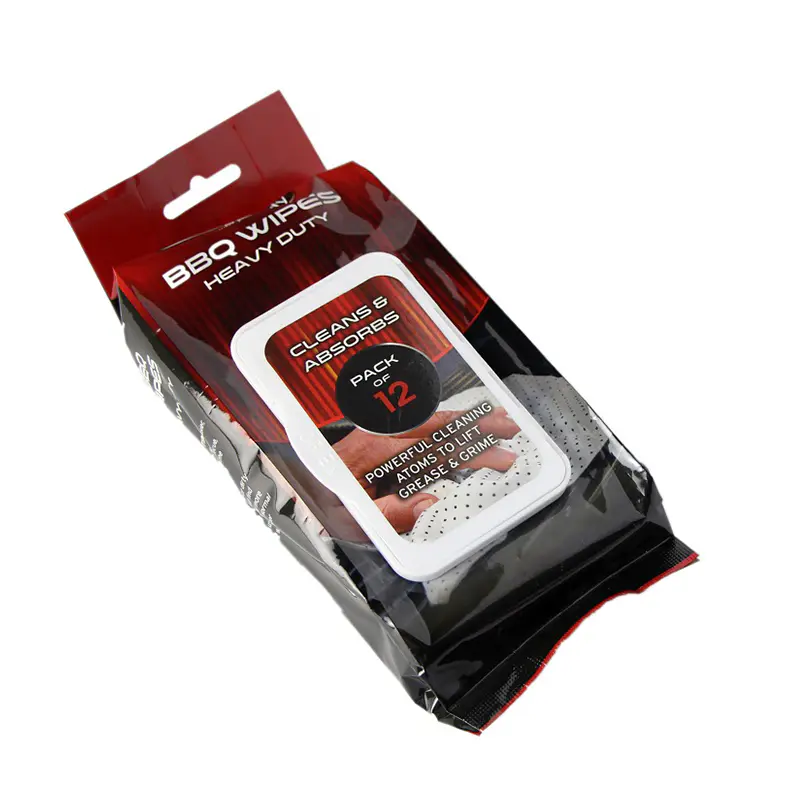

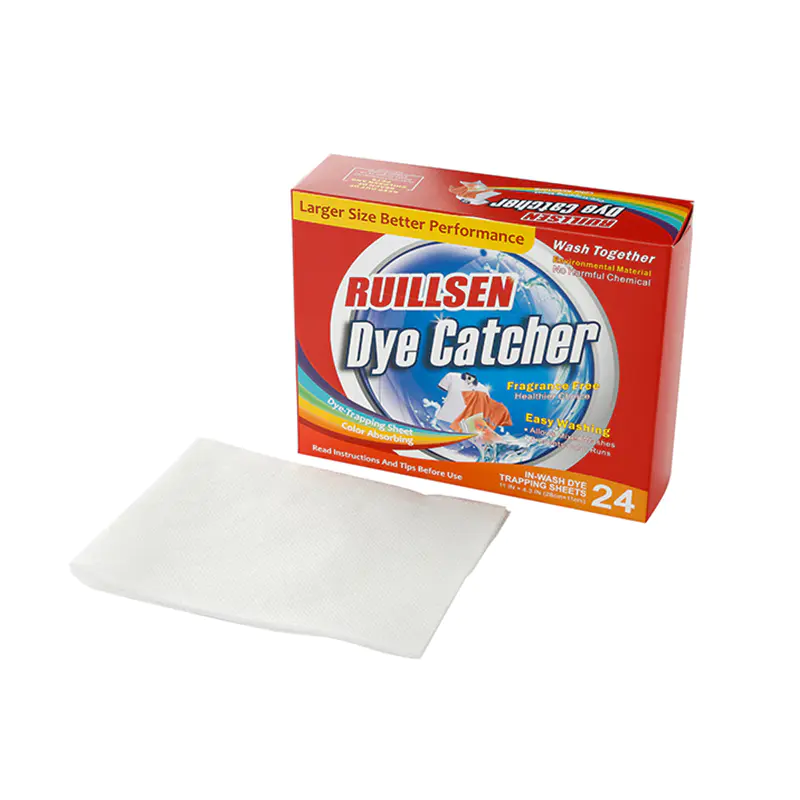

JIAXING HONGJIE COMMODITY CO., LTD is located near Shanghai and Hangzhou in Jiaxing City, Zhejiang Province, China. We are trading& manufactory company. our factory and office are in Jiaxing city.

Factory Add: 3rd floor, BLDG 3, No.379 Ziyu Road, Daqiao Industrial Zone, Jiaxing, Zhejiang, China.

+86-573-82313085

+86-573-82091210

Copyright © JIAXING HONGJIE COMMODITY CO., LTD
The information provided on this website is intended for use only in countries and jurisdictions outside of the People's Republic of China.
Wholesale Nonwoven Wet Wipes Manufacturers
