 Search for...
 English
 Español
Soft Lint-Free Disposable Household Cleaning Wipe

Content
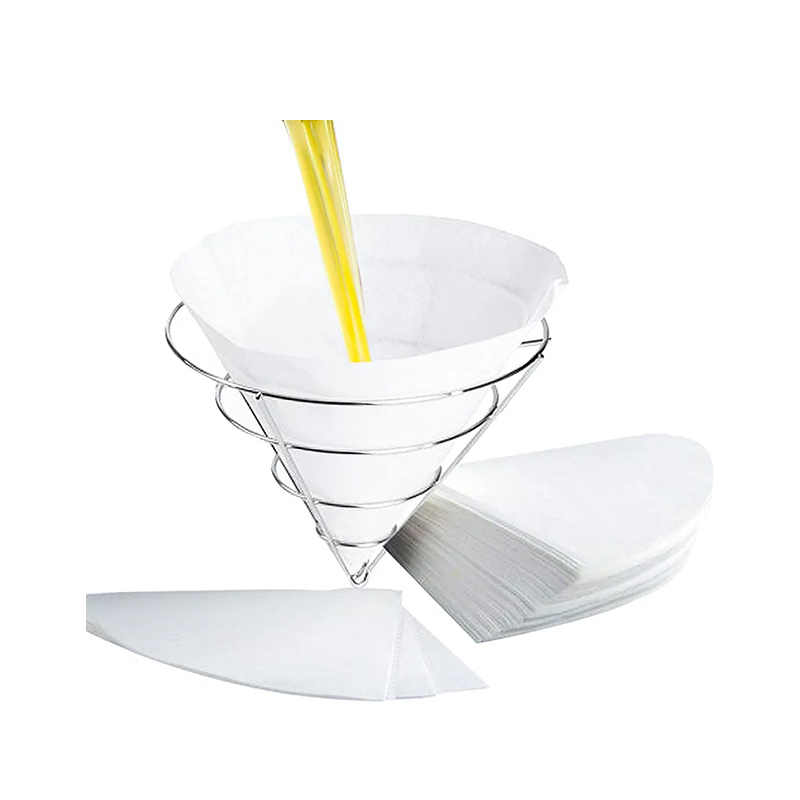
Cooking oil filter papers are an essential tool for both home and commercial kitchens. Designed to remove impurities, food particles, and sediments from frying oil, these papers help maintain the quality and safety of the oil. Their role goes beyond cleanliness—they contribute significantly to healthier cooking practices, reducing harmful compounds and enhancing the overall frying process. This article explores the practical benefits, mechanisms, and best practices for using cooking oil filter papers effectively.
Unfiltered cooking oil accumulates food particles, moisture, and residues over time, which can affect both taste and safety. Key reasons for filtering oil include:
Cooking oil filter papers operate by physically trapping food particles, impurities, and sediment while allowing clean oil to pass through. Their effectiveness depends on material composition, pore size, and thickness. Key features include:
Using filter papers has direct implications for healthier cooking. Benefits include:
In professional kitchens, cooking oil filter papers are indispensable for maintaining food quality and safety. Their applications include:
Selecting appropriate filter papers is crucial to ensure efficiency and safety. Consider the following:
To maximize the benefits of cooking oil filter papers, follow these practical tips:
Filtered oil not only promotes healthier cooking but also contributes to sustainability and cost savings:
Cooking oil filter papers are a simple yet highly effective tool for promoting healthier cooking practices. By removing impurities, reducing harmful compounds, and preserving oil quality, they ensure that fried foods are safer, tastier, and more consistent. Whether in home kitchens or large-scale commercial operations, adopting proper filtration techniques is essential for both health and efficiency, making cooking oil filter papers a must-have in modern culinary practices.
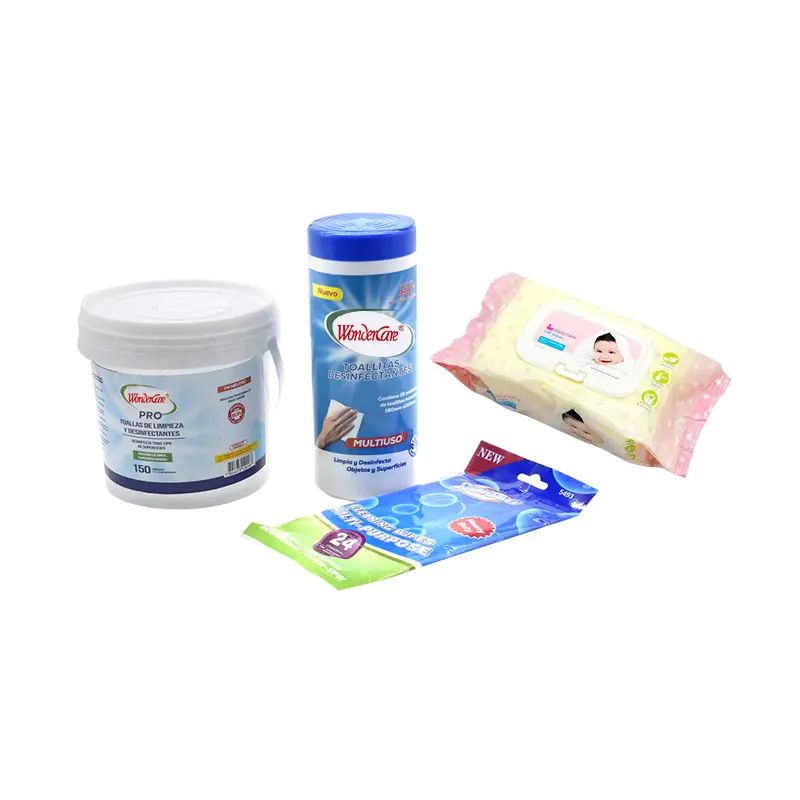
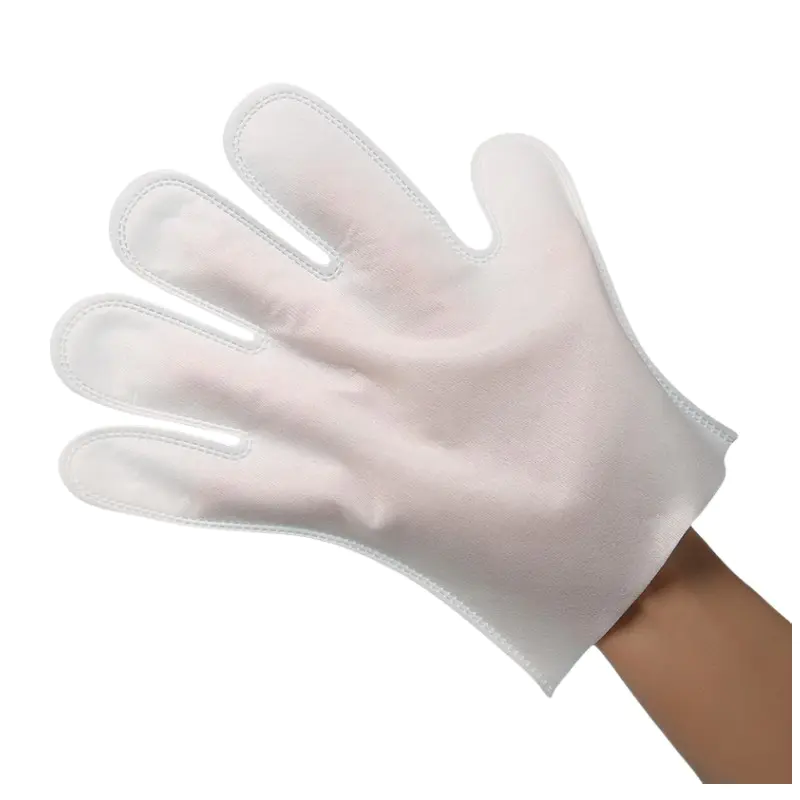
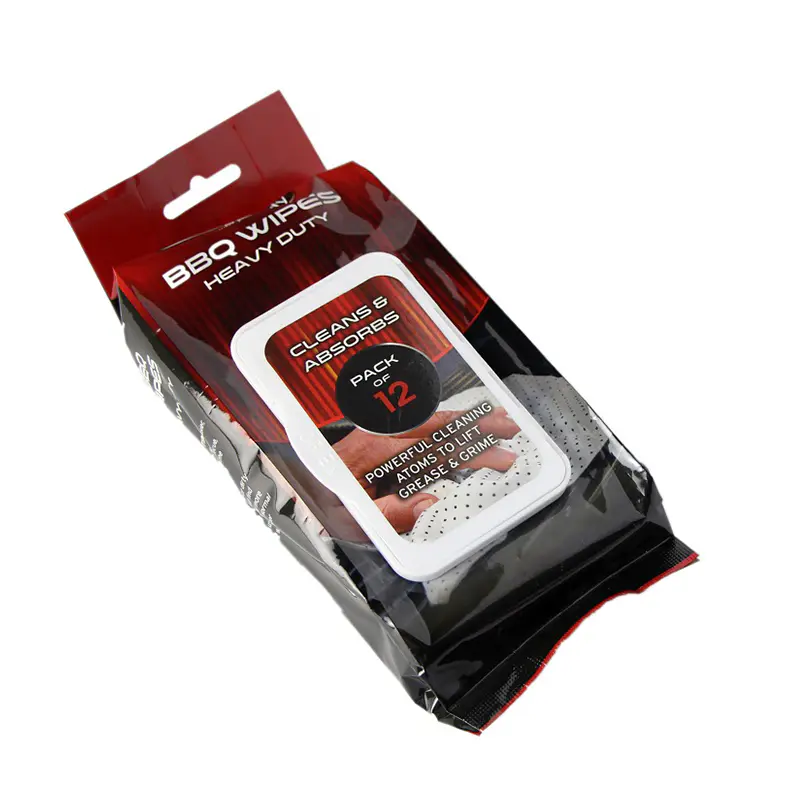
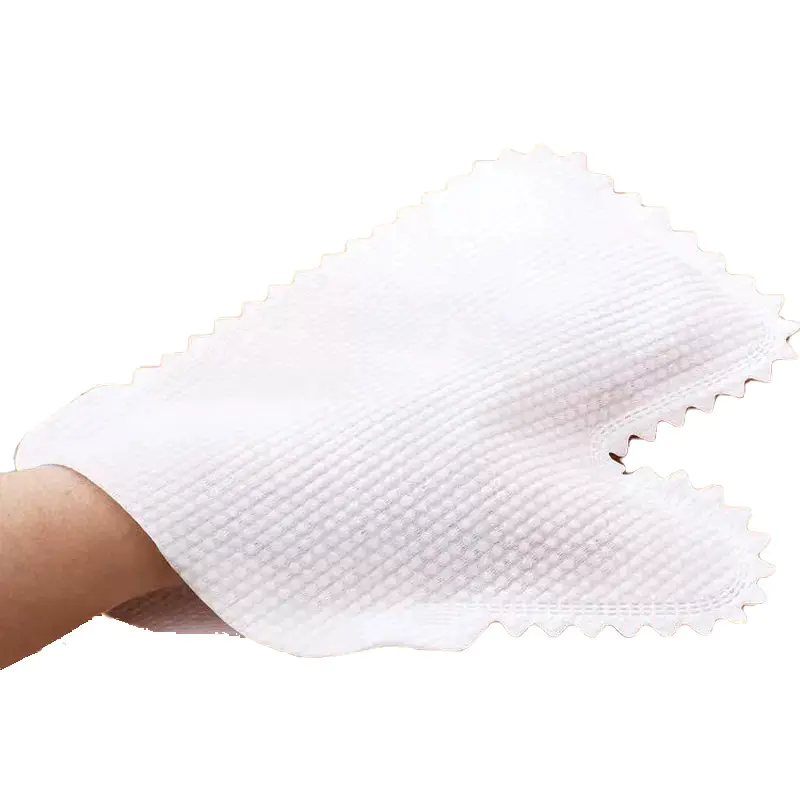

JIAXING HONGJIE COMMODITY CO., LTD is located near Shanghai and Hangzhou in Jiaxing City, Zhejiang Province, China. We are trading& manufactory company. our factory and office are in Jiaxing city.

Factory Add: 3rd floor, BLDG 3, No.379 Ziyu Road, Daqiao Industrial Zone, Jiaxing, Zhejiang, China.

+86-573-82313085

+86-573-82091210

Copyright © JIAXING HONGJIE COMMODITY CO., LTD
The information provided on this website is intended for use only in countries and jurisdictions outside of the People's Republic of China.
Wholesale Nonwoven Wet Wipes Manufacturers
