 Search for...
 English
 Español
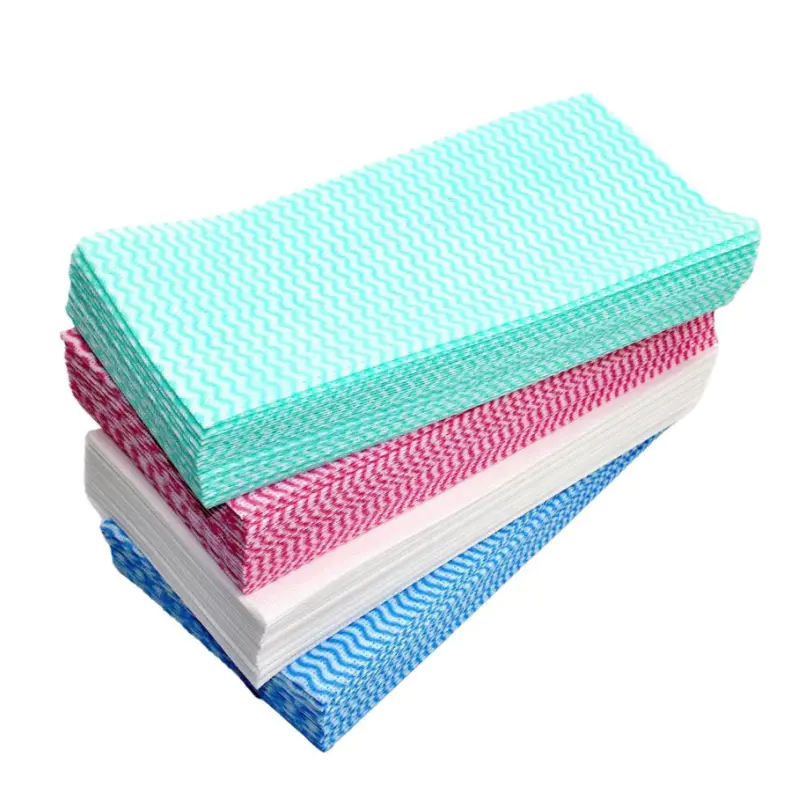
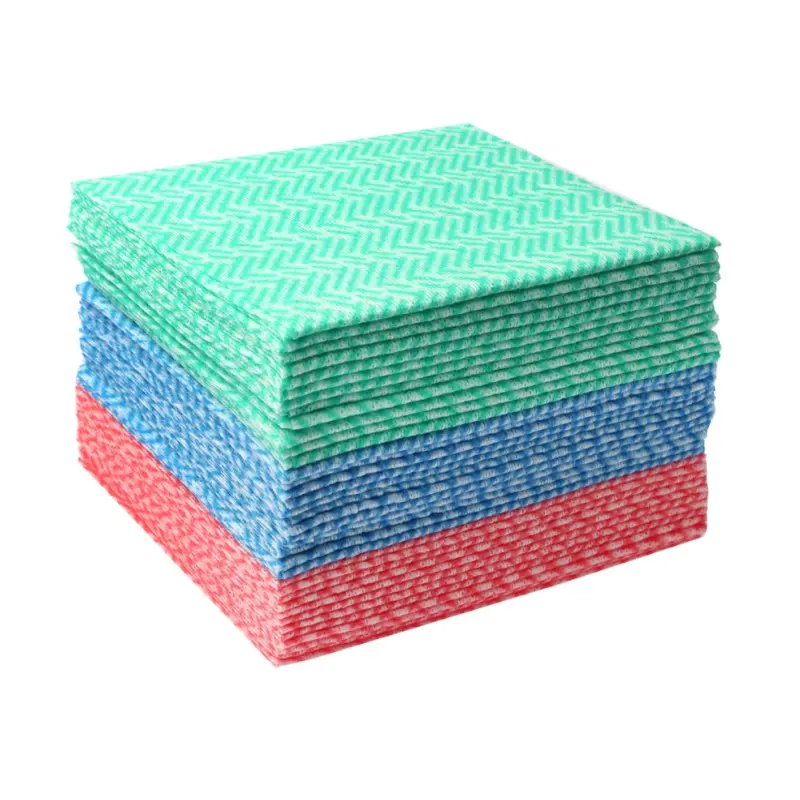
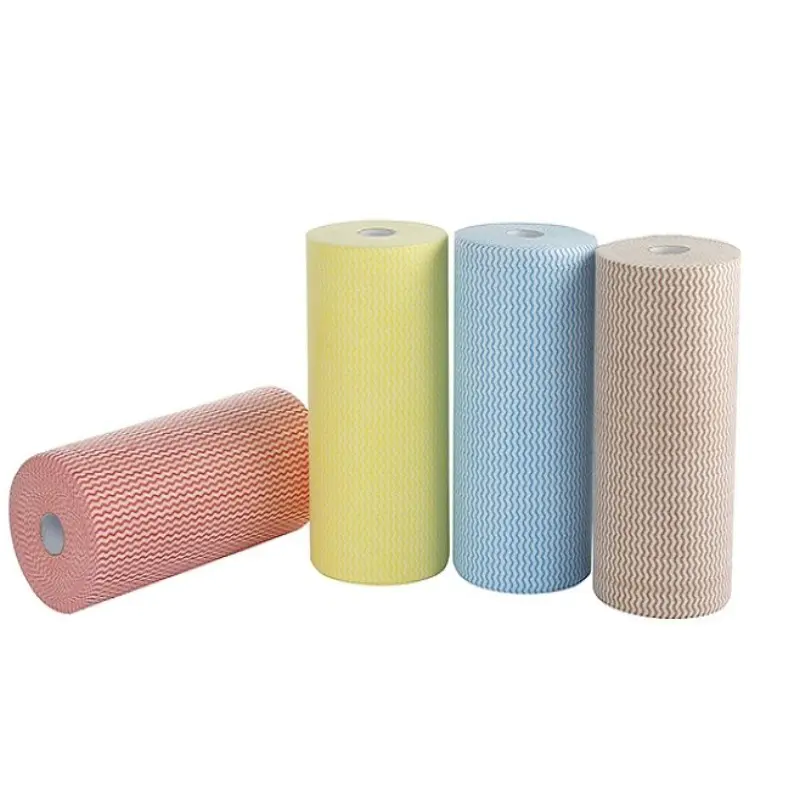
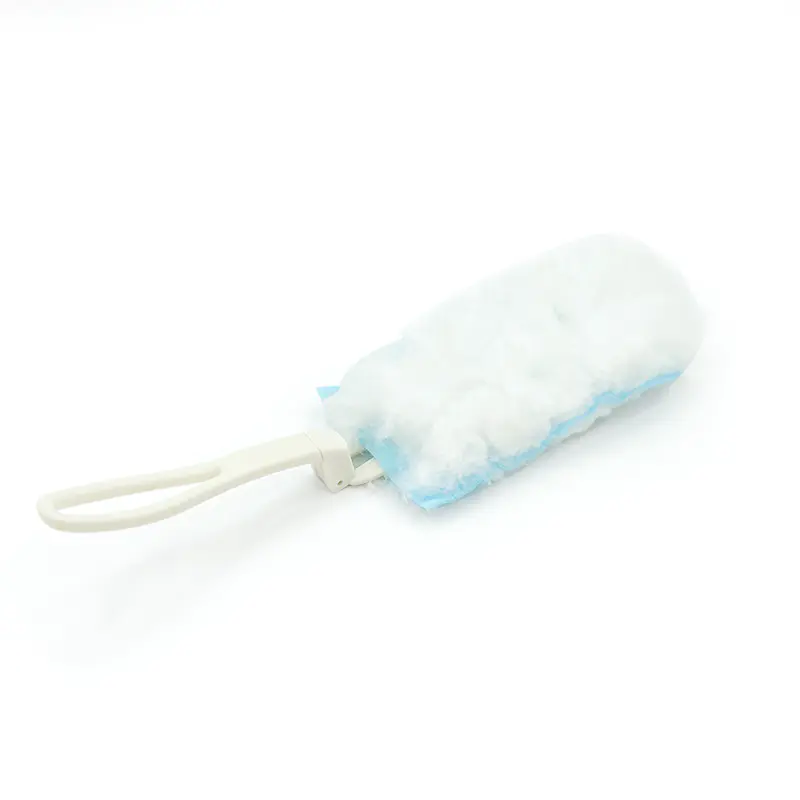
Soft Lint-Free Disposable Household Cleaning Wipe

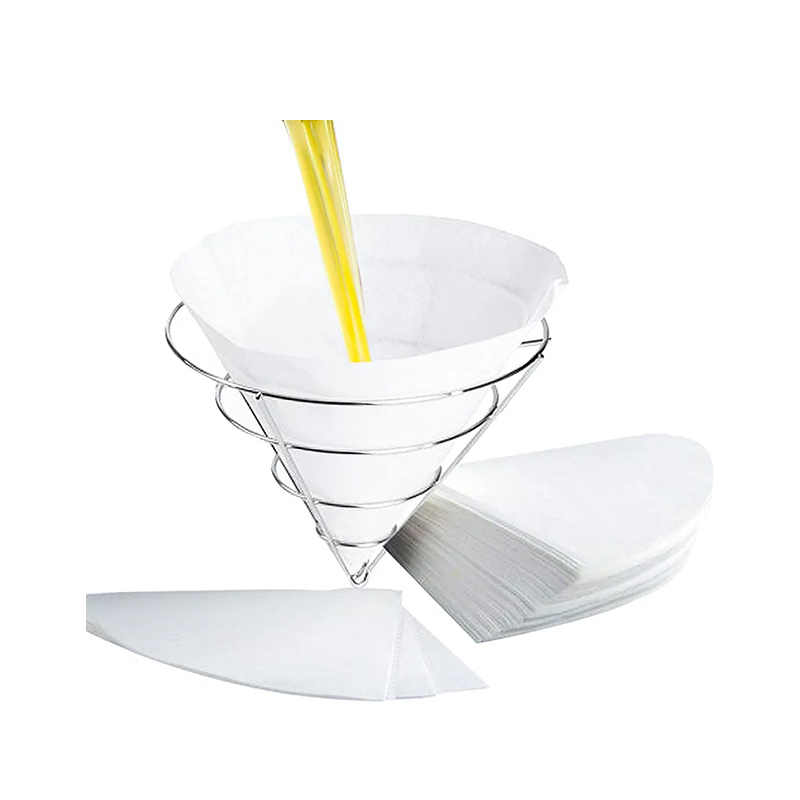
Cooking oil filtration has become an essential process in both commercial kitchens and home cooking to ensure food quality, safety, and cost-efficiency. Innovations in cooking oil filtration technology, particularly through advanced filter papers, are transforming how chefs and food manufacturers maintain oil purity and extend its usable life. These advancements include eco-friendly materials, improved absorption capabilities, and integration with automated filtration systems, all aimed at enhancing frying efficiency, reducing waste, and promoting healthier cooking practices.
Content
Modern cooking oil filter papers are no longer limited to traditional cellulose-based designs. Manufacturers are incorporating biodegradable fibers, nanofiber layers, and high-density composites that improve filtration efficiency. These new materials capture finer impurities, including burnt particles, food residues, and polymers formed during deep frying. Additionally, eco-friendly and biodegradable papers reduce environmental impact without compromising performance, appealing to sustainable foodservice operations.
Some advanced filter papers incorporate activated carbon or zeolite layers, which absorb odor compounds and residual impurities. This technology not only extends the life of cooking oil but also improves the taste and aroma of fried foods, ensuring a consistent culinary quality in restaurants and industrial kitchens.
Automation has revolutionized the use of cooking oil filter papers in commercial kitchens. Modern fryers and filtration units integrate filter papers into automated cycles that remove impurities without manual intervention. Sensors detect oil quality and trigger filtration processes when necessary, ensuring optimal performance and reducing labor costs.
Automated systems also allow precise control over oil temperature and filtration speed, minimizing degradation of oil quality and preserving nutrients. The integration of high-performance filter papers into these systems ensures that fine particulates and volatile compounds are consistently removed, improving both food safety and operational efficiency.
One of the primary trends in cooking oil filtration technology is health optimization. Advanced filter papers are designed to reduce harmful substances such as free fatty acids, acrylamides, and trans fats formed during repeated frying cycles. By capturing these compounds, filtered oil can maintain a healthier profile, which is increasingly important for health-conscious consumers and regulatory compliance in the food industry.
Some filter papers are infused with natural antioxidants or antimicrobial coatings, which slow down oil oxidation and inhibit microbial growth. These innovations not only extend the life of oil but also ensure safer consumption, particularly in high-volume frying operations such as fast-food chains and catering services.
Modern cooking oil filter papers often feature multi-layer construction that enhances filtration performance. Each layer is engineered to capture specific types of impurities, from coarse food debris to microscopic particulates and volatile residues. This multi-stage filtration allows for higher oil clarity, longer usability, and better flavor retention in fried products.
Some high-efficiency papers include pre-filter layers to extend the life of the main filtration medium. These layered designs improve throughput, reduce clogging, and minimize waste, making them particularly suitable for industrial frying operations with continuous oil circulation.
Sustainability is a significant focus in modern cooking oil filtration technology. Many manufacturers are producing filter papers from recycled materials or biodegradable fibers, reducing landfill waste and environmental footprint. Additionally, innovations in oil filtration reduce the frequency of oil replacement, cutting overall oil consumption and associated costs.
Some eco-friendly filter papers are designed for safe composting, aligning with circular economy principles in the food industry. Restaurants and commercial kitchens adopting these solutions demonstrate environmental responsibility while maintaining high standards of food safety and quality.
| Feature | Traditional Filter Paper | Modern Innovations |
| Material | Cellulose | Biodegradable, nanofiber, activated carbon layers |
| Filtration Efficiency | Basic, removes coarse debris | High, removes fine particles and odor compounds |
| Health Impact | Limited | Reduces harmful compounds, maintains oil quality |
| Integration | Manual use | Compatible with automated filtration systems |
| Environmental Impact | Disposable, minimal sustainability | Eco-friendly, biodegradable, reduces oil waste |
Innovations in cooking oil filtration technology, particularly in advanced filter papers, are reshaping the way oil is maintained in kitchens and industrial settings. Through new materials, multi-layer designs, automated systems, and health-oriented features, modern filter papers provide cleaner, safer, and longer-lasting oil. Sustainability-focused developments further enhance their appeal, helping foodservice operations reduce costs and environmental impact. These advancements ensure that cooking oil filtration remains efficient, effective, and aligned with evolving culinary and health standards.
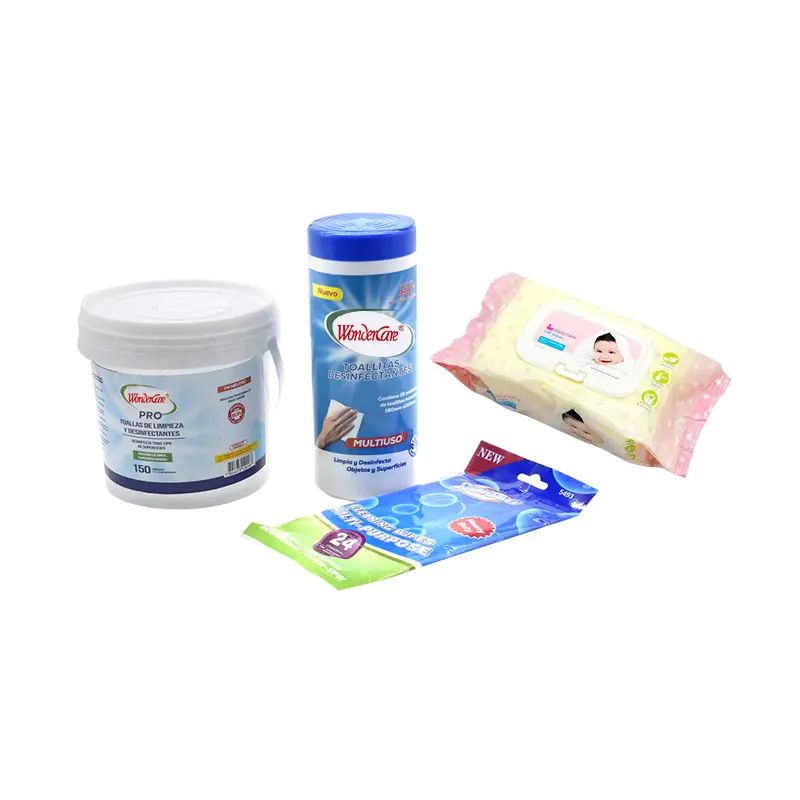
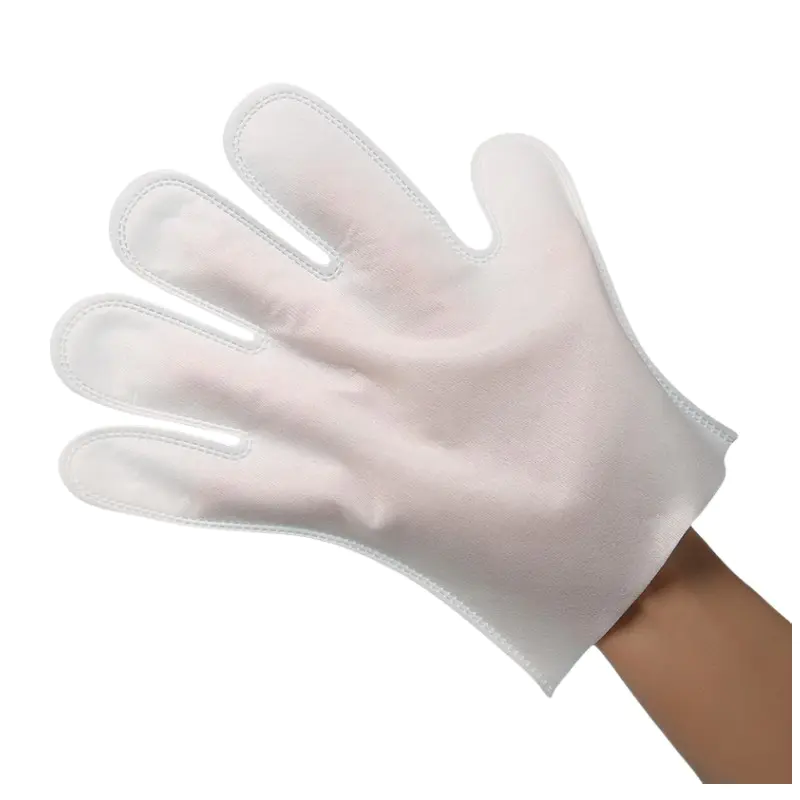
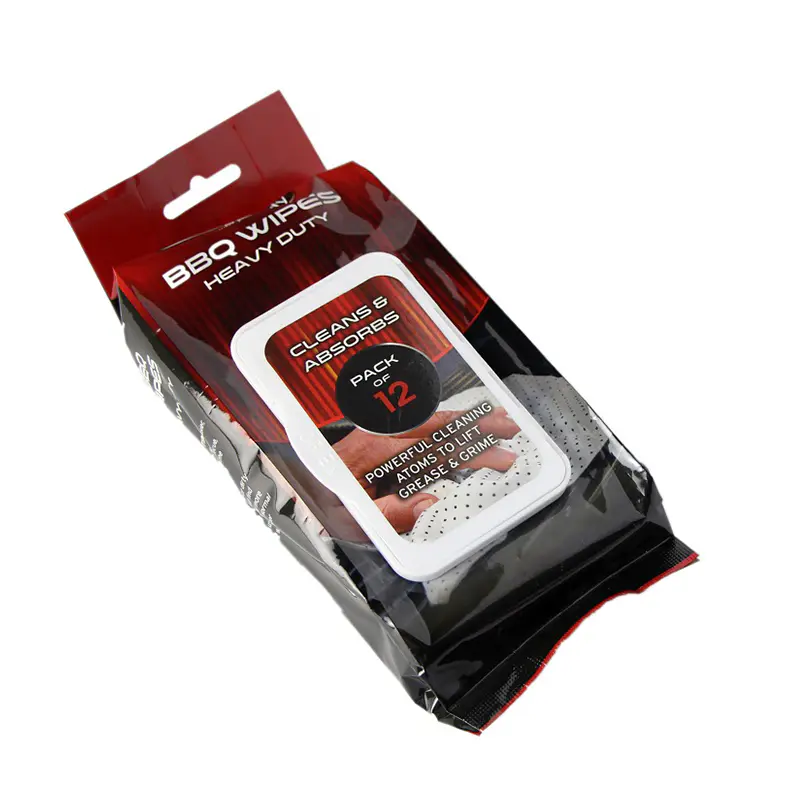
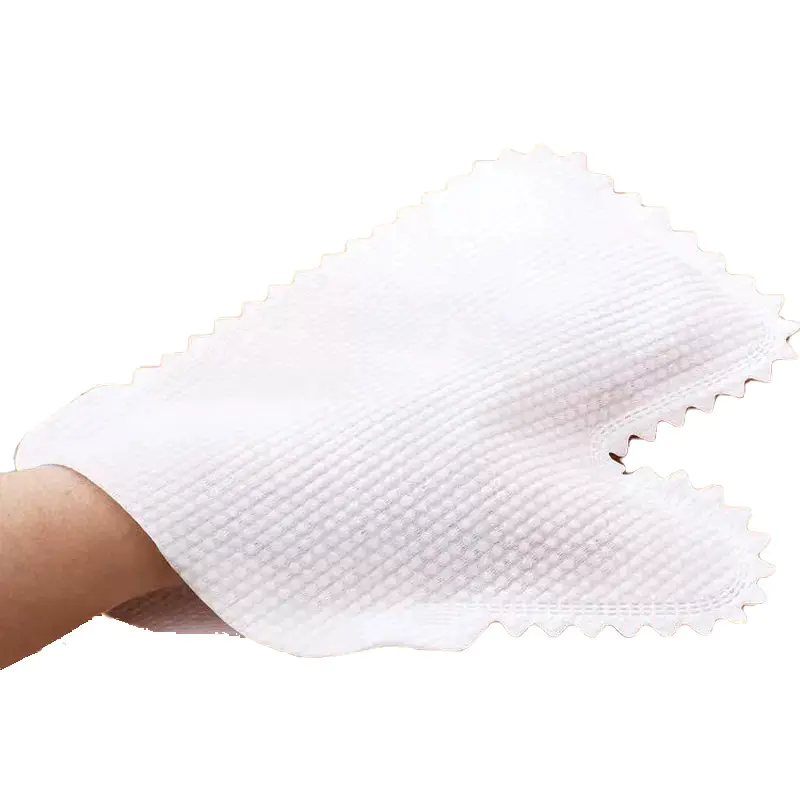

JIAXING HONGJIE COMMODITY CO., LTD is located near Shanghai and Hangzhou in Jiaxing City, Zhejiang Province, China. We are trading& manufactory company. our factory and office are in Jiaxing city.

Factory Add: 3rd floor, BLDG 3, No.379 Ziyu Road, Daqiao Industrial Zone, Jiaxing, Zhejiang, China.

+86-573-82313085

+86-573-82091210

Copyright © JIAXING HONGJIE COMMODITY CO., LTD
The information provided on this website is intended for use only in countries and jurisdictions outside of the People's Republic of China.
Wholesale Nonwoven Wet Wipes Manufacturers
