 Search for...
 English
 Español
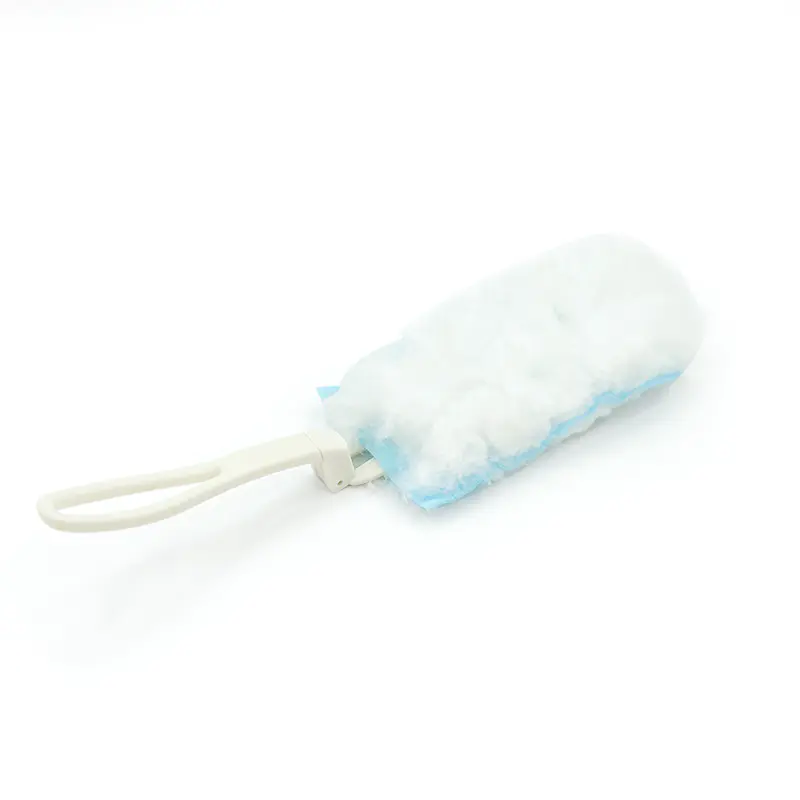
Soft Lint-Free Disposable Household Cleaning Wipe

Content
Personal wipes are an essential hygiene product used in homes, workplaces, travel, and healthcare settings. They provide a convenient way to clean hands, face, and body surfaces without the need for water. However, not all personal wipes are created equal. Choosing secure and safe wipes requires understanding materials, ingredients, and hygiene standards to protect skin health and prevent infections.
The ingredients of personal wipes determine their safety, effectiveness, and suitability for different skin types. Awareness of these components helps users make informed choices.
Many personal wipes contain alcohol to kill bacteria and viruses. While effective for disinfection, high alcohol concentrations can irritate sensitive or dry skin. Choosing wipes with moderate alcohol levels or alcohol-free formulations is preferable for daily use, especially for children or individuals with skin conditions.
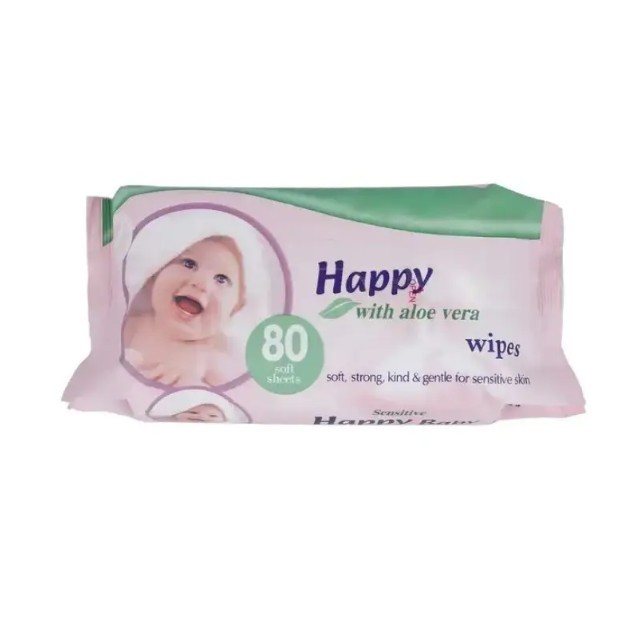
Ingredients like aloe vera, glycerin, or vitamin E help maintain skin hydration and prevent dryness. Secure personal wipes should balance cleansing efficiency with moisturizing properties, reducing irritation during frequent use.
Artificial fragrances or dyes can cause allergic reactions in sensitive individuals. Choosing fragrance-free or hypoallergenic wipes is a safer option, especially for babies or people prone to skin allergies.
The fabric or material of the wipe is as important as its chemical composition. Secure personal wipes should meet hygiene and durability standards.
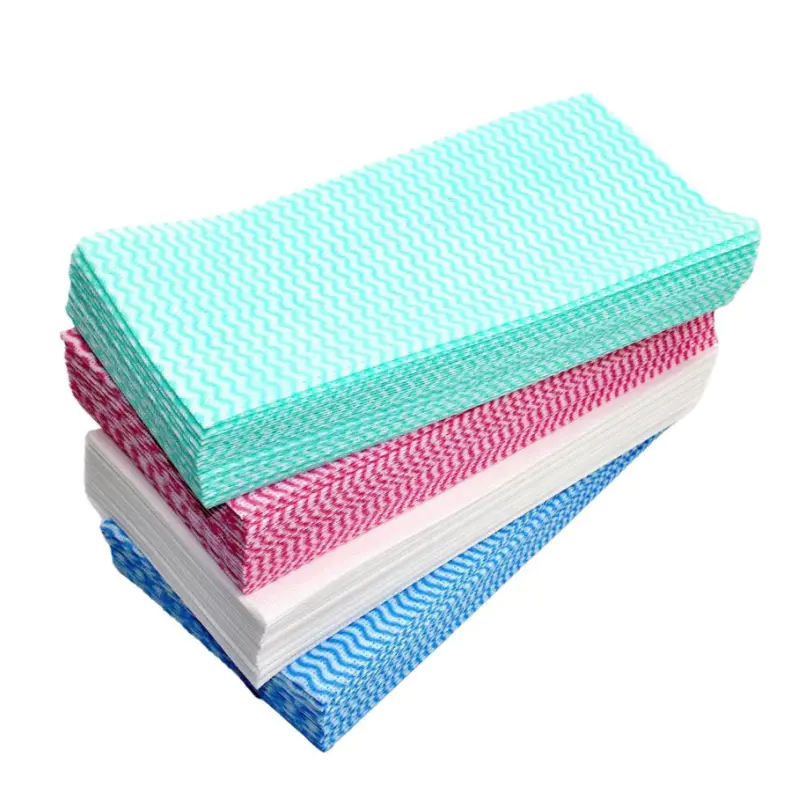
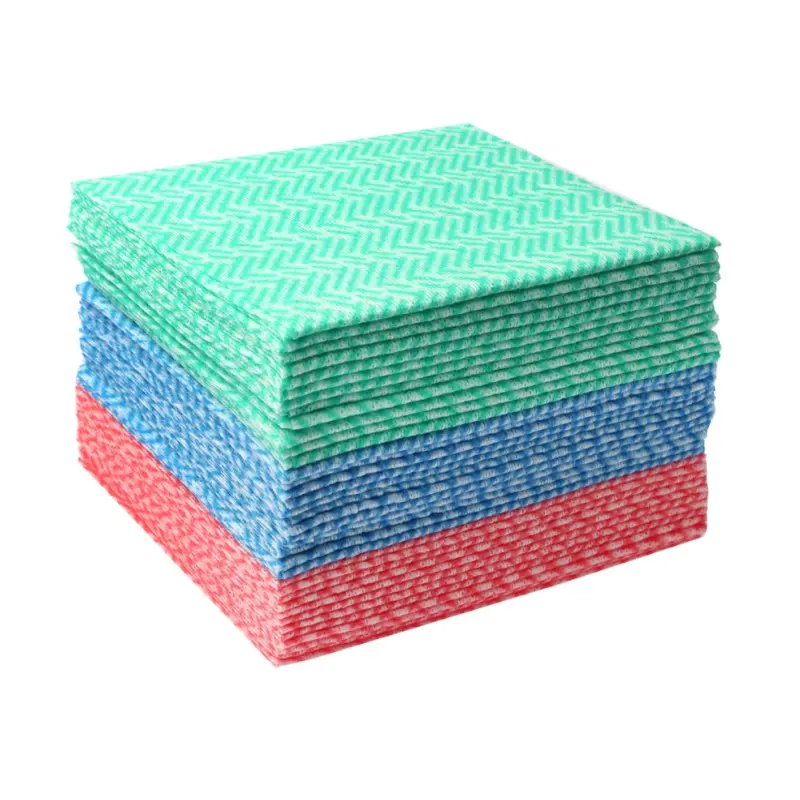
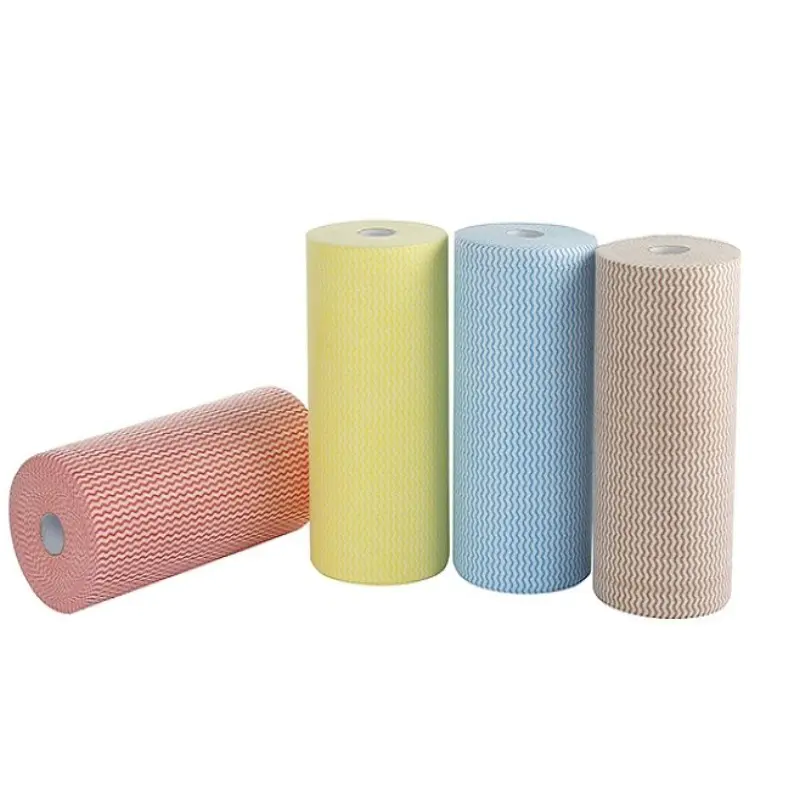
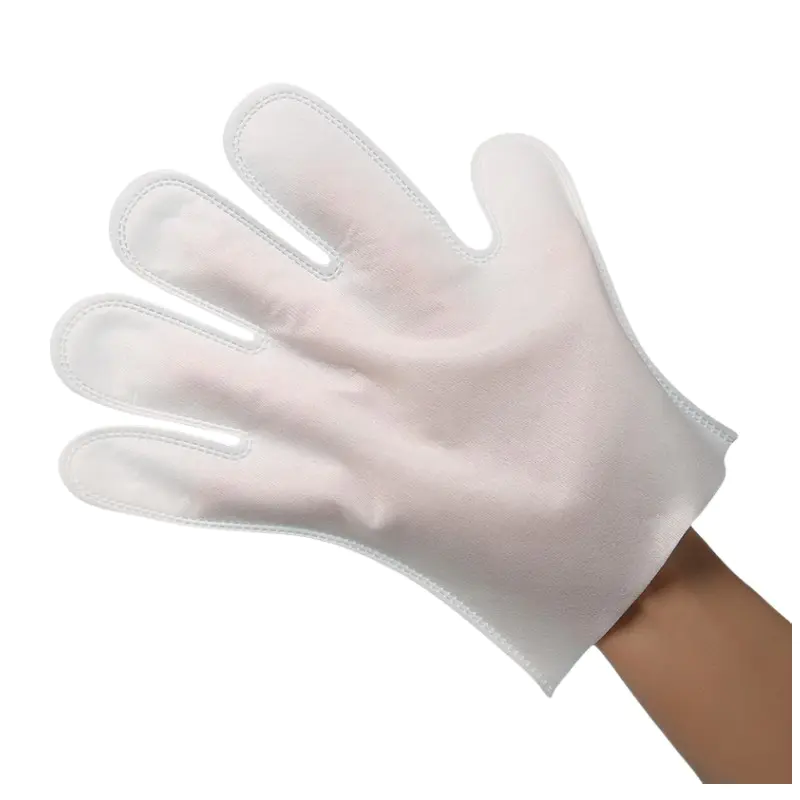
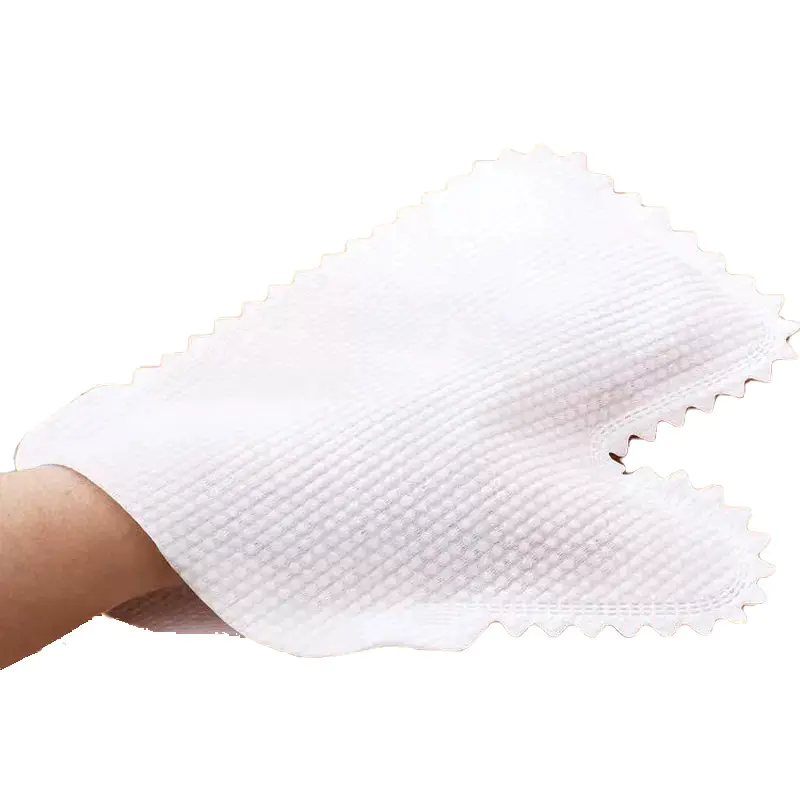
Most personal wipes are made from non-woven fabrics that are soft, strong, and absorbent. High-quality non-woven material prevents tearing, ensures even distribution of cleaning solution, and reduces lint, making wipes safer and more effective.
Eco-friendly wipes made from biodegradable materials reduce environmental impact. Secure wipes should ideally be flushable only if certified, or disposed of properly to avoid plumbing issues and environmental pollution.
Certification and adherence to hygiene standards are crucial indicators of personal wipe safety.
Wipes manufactured under ISO-certified facilities ensure quality control and consistent safety. FDA-approved wipes meet health and safety standards, guaranteeing that the wipes are free from harmful contaminants.
Like other hygiene products, personal wipes have a shelf life. Using expired wipes can reduce effectiveness and increase bacterial growth. Secure wipes should clearly display production and expiration dates.
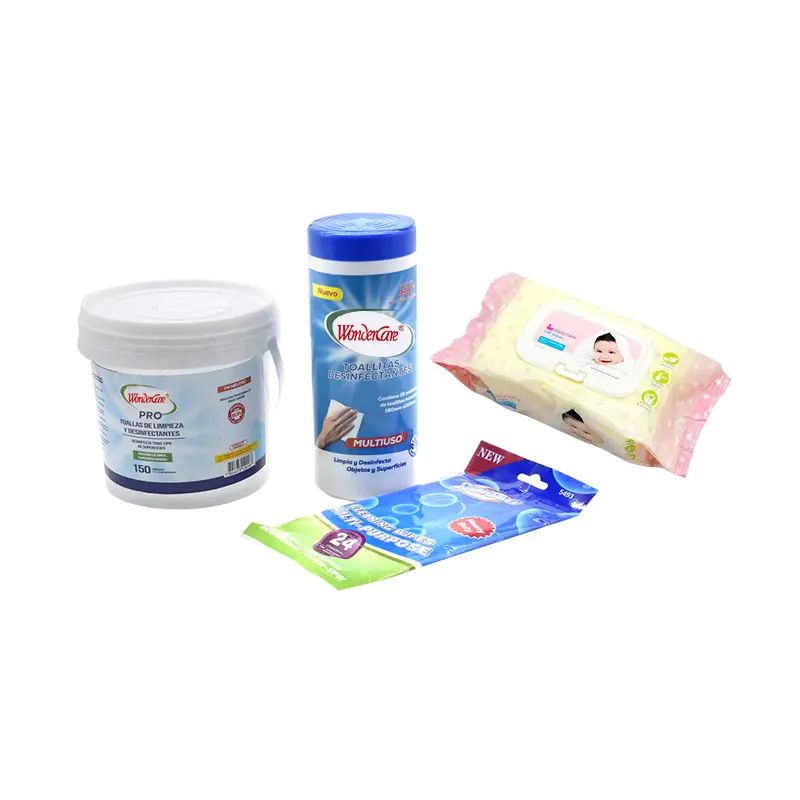
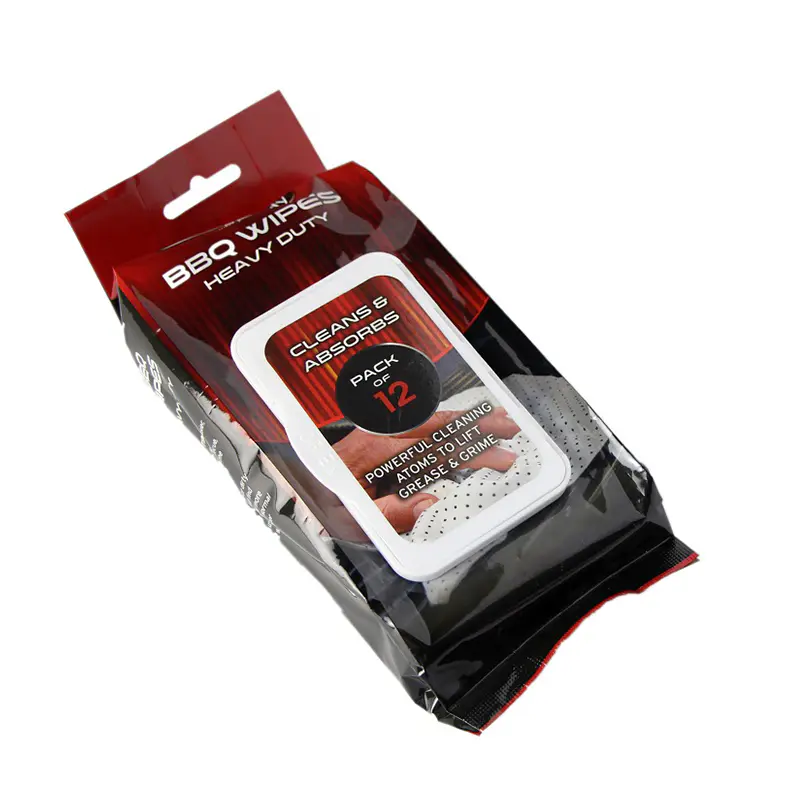
Sealed packaging protects wipes from contamination. Look for secure resealable packs or lids that prevent drying and maintain hygiene during storage and travel.
Different situations require different wipe formulations and features. Selecting the right type ensures both safety and convenience.
Baby wipes should be free of alcohol, fragrance, and harsh chemicals. Hypoallergenic and dermatologically tested wipes reduce the risk of rashes or irritation on sensitive skin.
Travel wipes should be compact, durable, and antimicrobial. Alcohol-based or sanitizing wipes are ideal for outdoor environments to reduce the risk of infection from contaminated surfaces.
Daily hygiene wipes should balance cleansing, moisturizing, and skin safety. Fragrance-free options with gentle cleansing agents are preferable for regular use by all family members.
The following table highlights differences between common personal wipe types to help users make informed choices:
| Type | Key Feature | Best Use |
|---|---|---|
| Alcohol Wipes | Antimicrobial, disinfecting | Travel, public surfaces |
| Fragrance-Free Baby Wipes | Gentle, hypoallergenic | Infants, sensitive skin |
| Moisturizing Personal Wipes | Hydrating, soft on skin | Daily hygiene, hand cleansing |
To ensure personal wipes are safe and effective:
Selecting secure personal wipes requires attention to ingredients, materials, manufacturing standards, and intended use. Alcohol content, moisturizing agents, fragrance, and fabric quality directly impact skin safety and hygiene effectiveness. By following best practices and considering specific needs, consumers can choose personal wipes that are safe, effective, and suitable for daily or travel use, ensuring both health and convenience.

JIAXING HONGJIE COMMODITY CO., LTD is located near Shanghai and Hangzhou in Jiaxing City, Zhejiang Province, China. We are trading& manufactory company. our factory and office are in Jiaxing city.

Factory Add: 3rd floor, BLDG 3, No.379 Ziyu Road, Daqiao Industrial Zone, Jiaxing, Zhejiang, China.

+86-573-82313085

+86-573-82091210

Copyright © JIAXING HONGJIE COMMODITY CO., LTD
The information provided on this website is intended for use only in countries and jurisdictions outside of the People's Republic of China.
Wholesale Nonwoven Wet Wipes Manufacturers
