 Search for...
 English
 Español
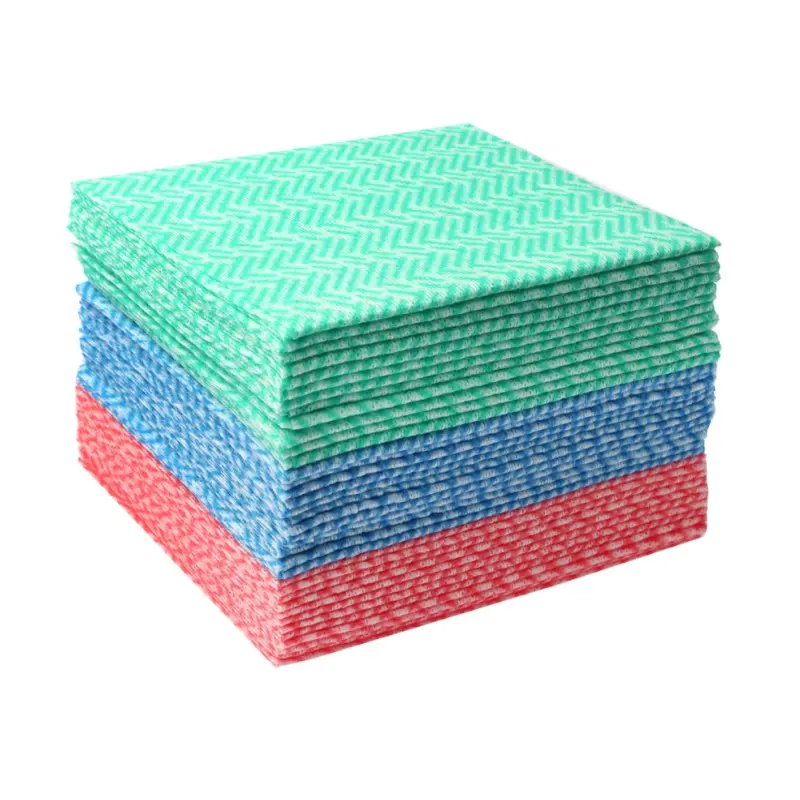
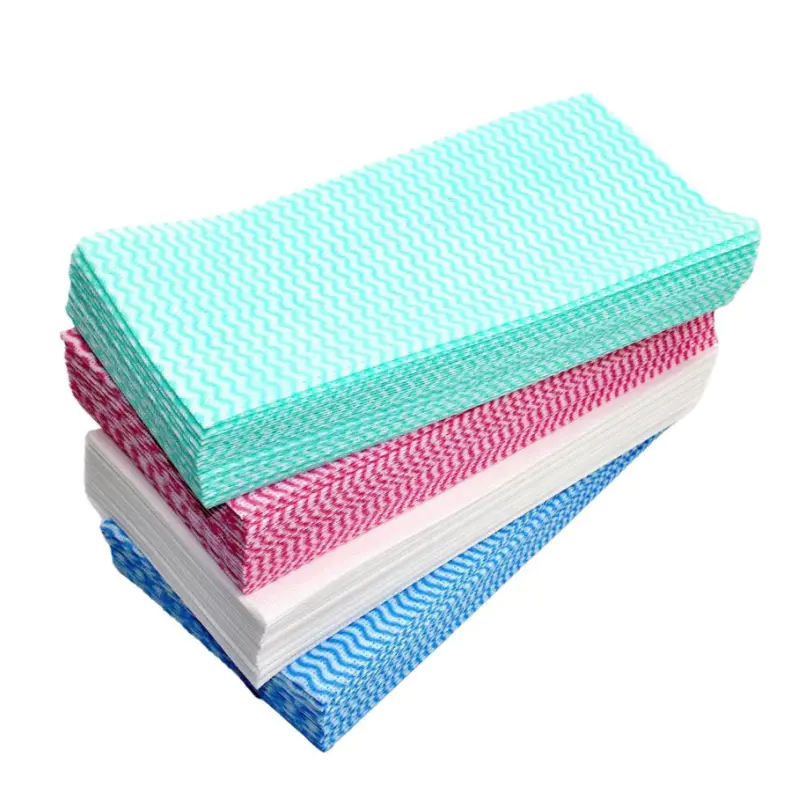
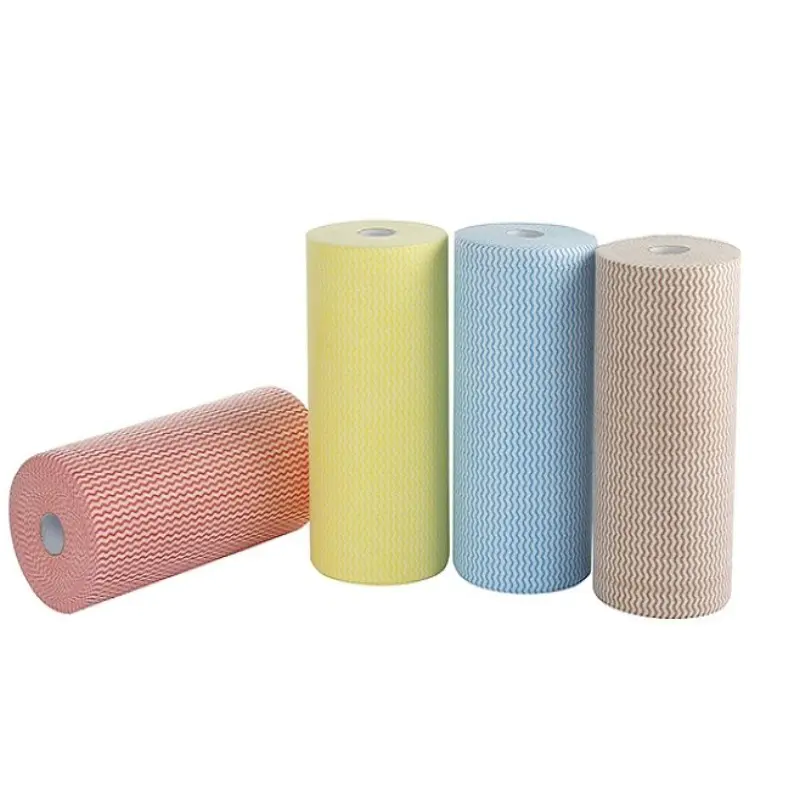
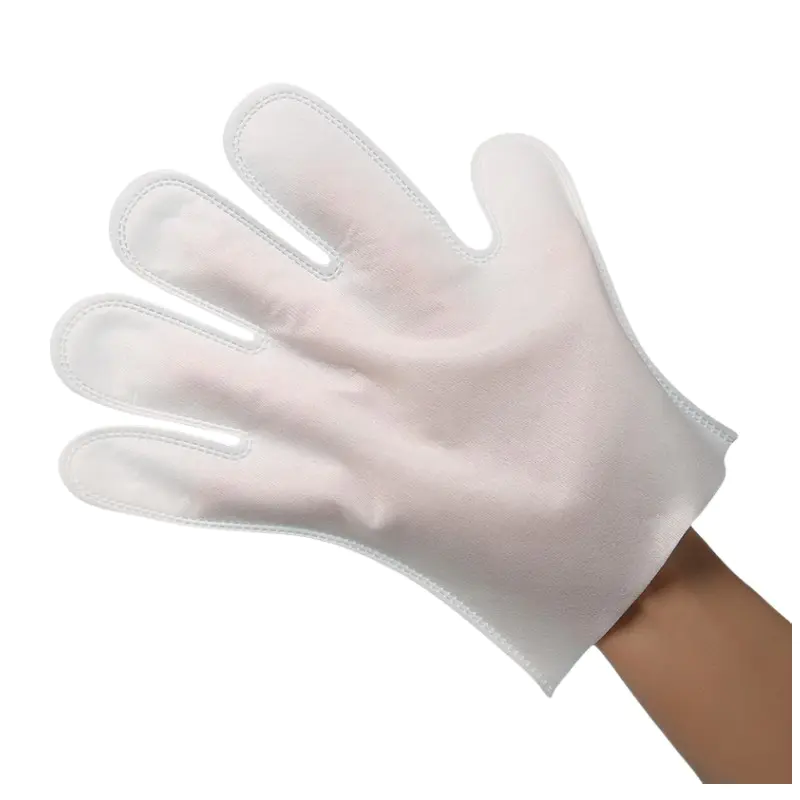
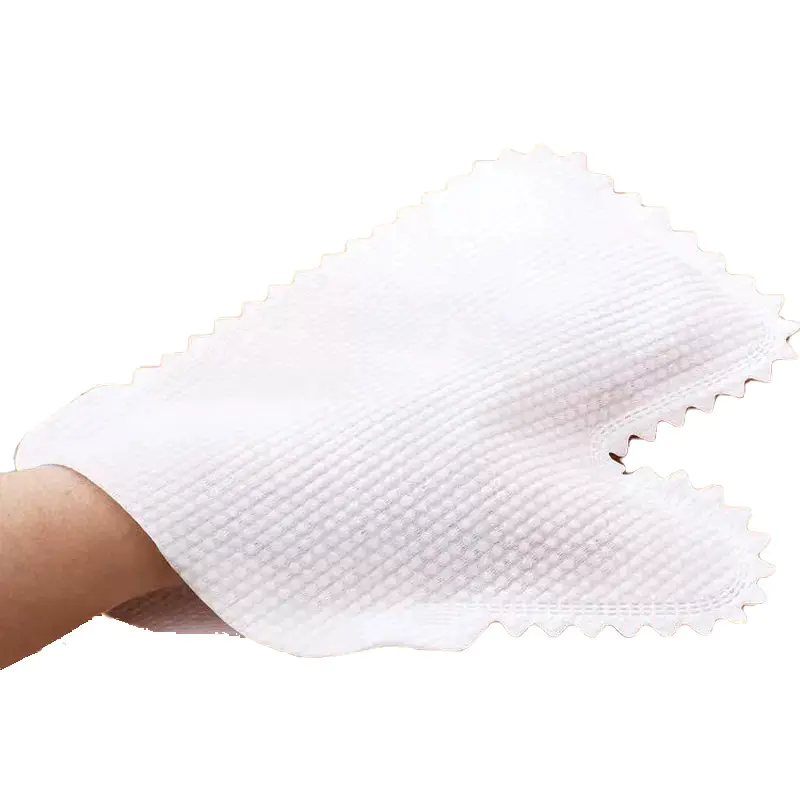
Soft Lint-Free Disposable Household Cleaning Wipe

Content
Household cleaning cloths are essential tools for maintaining hygiene and cleanliness in modern homes. Traditionally, these cloths were designed for manual cleaning, but the rise of smart home cleaning devices, such as robotic vacuums, automated mops, and multifunctional cleaning systems, has prompted a shift in the design and functionality of cleaning textiles.
Smart cleaning tools require cloths that can handle automated movements, repeated washing, and various surface types while maintaining durability and cleaning efficiency. This article explores how household cleaning cloths are adapting to integrate seamlessly with smart home technologies, focusing on material innovation, design improvements, and functional enhancements.
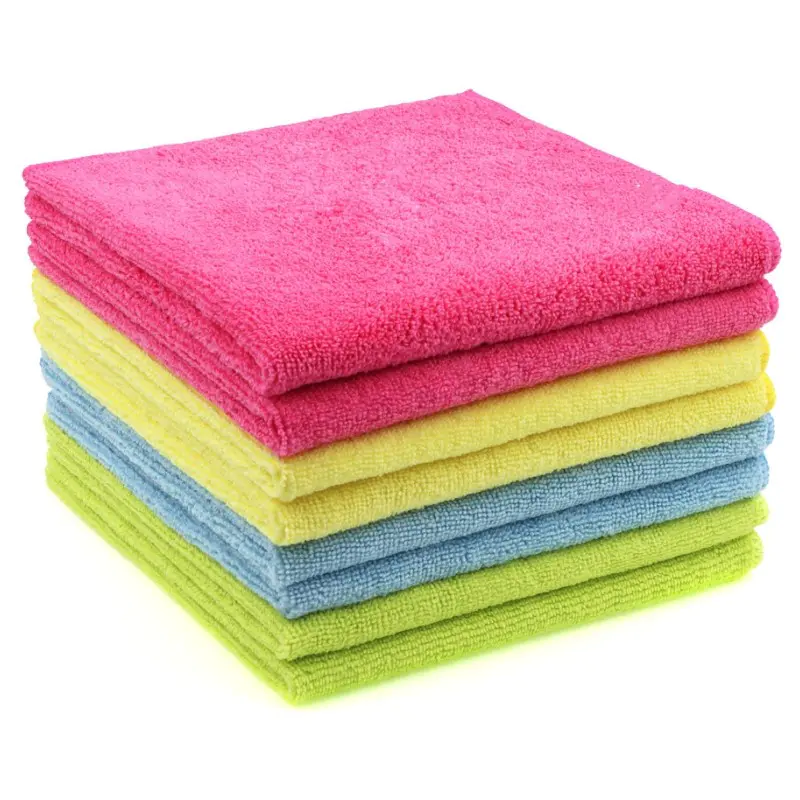
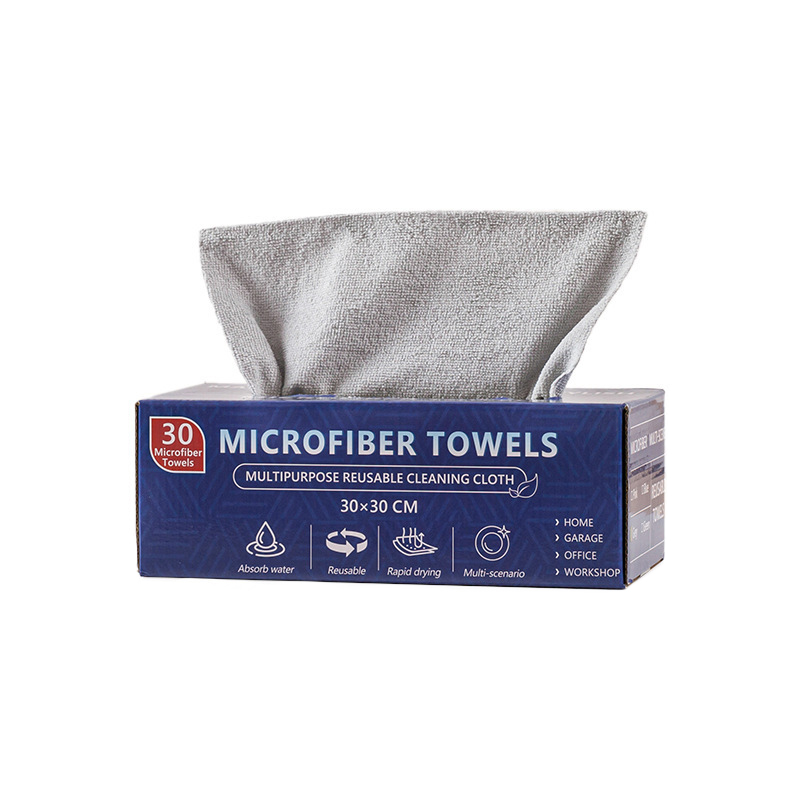
Modern household cleaning cloths are made from materials specifically engineered to perform well with robotic mops and other automated devices. Microfiber is a leading choice due to its high absorbency, fine fiber structure, and ability to pick up dust, dirt, and bacteria without chemical cleaners.
Polyester blends are also used to enhance durability and maintain shape after repeated washing cycles, while innovative materials such as bamboo fiber and antimicrobial-treated fabrics improve hygiene and reduce odor. Material selection is now guided by compatibility with smart cleaning tools’ mechanisms, including friction surfaces, water dispensers, and automated rotation or vibration systems.
Cleaning cloths for smart devices are often designed with features that improve attachment, coverage, and maneuverability. Velcro, snap-on, or magnetic attachments allow cloths to stay securely in place on robotic mops or hybrid cleaning heads. Some cloths are contoured or segmented to optimize contact with floors, furniture, and corners.
Textured patterns, such as ridges or pockets, enhance scrubbing performance without damaging surfaces. Multi-layered designs separate dust collection from liquid absorption, ensuring efficient cleaning while preventing slippage or uneven wear during automated operation.
Smart home cleaning tools often navigate multiple floor types, including hardwood, tile, laminate, and low-pile carpet. Cleaning cloths must adapt to these surfaces, maintaining performance without scratching or leaving residue.
Soft microfiber layers are ideal for delicate surfaces, while reinforced edges improve durability on harder floors. Some cloths integrate dual-texture zones to simultaneously polish, wipe, and lift debris on varying surfaces, reducing the need for frequent cloth changes during cleaning cycles.
Household cleaning cloths designed for smart devices must endure repeated washing, high-speed rotations, and friction against floors. Advanced fibers resist pilling, shrinkage, and color fading, extending the cloth’s lifespan and maintaining performance over time.
Machine-washable cloths are often reinforced at attachment points to withstand repeated removal and reattachment. Some incorporate antimicrobial treatments that maintain cleanliness after multiple cycles, reducing odor and bacterial buildup, which is critical for automated cleaning systems that rely on reusable cloths.
As sustainability becomes a priority, manufacturers are developing eco-friendly cleaning cloths compatible with smart home devices. Reusable cloths reduce disposable waste, while materials like bamboo fiber, recycled polyester, and biodegradable treatments offer environmentally responsible alternatives without compromising performance.
Efficient absorption and quick-drying capabilities also reduce water and energy use during laundering, aligning smart cleaning practices with eco-conscious household routines.
Smart home cleaning devices rely on precise cloth attachment and motion to deliver optimal cleaning. Specialized household cleaning cloths are engineered for these systems, ensuring secure attachment, optimal coverage, and consistent cleaning efficiency. Features such as anti-slip backing or adjustable sizes allow for seamless integration across multiple robotic models.
Some cloths are designed with embedded indicators that monitor wear or saturation levels, enabling smart devices to adjust cleaning cycles or notify users when replacement is needed. This integration enhances user convenience while maintaining high cleaning standards.
To ensure reliability in smart cleaning environments, household cleaning cloths undergo rigorous performance testing. Tests may include absorption capacity, abrasion resistance, attachment stability, and effectiveness on multiple surfaces. Quality control ensures each cloth meets the standards required for automated cleaning efficiency and longevity.
Manufacturers may also simulate robotic motion, including spinning, vibration, and lateral movement, to verify that the cloth maintains proper contact with surfaces without tearing or detachment during operation.
| Material | Strengths | Best Use |
| Microfiber | High absorbency, soft, efficient dirt capture | All floor types, dusting, polishing |
| Bamboo fiber | Antimicrobial, eco-friendly, soft | Eco-conscious homes, multi-surface cleaning |
| Polyester blend | Durable, resistant to wear, retains shape | Automated cleaning devices, repeated washing |
Household cleaning cloths are evolving alongside smart home cleaning technologies, integrating durable materials, enhanced design, and sustainability. Their adaptation ensures compatibility with automated devices while maintaining cleaning efficiency, hygiene, and user convenience.
Future developments may include smart sensing fabrics, improved eco-friendly fibers, and customizable attachment systems, further optimizing the synergy between household cleaning cloths and intelligent cleaning tools for modern living environments.

JIAXING HONGJIE COMMODITY CO., LTD is located near Shanghai and Hangzhou in Jiaxing City, Zhejiang Province, China. We are trading& manufactory company. our factory and office are in Jiaxing city.

Factory Add: 3rd floor, BLDG 3, No.379 Ziyu Road, Daqiao Industrial Zone, Jiaxing, Zhejiang, China.

+86-573-82313085

+86-573-82091210

Copyright © JIAXING HONGJIE COMMODITY CO., LTD
The information provided on this website is intended for use only in countries and jurisdictions outside of the People's Republic of China.
Wholesale Nonwoven Wet Wipes Manufacturers
