 Search for...
 English
 Español
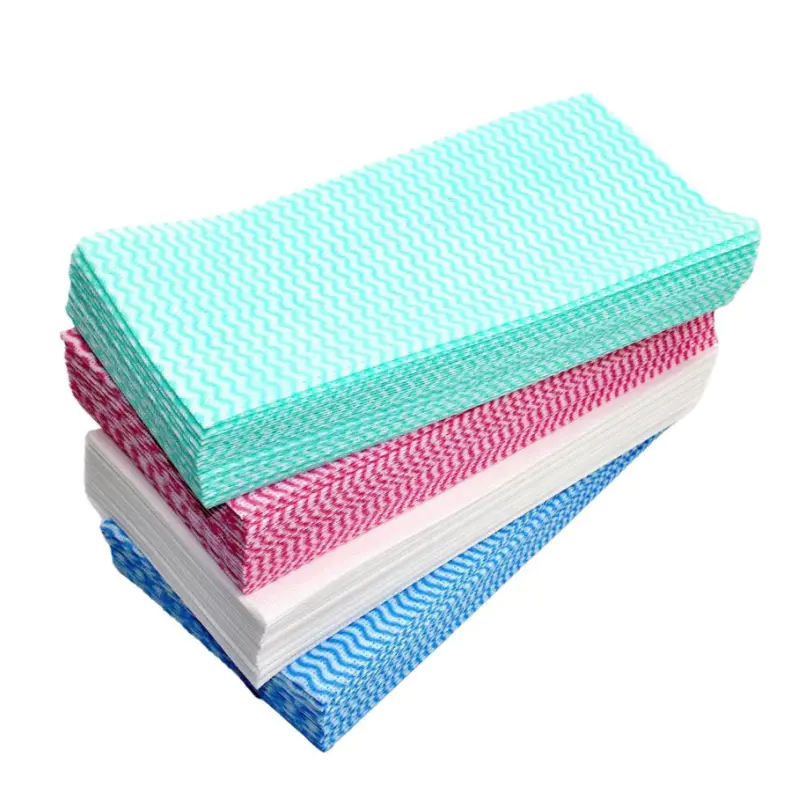
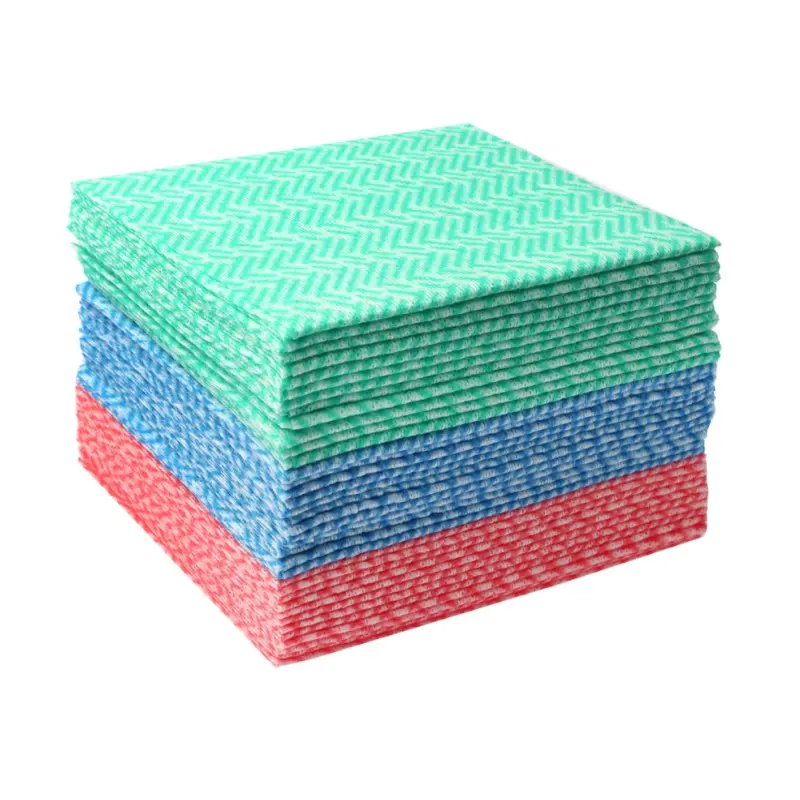
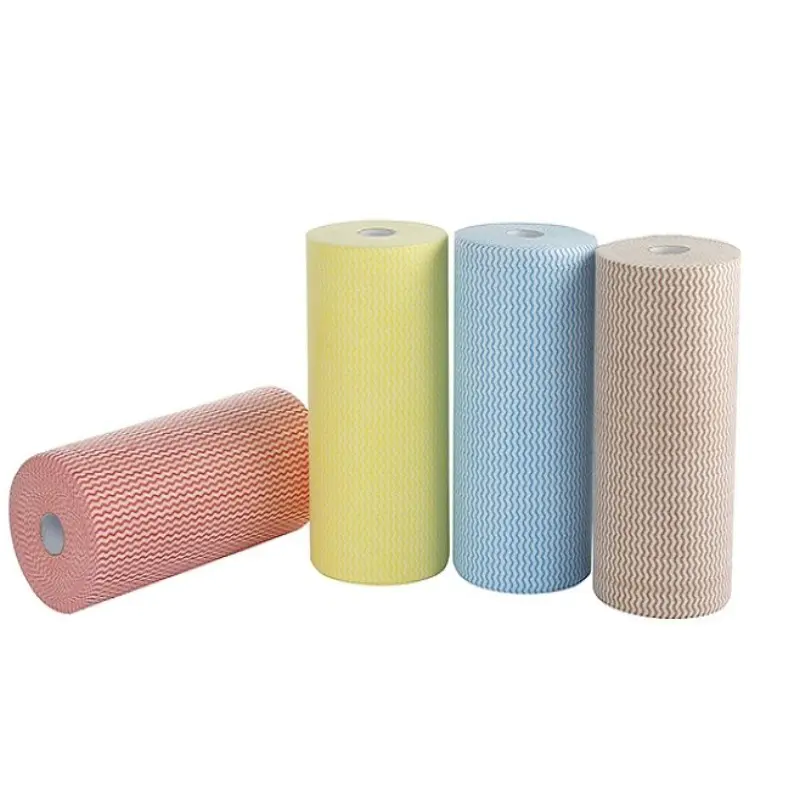
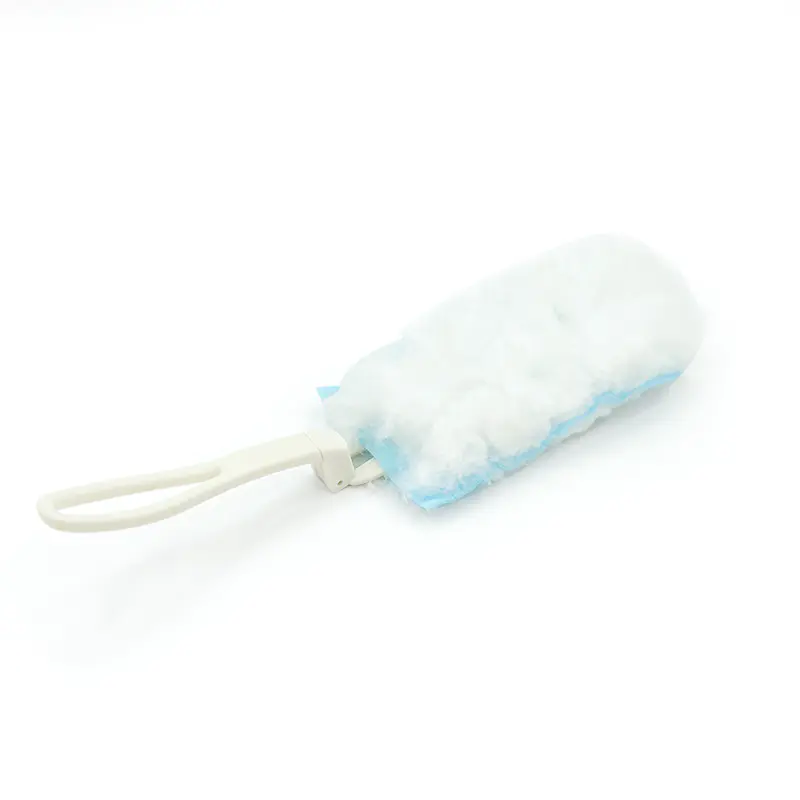
Soft Lint-Free Disposable Household Cleaning Wipe

Content
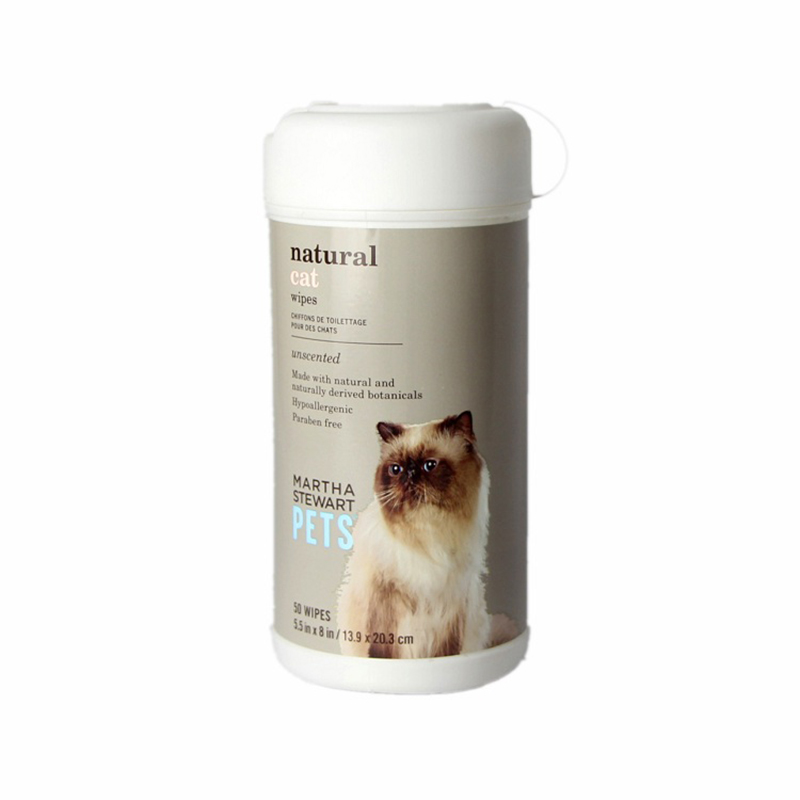
Pet cleaning wipes have become a staple in modern pet care routines as owners look for faster and more practical ways to maintain hygiene. Urban lifestyles, busy schedules, and smaller living spaces have reduced the feasibility of frequent full baths, especially for dogs and cats that require regular cleaning. Pet cleaning wipes address this gap by offering targeted, quick cleaning for paws, coats, ears, and sensitive areas without the need for water or specialized equipment.
However, convenience alone is not enough. Pet owners are increasingly cautious about product safety, ingredient transparency, and long-term health effects. The growing popularity of pet cleaning wipes reflects the industry’s ability to balance ease of use with formulations designed specifically for animal skin and fur.
The primary advantage of pet cleaning wipes lies in their simplicity. Unlike traditional bathing routines, wipes require no preparation, rinsing, or drying. This makes them ideal for quick cleanups after walks, meals, or outdoor play. For pets that dislike water or become stressed during baths, wipes provide a less intrusive alternative that reduces anxiety for both pets and owners.
Portability is another major convenience factor. Pet cleaning wipes are easy to store in bags, cars, or travel kits, enabling on-the-go hygiene management. This flexibility supports consistent cleaning habits, which contributes to overall pet health and cleanliness.
Safety is the most critical factor in pet cleaning wipe development. Unlike human wipes, pet-specific wipes must account for differences in skin pH, fur density, and grooming behaviors such as licking. Reputable manufacturers formulate wipes to be non-toxic, hypoallergenic, and free from harsh chemicals that could irritate skin or cause harm if ingested.
To ensure safety, pet cleaning wipes are often dermatologically tested and designed for regular use. This allows owners to clean their pets frequently without disrupting the natural balance of oils that protect skin and coat health.
The ingredients used in pet cleaning wipes directly determine both their effectiveness and safety. Most high-quality wipes rely on mild cleansing agents combined with purified water. These ingredients remove dirt and allergens without stripping natural oils or causing dryness.
Natural additives such as aloe vera, chamomile, or vitamin E are commonly included to soothe skin and reduce irritation. At the same time, responsible formulations avoid alcohol, parabens, sulfates, and artificial fragrances that could trigger allergic reactions or discomfort.
One of the challenges in designing pet cleaning wipes is achieving effective cleaning without compromising gentleness. Modern wipes use textured yet soft materials that lift debris from fur and skin while minimizing friction. This mechanical cleaning action reduces reliance on strong chemical agents.
The balance between cleaning power and gentleness ensures that wipes are suitable for frequent use, even on pets with sensitive skin or allergies. This makes them a practical complement to traditional grooming rather than a replacement that introduces new risks.
| Aspect | Pet Cleaning Wipes | Traditional Bathing |
| Time Required | Minutes | Longer preparation and drying |
| Stress Level for Pets | Low | Often high |
| Frequency of Use | Daily or as needed | Limited to avoid skin dryness |
Veterinarians often recommend pet cleaning wipes as a supportive hygiene tool, particularly for senior pets, post-surgery care, or animals with mobility limitations. When used correctly, wipes help maintain cleanliness without exposing pets to the physical stress of frequent bathing.
From an owner’s perspective, safety is reinforced through clear labeling, ingredient disclosure, and usage instructions. Trust in pet cleaning wipes grows when brands demonstrate compliance with pet care standards and communicate transparently about product testing.
Even the safest pet cleaning wipes must be used responsibly. Wipes are designed for external use only and should not replace regular veterinary-recommended grooming routines entirely. Owners should select wipes appropriate for their pet’s species, coat type, and specific needs.
Following usage guidelines ensures that wipes enhance convenience without introducing unintended risks. Regular observation of skin condition helps owners identify any sensitivity early and adjust product choice if needed.
Pet cleaning wipes succeed because they are designed around the realities of modern pet ownership. By combining ease of use with scientifically informed formulations, they provide a practical hygiene solution that respects animal health. Their convenience encourages consistent cleaning habits, while safety-focused design minimizes exposure to harmful substances.
As pet care continues to evolve, pet cleaning wipes demonstrate that convenience and safety do not have to be competing priorities. When thoughtfully developed and responsibly used, they enhance daily care routines while supporting the long-term well-being of pets.

JIAXING HONGJIE COMMODITY CO., LTD is located near Shanghai and Hangzhou in Jiaxing City, Zhejiang Province, China. We are trading& manufactory company. our factory and office are in Jiaxing city.

Factory Add: 3rd floor, BLDG 3, No.379 Ziyu Road, Daqiao Industrial Zone, Jiaxing, Zhejiang, China.

+86-573-82313085

+86-573-82091210

Copyright © JIAXING HONGJIE COMMODITY CO., LTD
The information provided on this website is intended for use only in countries and jurisdictions outside of the People's Republic of China.
Wholesale Nonwoven Wet Wipes Manufacturers
