 Search for...
 English
 Español
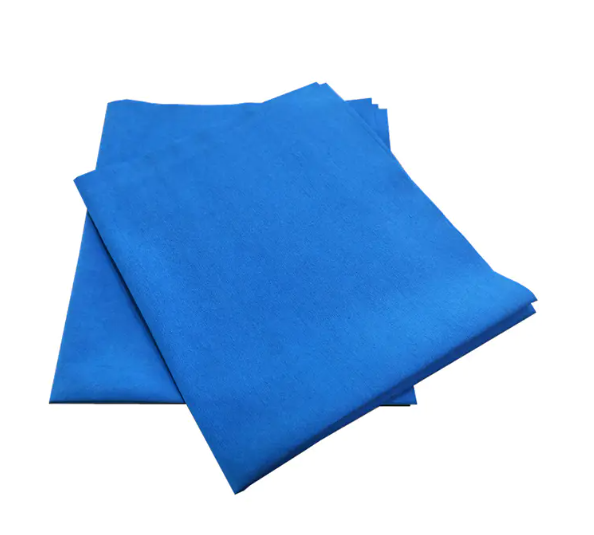
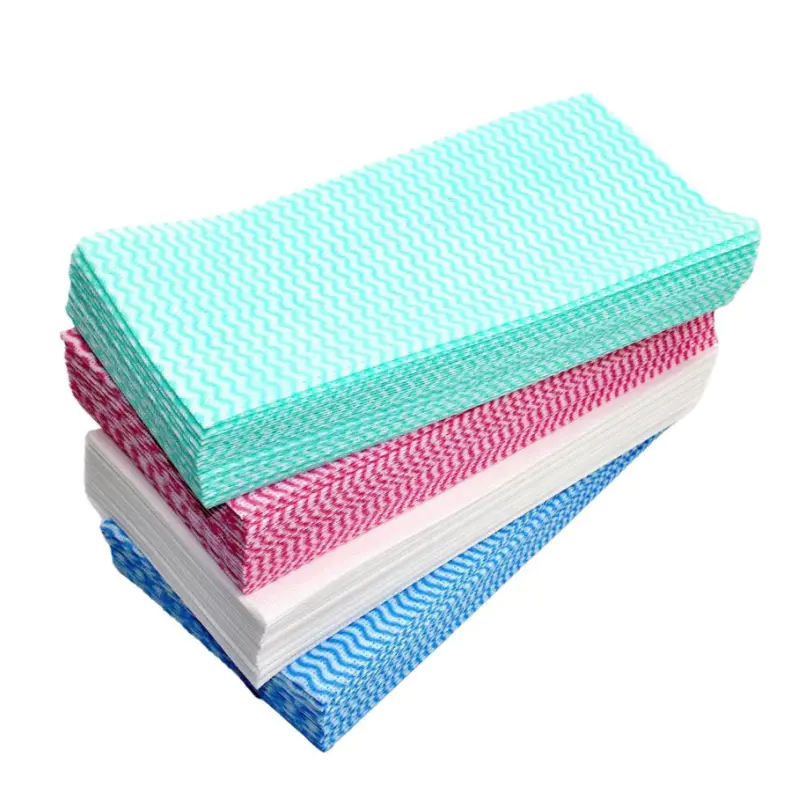
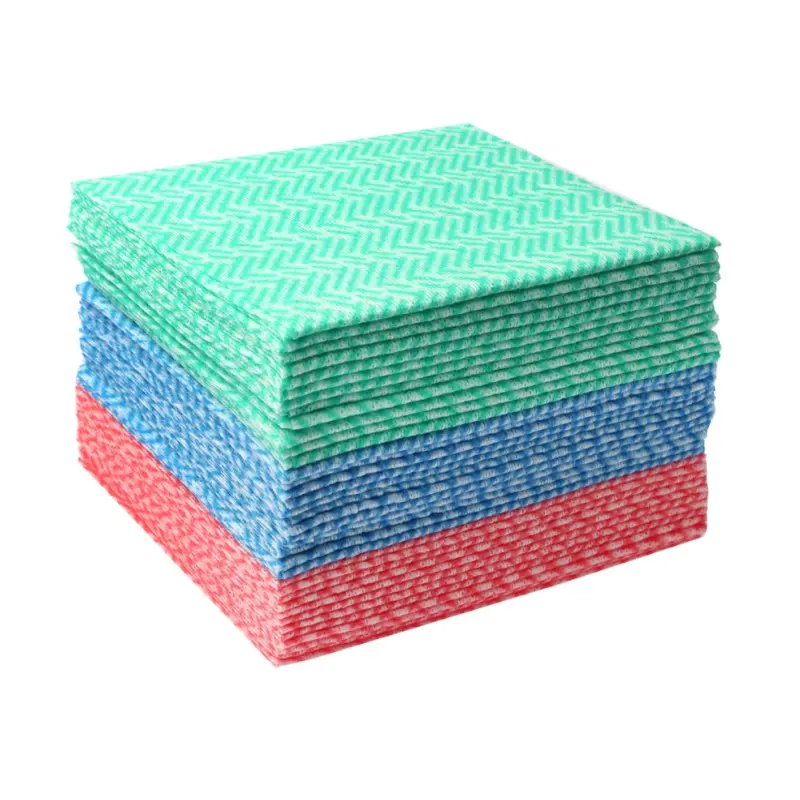
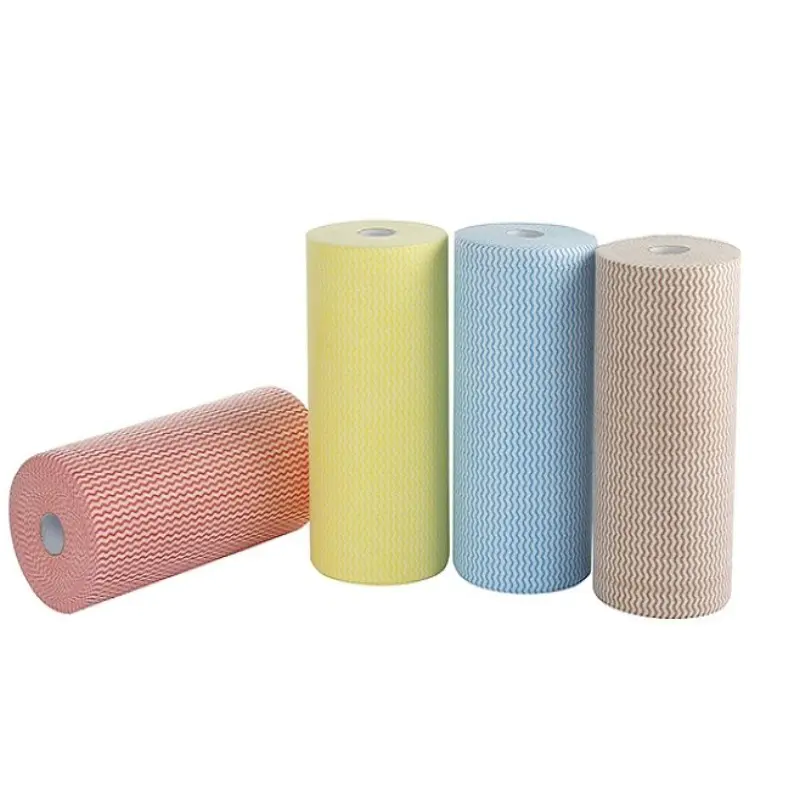
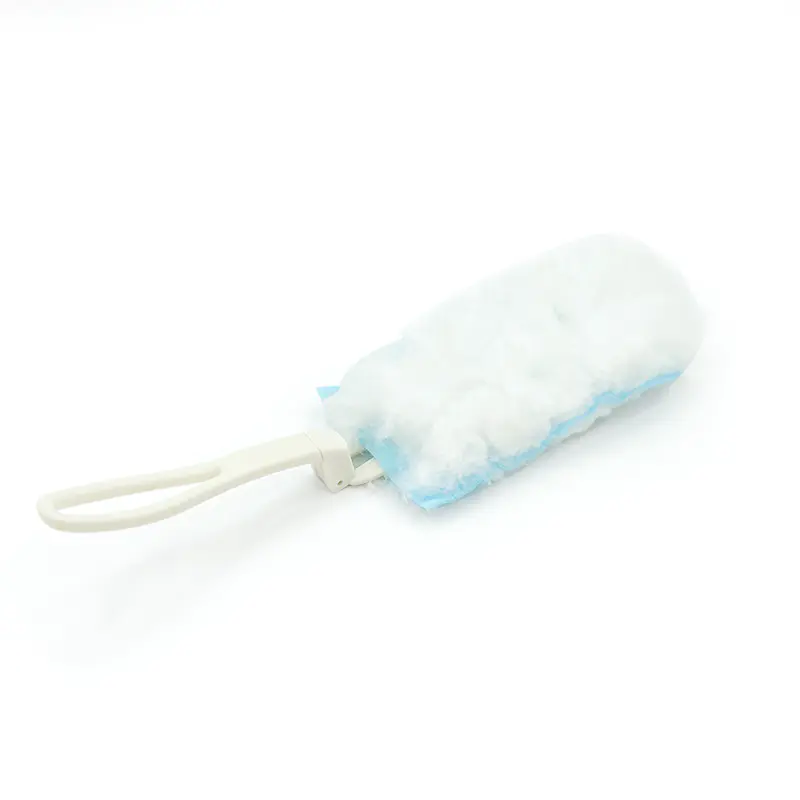
Soft Lint-Free Disposable Household Cleaning Wipe

Content
Cleaning non-woven fabric requires a gentle approach because the material is bonded together chemically, thermally, or mechanically rather than woven. The most effective method is hand washing with mild detergent in cool water, followed by air drying. Avoid machine washing, high heat, and harsh chemicals, as these can break down the fibers, cause shrinkage, or destroy the structural integrity of the fabric.
Non-woven fabrics, commonly used in reusable shopping bags, face masks, medical gowns, and home organization bins, are designed for specific lifespans. While some are disposable, many modern polypropylene (PP) and polyester non-wovens are durable enough for multiple uses if cared for correctly. Understanding the bonding mechanism is key; since the fibers are not interlaced like traditional cloth, aggressive agitation can cause them to separate or pill excessively.
Hand washing is the safest way to remove dirt and stains without damaging the delicate fiber bonds. This method provides control over water temperature and mechanical stress.
Fill a basin with cool or lukewarm water (below 30°C or 86°F). Hot water can melt or distort synthetic fibers like polypropylene. Add a small amount of mild liquid detergent. Avoid powdered detergents as they may not dissolve completely and can leave residues that attract more dirt. Submerge the item and let it soak for 10-15 minutes to loosen embedded grime.
Gently swish the fabric in the water. Use your hands to press the soapy water through the material. Do not scrub, twist, or wring the fabric, as this can cause permanent deformation. For stubborn stains, use a soft-bristled brush to lightly dab the area, working from the outside of the stain inward to prevent spreading.
Drain the soapy water and refill the basin with clean, cool water. Rinse the item thoroughly until no soap suds remain. To remove excess water, press the fabric against the side of the basin or lay it flat on a clean towel and roll it up to absorb moisture. Never wring it out. Lay the item flat on a drying rack or another dry towel away from direct sunlight and heat sources.
For items that are not heavily soiled or cannot be submerged, such as certain structured storage bins or electronic component covers, spot cleaning is an efficient alternative.
Improper care can significantly shorten the lifespan of non-woven products. Being aware of these common pitfalls will help maintain the quality and functionality of your items.
| Action | Impact on Fabric | Recommendation |
|---|---|---|
| Machine Washing | High agitation causes fiber separation and tearing | Avoid unless label explicitly permits gentle cycle |
| Bleach Usage | Weakens polymer bonds, causes yellowing | Use oxygen-based bleach sparingly or avoid |
| Tumble Drying | Heat melts or shrinks synthetic fibers | Always air dry flat |
| Ironing | Direct heat melts the fabric instantly | Never iron non-woven materials |
Not all non-woven fabrics are identical. The specific material composition dictates the best cleaning strategy.
Used in reusable shopping bags and medical masks, PP is hydrophobic and resistant to many chemicals. However, it has a low melting point. Clean PP items quickly and dry them thoroughly to prevent water spots, although they do not absorb much water. UV exposure can degrade PP over time, so dry indoors when possible.
Found in higher-end home textiles and furniture linings, PET is more durable and heat-resistant than PP. It can withstand slightly warmer water but still benefits from gentle handling. PET is less prone to UV degradation, making it suitable for items that may be exposed to sunlight.
Commonly used in filtration layers of masks, meltblown fabrics are extremely delicate. Washing meltblown layers is generally not recommended as it destroys the electrostatic charge responsible for filtering particles. For items containing meltblown layers, replace them rather than attempting to clean them.

JIAXING HONGJIE COMMODITY CO., LTD is located near Shanghai and Hangzhou in Jiaxing City, Zhejiang Province, China. We are trading& manufactory company. our factory and office are in Jiaxing city.

Factory Add: 3rd floor, BLDG 3, No.379 Ziyu Road, Daqiao Industrial Zone, Jiaxing, Zhejiang, China.

+86-573-82313085

+86-573-82091210

Copyright © JIAXING HONGJIE COMMODITY CO., LTD
The information provided on this website is intended for use only in countries and jurisdictions outside of the People's Republic of China.
Wholesale Nonwoven Wet Wipes Manufacturers
