 Search for...
 English
 Español
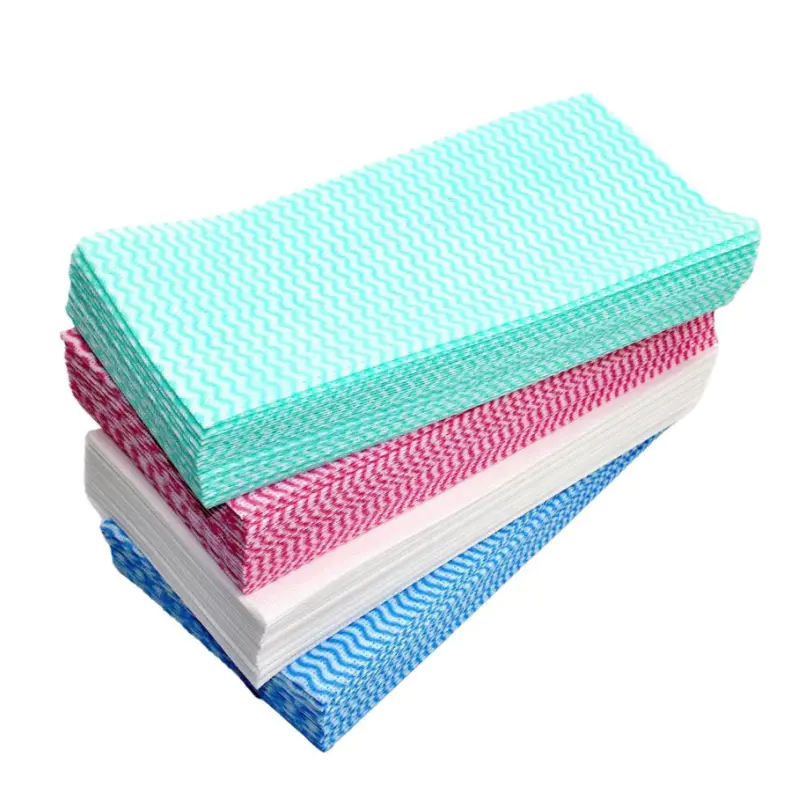
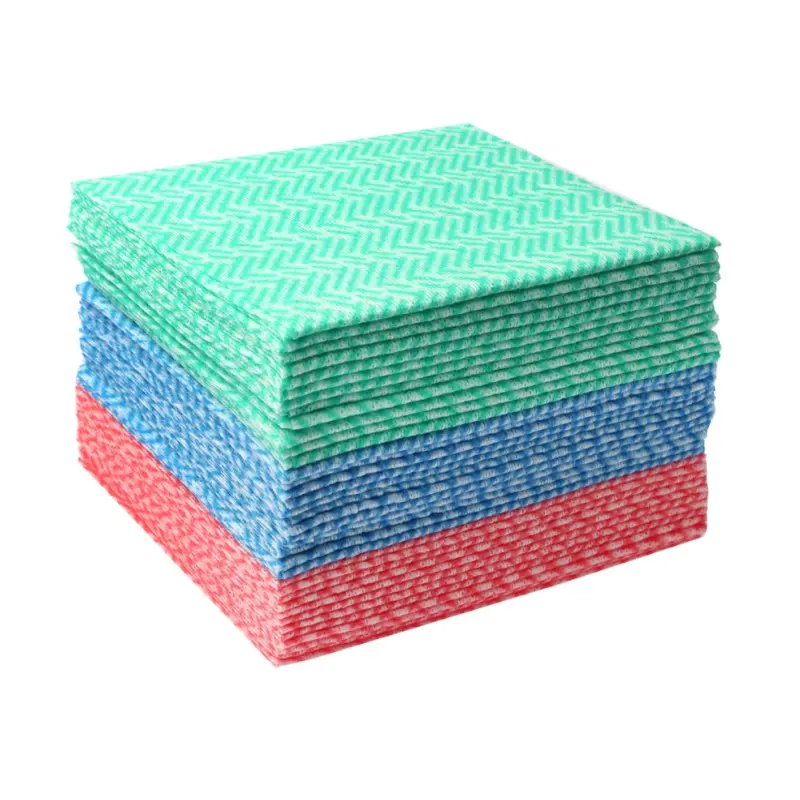
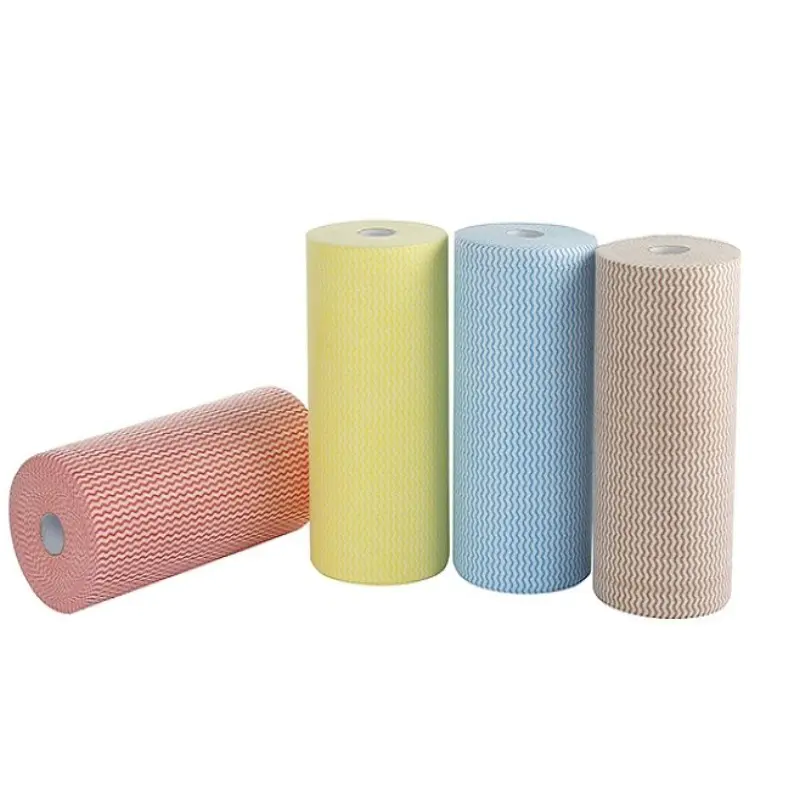
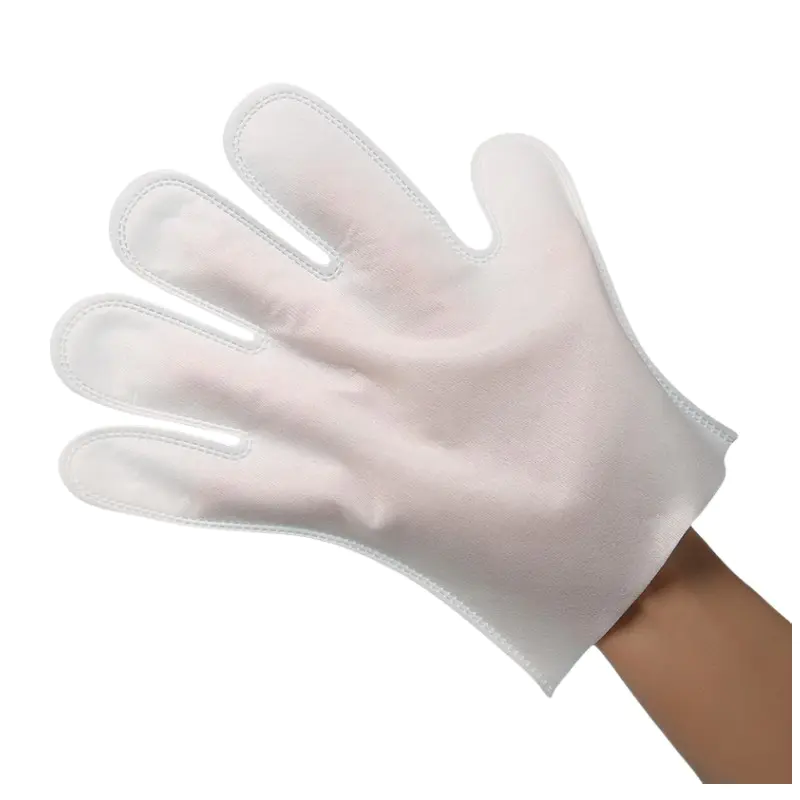
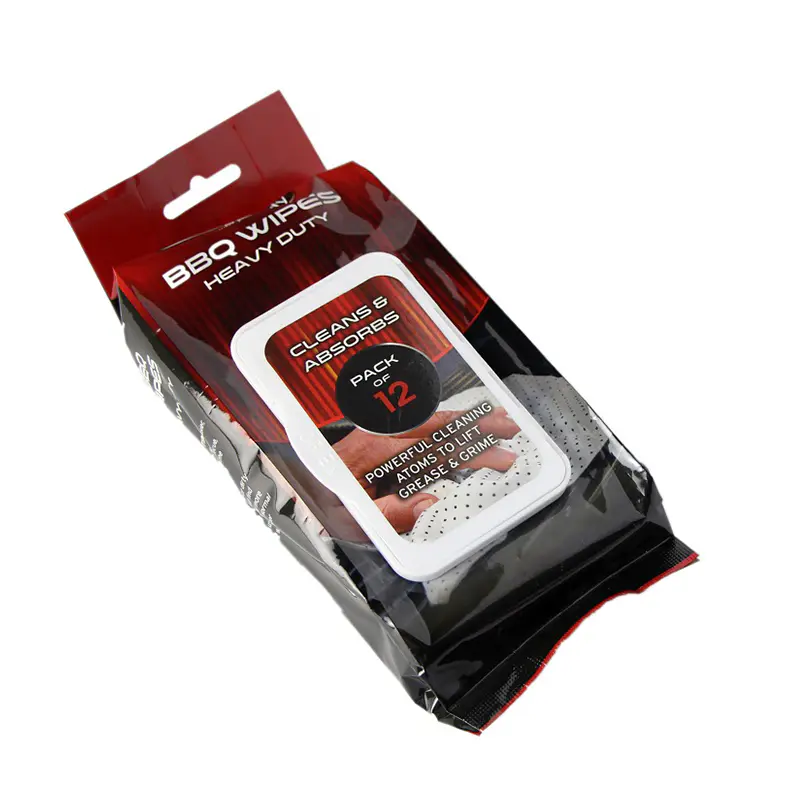
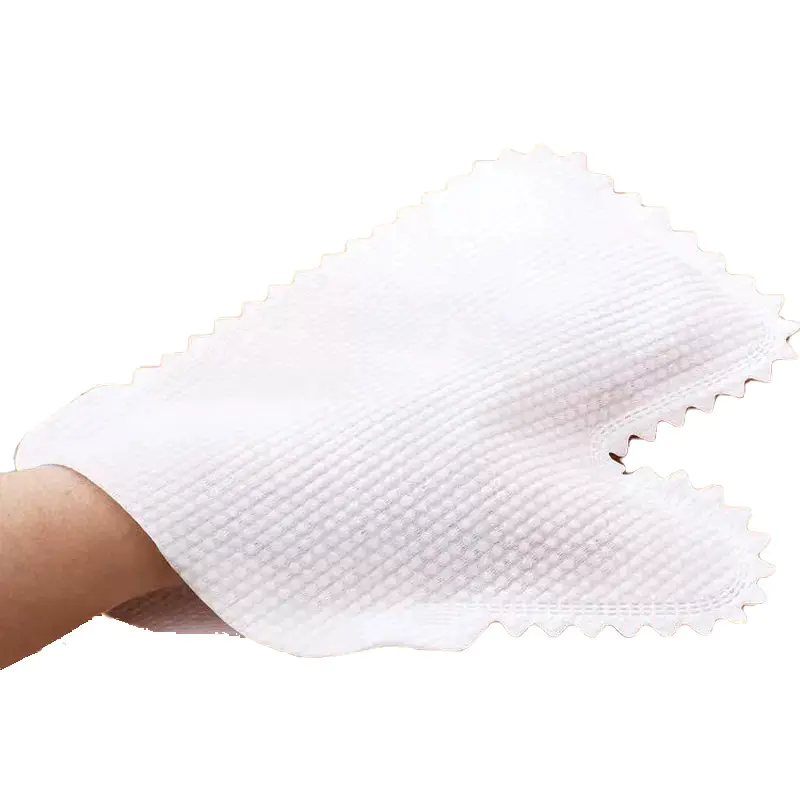
Soft Lint-Free Disposable Household Cleaning Wipe

Content
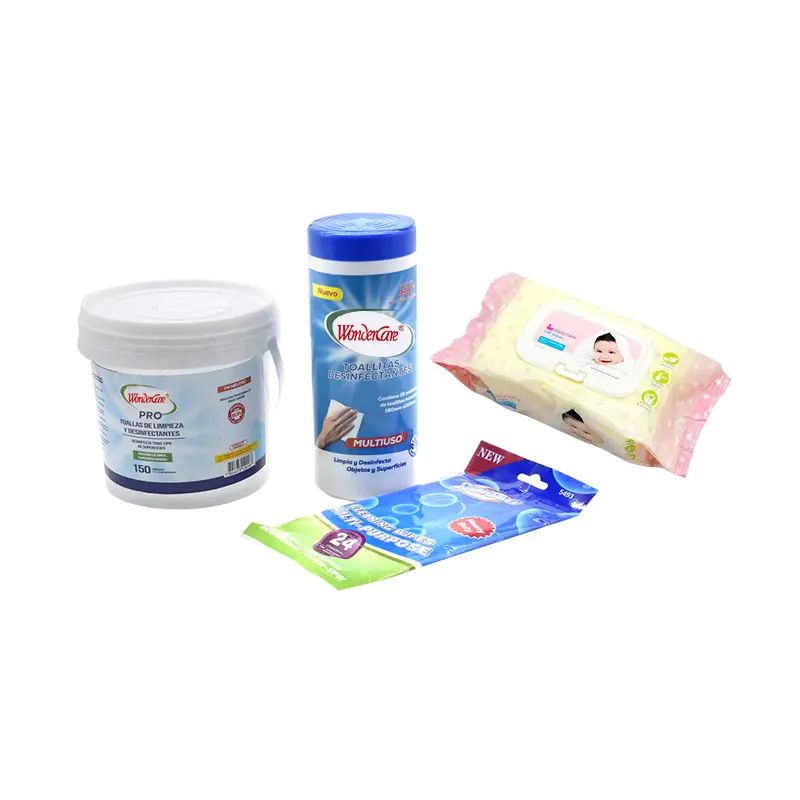
Wet wipes have become an indispensable part of modern hygiene, offering convenience for cleaning hands, faces, and surfaces on the go. High-quality wet wipes can remove up to 99% of common bacteria when formulated with effective antimicrobial agents, making them a vital tool for maintaining health in public spaces.
Despite their simplicity, wet wipes are complex products consisting of a substrate (the fabric) and a solution (water, preservatives, and active ingredients). Understanding these components is crucial for selecting products that are safe for sensitive skin and environmentally responsible.
The safety of wet wipes largely depends on their chemical formulation. Consumers should be aware of common ingredients:
Dermatologists advise patch-testing new wipes on a small area of skin before full use, especially for children with sensitive skin conditions.
The convenience of wet wipes comes with a significant environmental cost. Most conventional wipes are made from polyester or polypropylene, which are plastics that do not biodegrade.
Despite marketing claims, many wipes labeled as "flushable" do not disintegrate quickly enough in sewage systems. This leads to blockages known as "fatbergs," costing municipalities millions in repairs. Only wipes certified by organizations like INDA (GD4 standard) should be considered flushable, and even then, disposal in trash bins is preferred.
Eco-friendly wipes made from bamboo, cotton, or wood pulp are gaining popularity. These materials break down naturally in composting conditions, reducing landfill waste. However, consumers must verify certifications like OK Compost to ensure genuine biodegradability.
| Material | Biodegradability | Durability | Environmental Impact |
|---|---|---|---|
| Polyester/Plastic | None | High | High (Microplastics) |
| Viscose/Rayon | Moderate | Medium | Medium (Chemical Processing) |
| Bamboo/Cotton | High | Medium-High | Low (Renewable) |
With a myriad of options available, selecting the appropriate wipe requires considering the specific application:
Reading labels carefully and prioritizing transparency in ingredients can help consumers make healthier and more sustainable choices.
Responsible disposal is critical to mitigating the environmental impact of wet wipes. Regardless of labeling, disposing of all wipes in the trash bin is the safest practice to prevent plumbing issues and marine pollution.
The industry is shifting towards reusable cloth wipes and waterless cleaning technologies. Innovations in plant-based substrates and enzyme-based cleaning solutions promise a future where hygiene does not come at the expense of the planet. By staying informed and adapting habits, consumers can drive demand for safer, greener products.

JIAXING HONGJIE COMMODITY CO., LTD is located near Shanghai and Hangzhou in Jiaxing City, Zhejiang Province, China. We are trading& manufactory company. our factory and office are in Jiaxing city.

Factory Add: 3rd floor, BLDG 3, No.379 Ziyu Road, Daqiao Industrial Zone, Jiaxing, Zhejiang, China.

+86-573-82313085

+86-573-82091210

Copyright © JIAXING HONGJIE COMMODITY CO., LTD
The information provided on this website is intended for use only in countries and jurisdictions outside of the People's Republic of China.
Wholesale Nonwoven Wet Wipes Manufacturers
