 Search for...
 English
 Español
Soft Lint-Free Disposable Household Cleaning Wipe

A procurement manager reviewing wet wipes OEM suppliers faces a practical challenge: many factories make similar claims about quality, capacity, and experience. What separates a dependable partner from a risky one is not a website description. It is the verification method you bring to the evaluation. In this article, you will find a buyer-oriented framework for assessing an OEM wet wipes manufacturer, covering production capability, customization flexibility, compliance documentation, and the procurement risks that commonly appear after the first order.
Key takeaway: a professional OEM wet wipes factory does not wait for you to ask questions. It can already show you its production lines, its wet wipes formulation options, and its testing procedures. If a supplier cannot demonstrate these three areas clearly, move to the next candidate.
Content
A wet wipe is a chemistry project. Fabric weight, liquid ratio, pH level, preservative system, and active ingredients all interact. For a private label brand, the manufacturer needs to keep the dilution and mixing process under tight control. Ask for the liquid formulation specification and the tolerance range for wet content. A factory using metered dosing systems and inline checks will give you a more consistent wipe than one depending on manual filling.
Nonwoven fabric for wet wipes comes in different compositions: spunlace, airlaid, and wetlaid. The base weight, fiber blend, and bonding method affect softness, strength, and wicking. A factory that can adjust the substrate weight and fiber ratio gives you room for product differentiation. A factory that uses only one fixed substrate limits your ability to respond to market demand.
Two fully automated wet wipes production lines are different from ten manual folding stations. Automation influences moisture uniformity, seal integrity, and packaging speed. Ask about the line speed, whether the machines run with inline weight detection, and how the factory handles the changeover between formulations. These answers reveal the real production capacity behind the quotation.
Beyond the production line, a quality control system operates at several levels: incoming raw material inspection, in-process monitoring, and finished product testing. Each level requires documented criteria. A factory that can point to a written quality control plan has a clearer path to consistent output than one that only promises quality in conversation. When evaluating a supplier, ask to see the last batch inspection records for a similar wet wipes order.
Customization in wet wipes OEM goes beyond printing your logo on a packet. It covers the composition of the formula, the dimensions and base weight of the fabric, the number of wipes per pack, the dosing of active ingredients, and the packaging format. A manufacturer that offers a customizable wet wipes program should be able to explain the minimum order quantity for each change. Different formulas mean different MOQs, because the liquid preparation process has a minimum batch size.
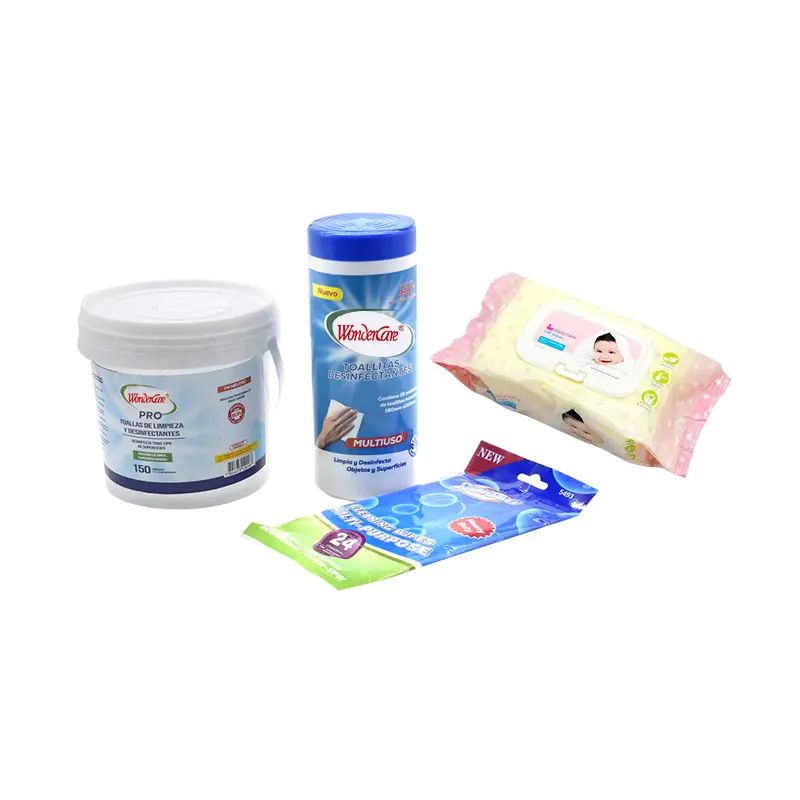 Antibacterial Soft Hypoallergenic Wet Wipes with Customizable OptionsThese antibacterial wipes offer a customizable formula and packaging, suitable for diverse applications from baby care to industrial cleaning. They eliminate 99.9% of germs while remaining gentle and hypoallergenic for sensitive skin.View Product →
The range of wet wipes products is wider than many buyers assume. Beyond baby wipes and hand wipes, nonwoven wipes are used in automotive care, pet care, household cleaning, and personal care. Knowing this helps a buyer plan a product portfolio with one supplier instead of splitting orders across multiple factories. You can read more about the variety of nonwoven wipes in this article on other uses of nonwoven wipes.
The number of production lines matters, but the actual available capacity matters more. A factory that runs at 90 percent utilization will not respond to a peak-season order as quickly as one that keeps spare capacity. Ask about monthly output in wet wipe packs or cartons. Ask about the maximum daily output and the standard lead time for a reorder. Confirm what happens when a client needs an urgent increment of volume: How many additional shifts can the factory operate? What is the longest continuous production run?
A common mistake is to estimate capacity merely from the number of machines. Two automatic wet wipe lines can produce far more than ten manual lines, but the bottleneck is often the packaging and sealing stage. When you visit a factory, look at the complete flow: unwinding, folding, wetting, cutting, stacking, sealing, and carton packing. The slowest station determines the real throughput. Also inspect the company profile to understand how the manufacturer positions its production capabilities and market reach.
For wet wipes sold through supermarkets or e-commerce channels, documentation is not an administrative formality. It protects your brand and your market access. A serious manufacturer should provide the following: material safety data sheets (MSDS), the formula declaration, compliance certificates for the intended market, third-party testing reports, and the manufacturer's own quality control records.
Depending on your market, the required testing may vary. The European Union and the United States have different frameworks for cosmetic and household products. If you plan to sell wet wipes as cosmetic products, the factory needs to follow Good Manufacturing Practice (GMP) and provide safety assessments. For household cleaning wet wipes, the tests focus more on efficacy and chemical tolerances. Ask the manufacturer to explain which market they have supplied before and how they align their testing protocols with those regions.
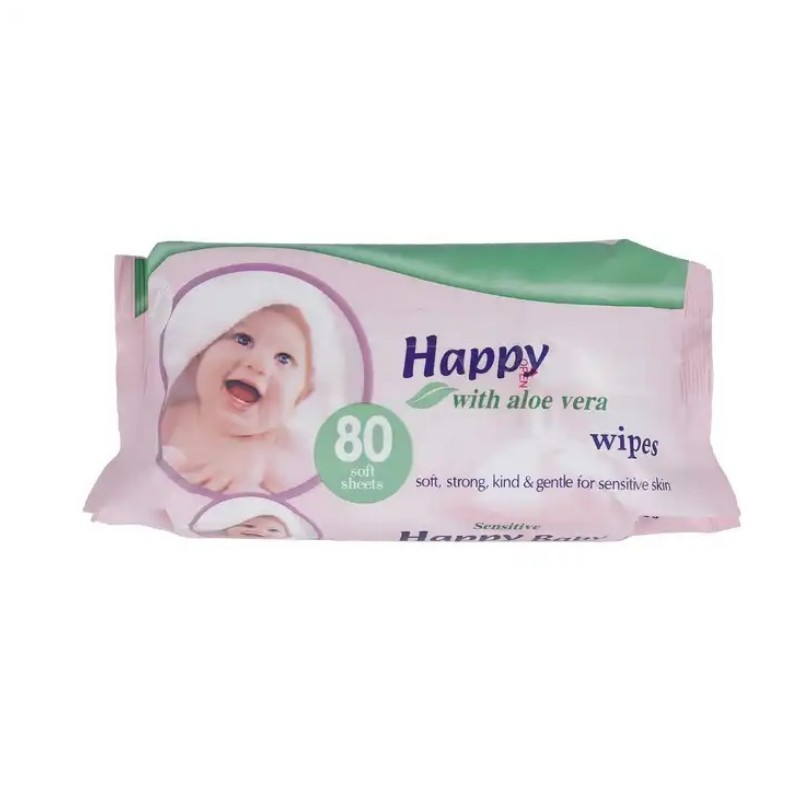 Gentle Moisturizing Fragrance-Free Baby Wipes for Sensitive SkinFragrance-free and non-irritating, these baby wipes are infused with aloe vera and vitamin E to soothe and hydrate delicate skin. Ideal for newborns and those with sensitivities, they meet strict quality standards for personal care.View Product →
In the personal care segment, the formulation needs to match the target skin type. Gentle, non-irritating baby wipes are often a first entry point for private label brands entering the wet wipes category, because they demonstrate the manufacturer's ability to handle sensitive formulas and strict quality standards.
Risk comes in many forms. The most frequent ones buyers encounter are:
All the factors above can be condensed into a straightforward checklist. Use it as a basis for shortlisting suppliers and for on-site audits.
| Evaluation Area | What to Verify | Red Flag |
|---|---|---|
| Formulation control | Dosing method, pH and moisture tolerance | No documentation of formula or tolerances |
| Substrate | Fiber composition, base weight options | Only one fabric spec, no adjustability |
| Production line | Automation level, line speed, sealing station | Manual filling, unverified capacity |
| Customization | MOQ per formula, packaging format options | Logo printing only, no formula flexibility |
| Compliance | Market-specific certificates, MSDS, test reports | No certificates or outdated reports |
| Lead time | Confirmed ship date, peak season capacity | Vague lead times without penalty clauses |
Before an audit, run through these steps:
The checklist is practical because each item points to a verifiable document or a visible factory process. When a factory shares evidence for most items, your sourcing decision has a stronger factual base.
Wet wipes are not a single product category. The same production technology can supply automotive cleaning wipes, personal care wipes, pet care wipes, and household surface wipes. This flexibility matters when a buyer wants to consolidate suppliers. In the automotive segment, for example, a wet wipe formulated for removing dirt, grease, and oil from car exterior surfaces plays a specific role in car care maintenance.
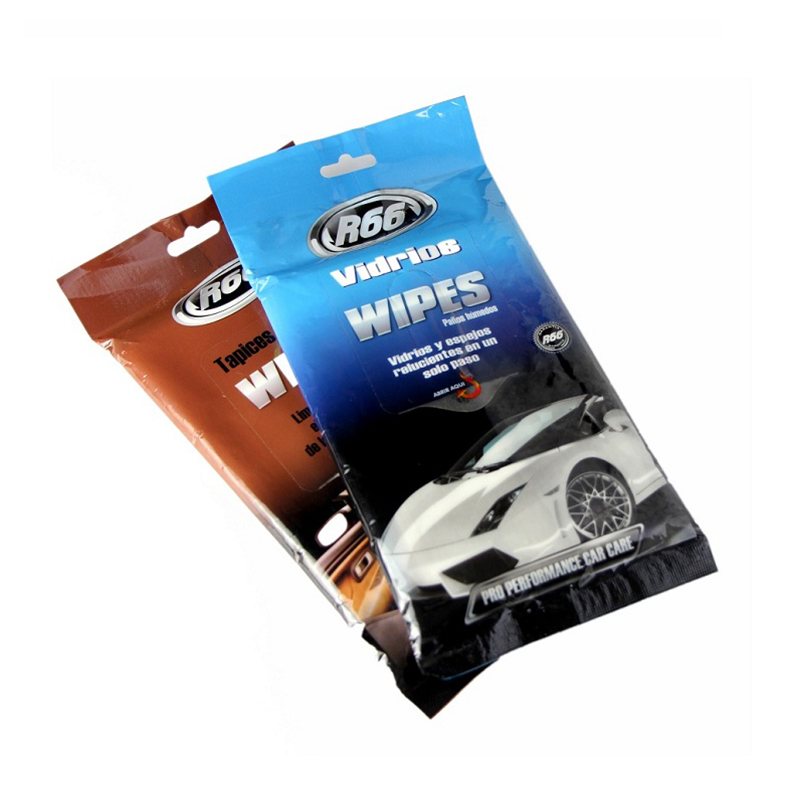 Car Cleaning Wet Wipes for Removing Dirt, Grease, and OilThese automotive wipes effectively remove grime and oil from surfaces, including leather and glass. Their antibacterial formula and convenient single-use design make them a practical choice for quick car maintenance.View Product →
Being able to discuss these different applications with the same manufacturer makes product roadmapping easier. One trusted wet wipes factory can support a broader range of offers to your customers, reducing supplier management overhead.
The value of a structured evaluation becomes clear when you compare a random quotation with a verified supplier file. A good OEM wet wipes manufacturer shows you the samples, the specification sheets, the test reports, and the production line layout without hesitation. The procurement decision becomes an exercise in matching evidence to your requirements, not a guessing game. If you cannot see the evidence, you are taking on risk you should not carry.
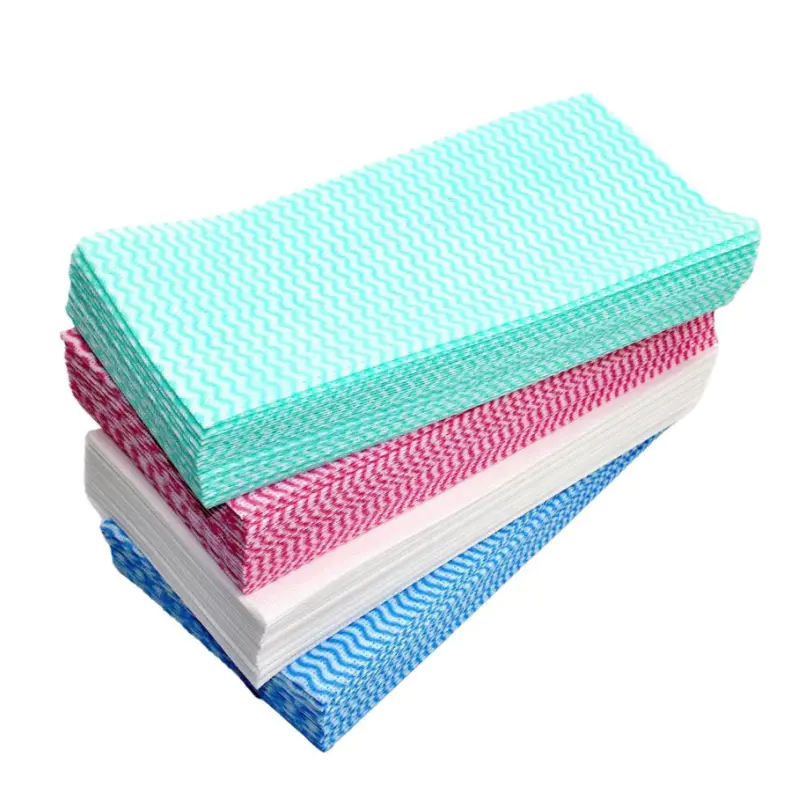
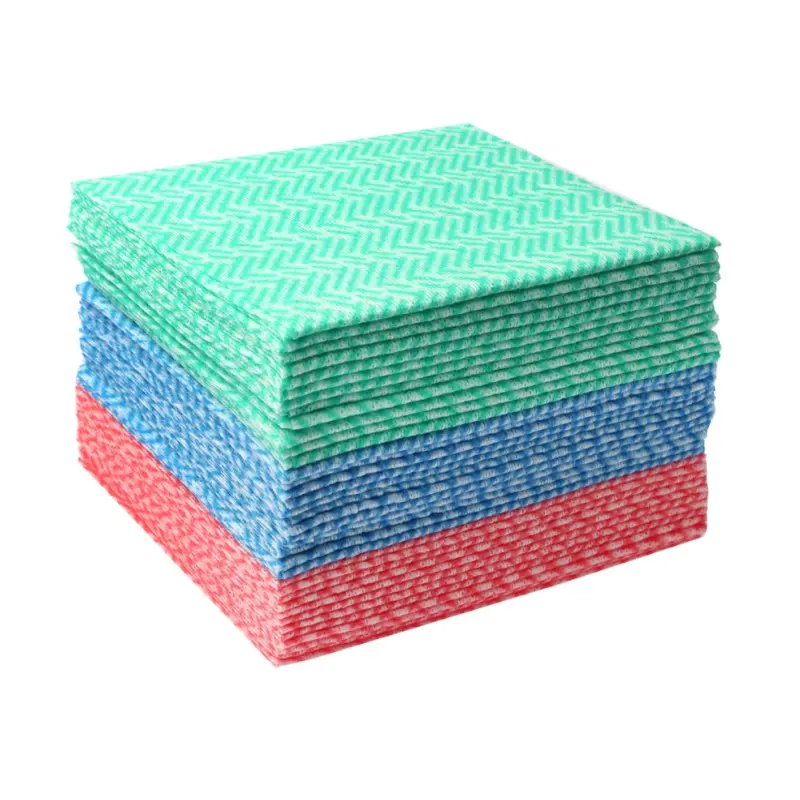
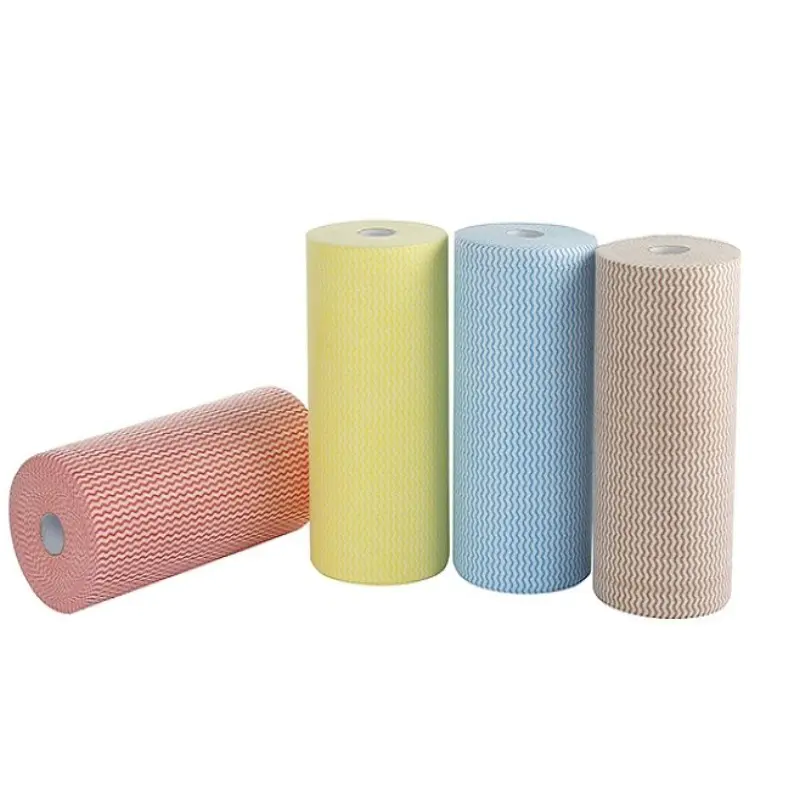

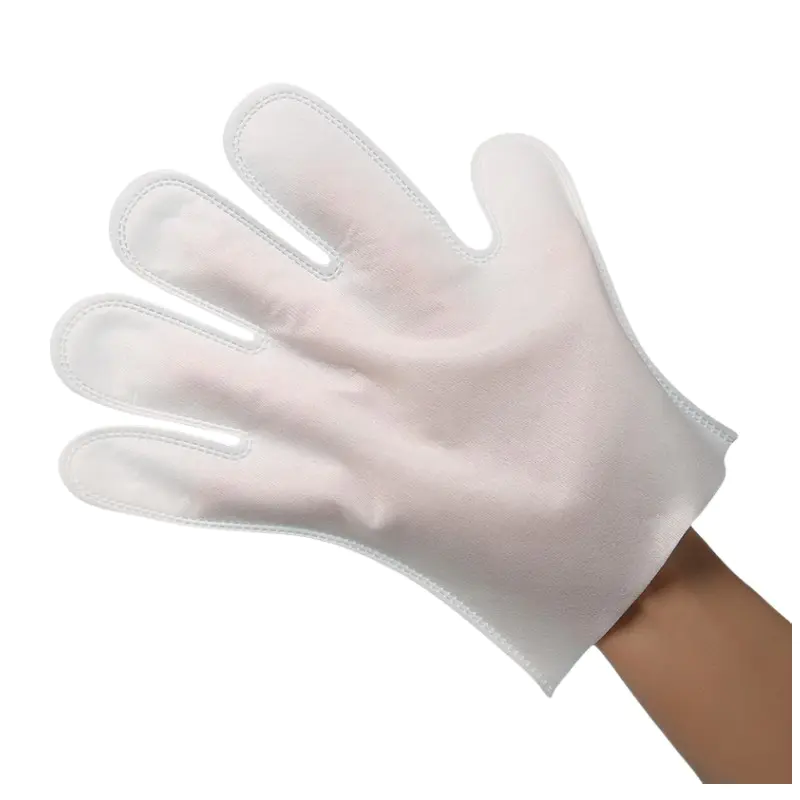
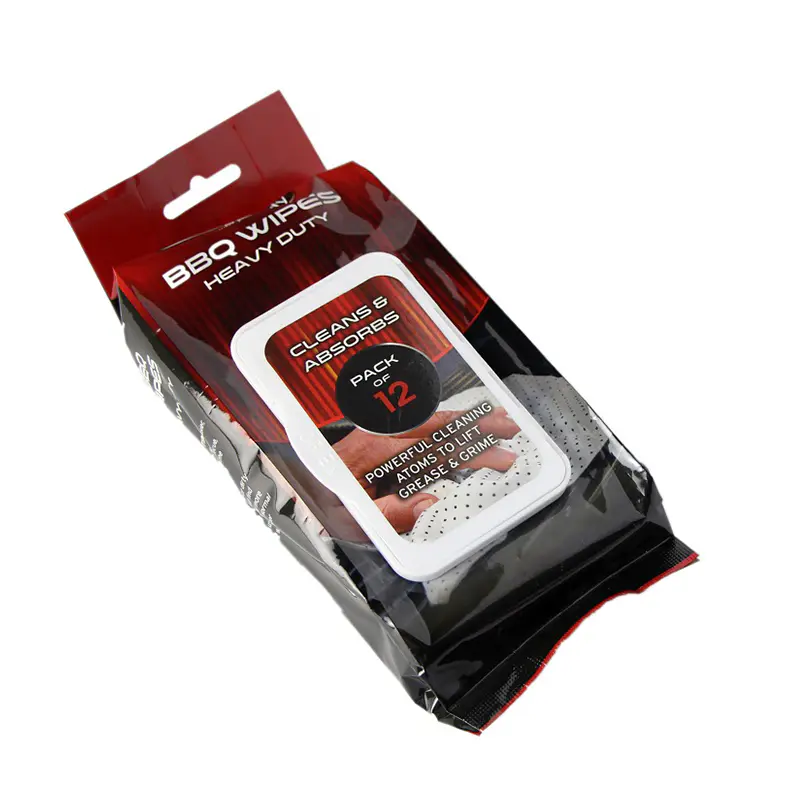

JIAXING HONGJIE COMMODITY CO., LTD is located near Shanghai and Hangzhou in Jiaxing City, Zhejiang Province, China. We are trading& manufactory company. our factory and office are in Jiaxing city.

Factory Add: 3rd floor, BLDG 3, No.379 Ziyu Road, Daqiao Industrial Zone, Jiaxing, Zhejiang, China.

+86-573-82313085

+86-573-82091210

Copyright © JIAXING HONGJIE COMMODITY CO., LTD
The information provided on this website is intended for use only in countries and jurisdictions outside of the People's Republic of China.
Wholesale Nonwoven Wet Wipes Manufacturers
