 Search for...
 English
 Español
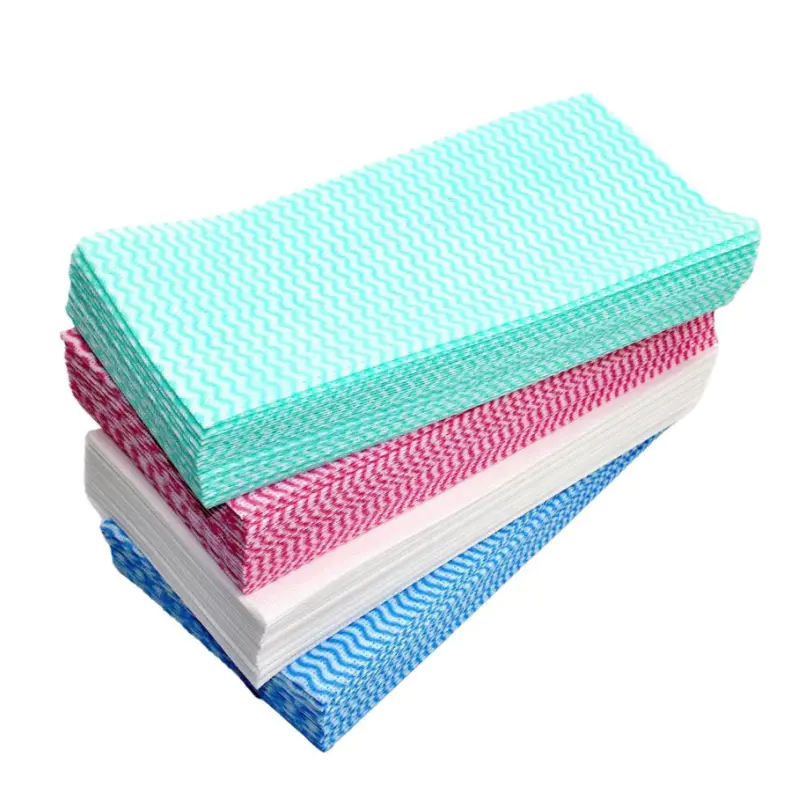
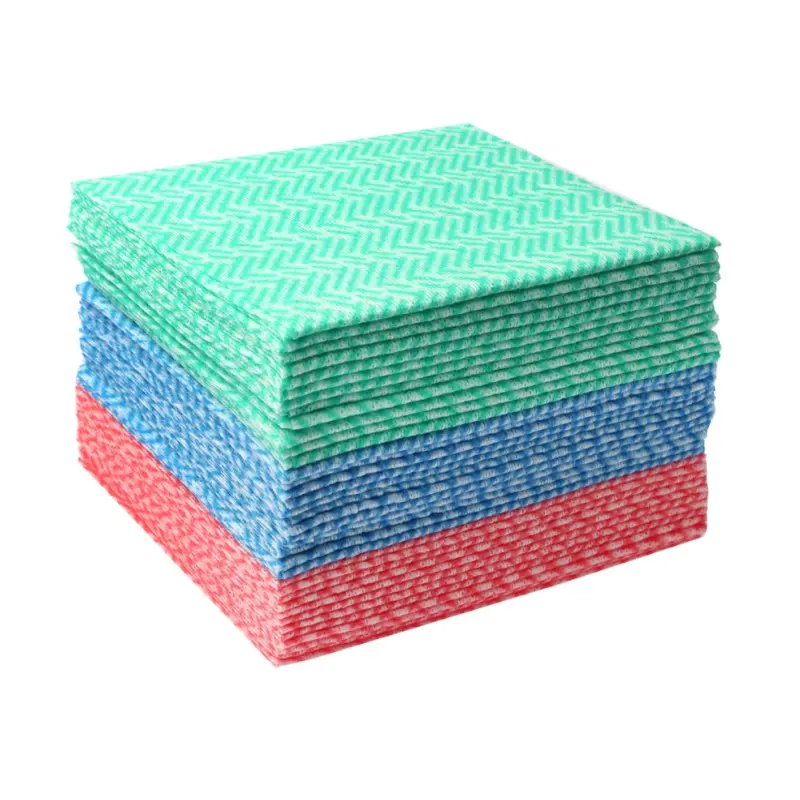
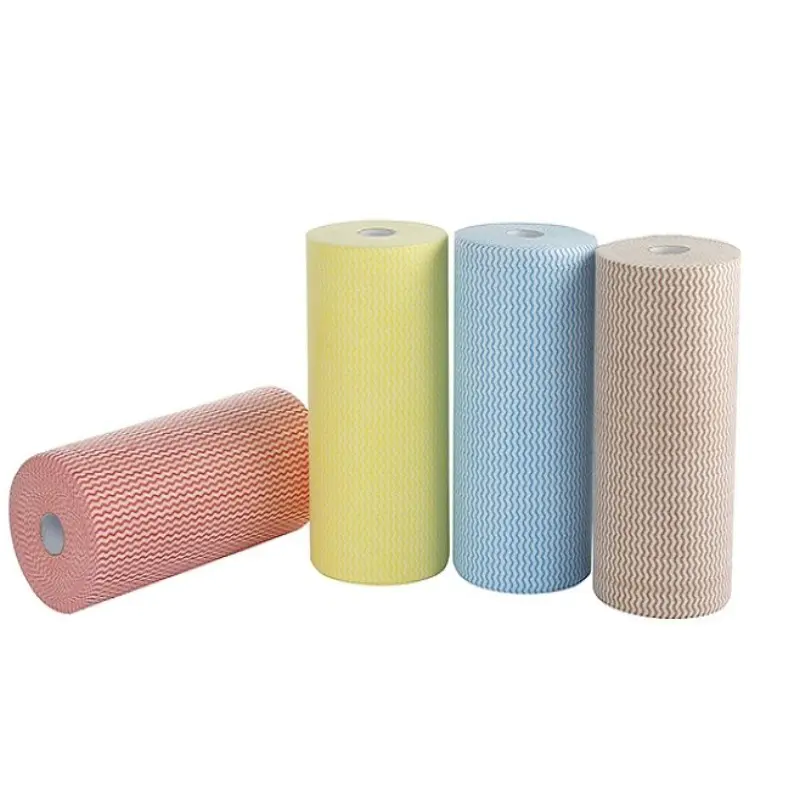
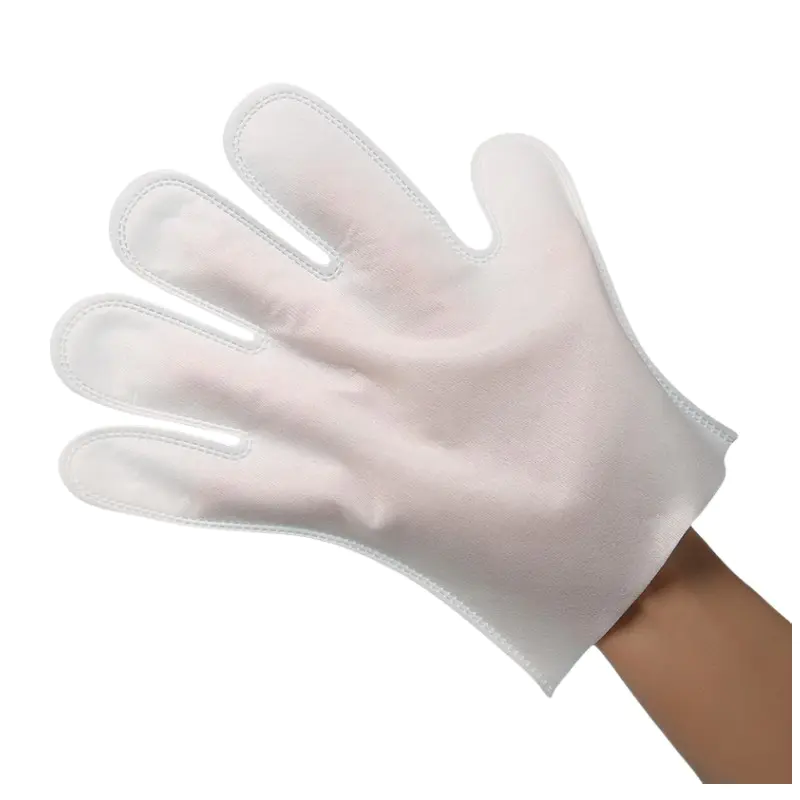
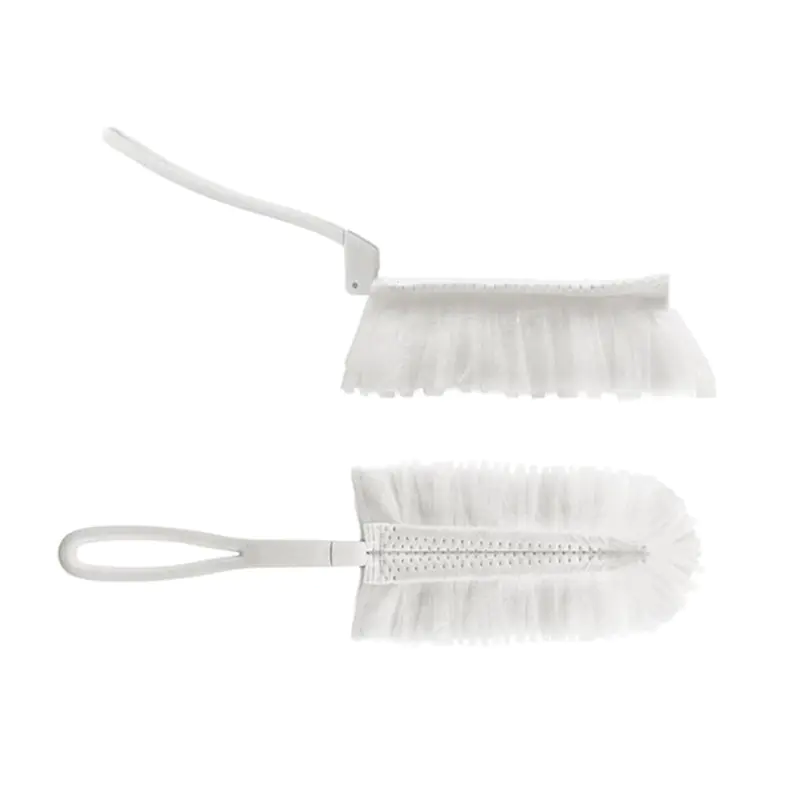
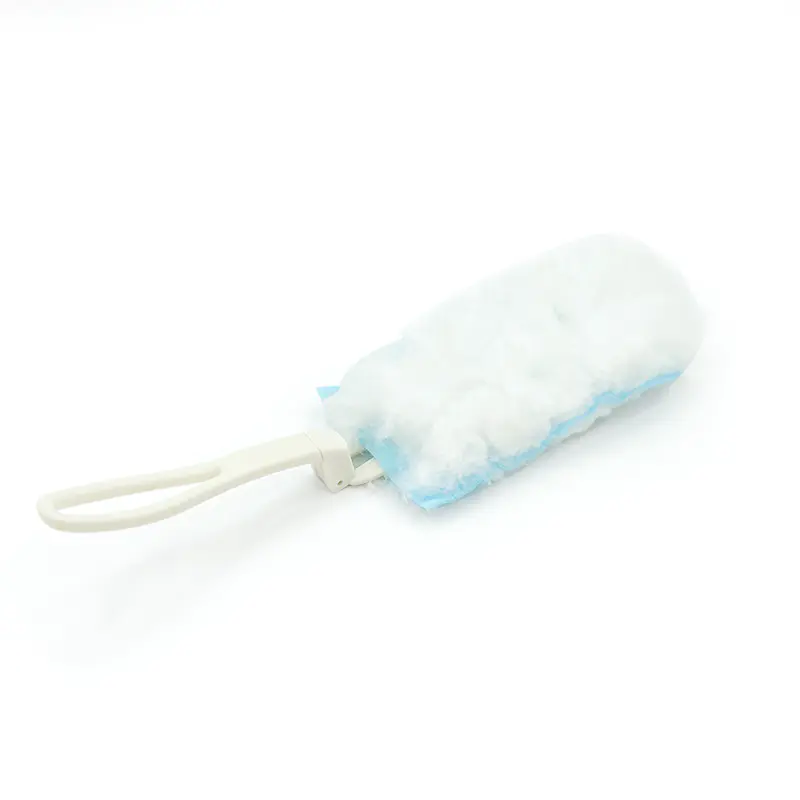
Soft Lint-Free Disposable Household Cleaning Wipe

Three wet wipes quotations are open on a procurement manager's screen. Each supplier promises automatic production lines, certified quality, and flexible minimum orders. The price gap between the bids looks modest, yet a fraction of a cent per pack multiplies into a significant annual difference. The problem is that quotations only reveal what suppliers choose to show: prices, lead times, and headline specifications. The conditions that determine whether a private label wet wipes line survives in retail are far less visible.
After supplying nonwoven products to the United States, Europe, Japan, South Korea, Australia, and Southeast Asia, our team has reached a clear conclusion: the private label wet wipes manufacturers worth partnering with are distinguished by production depth and documentation discipline, not by sales pitches. A factory that produces its own nonwoven substrate, operates dedicated wet wipe lines, and can trace every batch back to its raw materials will protect a brand far more effectively than one that simply assembles wipes from purchased components.
Content
Private label wet wipes manufacturing starts well before the line begins running. A complete private label program involves substrate selection, liquid formulation, packaging engineering, and regulatory documentation for the destination market. The manufacturer's responsibility extends from the first material specification to the moment the finished goods clear customs.
A manufacturer that converts its own nonwoven fabric rather than buying pre-made base rolls can adjust softness, basis weight, and absorbency quickly when a brand's market research points to a specific feel. This vertical integration is the first capability to verify during an audit, because it determines how flexible your supply chain will be over multiple seasons.
A supplier's total output volume tells you less than its line configuration. A factory with two fully automatic wet wipe lines and more than ten nonwoven cloth production lines can serve both large standard orders and smaller custom runs, but only if those lines are properly organized. The critical question is whether the wet wipe lines are dedicated to wipes or shared with unrelated products, because shared lines introduce risks of cross-contamination and frequent changeover errors.
| Factor | Why It Matters | What to Ask |
|---|---|---|
| Dedicated wet wipe lines | Dedicated lines reduce cross-contamination risk and improve batch consistency. | How many lines run wet wipes exclusively? |
| Automation level | Higher automation means tighter control of liquid weight and seal quality. | What is the filling accuracy and line speed? |
| In-house substrate production | Producing nonwoven cloth on site allows rapid adjustment of material properties. | Do you produce your own nonwoven substrate? |
| Quality control points | Inline inspection and laboratory tests reduce the probability of recalls. | Where are the QC checkpoints in the production flow? |
The difference between a good and a weak quotation often shows up in the tolerances the factory is willing to commit to. Ask for standard operating procedures and the acceptable ranges for pack weight, liquid content, and seal strength. A supplier that cannot state its tolerances in writing has not fully controlled its process.
Few private label brands launch with only one product. Most begin with a single category and then expand into baby care, personal hygiene, household cleaning, or automotive care. Every segment places different demands on the substrate and the liquid formula, so the manufacturer's material expertise becomes a practical asset during product development.
Formula choices must also respond to the market. Fragrance-free and hypoallergenic versions are a requirement for baby wipes and sensitive-skin lines, while degreasing and antibacterial formulas are expected in household and automotive segments. A mature supplier will provide preservative compatibility studies and stability data before you commit to a formulation.
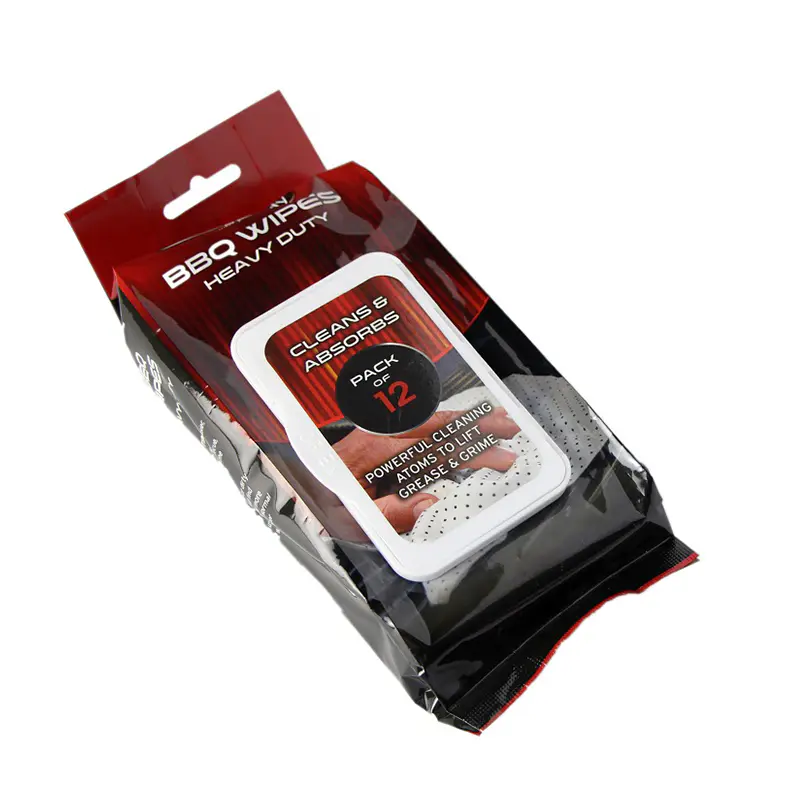
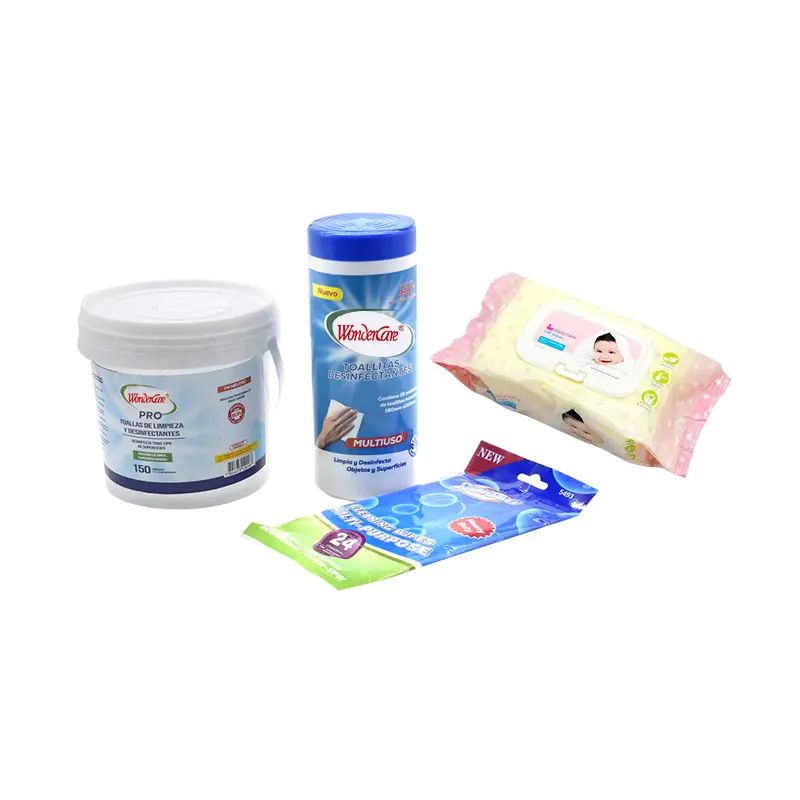 Antibacterial Hypoallergenic Customizable Wet Wipes for Adults and KidsThis versatile wipe line supports baby, antibacterial, floor, car, industrial, and BBQ uses. Its hypoallergenic, biodegradable design suits buyers checking export compliance and formula flexibility for multiple markets.View Product →
Export experience is one of the most reliable indicators of a manufacturer's compliance capability. Factories that regularly ship wet wipes to the United States, Europe, Japan, South Korea, Australia, and Southeast Asia have already adapted to authorities that enforce strict product safety rules. Buyers should expect documented evidence rather than verbal assurances.
Ask each candidate manufacturer to list the markets they currently serve and the certifications they hold. The answer reveals how much regulatory experience is available to your brand when you enter a new region or launch a new category.
Every supplier quotes a minimum order quantity, but the number only becomes meaningful when you see what drives it. Substrate grammage, liquid saturation rate, pack format, and order volume are the primary cost drivers for wet wipes. Cutting costs on the substrate or the liquid load may lower the unit price, but it also changes how the product feels in the consumer's hand and how many wipes survive until the pack is finished.
| Cost Driver | Typical Impact | Procurement Tip |
|---|---|---|
| Substrate grammage | Higher GSM raises cost and improves softness and durability. | Confirm grammage in the specification sheet, not by hand feel. |
| Liquid saturation rate | More liquid increases weight, cost, and the risk of leaking. | Match saturation to the wiping task and the pack design. |
| Pack format | Rigid tubs and canisters cost more than flexible flow-packs. | Launch new SKUs in flow-packs and switch after demand is proven. |
| Order volume | Larger orders lower per-unit cost but raise inventory risk. | Balance the MOQ against projected sell-through and storage cost. |
The sampling phase is where real problems surface. A reliable manufacturer produces pre-production samples on the actual production line, not in a laboratory, and retains reference samples that allow an apples-to-apples comparison with the bulk order. If the mass production run differs from the approved sample in weight, dimensions, or liquid content, the factory's quality system needs deeper inspection.
Wet wipes are bought by application, and the market is fragmented into baby care, personal hygiene, household cleaning, car care, and pet grooming. A private label manufacturer with experience across several categories gives your brand room to expand without onboarding a new supplier for every line. The same team that formulates a baby wipe can develop a car interior wipe with a completely different liquid profile, because the underlying manufacturing logic is shared.
Nonwoven wipes also serve applications beyond obvious cleaning, and understanding these overlaps can help you plan a broader assortment. Our guide on the broader uses of nonwoven wipes explains where personal care, household cleaning, and industrial tasks intersect.
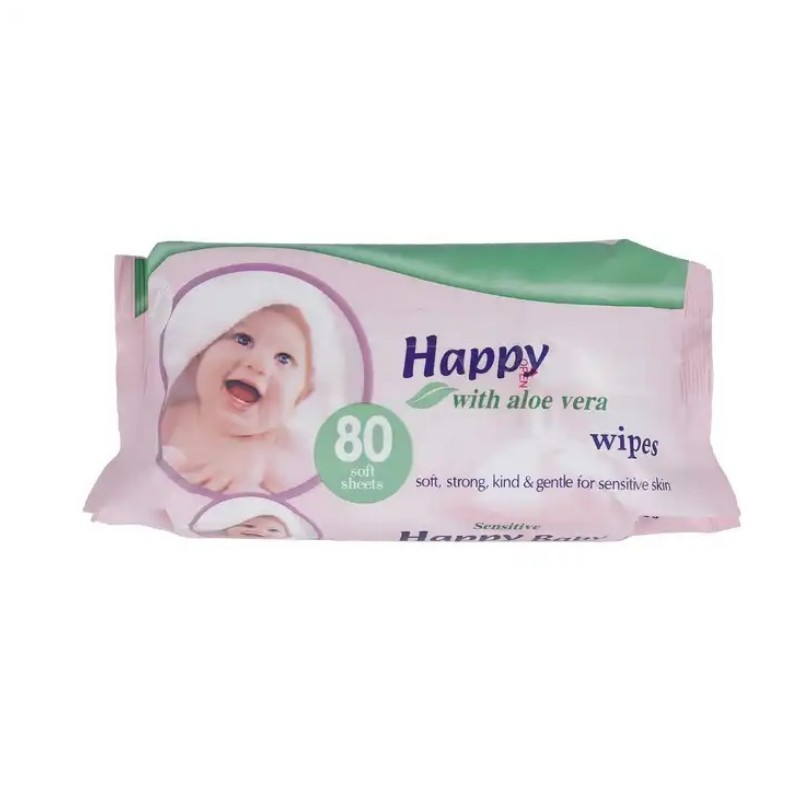 Gentle Fragrance-Free Moisturizing Baby Wipes with Aloe and Vitamin EDesigned for newborns and sensitive skin, these hypoallergenic wipes are fragrance-free and dye-free. They are a practical choice for buyers evaluating private label suppliers across baby and personal care segments.View Product →
 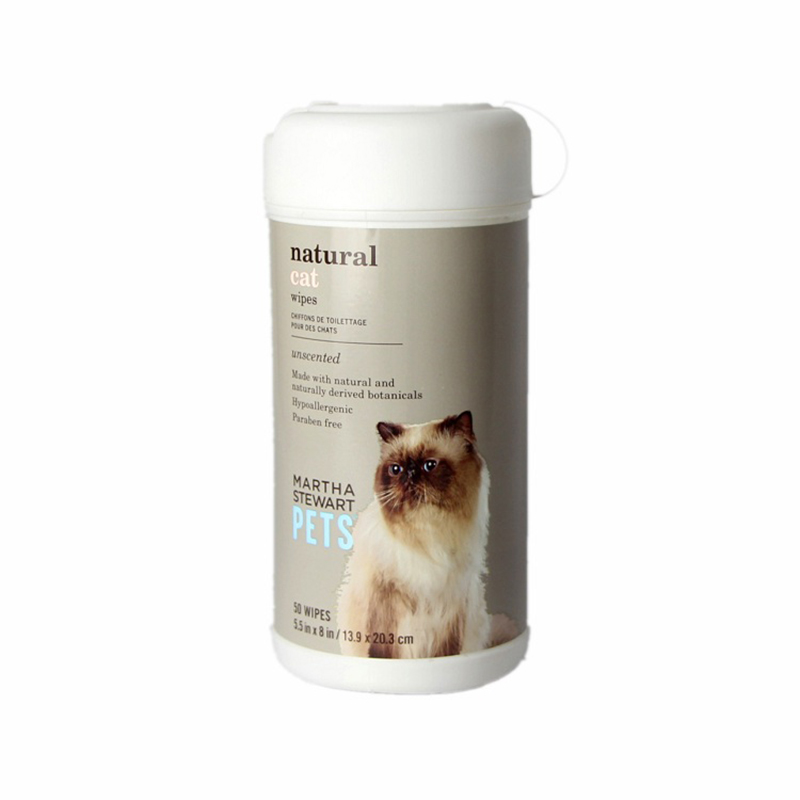 Multifunctional Deodorizing Pet Wipes for Cats and DogsThese large, thick wipes clean paws, faces, ears, and coats while neutralizing odors. With aloe vera and vitamin E, they suit pet owners seeking gentle, alcohol-free grooming solutions for sensitive animals.View Product →
Before committing to a private label wet wipes manufacturer, verify the points that determine product quality and supply continuity. Use this checklist as a starting point for supplier evaluation and factory audits.
The lowest quotation rarely delivers the lowest total cost once quality rejects, transport delays, and lost retail placements are factored in. A manufacturer that controls its own production and documents its quality data protects your brand where it matters most: on the shelf and in repeat purchases. Browse the full product catalog to compare real specifications across the formats this factory currently produces.


JIAXING HONGJIE COMMODITY CO., LTD is located near Shanghai and Hangzhou in Jiaxing City, Zhejiang Province, China. We are trading& manufactory company. our factory and office are in Jiaxing city.

Factory Add: 3rd floor, BLDG 3, No.379 Ziyu Road, Daqiao Industrial Zone, Jiaxing, Zhejiang, China.

+86-573-82313085

+86-573-82091210

Copyright © JIAXING HONGJIE COMMODITY CO., LTD
The information provided on this website is intended for use only in countries and jurisdictions outside of the People's Republic of China.
Wholesale Nonwoven Wet Wipes Manufacturers
