 Search for...
 English
 Español
Soft Lint-Free Disposable Household Cleaning Wipe

Two fibers decide the performance, cost, and environmental profile of almost every wet wipe on the market: viscose and polyester. Whether you source baby wipes, household cleaning wipes, automotive wipes, or industrial wipes, the nonwoven substrate that carries the liquid is almost always a spunlace fabric made from a combination of these two raw materials. Choosing the right blend is the single most important specification in the whole product development process, and it needs to happen before you commit to a production line, not after.
Content
Spunlace nonwoven, also called hydroentangled fabric, is the dominant substrate for wet wipes because it combines textile-like softness with the disposability that wipes require. Fibers are carded into a loose web and then entangled by high-pressure water jets, so no chemical binder is needed. That is why the total formula cost and the feel of the finished wipe depend so heavily on the two fibers being entangled.
Viscose and polyester are the pairing that fits this process best. Viscose is a regenerated cellulose fiber derived from wood or bamboo pulp; it is hydrophilic, soft, and absorbent. Polyester is a synthetic petroleum-based fiber; it is strong, dimensionally stable, and inexpensive. Each compensates for the other's weakness. A 50/50 blend behaves differently from a 70/30 blend, and understanding that difference is exactly what allows buyers to avoid the classic mistake of approving a substrate that feels perfect when dry but fails in the shower, on a car panel, or in a dispensing machine. This is also one of the main ways that nonwoven cleaning cloths differ from traditional woven cloths in cleaning performance: the engineering happens at the fiber level, not at the loom level.
Viscose is the fiber that makes a wet wipe feel like a wet wipe. Because it is hydrophilic, it absorbs water-based solutions rapidly, which means the wipe stays wet and releases the liquid formula evenly across the surface. The fiber also has a naturally round, smooth cross-section that gives the fabric a soft drape. Baby wipes and facial wipes are always viscose-heavy for this reason.
The trade-off is wet strength. When a viscose fiber is saturated, it becomes weaker, and a high-viscose wipe can tear if the user rubs aggressively or if the sheet gets stuck in the dispensing pack. In our own production of cleaning wipes, we keep the viscose content below 70% whenever tearing complaints are a real risk, and we raise the basis weight to keep the sheet intact.
Polyester is the structural skeleton of the wipe. Its fibers resist stretching, keep the web dimensionally stable when wet, and provide the tear resistance that makes a wipe survive scrubbing. Polyester is hydrophobic, so it stays firm while the viscose absorbs liquid. That is why a polyester-leaning wipe feels strong and grippy rather than mushy, even when fully saturated.
Cost is the other major contribution. Polyester staple fiber generally tracks petrochemical prices and is less expensive than viscose fiber, so shifting the blend from 50/50 to 70/30 polyester can reduce substrate cost by a measurable margin on a program running millions of wipes per month. The trade-off is feel and sustainability: high-polyester wipes feel drier and stiffer, and they do not biodegrade.
Blend ratios are not just a quality marker; they are the single clearest signal of what a supplier intends a product to be. Set the ratio before you set the fragrance, the liquid formula, or the packaging. The table below summarizes the ratios most commonly seen in the market and what they mean in practice.
| Blend ratio | Typical wet wipe applications | What to expect | Relative cost |
|---|---|---|---|
| 100% polyester | Industrial wipes, budget cleaning wipes | High strength, low softness, low absorbency, non-biodegradable | Lowest |
| 70% polyester / 30% viscose | Household cleaning, automotive wipes | Strong wipe with some absorbency; very cost efficient | Low |
| 50% polyester / 50% viscose | Mid-range cleaning wipes, floor wipes | Balanced softness and strength; good general purpose | Medium |
| 70% viscose / 30% polyester | Baby wipes, facial wipes, personal care | Soft, absorbent, comfortable; moderate strength | Higher |
| 100% viscose | Premium personal wipes, sensitive-skin lines | Maximum softness and absorbency; biodegradable; lower wet strength | Highest |
Two rules follow from this table. The more human skin the wipe contacts, the more viscose you want. The more aggressive the task, the more polyester you want. Buyers launching a new household cleaning line often standardize on 50/50; buyers in personal care rarely go below 60% viscose.
A certificate of analysis is useful, but it does not tell you how a substrate will behave on a converting line. The following checks take less than ten minutes on a single sample sheet and are worth running before you order a pilot run.
Ask the supplier for the exact fiber specification too: viscose source, fiber denier, staple length, and carding configuration. The same nominal blend can feel different across two factories because these variables shift the web structure. We often see buyers quote an identical viscose/polyester 50/50 specification to multiple suppliers and receive visibly different fabrics.
Raw material selection in wet wipes is essentially a negotiation between cost and sustainability. Polyester is the economical anchor. Its price is comparatively stable, and because it is the less expensive fiber, reducing the viscose share is the fastest lever a buyer can pull to hit a target cost. For household and industrial programs, that is usually the right call.
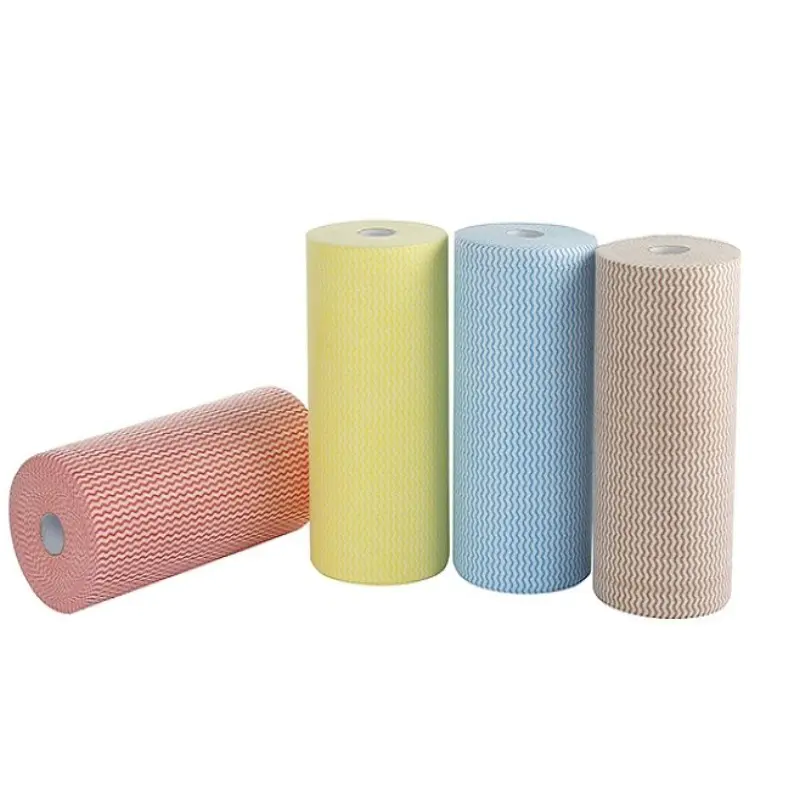
Sustainability pressure pushes the other way. Viscose comes from renewable cellulose, and when the pulp comes from a certified forestry source and the supplier controls its chemical recovery, viscose is biodegradable. Bamboo pulp, in particular, has become a popular claim for retail brands that want a natural story. From a performance standpoint, a bamboo fiber viscose-polyester cleaning roll can replace a conventional blended roll in home, automotive, and light industrial cleaning without a significant drop in strength, because the polyester share still provides the tear resistance.
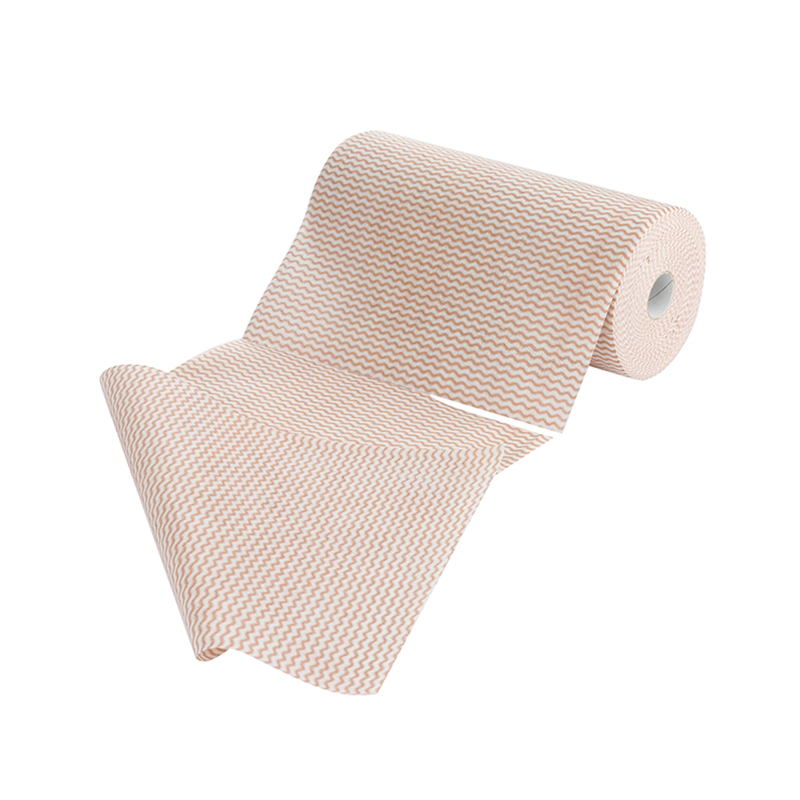 Custom Bamboo Fiber/Viscose Polyester Oil-Resistant Non Woven Cleaning Roll SuppJIAXING HONGJIE COMMODITY CO., LTD is China custom Bamboo Fiber/Viscose Polyester Oil-Resistant Non Woven Cleaning Roll suppliers and OEM...View Product →
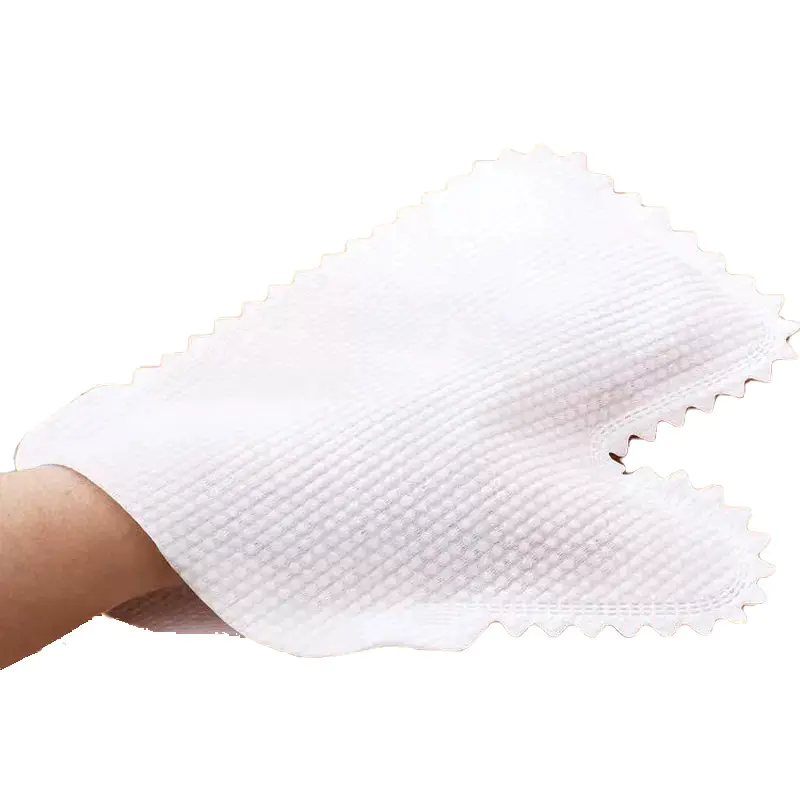
For baby and facial wipes, comfort is the entire product. The substrate is usually 70/30 or higher in viscose, with a smooth finish and a low lint level, and the liquid formula is designed to be very mild. Personal care wipes also need a dense but soft web, which is why our viscose-polyester nonwoven fabric adult wipe for makeup cleansing, face and skin care uses a balanced blend at a slightly higher basis weight to avoid pilling during circular rubbing motions.
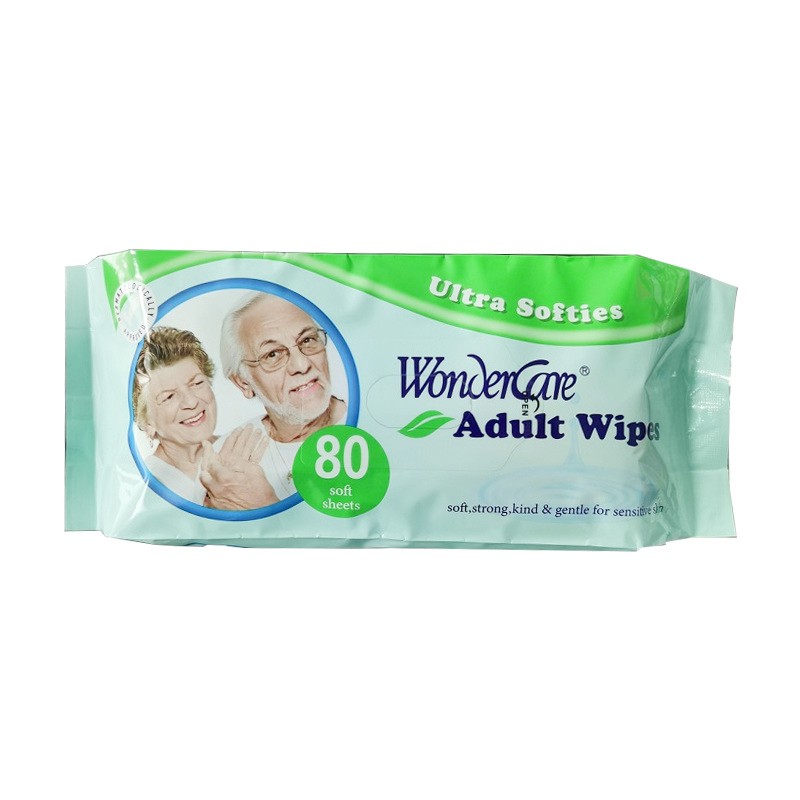 Custom Viscose Polyester Nonwoven Fabric Adult Wipe For Body Wipe,Hand Wipe SuppJIAXING HONGJIE COMMODITY CO., LTD is China custom Viscose Polyester Nonwoven Fabric Adult Wipe For Body Wipe,Hand Wipe suppliers and OEM...View Product →
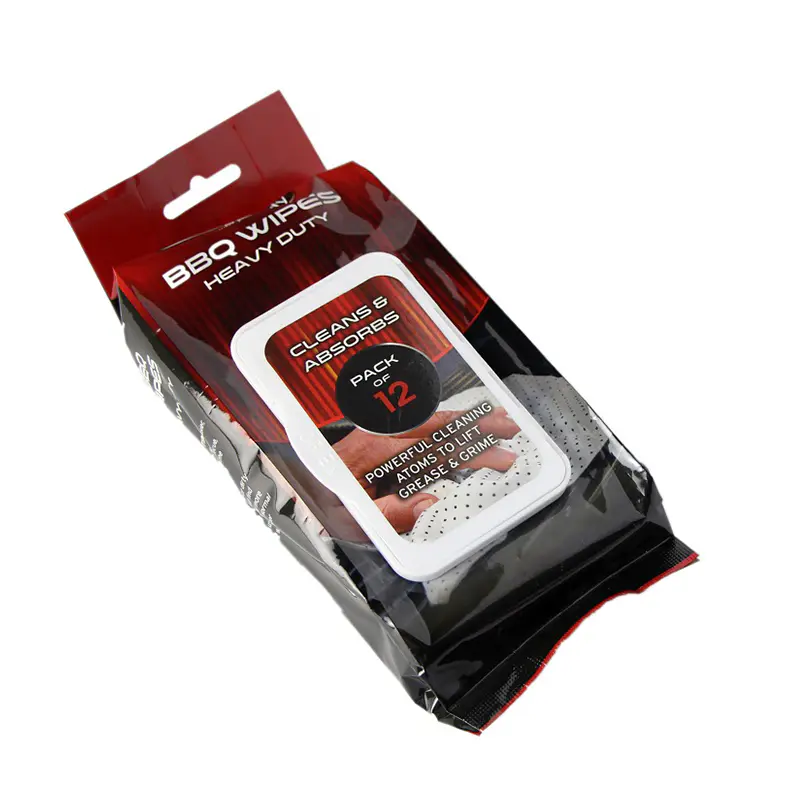
Household cleaning is a different brief. Kitchen and bathroom wipes live in water, aggressive liquids, and repeated friction against textured surfaces. A 50/50 or polyester-dominant blend is the norm, and embossing is often applied to stiffen the web and give the wipe a scrubby surface. Oil absorption is the key function in kitchen programs: our oil-absorption viscose and polyester nonwoven with dots BBQ cleaning wipe is built to remove grease from grill grates without shredding, which is exactly the kind of substrate behavior the blend ratio controls.
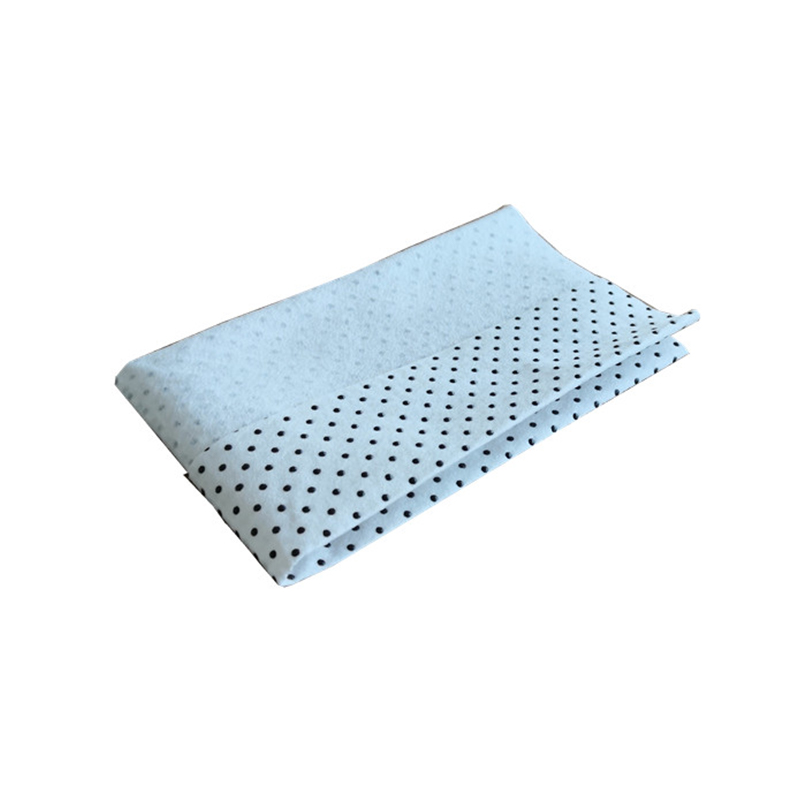 Custom Oil Absorption Viscose And Polyester Nonwoven For Cleaning The Grill SuppJIAXING HONGJIE COMMODITY CO., LTD is China custom Oil Absorption Viscose And Polyester Nonwoven For Cleaning The Grill suppliers and OEM...View Product →
Automotive and industrial wipes sit at the polyester end of the spectrum. Solvent-based cleaners attack weak fibers, sharp metal edges cut fragile webs, and the operator needs a wipe that can be pulled, folded, and reused within a single job. In these cases, 70/30 or 80/20 polyester-leaning substrates with a high basis weight are common, and softness is largely irrelevant.
A manufacturer that runs both nonwoven substrate lines and finished wet wipe converting lines can help you validate these steps faster, because the substrate and the converting parameters are designed together. You can see how different viscose-polyester constructions behave in actual end products across our product range, and if you are developing a new wet wipe program, start by matching the substrate to the way the wipe will be used. That decision will shape your product quality, your claims, and your margin more than any other single specification.
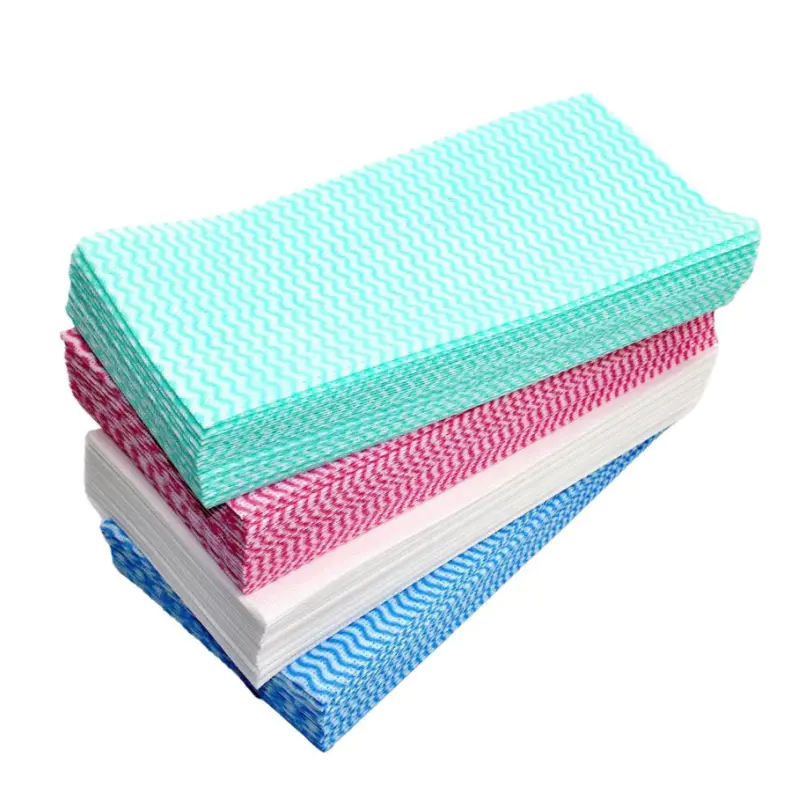

JIAXING HONGJIE COMMODITY CO., LTD is located near Shanghai and Hangzhou in Jiaxing City, Zhejiang Province, China. We are trading& manufactory company. our factory and office are in Jiaxing city.

Factory Add: 3rd floor, BLDG 3, No.379 Ziyu Road, Daqiao Industrial Zone, Jiaxing, Zhejiang, China.

+86-573-82313085

+86-573-82091210

Copyright © JIAXING HONGJIE COMMODITY CO., LTD
The information provided on this website is intended for use only in countries and jurisdictions outside of the People's Republic of China.
Wholesale Nonwoven Wet Wipes Manufacturers
