 Search for...
 English
 Español
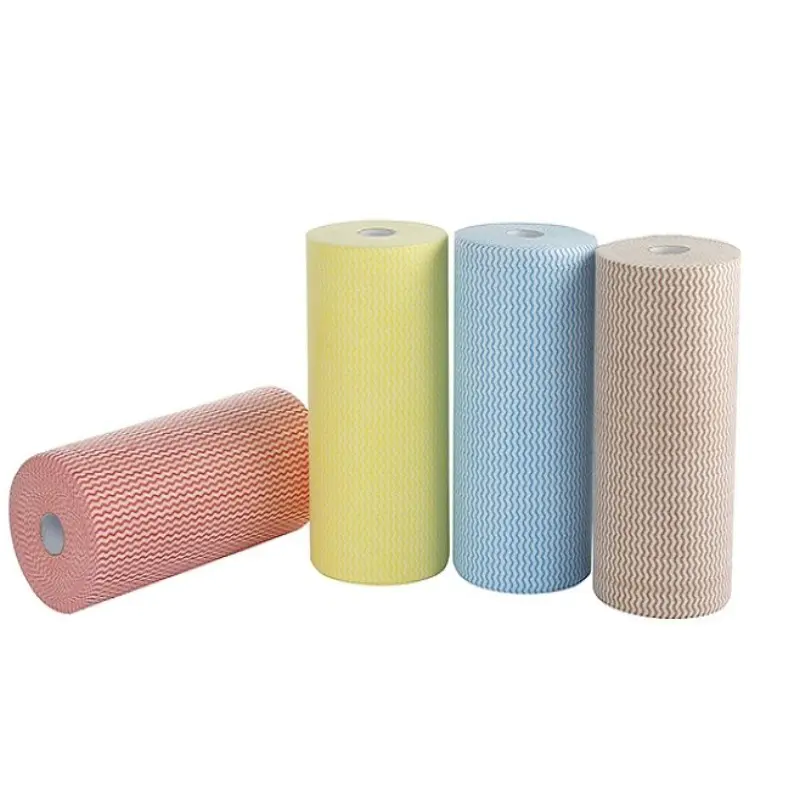
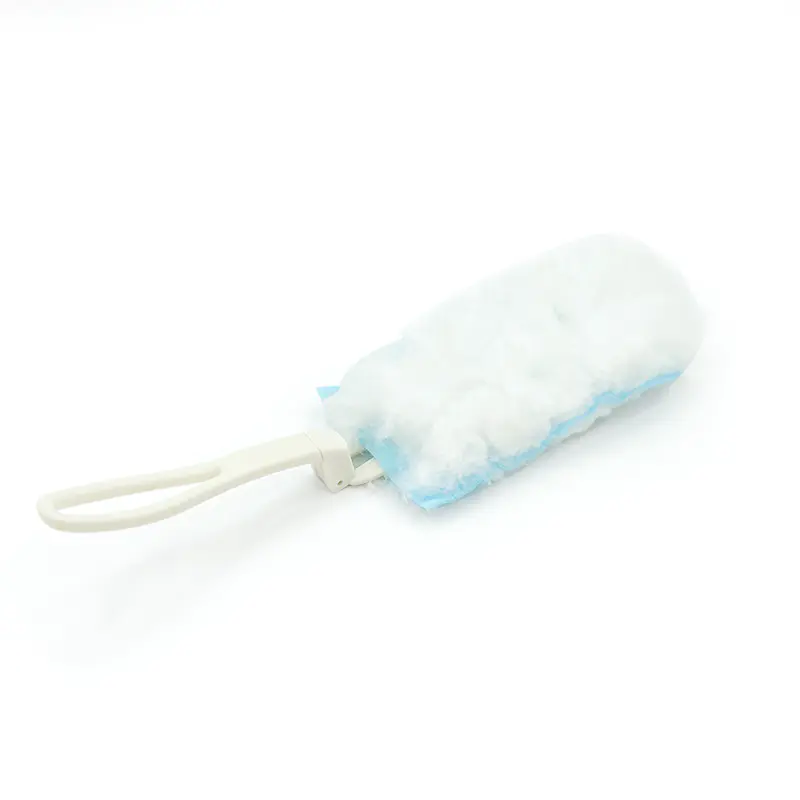
Soft Lint-Free Disposable Household Cleaning Wipe

Content
Every wet wipe pack is a small manufacturing system: a nonwoven substrate, a precise amount of lotion, a sealed envelope, and a flip-top lid. When any of these elements is out of balance, the product loses its value. The conclusion is direct: wet wipes manufacturing is a controlled sequence of water purification, lotion blending, nonwoven conversion, wetting, cutting, folding, packing, and quality verification. Buyers get consistent results only when every stage is designed and monitored as part of a single production line.
This article walks through that sequence in practical terms, then explains what the process means for OEM buyers, private-label programs, and brands that need a wet wipes manufacturing partner.
Before comparing machine speeds or MOQs, look at the two physical inputs of every wet wipe: the nonwoven substrate and the liquid lotion. The substrate gives the wipe strength, texture, and absorbency. The lotion carries the cleaning, moisturizing, or deodorizing function. Neither one can be optimized without thinking about the other.
Most wet wipes use spunlace nonwoven made from viscose (rayon), polyester, or a blend of the two. Spunlace fabric is formed by entangling fibers with high-pressure water jets, which creates a soft, drapable material that remains strong when saturated. Viscose-rich blends feel smoother and absorb water faster; polyester adds tensile strength and reduces linting. Bamboo fiber and airlaid structures appear in specific products where bio-based positioning or a different texture matters.
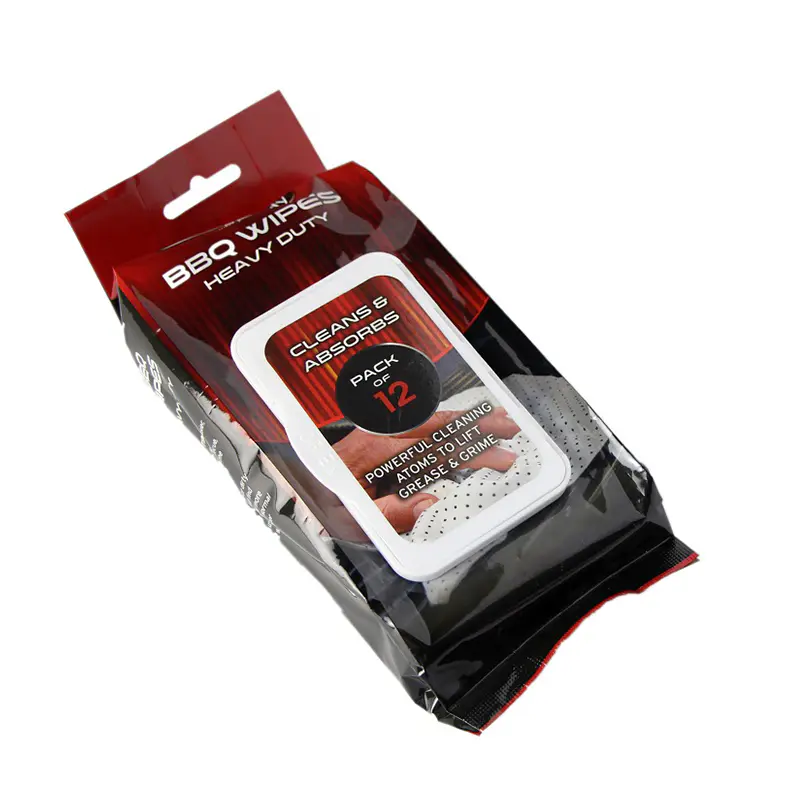
For skin contact, the substrate must be soft, low-linting, and free of sharp fiber ends. Products such as gentle moisturizing fragrance-free baby wipes are a good example of this balance. For tough surfaces, the same material can be engineered differently. A heavy-duty household wipe often uses a higher grammage and a more open structure so that dirt and grease can be trapped inside the wipe rather than smeared along the surface.
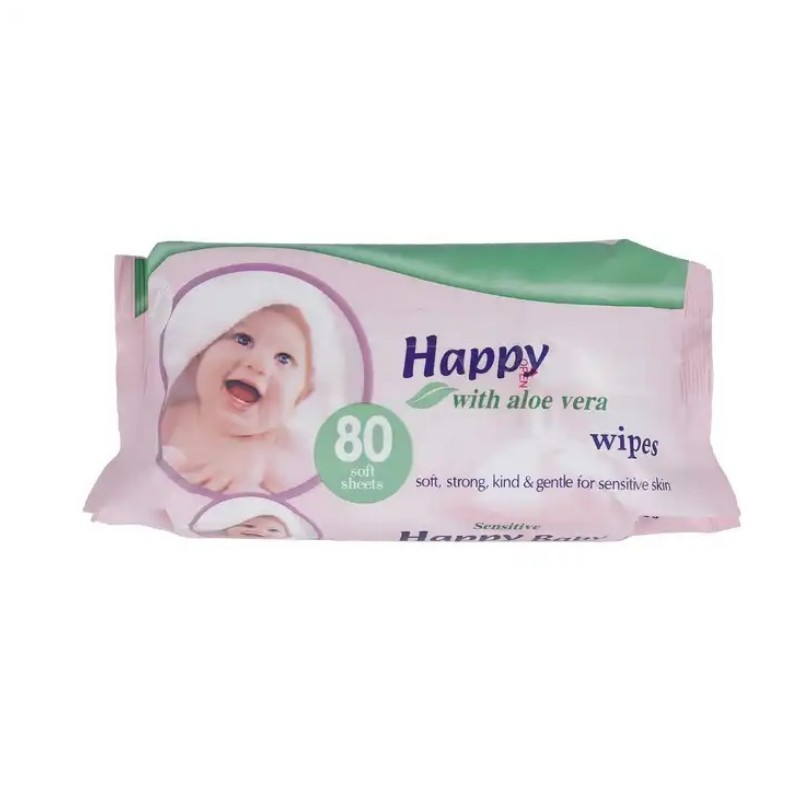 Custom Gentle Moisturizing Fragrance-Free Non-Irritating Baby Wipes Suppliers, OJIAXING HONGJIE COMMODITY CO., LTD is China custom Gentle Moisturizing Fragrance-Free Non-Irritating Baby Wipes suppliers and OEM/ODM com...View Product →
Wet wipe lotion is mostly purified water, but the small percentage of active ingredients decides how the product performs. Humectants like glycerin hold moisture on the skin. Surfactants help oils and dirt detach from a surface. Emollients and pH adjusters control the skin feel. Preservatives protect the water-based lotion from microbial growth during transport and storage.
The same manufacturing process can produce very different finished products depending on the formulation. In the same factory, a soft lint-free disposable household cleaning wipe for kitchen and bathroom use will have a different surfactant system and wet pickup than a baby wipe. That is why the process needs to be looked at as a system, not as a single machine.
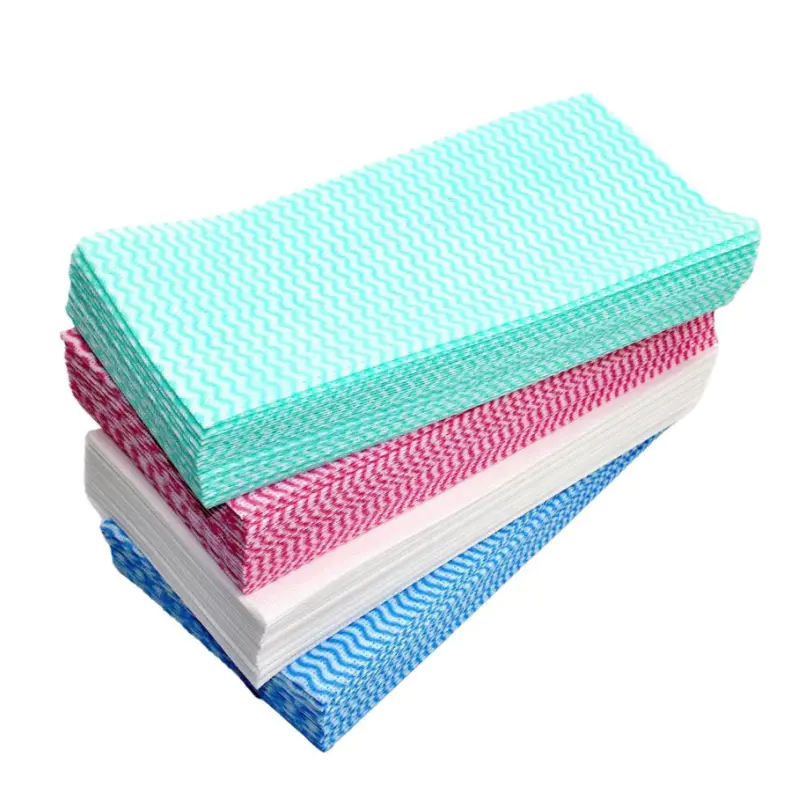 Custom Soft Lint-Free Disposable Household Cleaning Wipe Suppliers, OEM/ODM CompJIAXING HONGJIE COMMODITY CO., LTD is China custom Soft Lint-Free Disposable Household Cleaning Wipe suppliers and OEM/ODM company, detai...View Product →
Production lines vary in layout, but the logic is the same. Most fully automatic lines follow this sequence:
Wet wipes manufacturing starts with water because water is the largest component by weight. Most plants use reverse osmosis (RO) to remove dissolved ions, organic matter, and microorganisms. Low-mineral water prevents reactions between hard water and surfactant systems, and it gives the preservative system a stable base. The purified water is then transferred to stainless steel mixing tanks.
In the mixing tanks, operators add humectants, surfactants, preservatives, and skin-conditioning agents according to a fixed formula. The batch is mixed, heated or cooled as needed, and passed through a filter before entering the converting line. Viscosity and pH are checked at this stage because both affect how evenly the lotion wets the substrate.
The nonwoven master roll is mounted on the unwinding stand and fed into the wet wipe converting machine. The web runs through driven rollers, tension controls, and optional embossing or perforation units. At the wetting station, the web passes through a lotion bath or under spray nozzles. Nip rollers then squeeze the web to a controlled moisture level.
Wet pickup is one of the most important settings in the entire process. Too much lotion leaves slippery packs, wet spots, and poor seal quality. Too little lotion produces wipes that feel dry and abrasive. Automatic lines monitor the pick-up ratio and adjust roller pressure or line speed to keep it within the specification.
After wetting, the web is folded, cut into individual wipes, and stacked. The stacked wipes are placed into sachets, flow packs, or tubs. On an automatic line, the packaging happens inside the same continuous process: the pack film is formed around the wipes, the lotion is sealed in, and the pack is heat-sealed with a controlled seal temperature and dwell time.
Seal integrity becomes a quality gate at this point. A weak seal allows air to enter, lotion to evaporate, and bacteria to contaminate the product. A damaged seal is the most common cause of customer complaints, so the line usually includes an inline leak test or seal inspection station.
For tub products, a lid applicator places the flip-top cap onto the container. Pressure and alignment need to be consistent so that the lid closes tightly without cracking. Labels, batch codes, and expiry dates are applied next. The finished packs are then grouped into cartons, wrapped on pallets, and prepared for shipment.
Quality control is not a single inspection at the end of the line. It is a set of decisions made before production, during setup, and in batches after the line stops.
Because a wet wipe contains water, it will eventually support bacteria and mold if the preservative system fails. The test that matters is preservative efficacy: can the product resist contamination during storage as well as during repeated opening by a consumer? The same test tells you whether the preservative level is safe and stable.
Finished-product testing should include total viable count, yeast and mold, and target pathogens. For products that describe themselves as baby wipes or facial wipes, skin compatibility tests and pH documentation are also relevant.
Buyers sometimes judge wet wipes by how soft the top sheet feels. In manufacturing, that softness has to be combined with enough wet tensile strength to survive rubbing, folding, and pulling. A wipe that tears on a car dashboard or shreds while scrubbing a pan is a production problem, not just a design problem. Samples should be checked for grammage, wet strength, lotion content, and seal strength.
The relationship between fiber and performance is easy to see in a guide to how nonwoven cleaning cloths differ from traditional woven cloths. That comparison is directly relevant to wet wipes because converting equipment and wetting formulas have to account for the same issues: linting, absorbency, and rewetting.
Wet wipes manufacturing is usually sourced through OEM or private-label contracts. The factory that makes the product may not own the brand, but it owns the production decisions that determine whether the product works safely.
A good manufacturer should be able to work backward from your target market and recommend a nonwoven construction, a lotion formula, a wet pickup level, and a pack format. This is especially valuable when you are building a private-label line or a regional brand.
Some factories treat every new order as a change in label artwork. A more experienced partner will run a laboratory batch, seal test packs, and adjust the formula before mass production. For buyers who need to adapt size, thickness, and lotion all at once, products like customizable antibacterial wet wipes for adults and kids show what a flexible production setup looks like.
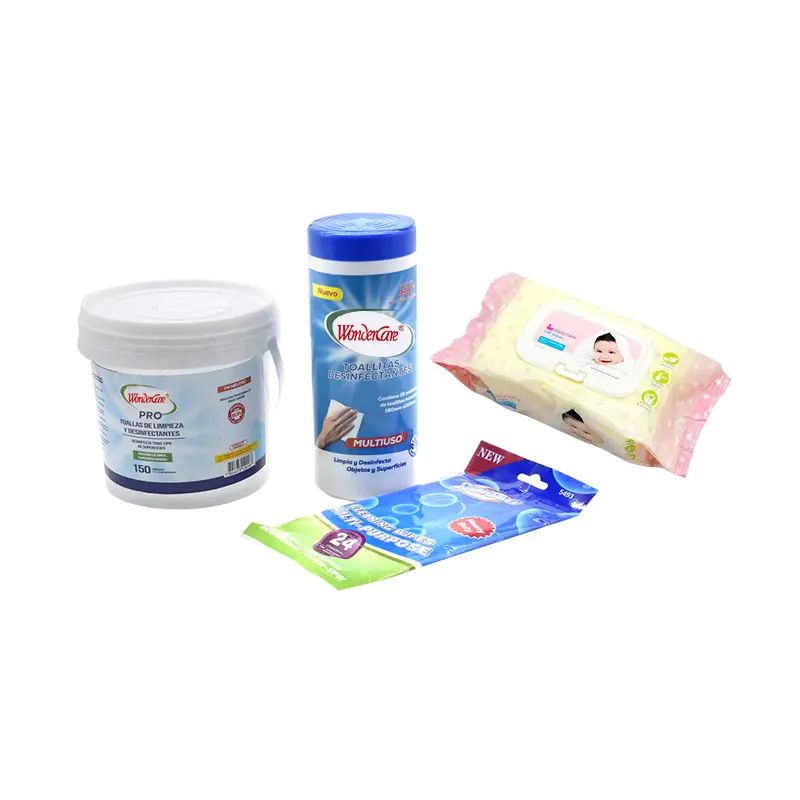 Custom Antibacterial Soft Hypoallergenic Customizable Wet Wipes Suppliers, OEM/OJIAXING HONGJIE COMMODITY CO., LTD is China custom Antibacterial Soft Hypoallergenic Customizable Wet Wipes suppliers and OEM/ODM company...View Product →
Ask for specific details about the line, not just marketing language. A fully automatic wet wipe line with in-line packaging controls will be more consistent than a semi-automatic line with many manual handling steps. A manufacturer with more than ten nonwoven cloth lines and two fully automatic wet wipe lines can allocate capacity when one product needs to be produced alongside others.
Export reliability depends on documentation and process control as much as on production speed. Suppliers that already ship nonwoven products to the United States, Europe, Japan, Korea, Australia, and Southeast Asia understand how to handle export labeling, inspection, and shipping requirements. If you are sourcing through a factory in China, request a plant audit or at least a live production video before committing to a first container.
Before mass production, ask for a sealed sample, measure the grammage and wet weight, test the pack after 24 hours, and look for signs of leakage or ingredient separation. Those simple checks are faster and more reliable than a long negotiation about price.
Wet wipes manufacturing gets complicated in the details: water quality, preservative efficacy, substrate absorbency, nip pressure, seal temperature, and lid alignment. Every one of those details influences how a consumer experiences the product after it has traveled across a supply chain.
The same production capability serves many categories. The industries that commonly use nonwoven cleaning cloths are a good example of how broad a supplier's product line can be. A buyer who understands this can evaluate a supplier more honestly and choose a partner who can handle more than one product format.
For surfaces where the wipe touches delicate paint, polished leather, or sensitive skin, the combination of substrate and lotion is critical. Read the guidance on cleaning sensitive surfaces with nonwoven wipes if you are developing a product for those touchpoints.
The best wet wipes manufacturing partner is not necessarily the one with the lowest unit price. It is the one that can keep water, substrate, lotion, and packaging in a stable balance from the first trial batch to a full container. That stability is what turns a wet wipes manufacturing process into a reliable product.

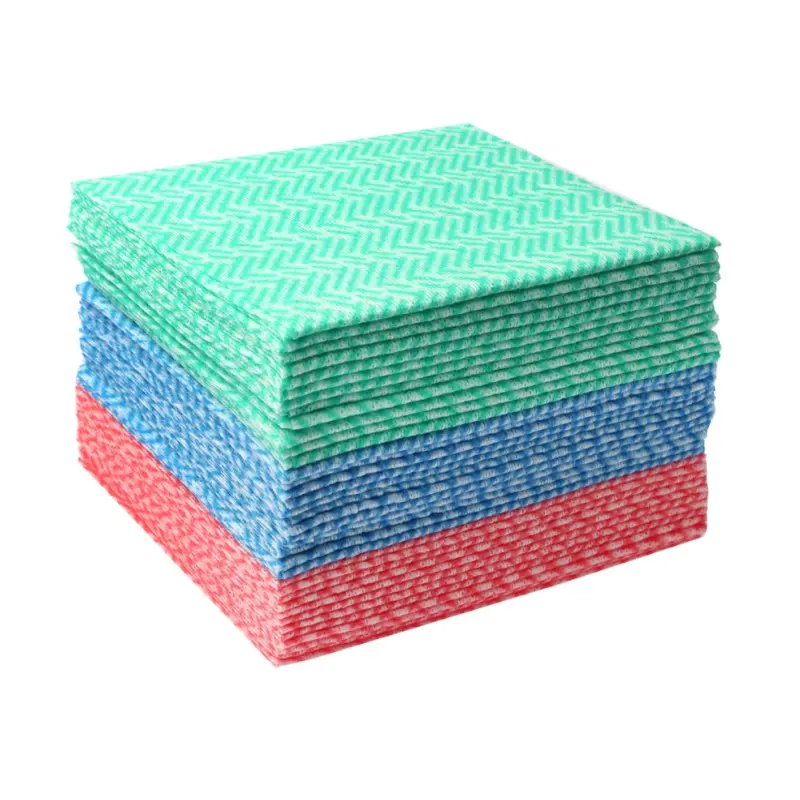


JIAXING HONGJIE COMMODITY CO., LTD is located near Shanghai and Hangzhou in Jiaxing City, Zhejiang Province, China. We are trading& manufactory company. our factory and office are in Jiaxing city.

Factory Add: 3rd floor, BLDG 3, No.379 Ziyu Road, Daqiao Industrial Zone, Jiaxing, Zhejiang, China.

+86-573-82313085

+86-573-82091210

Copyright © JIAXING HONGJIE COMMODITY CO., LTD
The information provided on this website is intended for use only in countries and jurisdictions outside of the People's Republic of China.
Wholesale Nonwoven Wet Wipes Manufacturers
