 Search for...
 English
 Español
Soft Lint-Free Disposable Household Cleaning Wipe

Content
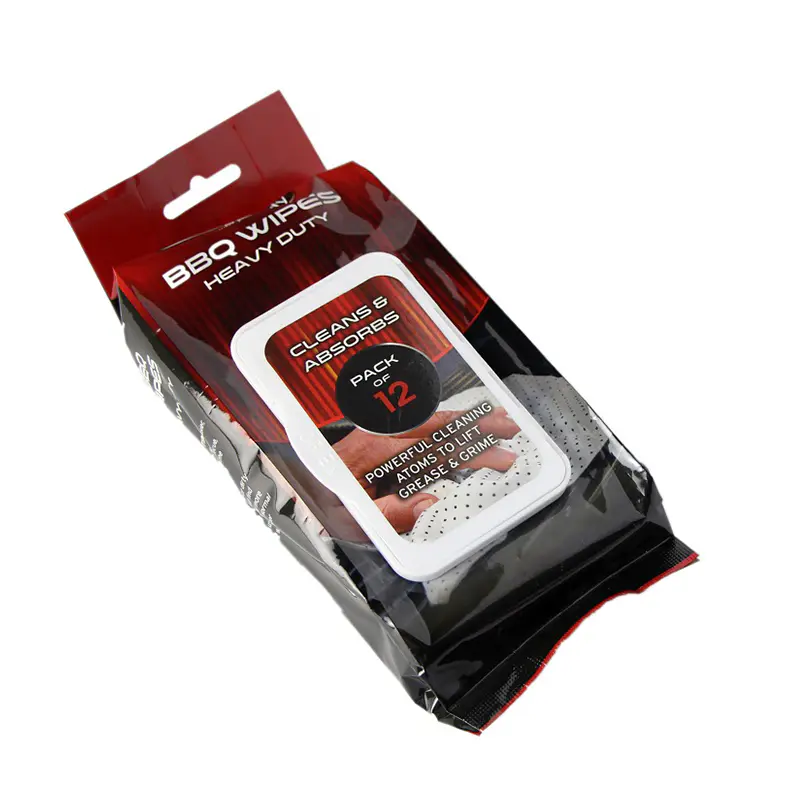
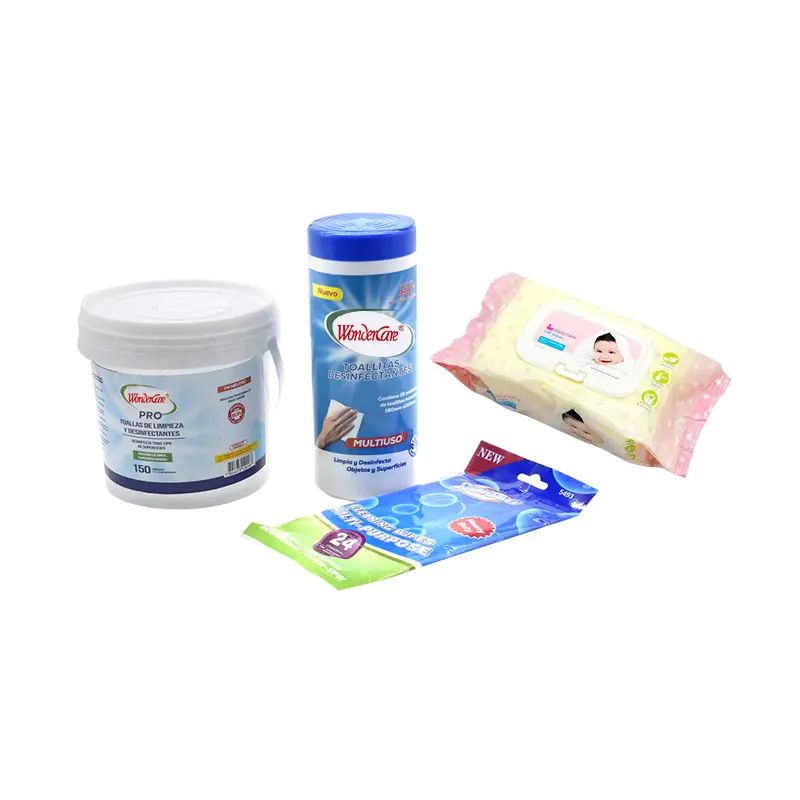
Wet wipes are pre-moistened disposable cloths designed for cleaning, disinfecting, or personal hygiene, but their convenience comes with significant environmental and infrastructure costs that consumers must understand. No wet wipe is truly safe to flush, regardless of "flushable" marketing claims; wastewater utilities report that wipes cause over 60% of sewer blockages and contribute to an estimated $1 billion in annual maintenance costs across North America. These products typically consist of nonwoven fabrics (polyester, polypropylene, or viscose) saturated with solutions containing water, preservatives, surfactants, and active ingredients like alcohol or benzalkonium chloride. Selecting the right wipe requires matching formulation to specific use cases—disinfection, baby care, or surface cleaning—while always disposing of them in trash bins rather than toilets to prevent costly plumbing failures and environmental contamination.
Wet wipes are not interchangeable; using the wrong type can reduce efficacy, damage surfaces, or cause skin irritation. Formulations are strictly regulated based on intended function.
| Wipe Category | Primary Active Ingredient | Contact Time Required | Safe For Skin? |
|---|---|---|---|
| Disinfecting Wipes | Quaternary Ammonium / Bleach | 4–10 minutes (surface must stay wet) | No – Causes chemical burns |
| Antibacterial Hand Wipes | Benzalkonium Chloride (0.1–0.3%) | 15–30 seconds | Yes – FDA OTC monograph compliant |
| Baby Wipes | Water + Mild Surfactants | N/A (Cleaning only) | Yes – Hypoallergenic tested |
| Alcohol Prep Pads | Isopropyl Alcohol (70%) | 30 seconds (evaporates quickly) | Limited – Drying with repeated use |
| Surface Cleaning Wipes | Non-ionic Surfactants | N/A (Soil removal only) | No – Not formulated for skin contact |
EPA-registered disinfecting wipes require surfaces to remain visibly wet for the full dwell time listed on the label—typically 4 to 10 minutes—to achieve claimed kill rates against pathogens like SARS-CoV-2 or MRSA. Wiping dry immediately after application reduces efficacy by up to 99%, rendering the product functionally equivalent to a damp cloth. Always check the EPA Reg. No. on packaging to verify legitimate disinfection claims; unregistered products cannot legally make antimicrobial assertions.
Despite widespread "flushable" labeling, independent testing consistently demonstrates that wet wipes do not disintegrate like toilet paper. Standard toilet paper breaks apart within seconds in agitation tests, while even so-called flushable wipes retain structural integrity for hours or days. This persistence causes fatbergs—congealed masses of grease, wipes, and debris—that clog municipal sewers and household pipes. Major cities including New York, London, and Toronto have implemented public education campaigns and legislative bans on flushable claims due to documented infrastructure damage. Homeowners face average repair costs of $3,000–$8,000 for wipe-related sewer line replacements. The only safe disposal method for all wet wipes is sealing them in a bag and placing them in solid waste streams. Compostable-certified wipes exist but require industrial composting facilities; they will not break down in home compost or landfills within meaningful timeframes.
Not all wet wipes are suitable for sensitive skin or frequent use. Certain preservatives and fragrances commonly found in formulations can trigger allergic contact dermatitis or disrupt skin barrier function.
For individuals with eczema, rosacea, or post-procedural skin, select wipes certified by organizations like the National Eczema Association or bearing ISO 10993 biocompatibility test results. Patch testing new products on inner forearm for 48 hours before broader use prevents adverse reactions.
Reducing wet wipe dependency mitigates both environmental harm and long-term costs. Practical substitutions maintain hygiene standards without disposable waste:
When wet wipes remain necessary—for travel, healthcare settings, or emergency kits—choose plant-based fibers (viscose, bamboo) over synthetic polyester, verify third-party compostability certifications (TÜV OK Compost INDUSTRIAL), and commit exclusively to bin disposal. Consumer choices directly influence manufacturer reformulation and municipal waste management outcomes.

JIAXING HONGJIE COMMODITY CO., LTD is located near Shanghai and Hangzhou in Jiaxing City, Zhejiang Province, China. We are trading& manufactory company. our factory and office are in Jiaxing city.

Factory Add: 3rd floor, BLDG 3, No.379 Ziyu Road, Daqiao Industrial Zone, Jiaxing, Zhejiang, China.

+86-573-82313085

+86-573-82091210

Copyright © JIAXING HONGJIE COMMODITY CO., LTD
The information provided on this website is intended for use only in countries and jurisdictions outside of the People's Republic of China.
Wholesale Nonwoven Wet Wipes Manufacturers
