 Search for...
 English
 Español
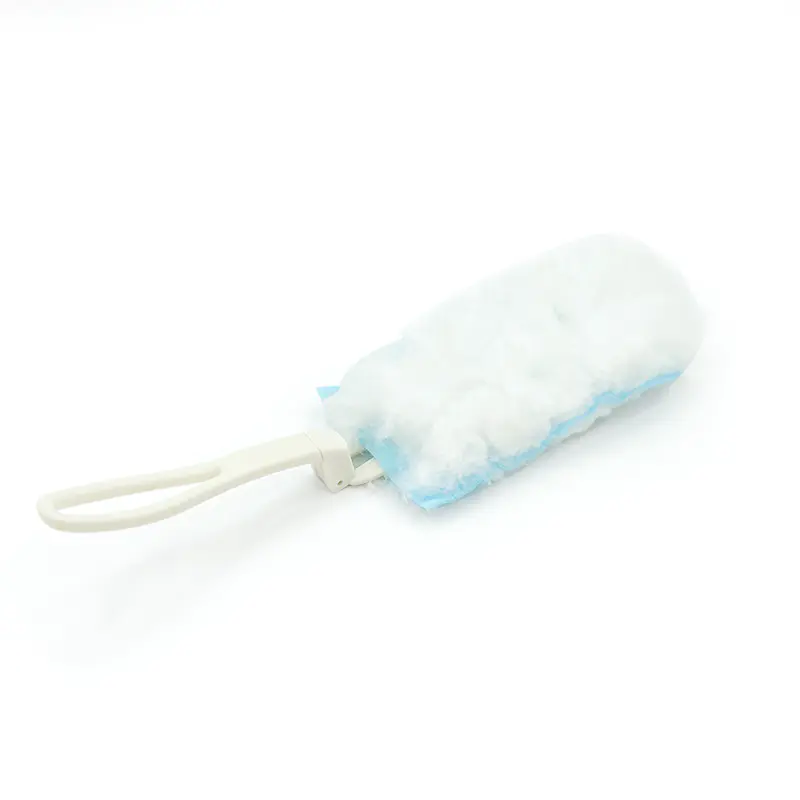
Soft Lint-Free Disposable Household Cleaning Wipe

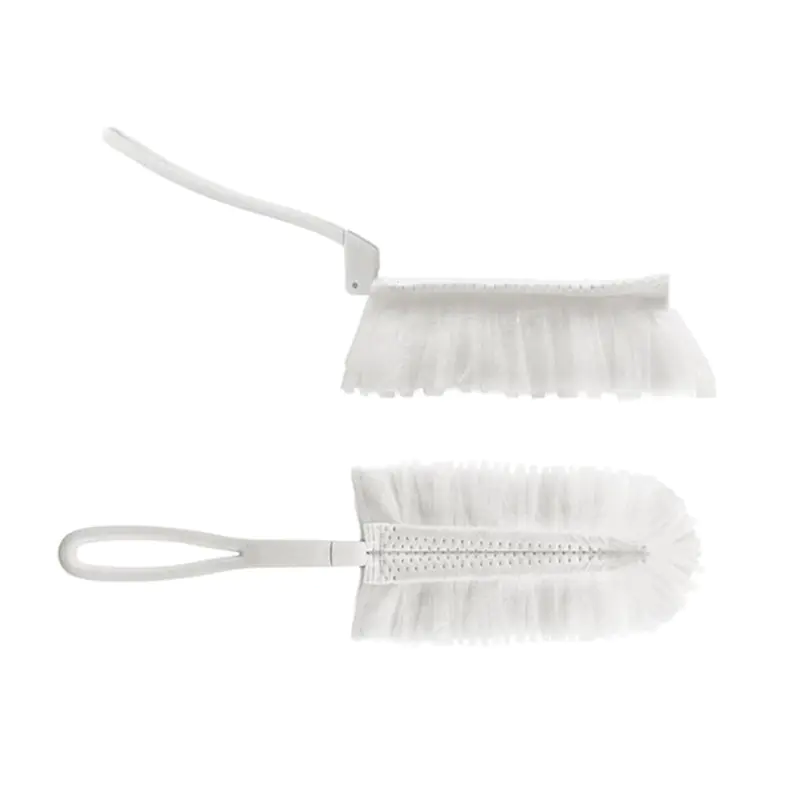
Fiber dusters are cleaning tools that use fine, specially engineered fibers to attract, trap, and hold dust particles rather than simply pushing them from one surface to another. Unlike a cloth rag or feather duster that redistributes dust into the air, a quality fiber duster — particularly one made from microfiber or electrostatic synthetic strands — uses physical and electrostatic attraction to capture particles and keep them held in the fibers until the duster is shaken out or washed.
The right fiber duster makes routine dusting faster and more effective, reduces airborne allergens, and reaches surfaces that cloths and vacuum attachments cannot. This guide covers the main types available, how each works at a fiber level, what surfaces each handles best, and what to look for when buying.
Content
The dust-trapping ability of a fiber duster comes from two mechanisms working together: physical entrapment and electrostatic attraction.
Physical entrapment works through surface area. A standard microfiber strand is 1/100th the diameter of a human hair — typically 0.5–2 denier. Splitting a polyester or polyamide filament into this size dramatically increases the total surface area of the fiber bundle. A single microfiber duster head can have the equivalent surface area of a cleaning cloth many times its size, creating countless tiny pockets and channels that dust particles fall into and cannot easily escape.
Electrostatic attraction adds a second layer of capture. When synthetic fibers move across a surface, friction generates a static charge. Dust particles are predominantly negatively charged, and the positively charged fiber tips attract them much like a magnet attracts iron filings. Some dusters — particularly disposable electrostatic types — are specifically engineered to maximize this charge. Others, like natural ostrich feather dusters, rely almost entirely on physical entrapment through the barb structure of the feather rather than electrostatics.
The fiber duster market includes several distinct categories, each with different fiber materials, dust-holding capacity, durability, and best-use scenarios:
| Type | Fiber Material | Dust Capture Method | Reusable? | Best Surface |
|---|---|---|---|---|
| Microfiber duster | Split polyester/polyamide | Physical + electrostatic | Yes (100–500+ washes) | Furniture, electronics, blinds |
| Electrostatic synthetic duster | Polyester / polypropylene | Primarily electrostatic | Limited (disposable refills) | Baseboards, textured walls, vents |
| Ostrich feather duster | Natural ostrich feathers | Physical (barb entrapment) | Yes (years with care) | Delicate ornaments, antiques |
| Chenille fiber duster | Polyester chenille loops | Physical entrapment | Yes (machine washable) | Ceiling fans, high shelves |
| Lambswool duster | Natural wool | Physical + natural lanolin | Yes (hand wash) | General furniture, picture frames |
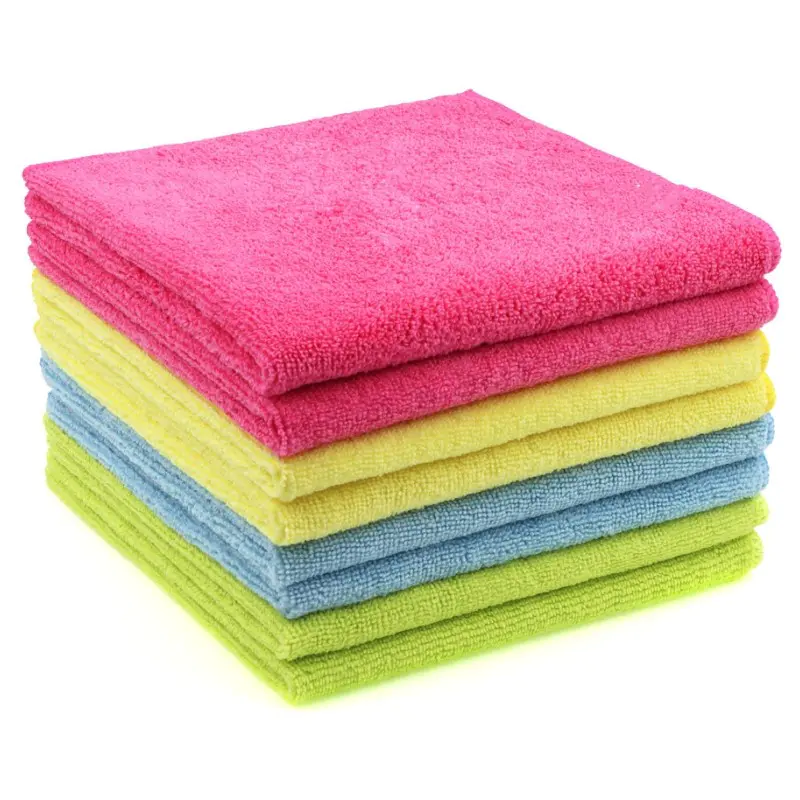
Microfiber dusters are the most versatile and widely recommended option for household and commercial cleaning. The split-fiber construction means the fibers have a wedge-shaped cross-section that mechanically scoops up particles rather than gliding over them. A good quality microfiber duster head rated at 300–400 GSM (grams per square meter) holds significantly more dust before needing to be cleaned than a lower-density product. They can be washed hundreds of times without losing effectiveness, provided fabric softener is avoided — softener coats the fibers and eliminates the electrostatic charge.
Brands like Swiffer popularized the disposable electrostatic duster format. These use fluffy polyester or polypropylene fibers pre-treated to maximize static charge. They are particularly effective on rough, textured, or vertical surfaces like baseboards, louvered vents, and rough-painted walls where dust embeds into surface texture. The trade-off is ongoing cost and waste: a household using one refill per week generates significant plastic waste over a year. Reusable microfiber alternatives have largely displaced disposable electrostatic dusters in environmentally conscious households.
Genuine ostrich feather dusters — made from the wing and body plumes of South African ostriches — remain the preferred tool for dusting delicate antiques, fine china, and ornate picture frames. The interlocking barbs of ostrich feathers trap dust gently without applying the mechanical pressure that microfiber or synthetic fibers exert. A quality ostrich duster with 100 or more full feathers and a hardwood handle will last 10–20 years with minimal care. Cheaper imitations use guinea fowl or rooster feathers, which are stiffer and less effective.
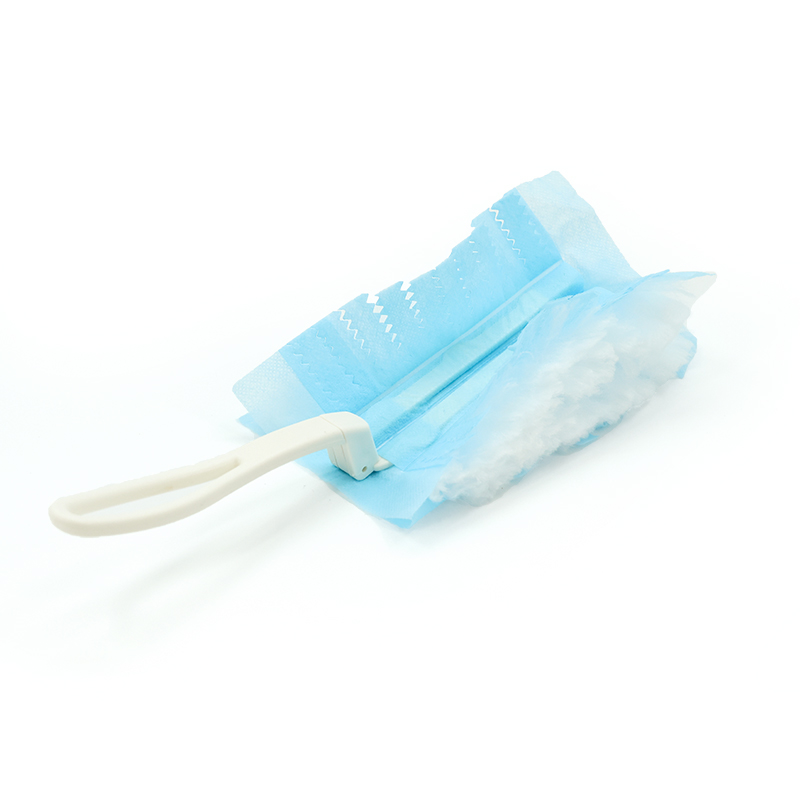
Not every duster works equally well on every surface. Matching the duster type to the surface prevents scratching, missed dust, and frustration:
The fiber head gets most of the attention, but handle design determines how much of your home you can clean comfortably and how much physical effort is required. Key handle features to evaluate:
For allergy sufferers, the dust redistribution behavior of a duster is more important than its dust pickup capacity. A duster that captures 80% of surface dust but launches the remaining 20% into the air as a fine aerosol may actually worsen indoor air quality temporarily during and after use.
Research on cleaning tool performance consistently shows that microfiber materials capture significantly more fine particles than conventional cloths or feather dusters, with some studies measuring capture rates above 98% for particles in the 0.5–10 micron range — the size range most associated with airborne allergens including dust mite feces, pet dander, and mold spores.
Practical steps that further reduce allergen redistribution during dusting:
A reusable fiber duster that is washed and maintained correctly performs as well after 200 washes as on the first use. Incorrect washing — particularly using fabric softener or high heat — permanently destroys the dust-trapping properties of microfiber. Proper care by type:
Use these criteria to evaluate any fiber duster before purchasing:
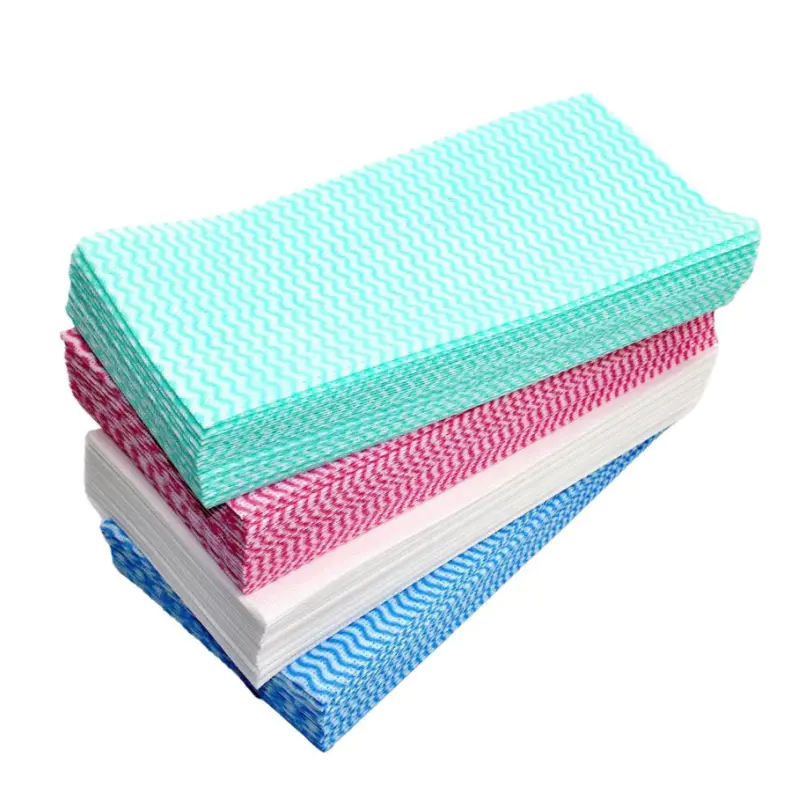
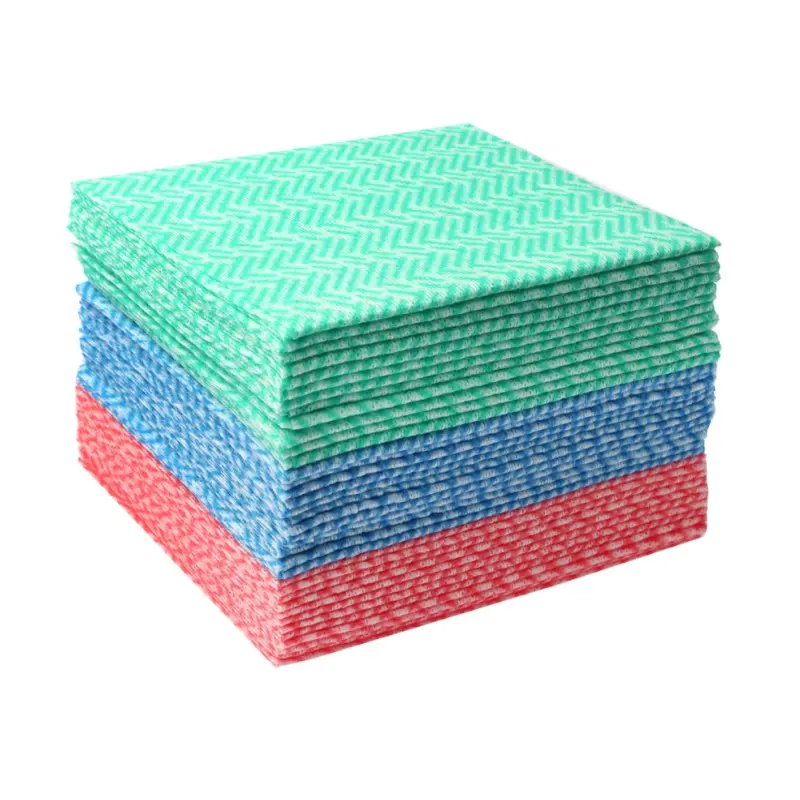
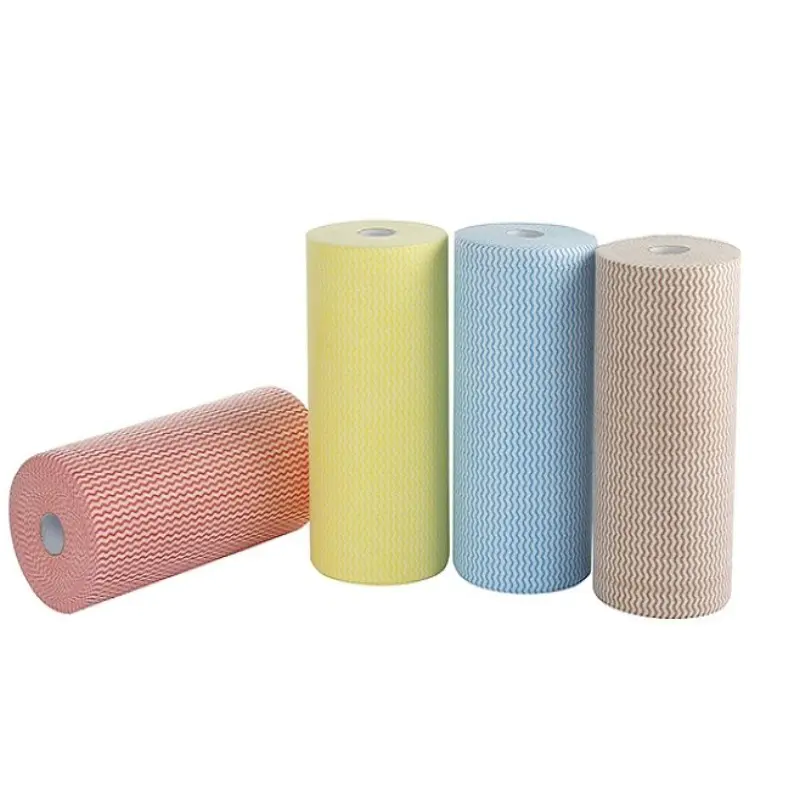

JIAXING HONGJIE COMMODITY CO., LTD is located near Shanghai and Hangzhou in Jiaxing City, Zhejiang Province, China. We are trading& manufactory company. our factory and office are in Jiaxing city.

Factory Add: 3rd floor, BLDG 3, No.379 Ziyu Road, Daqiao Industrial Zone, Jiaxing, Zhejiang, China.

+86-573-82313085

+86-573-82091210

Copyright © JIAXING HONGJIE COMMODITY CO., LTD
The information provided on this website is intended for use only in countries and jurisdictions outside of the People's Republic of China.
Wholesale Nonwoven Wet Wipes Manufacturers
