 Search for...
 English
 Español
Soft Lint-Free Disposable Household Cleaning Wipe

Content
Wet wipes are pre-moistened cloths or sheets used for cleaning, sanitising, refreshing, or applying substances to skin, surfaces, or objects. The global wet wipes market was valued at approximately USD 24 billion in 2023 and is projected to exceed USD 38 billion by 2032, driven by growth across baby care, personal hygiene, healthcare, and household cleaning categories. That scale reflects how fundamentally useful wet wipes are across everyday life — but not all wet wipes are interchangeable.
A baby wipe is formulated completely differently from a disinfectant surface wipe or a facial cleansing wipe. Using the wrong product on the wrong surface or person can cause skin irritation, leave chemical residues, or simply fail to do the job. Understanding what separates wet wipe categories — by substrate, formulation, and intended use — is the foundation for using them effectively.
Wet wipes divide into several distinct product categories, each with a specific formulation designed for its target application. Cross-category use is common but not always appropriate.
| Category | Primary Use | Key Ingredients | Safe On Skin? | Flushable? |
|---|---|---|---|---|
| Baby Wipes | Nappy changes, infant skin cleaning | Water, mild surfactants, aloe vera, glycerin | Yes (sensitive skin) | No |
| Personal Hygiene / Antibacterial Wipes | Hand cleaning, body refresh | Alcohol, benzalkonium chloride, water | Yes (adults) | No |
| Facial Cleansing Wipes | Makeup removal, face cleansing | Micellar water, emollients, mild preservatives | Yes (face-grade) | No |
| Disinfectant Surface Wipes | Killing pathogens on hard surfaces | Quaternary ammonium, hypochlorite, isopropanol | No (can irritate) | No |
| Flushable Wipes | Post-toilet personal hygiene | Water, mild cleansers, dispersible fibres | Yes | Designed to be |
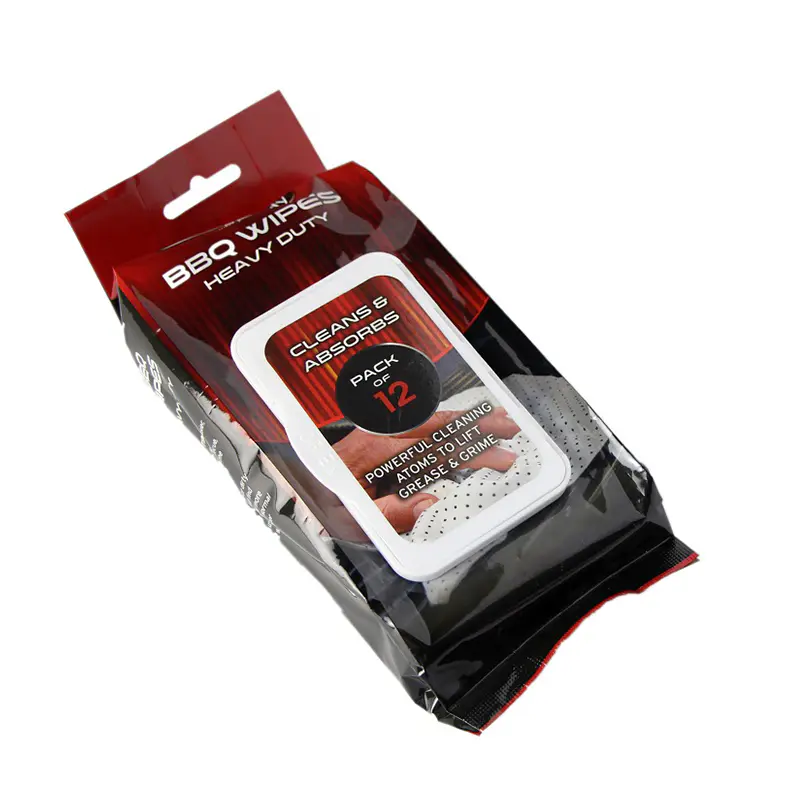
| Industrial / Mechanic Wipes | Removing grease, oil, heavy soiling | Solvents, surfactants, abrasive fibres | Limited (gloves advised) | No |
| Medical / Clinical Wipes | Wound care, skin prep, instrument wipe-down | Sterile saline, isopropanol 70%, chlorhexidine | Depends on type | No |
Two elements define every wet wipe: the physical substrate (the cloth or sheet itself) and the lotion or solution it is saturated with. Both determine performance, skin compatibility, environmental impact, and cost.
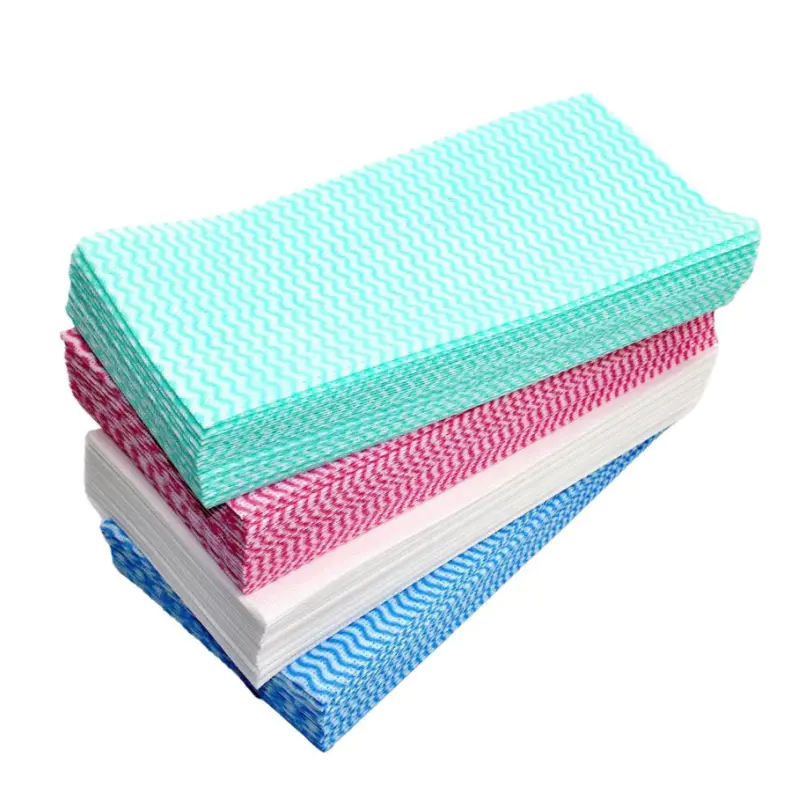
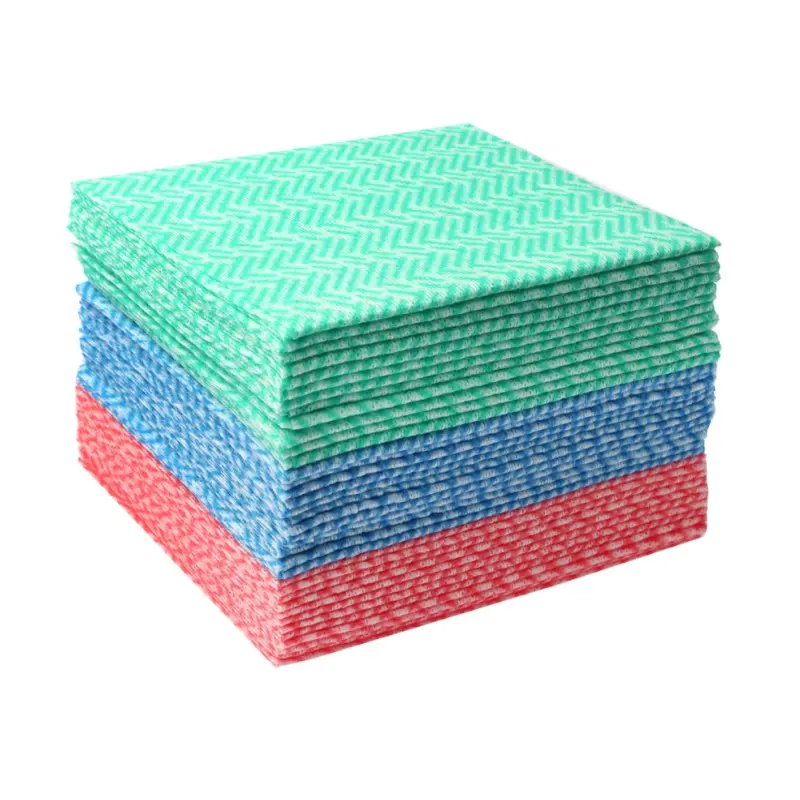
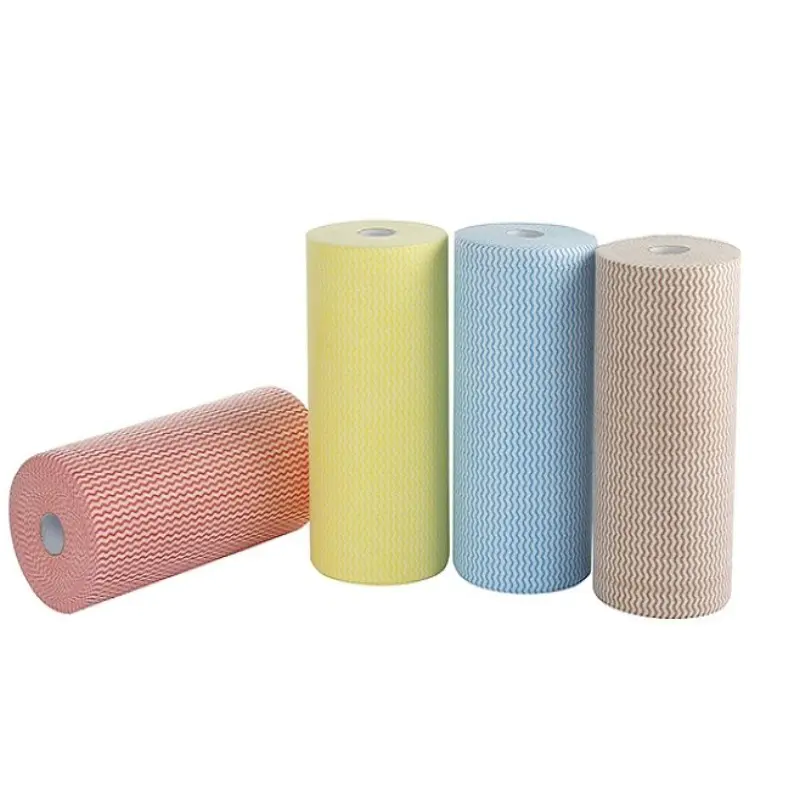
The substrate provides the mechanical cleaning action and holds the wet formulation. The most widely used substrates include:
The liquid formulation — often called the lotion — is what the substrate is saturated with during manufacturing. Water makes up 90–98% of most consumer wet wipe formulations, with the remainder comprising functional ingredients. Key functional components include:
Baby wipes are the largest single segment of the wet wipes market and are also among the most rigorously formulated, given that they are used on the most sensitive skin demographic. Infant skin is 20–30% thinner than adult skin, has a higher surface-area-to-body-weight ratio, and a less developed skin barrier — all of which make it significantly more susceptible to irritation from unsuitable ingredients.
The best baby wipe formulations are dermatologically tested, have a pH between 5.5 and 6.5 (matching infant skin's natural acid mantle), contain fewer than 10 ingredients, and are free from fragrance, MIT, and alcohol. Formulations containing primarily water, glycerin, a mild glucoside surfactant, and phenoxyethanol as preservative represent the current best-practice standard for sensitive baby skin. Many leading brands have moved toward water-only or near-water-only wipes (99% water) for the newborn segment specifically.
Disinfectant surface wipes became a household staple during the COVID-19 pandemic, with global sales of antibacterial and disinfectant wipes increasing by over 300% in 2020. Understanding how they work — and the conditions required for them to work effectively — prevents the false security of ineffective use.
The single most misunderstood aspect of disinfectant wipes is contact time (also called dwell time) — the length of time the surface must remain visibly wet with the disinfectant solution for the product's kill claim to be valid. Most EPA-registered disinfectant wipes require a contact time of 1–4 minutes to kill listed pathogens. Wiping a surface and allowing it to dry in 15–20 seconds does not constitute disinfection — it may reduce surface microbial load, but it does not achieve the tested kill rate stated on the label.
Disinfectant wipes are most effective on clean surfaces. Organic matter — food residue, grease, bodily fluids — physically shields pathogens from the active ingredient and can neutralise disinfectant chemistry. In clinical and food-preparation environments, the correct protocol is always to clean first (remove visible soiling) and then disinfect with a separate application. Using a single wipe to both clean and disinfect a heavily soiled surface delivers neither outcome reliably.
Wet wipes have a significant and well-documented environmental impact. A 2021 Marine Conservation Society beach survey found that wet wipes were among the top 10 most common items found on UK beaches, having been flushed down toilets and surviving sewage treatment intact due to their non-dispersible synthetic fibres. The issue extends beyond littering — wet wipes are a major contributor to fatbergs (masses of congealed grease and non-dispersible materials) in sewer systems worldwide.
The polyester fibres used in most wet wipe substrates are a form of plastic. They do not biodegrade in any meaningful timeframe — estimates suggest polyester nonwoven fabrics can persist in soil or marine environments for decades to over 100 years. Even wipes marketed as "biodegradable" may only meet standards requiring degradation under controlled composting conditions, not in the ambient environment where discarded wipes typically end up.
Despite widespread labelling of wipes as "flushable," water industry organisations in the UK, US, and Australia have long maintained that no standard wet wipe should be flushed. The IWSFG (International Water Services Flushability Group) Fine to Flush standard — adopted in the UK — requires that a wipe disintegrate to pass through a standard sieve within 30 minutes of entering the sewer system under agitation. Only a small fraction of wipes currently on the market meet this standard. The UK government consulted on mandating Fine to Flush certification for all products labelled as flushable, with regulatory action expected to follow.
Facial cleansing wipes are among the fastest-growing personal care wet wipe segments, driven by convenience positioning in the beauty and skincare market. However, dermatologists have raised consistent concerns about over-reliance on facial wipes as a substitute for proper cleansing, particularly among people with acne-prone, sensitive, or compromised skin.
The dermatological consensus is that facial wipes work well as occasional convenience products or as a first step in a double-cleanse routine, but should not replace daily water-based cleansing as a long-term practice.
In healthcare settings, wet wipes are not convenience items — they are infection control tools whose performance directly affects patient safety. Clinical wet wipes are regulated as medical devices or biocidal products in most markets, subject to standards that consumer wipes do not need to meet.
Isopropanol 70% wipes are the global standard for pre-injection skin antisepsis — used before insulin injections, blood draws, and IV line placement. The 70% concentration (in water) is more effective than pure isopropanol because the water content slows evaporation, extending contact time on the skin surface. WHO guidelines recommend a minimum 30-second contact time for effective skin antisepsis with alcohol wipes before injection — a standard that is routinely shortened in practice due to time pressure, reducing effectiveness.
For immobile or critically ill patients who cannot shower, chlorhexidine gluconate (CHG) impregnated bathing wipes provide both skin cleansing and persistent antimicrobial activity. CHG at 2% concentration has demonstrated residual bactericidal activity for up to 6 hours after application, making it significantly more effective than plain soap-and-water bed bathing for reducing healthcare-associated infections (HAIs), including MRSA and Clostridioides difficile.
Medical equipment — blood pressure cuffs, ultrasound probes, bedside tables, and monitors — requires wipes that are validated against specific healthcare-associated pathogens and compatible with the equipment material. Incompatibility between disinfectant wipes and equipment surfaces (particularly alcohol on certain plastics) can degrade equipment and void manufacturer warranties. Compatibility charts provided by both wipe manufacturers and medical device manufacturers should always be cross-referenced before selecting a clinical surface wipe product.
Even high-quality wet wipes become ineffective or potentially unsafe if stored or used incorrectly. These practical guidelines apply across most categories.
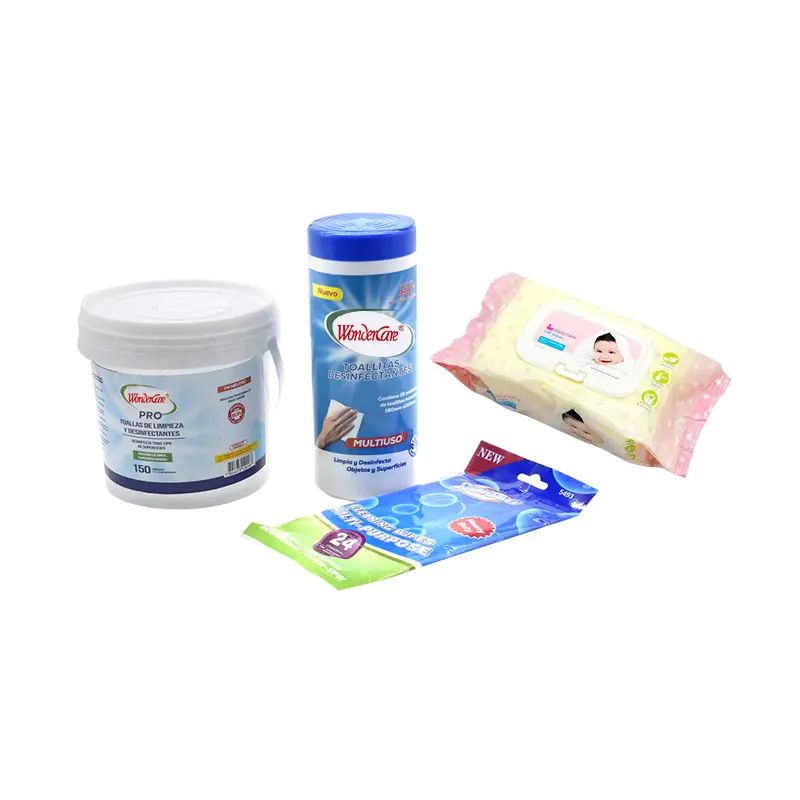
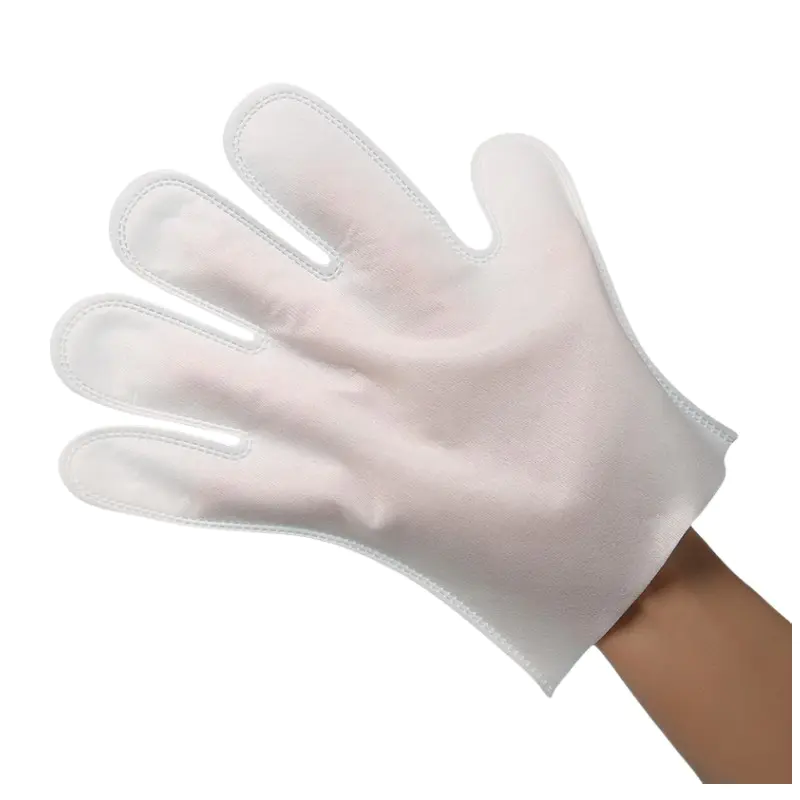
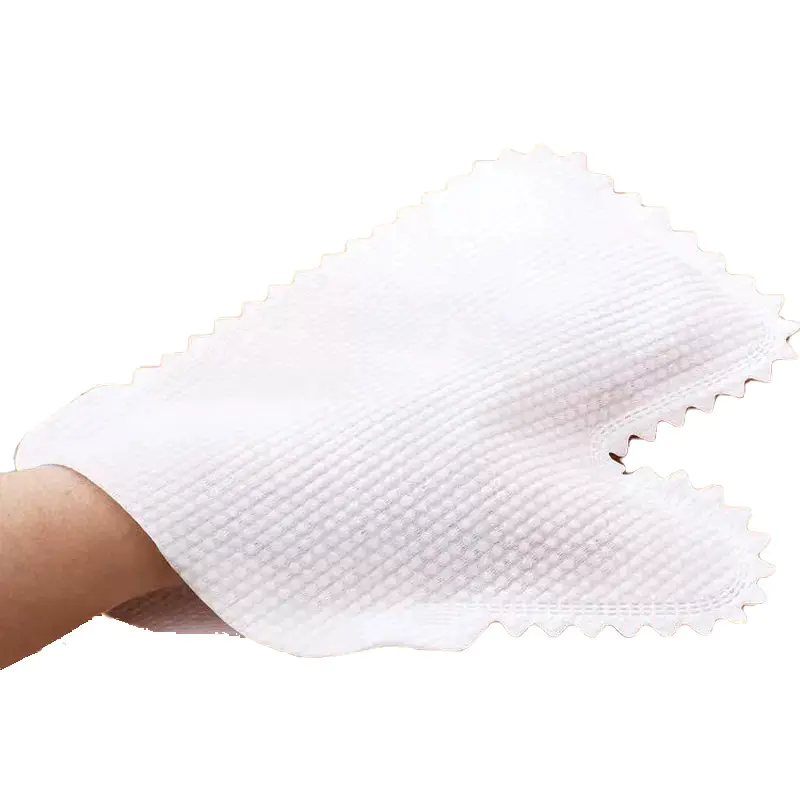
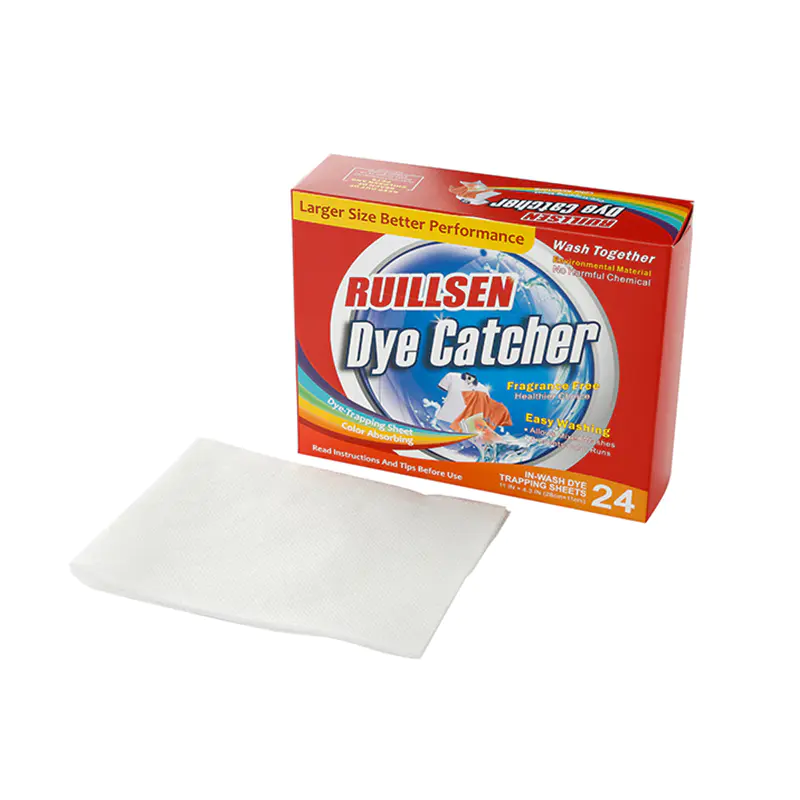

JIAXING HONGJIE COMMODITY CO., LTD is located near Shanghai and Hangzhou in Jiaxing City, Zhejiang Province, China. We are trading& manufactory company. our factory and office are in Jiaxing city.

Factory Add: 3rd floor, BLDG 3, No.379 Ziyu Road, Daqiao Industrial Zone, Jiaxing, Zhejiang, China.

+86-573-82313085

+86-573-82091210

Copyright © JIAXING HONGJIE COMMODITY CO., LTD
The information provided on this website is intended for use only in countries and jurisdictions outside of the People's Republic of China.
Wholesale Nonwoven Wet Wipes Manufacturers
